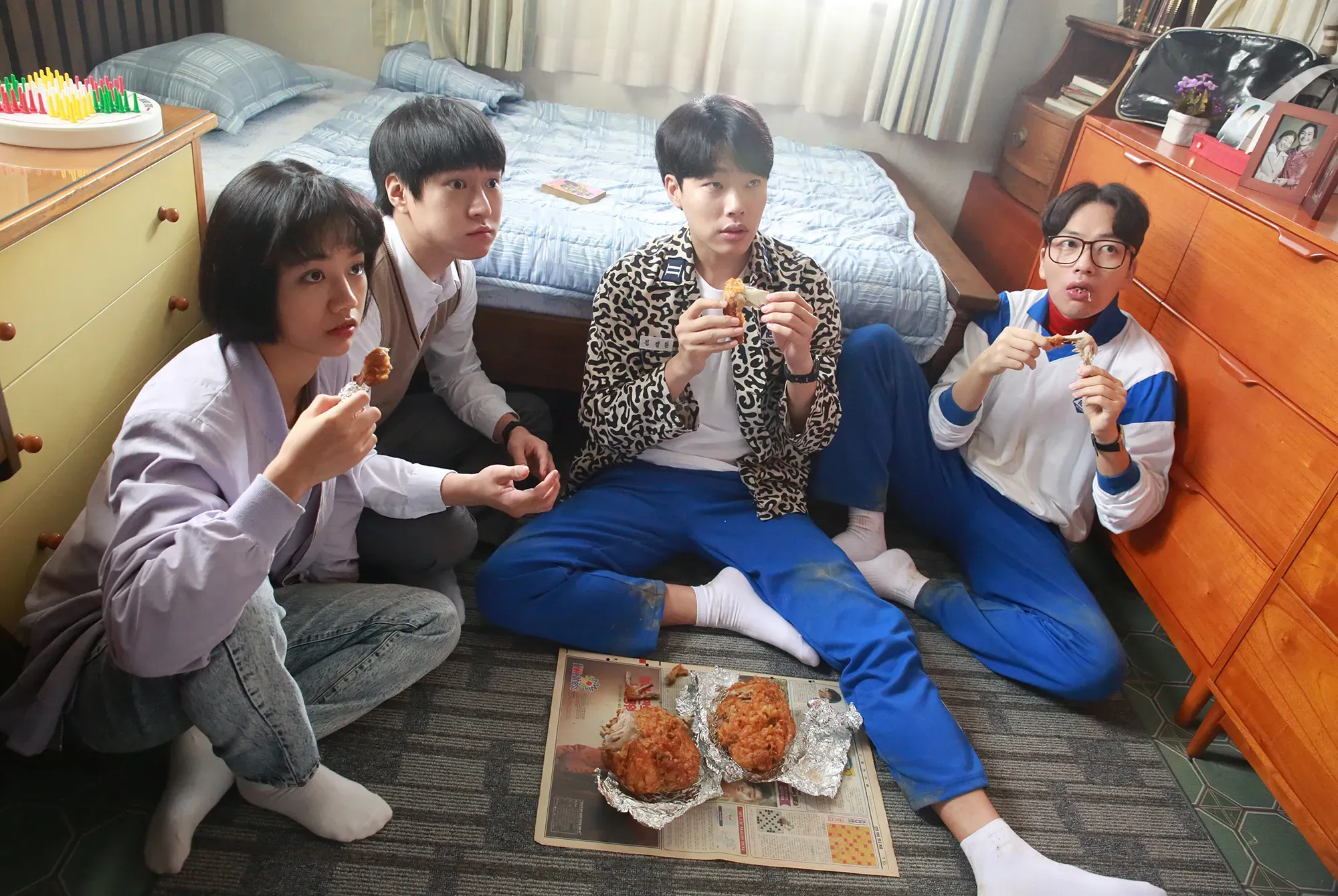

When people first hear about Reply 1988, they often ask: "Is Reply 1988 a romance drama?" The short answer is no. The longer, more honest answer is that Reply 1988 uses the framework of romance to tell a much deeper, more devastating story—one about time passing, parents aging, dreams changing, and the quiet, unremarkable moments that shape who we become.
If you came to Reply 1988 expecting a typical love story, you probably felt confused, maybe even cheated. The series dangles a love triangle in front of viewers for all 20 episodes, but by the time you reach the Reply 1988 ending, you realize the husband reveal was never the point. The real heartbreak wasn't about who Deok-sun chose. It was about everything she—and we—had to leave behind to grow up.
This isn't a love story. It's a memory. And that's exactly why it hurts so much.
Why Reply 1988 Is Often Mistaken for a Romance
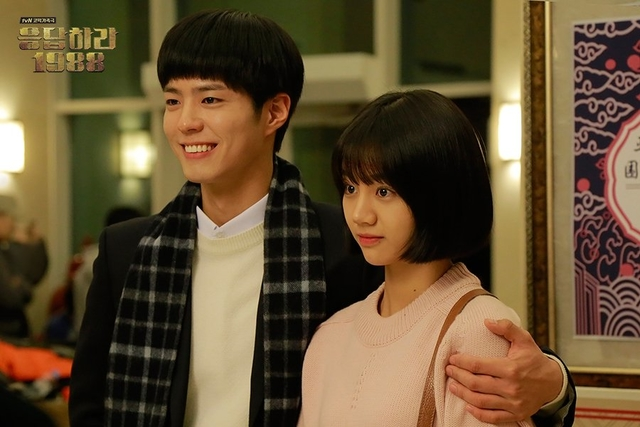
Let's be clear: Reply 1988 does have romance. Deok-sun's feelings for Taek, Jung-hwan's unspoken crush, the tender moments between characters—they're all there. But the series uses romance as a narrative device, not as its central theme. The reply 1988 meaning explained in simplest terms is this: it's a story about how life happens while you're busy looking the other way.
The marketing didn't help. The "husband hunt" became a phenomenon. Online communities like Reply 1988 Reddit threads exploded with theories. Fans dissected every glance, every smile, every subtle interaction to predict the ending. But this obsession with romance obscured what Reply 1988 is really about—the passage of time, the weight of small decisions, and the people who shape us before we even realize it.
The series is available on Reply 1988 Netflix, and new viewers often binge all Reply 1988 How many episodes (20 total) expecting a satisfying romantic resolution. Instead, they're left with something far more complex: the bittersweet recognition that life doesn't pause for perfect moments, and love—romantic or otherwise—is just one thread in a much larger tapestry.
Growing Up Is the Real Story
Reply 1988 growing up theme is embedded in every frame. The show doesn't dramatize adolescence; it captures it in all its mundane, uncomfortable, beautiful detail. Deok-sun isn't just choosing between two boys—she's navigating the terrifying space between childhood and adulthood, where your parents suddenly seem smaller and the future feels both infinite and suffocating.
The reply 1988 focus on family not romance is evident in how the series structures its narrative. Each episode centers on a different character or family, revealing their private struggles: Taek's loneliness despite his fame, Jung-hwan's inability to express emotion, Sun-woo's burden as the eldest son in a fatherless home. These aren't subplots—they're the main story.
One of the most powerful reply 1988 realistic life moments comes not from a romantic confession, but from watching Deok-sun's father realize he's always neglected his middle daughter. His breakdown in the street, sobbing over his own failures as a parent, cuts deeper than any love triangle ever could. This is what the show does best: it makes you see your own parents in these flawed, exhausted, deeply loving people on screen.
The reply 1988 childhood and adulthood transition isn't marked by dramatic events. There's no graduation montage, no clear "coming of age" moment. Instead, it happens in fragments: Deok-sun getting her first period and feeling embarrassed, the kids eating ramyeon after school, Bo-ra studying obsessively for her exams while the world moves on. These small moments accumulate until you realize everyone has changed without you noticing.
This Is Why Reply 1988 Feels Like Losing Your Childhood
If you rewatch Reply 1988 episode 1 with the knowledge of what's to come, you'll notice something remarkable: the parents are always there, in the background and foreground, carrying the emotional weight of the entire series.
The reply 1988 parents role is what elevates the show from good to extraordinary. These aren't the typical negligent or comedic TV parents. They're complex, tired, and often selfish in small ways. Deok-sun's mother favors her older daughter. Taek's father can't figure out how to connect with his son. Jung-hwan's mother struggles with the guilt of having more than her neighbors.
One Reply 1988 life lessons the series teaches is that your parents are just people—people who are also scared, also making it up as they go along, also dealing with dreams they've had to abandon. The show doesn't romanticize parenthood. It shows it as it is: exhausting, thankless, and filled with mistakes made out of love.
The most devastating scenes in Reply 1988 aren't romantic rejections—they're parents aging. Taek's father Il-hwa slowly showing signs of dementia. Deok-sun's parents bickering over money while secretly sacrificing everything for their children. The fathers getting drunk together and singing old songs, briefly reclaiming their youth before dawn comes and they have to go back to being responsible adults.
This is why Reply 1988 hurts so much: it forces you to see your parents as they really are, and to recognize that time is taking them away from you, slowly and inevitably.
Friendship Before Love: Why the Ending Feels Painful but Honest
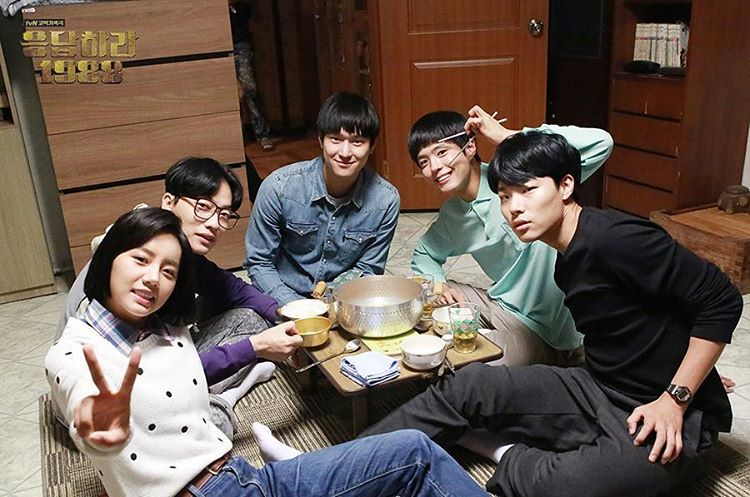
The reply 1988 friendship dynamics are the soul of the show. The five friends—Deok-sun, Taek, Jung-hwan, Sun-woo, and Dong-ryong—aren't just a friend group; they're a unit forged by proximity, routine, and shared history. They didn't choose each other. Life put them in the same alley, and that was enough.
What makes Reply 1988 different from other coming-of-age stories is its refusal to dramatize these relationships. There are no explosive fights, no betrayals, no melodrama. Instead, there's the slow, quiet drift that comes with growing up. Sun-woo goes to medical school. Taek travels for tournaments. Deok-sun works odd jobs. Dong-ryong chases failed business schemes. They don't have a falling out—they just... drift.
The reply 1988 neighborhood symbolism is crucial here. The alley where they all live represents a specific moment in time, a bubble where everything feels permanent. But neighborhoods change. People move. The tight-knit world that felt eternal in 1988 is gone by 1994, and no amount of nostalgia can bring it back.
This is why Reply 1988 is so emotional—because it shows you exactly how friendships end. Not with a bang, but with missed phone calls, rescheduled hangouts, and the slow realization that you're remembering someone's old self, not who they've become.
And the romance? The Reply 1988 ending explained in its truest sense is this: Deok-sun ends up with Taek not because of grand romantic gestures, but because he was there. He showed up. He waited. Love in Reply 1988 isn't about fate or passion—it's about proximity and timing, which is both deeply unromantic and profoundly true to life.
Jung-hwan's unspoken feelings are the series' most heartbreaking element precisely because they weren't enough. The show refuses to reward him for his silence. It doesn't give him a dramatic confession scene or a noble sacrifice. He just... misses his chance. And life goes on.
This reply 1988 life lessons is brutal: you don't always get closure. Sometimes you just lose, and you have to live with it.
Why the Lack of a Clear Romantic Payoff Makes the Series Hurt More
The reply 1988 slice of life drama structure means that not everything gets resolved. Some storylines just... stop. Characters make plans that never come to fruition. Dreams get quietly abandoned. Relationships fade without explanation.
This is what makes Reply 1988 different from other kdramas—it doesn't give you catharsis. There's no dramatic confrontation where Jung-hwan confesses his feelings. There's no moment where Deok-sun realizes what she's lost. The show simply moves forward, just like life does.
The lack of clear romantic payoff forces you to confront the fact that Reply 1988 was never building toward a satisfying love story. It was building toward something much harder: the end of youth, the passage of time, and the recognition that you can never go back. The reply 1988 emotional analysis reveals a show that trusts its audience to sit with discomfort and find beauty in life's messiness.
Why Reply 1988 Stays With You
The reply 1988 nostalgia feeling is unlike anything else in television. Even if you didn't grow up in 1988, even if you've never been to Korea, the show makes you ache for a past you never had. It taps into something universal: the longing for a time when life was simpler, when your biggest worry was whether you'd make it home before curfew, when your parents seemed invincible.
Why Reply 1988 is so emotional isn't about the plot—it's about the recognition. You see your own life reflected in these characters. You remember your own parents staying up late worrying about money. You remember your own friends drifting away after high school. You remember the feeling of being young and thinking you had all the time in the world.
The Reply 1988 cast delivered performances that felt less like acting and more like captured memories. The Reply 1988 reunion specials show that even the actors themselves feel the weight of what they created. They became a family, much like the characters they played, and when they reunite, there's a palpable sense of trying to recapture something that can only exist in memory.
Is Reply 1988 worth watching if you want romance? Only if you're willing to accept that the romance is a doorway, not a destination. The real story is about everything you lose on the way to becoming an adult—your innocence, your certainty, your parents' youth, your friends' constant presence.
What is the message of Reply 1988? That life doesn't wait for you to be ready. That your parents are aging while you're not looking. That your friends will move on, your neighborhood will change, and the version of yourself that exists right now will soon be just a memory. And that somehow, despite all this loss, there is beauty in having lived through it.
Final Thoughts: This Is Not a Love Story. It Is a Memory.
Reply 1988 stays with you because it doesn't lie. It doesn't promise you that everything will work out, or that love conquers all, or that you'll get the closure you crave. It simply shows you life—boring, beautiful, heartbreaking life—and trusts that you'll recognize yourself in it.
The show's genius is in its restraint. It could have been a melodrama. It could have leaned into the love triangle, given us dramatic confessions and tearful rejections. Instead, it chose to be honest. And that honesty is what makes it unforgettable.
Long after you've finished all 20 episodes, long after you've debated the ending on Reply 1988 Reddit threads, long after you've rewatched your favorite scenes on Reply 1988 Netflix, you'll find yourself thinking about the parents more than the kids. You'll remember Il-hwa teaching Taek to tie his shoes. You'll remember Deok-sun's father realizing he's failed his daughter. You'll remember all the mothers gathered in the alley, gossiping and worrying and loving in their imperfect, human way.
Because Reply 1988 was never about who Deok-sun married. It was about the alley. The ramyeon. The misunderstandings and sacrifices and small kindnesses. It was about the people who shaped you before you even knew you needed shaping.
It was about growing up, and how painful and necessary and beautiful that process is.
And that's why, years after watching, you'll still feel that ache—not for a love story you didn't get, but for a time in your life that you can never return to. Just like the characters in Reply 1988, you can only look back and be grateful you were there.
That's not romance. That's life. And somehow, it's even more devastating. If you liked this blog do read this one aswell Best K-Drama on Netflix Right Now Worth Watching