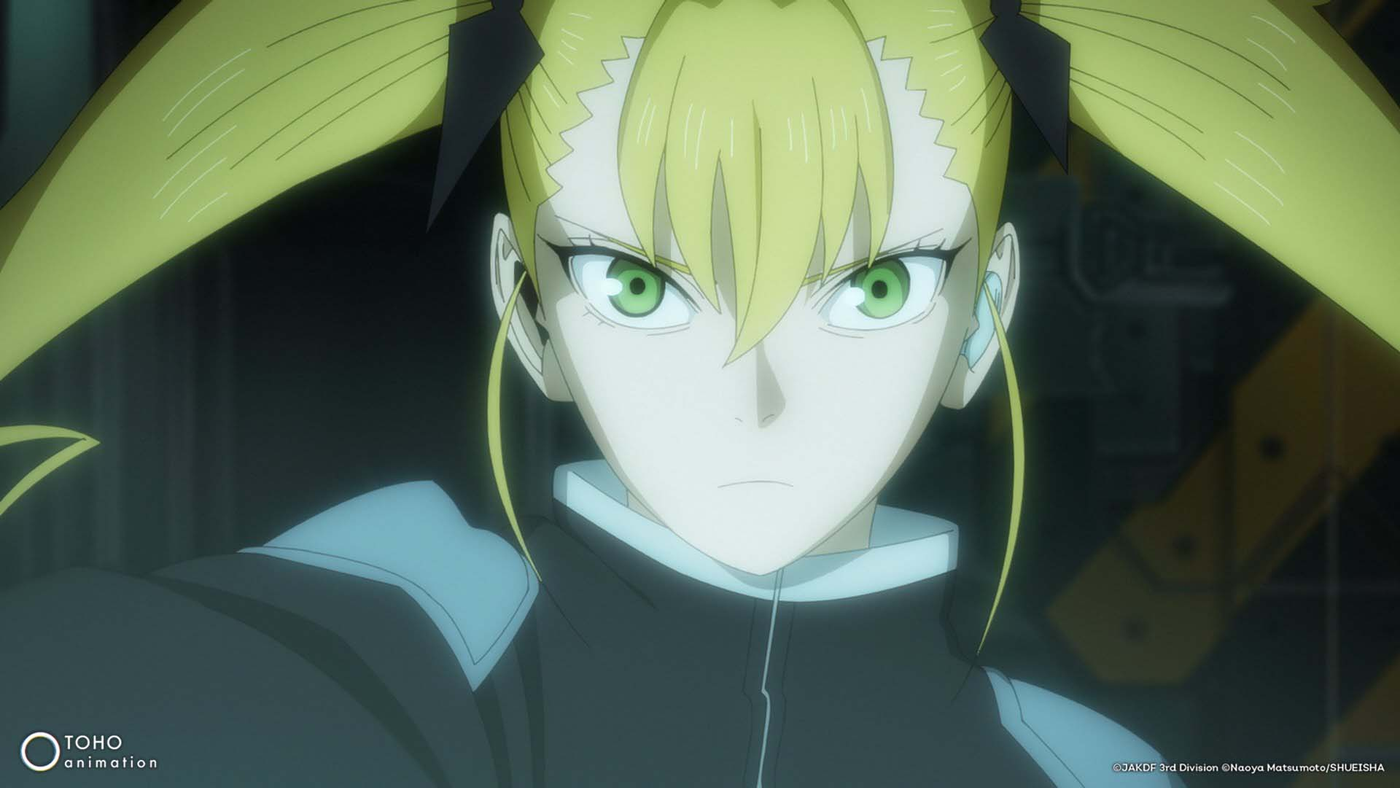
Kaiju No. 8 Numbers Weapons Explained: Every Known User
Rushabh Bhosale
Numbers Weapons are some of the most important pieces of technology in Kaiju No. 8. Instead of simply destroying an exceptionally dangerous kaiju and moving on, the Defense Force can turn the remains of certain identified monsters into weapons that preserve part of their extraordinary power.
The official anime glossary describes Identified Kaiju Weapons, or Numbers, as equipment created from the material of powerful kaiju that received code numbers. It also makes an important point: using one requires a fighter with the ability to handle it.
That is why a Numbers Weapon is not just a stronger version of a normal Defense Force suit. Each one is tied to a specific kaiju, a specific combat style and, in practice, a very small pool of people capable of drawing out its potential.
What Are Numbers Weapons in Kaiju No. 8?
The Defense Force normally fights kaiju using specialized combat suits and weapons made from kaiju materials. Numbers Weapons sit at the top end of that idea. They are created from identified kaiju powerful enough to receive individual numbers and reputations of their own.
A Numbers Weapon can carry characteristics that made the original monster so dangerous. The result is a strange reversal at the center of the series: humanity survives future kaiju attacks by weaponizing the bodies of monsters that once threatened it.
The system also explains why the Defense Force's strongest officers can operate on a completely different level from ordinary recruits. Their personal skill still matters, but the right Numbers Weapon can add abilities that normal equipment simply cannot reproduce.
Why Compatibility Matters So Much
A Numbers Weapon is not something the Defense Force can hand to its next strongest officer and expect perfect results. Compatibility is a central limitation. The user has to survive the physical and psychological strain while also bringing out enough of the weapon's performance to justify using it.
Reno Ichikawa makes this especially clear. He is selected as the compatible user for Numbers 6, a weapon official anime material explicitly calls the most powerful and dangerous of the Numbers. His training is therefore not merely about increasing his release force. It is about proving he can use a weapon that can overwhelm its own operator.
That makes compatibility one of the smartest balancing rules in Kaiju No. 8. The Defense Force possesses terrifying technology, but it cannot mass-produce its best results.
Numbers 1: Gen Narumi

Gen Narumi, captain of the First Division, operates Numbers 1. The official anime presents Narumi as Japan's strongest anti-kaiju combatant, and Numbers 1 is one of the reasons his ceiling is so high.
The weapon is built from Kaiju No. 1 and is closely associated with Narumi's extraordinary ability to read and respond to an opponent's movements. In combat, that predictive advantage is devastating because Narumi already has the speed, technique and firepower to exploit openings almost immediately.
Numbers 1 therefore shows what happens when a specialized kaiju ability is paired with a user whose own instincts are already elite. The weapon does not replace Narumi's talent. It multiplies the value of it.
Numbers 2: Isao Shinomiya
Defense Force Director General Isao Shinomiya uses Numbers 2, equipment made from Kaiju No. 2. The anime makes the weapon central to his battle with Kaiju No. 9, and Episode 17 confirms that No. 9 ultimately absorbs Isao while he is equipped with Numbers 2, gaining the enormous power of Kaiju No. 2 in the process.
Numbers 2 is a good reminder that these weapons are strategic assets, not invincibility buttons. Even one of the Defense Force's most experienced figures can be defeated, and once a Numbers Weapon's power falls into the wrong hands, the same technology meant to protect humanity can make an enemy even worse.
Numbers 4: Hikari and Kikoru Shinomiya
Numbers 4 carries one of the most personal legacies in the series. It was previously used by Hikari Shinomiya, Kikoru's mother, and later passes to Kikoru.
The official anime specifically highlights Kikoru wearing Numbers 4 alongside Narumi's Numbers 1 and Hoshina's Numbers 10. That framing matters because Kikoru is not simply receiving better equipment. She is inheriting a weapon tied directly to the parent whose strength shaped so much of her identity.
Numbers 4 enhances mobility and aerial combat, making it a natural extension of Kikoru's fast, aggressive fighting style. It is one of the clearest examples of the series turning a power upgrade into character development rather than treating new equipment as a random stat increase.
Numbers 6: Reno Ichikawa
Reno's selection for Numbers 6 is one of the biggest jumps in status for any young Defense Force member. The official anime calls Numbers 6 the most powerful and dangerous identified kaiju weapon and confirms that Reno is chosen as its compatible user.
Its power is associated with extreme cold, giving Reno a battlefield role that looks completely different from his earlier rifle-focused combat. But the danger is equally important. During his first real deployments, the weapon pushes him toward a point where gaining more power can become self-destructive.
That tension is exactly why Numbers 6 is compelling. Reno wants strength so he can protect Kafka and the rest of his allies, yet the weapon tests whether his desire to become stronger can remain disciplined enough to keep him alive.
Numbers 10: Soshiro Hoshina
Numbers 10 is the strangest known Numbers Weapon because Kaiju No. 10 does not simply become silent equipment. Its consciousness remains, allowing it to speak, argue and actively participate in battle after weaponization.
Soshiro Hoshina is the ideal partner precisely because their personalities clash in useful ways. Hoshina is a disciplined close-range specialist; No. 10 is battle-obsessed and aggressive. Their effectiveness depends on cooperation rather than the operator simply commanding an object.
Akatsuki Games' official anime collaboration material describes Hoshina and No. 10 fighting as a tag team after the anime introduces the weapon. That wording captures what makes Numbers 10 unique: it is closer to a combat partnership than a conventional suit.
Why Aren't There Numbers Weapons for Every Number?
The numbering can make the system look like a complete sequence, but the anime has not presented an active Defense Force weapon and user for every single number. Some identified kaiju are still living threats during the story, while others simply have not been shown as currently deployed equipment.
Kafka is the clearest example of why the number itself does not automatically mean a weapon exists. He is Kaiju No. 8, but he is alive and able to transform between human and kaiju forms. He is therefore a Defense Force asset under extraordinary circumstances, not Numbers Weapon 8.
Kaiju No. 9 is likewise an active enemy through much of the central conflict rather than equipment in the Defense Force arsenal.
Which Numbers Weapon Is the Strongest?
If the question is based on the anime's own wording, Numbers 6 has the strongest claim. Official material describes it as the most powerful and dangerous Numbers Weapon.
That does not automatically mean Reno defeats every other Numbers user. A weapon's theoretical danger is only one part of a fight. Narumi's skill with Numbers 1, Kikoru's synchronization with Numbers 4 and Hoshina's unusual partnership with Numbers 10 all create matchups where the operator matters as much as the equipment.
That user-and-weapon relationship is what separates the system from simpler power upgrades.
Why Numbers Weapons Matter to Kaiju No. 8
Numbers Weapons connect nearly every major idea in Kaiju No. 8: human adaptation, inherited responsibility, the cost of fighting monsters and the uncomfortable fact that the Defense Force survives by turning kaiju biology into military technology.
They also prevent the series from reducing strength to release-force percentages alone. Narumi, Kikoru, Reno and Hoshina do not become interesting because a number on a screen goes up. Each of them has to form a different relationship with a weapon carrying the legacy of a monster that once threatened humanity.
That is the real point of the Numbers system. The Defense Force's ultimate weapons are literally yesterday's disasters, rebuilt into tools for surviving tomorrow's.
Tags
Sources
- Kaiju No. 8 Official Anime - Keywords Glossary
- Kaiju No. 8 Official Anime - Numbers 1, 4 and 10 Visual
- Kaiju No. 8 Official Anime - Reno Numbers 6 Visual
- Kaiju No. 8 Official Anime - Episode 17
- Kaiju No. 8 Official Anime - Episode 19
- Kaiju No. 8 Official Anime - Swarm Disaster Arc Preview
- Akatsuki Games - Numbers Weapon 10 Anime Collaboration
Frequently Asked Questions
What are Numbers Weapons in Kaiju No. 8?
Numbers Weapons, officially called Identified Kaiju Weapons, are Defense Force weapons made from the remains and biological material of exceptionally powerful identified kaiju. They preserve distinctive traits of the original kaiju and require a highly compatible user.
Who uses Numbers 1 in Kaiju No. 8?
First Division captain Gen Narumi uses Numbers 1. The official anime identifies Narumi as one of the elite fighters operating a Numbers Weapon during the large-scale disaster battles.
Who uses Numbers 6?
Reno Ichikawa is selected as the compatible user for Numbers 6. Official anime material calls it the most powerful and dangerous Numbers Weapon.
Why is Numbers 10 different from the other Numbers Weapons?
Numbers 10 retains the consciousness and personality of Kaiju No. 10 after weaponization. It can communicate with Soshiro Hoshina, making their partnership unlike the normal relationship between a Defense Force officer and equipment.
Is Kafka a Numbers Weapon?
No. Kafka is a living human who can transform into Kaiju No. 8. Numbers Weapons are manufactured equipment created from defeated identified kaiju.
Next up
Chainsaw Man’s Four Horsemen Explained: Who Are They?
Who are the Four Horsemen in Chainsaw Man? Control, War, Famine and Death explained, including Makima, Nayuta, Yoru, Fami, their powers and Pochita connection.