
Sanrio has ended its Hello Kitty and other character merchandise collaboration with the Japanese spy drama VIVANT after criticism in China. In a formal notice dated October 29, 2026, the company said it was stopping the tie-up, its related activities and future promotions, and would tighten its review process for collaborations. The dispute concerns a live-action television series, not a new Hello Kitty anime. It has nevertheless become a significant example of how Japanese character brands can be drawn into controversies surrounding the stories they partner with.
The decision is confirmed in Sanrio's own corporate statement. What it does not establish is a blanket ban on Hello Kitty products in China, the cancellation of VIVANT itself, or a wider shutdown of Sanrio's anime projects. Those distinctions matter as the story spreads beyond Japan.
What exactly did Sanrio cancel?
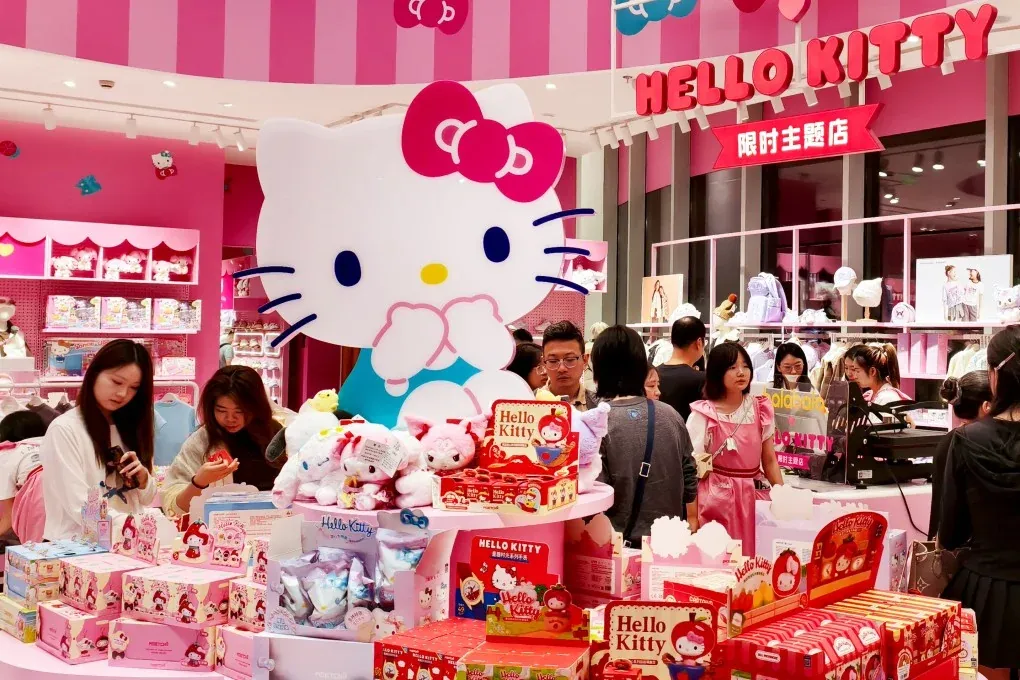
The collaboration sold character goods featuring familiar Sanrio mascots dressed in costumes associated with VIVANT. Reporting by Reuters identifies Hello Kitty among the characters used in the soft-toy range. The issue was not a scene in a Sanrio television show. It was the association created by placing characters known for friendliness and cute merchandise alongside a dramatic espionage franchise.
Sanrio's Shanghai subsidiary addressed the criticism on Chinese social media on October 28. The parent company followed with a Japanese-language notice on October 29, apologizing for concern caused by the collaboration and saying it had judged some associated content incompatible with its corporate philosophy. The notice says current initiatives, subsequent developments and promotional work connected to the tie-up would stop.
The announcement does not spell out a universal refund policy, a country-by-country inventory plan or whether individual customers who already received merchandise must take any action. Buyers should check the retailer or distributor handling their order rather than assuming a particular remedy. The decision also does not amount to Sanrio withdrawing its characters from the Chinese market.
Why did VIVANT trigger criticism in China?
VIVANT is a Japanese live-action spy thriller produced by TBS. Its second season includes a fictional Chinese intelligence organization and violent treatment of Japanese operatives. Chinese state media criticized that portrayal, arguing that it invoked memories of atrocities committed by Japanese forces during the Second World War while casting Chinese characters as perpetrators. The criticism then expanded to the Sanrio-branded merchandise.
The distinction between the on-screen story and the response to it is important. The series presents fictional characters and events. Critics objected to what they regarded as the historical and political implications of that fiction, particularly when characters marketed to families appeared in the tie-in. This is a documented controversy, not evidence that every viewer in China shared the same interpretation.
TBS president Masamine Ryuho defended the program as fiction and said the broadcaster did not intend to disparage a country, according to The Japan Times' October 29 report. That position differs from the objections raised by Chinese commentators. Neither position changes the central commercial fact: Sanrio chose to end its own collaboration.
The wider diplomatic climate helps explain the sensitivity but should not be confused with proof of a coordinated consumer response. The Guardian's reporting places the dispute against strained China-Japan relations. The cancellation itself is supported by Sanrio's statement, so readers do not need to rely on speculative claims about government orders or anonymous online campaigns.
Why should anime and character-brand fans care?
Hello Kitty is not defined by a single anime storyline. Sanrio's characters move between merchandise, animation, games, concerts, themed spaces and partnerships with other entertainment properties. That flexibility is part of their reach, but it also means the meaning of a character can change depending on the company or story placed next to it. A licensing deal can become controversial even when the character's original creators did not write the disputed program.
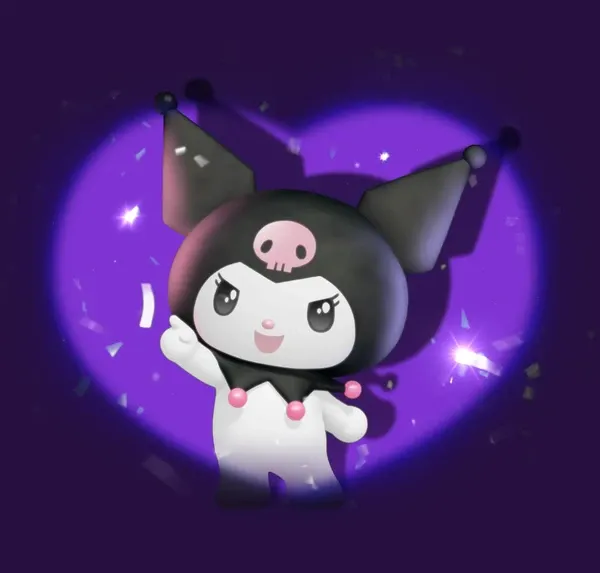
The timing is striking because Sanrio is also expanding its screen projects. AnimeSparks recently covered Kuromi's first starring theatrical anime movie planned for 2027. That announcement is a separate production, and there is no reported link between the film's plans and the VIVANT cancellation. Bringing the stories together shows how much broader Sanrio's business is than any one partnership.
The same question of who controls a character's public meaning appears in other media disputes, although the circumstances differ. Our report on the US Education Department's Star Wars post and artwork associated with a Death Note artist concerns questions of visual attribution and reuse, not the licensing decision Sanrio made here. In both cases, audiences cared about the context in which recognizable creative work appeared.
Anime's international business is expanding, as explored in our report on the Japanese animation market's record 2025 figures. That growth increases opportunities for cross-border distribution and licensing, but it does not make every local audience react in the same way. A successful character partnership in one territory can encounter a different cultural response elsewhere.
What has been confirmed, and what remains unclear?
Confirmed: Sanrio announced the end of the VIVANT collaboration on October 29 and said it would strengthen future partnership checks. Multiple outlets, including AFP and Reuters, independently reported the decision and the criticism that preceded it. The dispute involves a live-action TBS drama and Sanrio merchandise. The show itself was not reported canceled by Sanrio.
Unclear: the final financial impact, how remaining stock will be handled in every market, and whether the incident will lead to specific new rules for future character licensing. No verified evidence in the sources reviewed establishes that all Sanrio collaborations with Japanese television have been suspended. Claims of an across-the-board Hello Kitty ban would go beyond what the company announced.
What the decision says about global character licensing
Sanrio had competing considerations. It could maintain a partnership on the principle that a fictional drama should not be treated as a political statement, or it could protect a family-oriented brand from an association that part of its audience found painful. The company chose the latter. That choice can be understood as a brand-protection decision without assuming that everyone agrees with the criticism of the series.
For entertainment companies, the practical lesson is not that every controversial story must be avoided. It is that a character's appeal, the partner property's themes and the markets where merchandise is sold all deserve scrutiny before a crossover is launched. Sanrio has publicly promised a stronger review process, but its precise changes have not yet been detailed.
The next meaningful update would be a specific notice about outstanding merchandise or a documented revision to Sanrio's licensing procedures. Until then, the most accurate summary is straightforward: the VIVANT tie-up is over, the criticism and the broadcaster's response are on record, and the status of unrelated Hello Kitty and Kuromi projects has not changed because of this announcement.
Frequently asked questions
Frequently asked questions
Did China ban Hello Kitty?
No blanket Hello Kitty ban is established by Sanrio's October 29, 2026 notice. The company ended a specific merchandise collaboration with the live-action drama VIVANT.
Was VIVANT canceled because of the controversy?
Sanrio canceled its character-merchandise partnership with VIVANT. The announcement did not say that broadcaster TBS had canceled the television drama.