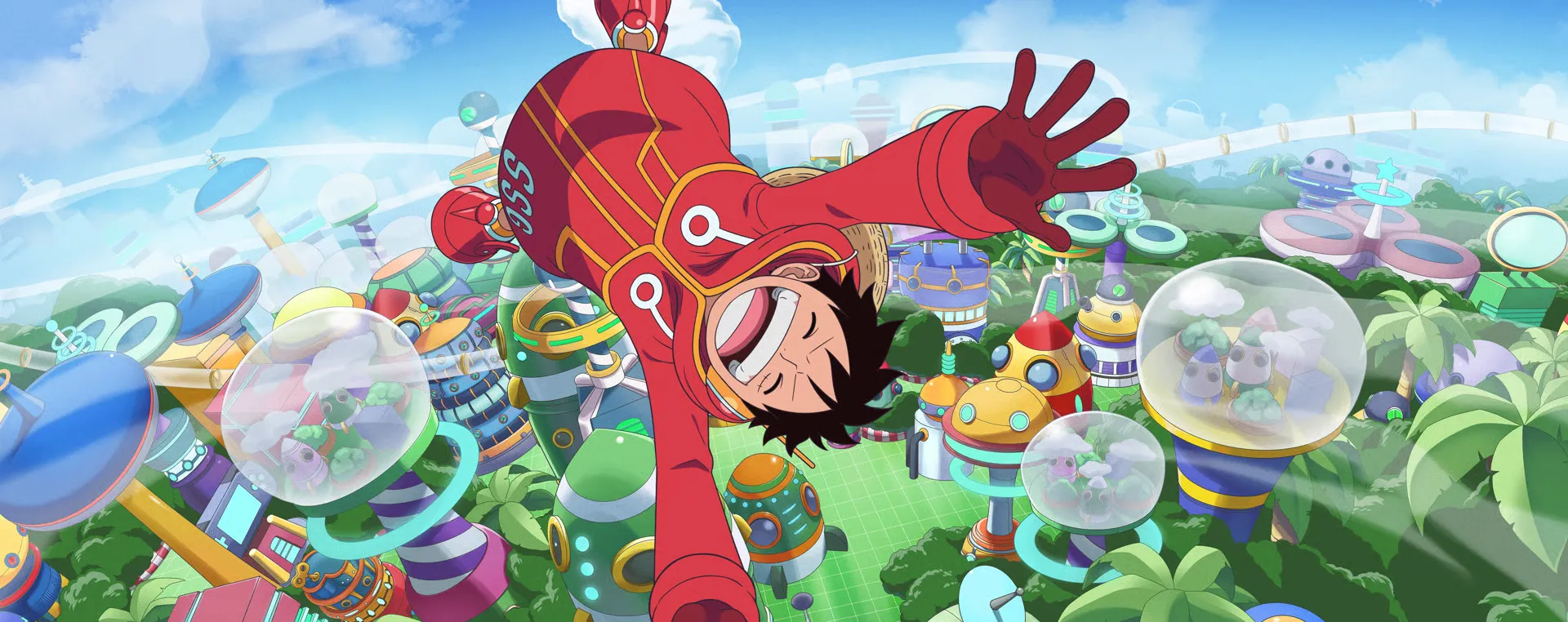

One Piece anime episode 1155 marks the start of a hiatus before the next season
Home/Anime News & Updates/Why Is One Piece Anime Going on a Hiatus After Episode 1155?

Why Is One Piece Anime Going on a Hiatus After Episode 1155?

R

Rushabh Bhosale

15 views
Share:

Last updated on January 27, 2026
After decades of near-constant weekly episodes, the One Piece anime is finally pressing pause. With Episode 1155 marking the end of the current season, the series is officially going on a hiatus until April. For fans who have followed the Straw Hats week after week, the announcement naturally brings mixed emotions: concern, curiosity, and a lot of questions.

This pause directly sets the stage for the anime’s next phase, which begins with the Elbaph Arc, a long-teased storyline that marks One Piece’s shift into a seasonal release format and the start of its Final Saga momentum.

Episode 1155 as a natural stopping point
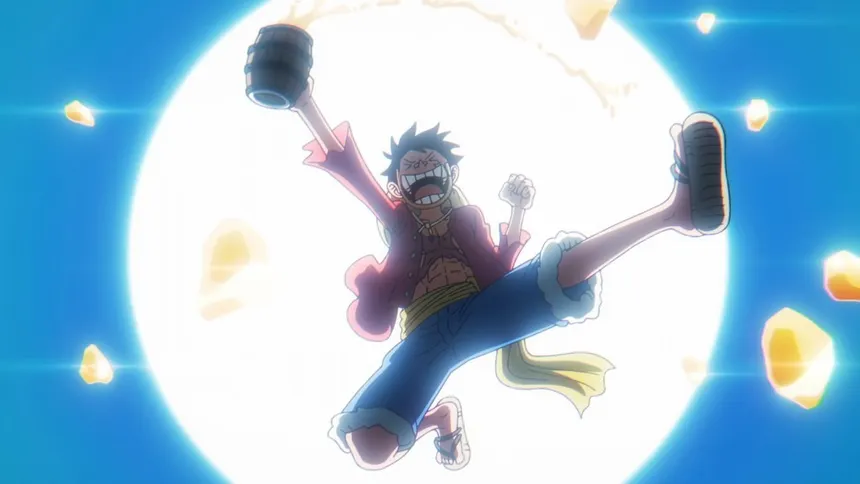
onepiece going on hiatus


Episode 1155 doesn’t just add another number to One Piece’s massive episode count. It works as a clean narrative pause, closing out the current phase of the story before the next major stretch begins. That matters more than it might seem.

Long-running anime rarely get ideal stopping points. Many series are forced into filler arcs or awkward slowdowns simply to stay on air. One Piece, however, has reached a moment where stopping feels intentional rather than disruptive. Ending here allows the story to reset without breaking immersion or undermining what came before.

With the story now dealing more with legacy, power, and long-promised confrontations, even long-standing debates like whether Mihawk is actually stronger than Shanks feel more relevant than ever.

From a production standpoint, this is crucial. Continuing immediately would have meant pushing forward under tight timelines, something that historically leads to stretched scenes, repeated shots, and uneven pacing. Stopping here avoids those pitfalls before they become unavoidable.

The pacing problem One Piece has always faced

One Piece’s biggest challenge has never been its story. It has always been time.

Fans have largely accepted this as part of the One Piece experience, but acceptance doesn’t mean it’s ideal. In fact, many longtime viewers actively skip padded material, which is why guides like The One Piece filler episodes you shouldn’t skip exist in the first place.

The anime has aired weekly for years, often adapting manga chapters at a very slow rate to avoid catching up to the source material. While this approach kept the series running continuously, it came with clear downsides. Over time, viewers became familiar with:

  • Long reaction shots that extend scenes unnecessarily
  • Repeated flashbacks within the same episode
  • Episodes that feel padded rather than purposeful

Fans have largely accepted this as part of the One Piece experience, but acceptance doesn’t mean it’s ideal. As the story moves closer to its most important revelations, pacing issues become harder to ignore. Every moment matters more now than it did years ago.

A hiatus creates breathing room. By increasing the distance between the anime and the manga, future episodes can adapt material more naturally, without the need to slow everything down artificially.

Why a hiatus now makes sense

At this stage in the series, every arc carries weight. Major mysteries, emotional payoffs, and long-running story threads are all converging. Rushing through these moments or diluting them with padding would do more harm than delaying them slightly.

Taking a break allows the production team to plan more carefully. It gives them time to think about how scenes should land, how arcs should flow, and how to maintain consistency across episodes. This kind of planning is difficult when a show is locked into a nonstop weekly schedule.

More importantly, this hiatus isn’t about slowing the story down. It’s about protecting it. Choosing when not to release an episode can be just as important as choosing when to release one. This restraint becomes especially clear when looking at what comes next, with the anime returning in April for the Elbaph Arc, a storyline designed to benefit from tighter pacing and long-term planning.

Industry trends are changing

One Piece isn’t alone in rethinking the weekly release model. The anime industry as a whole has been moving toward more sustainable production methods. Over the past few years, viewers have seen a shift toward:

  • Seasonal formats
  • Planned breaks between arcs
  • Higher expectations for animation quality and consistency

Weekly, year-round schedules are increasingly difficult to maintain without burnout, especially for large productions. Studios are beginning to prioritize long-term quality over constant output, particularly for flagship titles that carry high expectations.


By adopting a more controlled release rhythm, One Piece aligns itself with modern production realities rather than sticking to an outdated model that no longer serves the story as well as it once did.

Fan reactions to the hiatus

As expected, fan reactions have been divided.


Some viewers are frustrated by the wait. After following the anime week to week, stopping until April feels like a long gap, especially for those deeply invested in the current storyline. For newer fans who are catching up, the pause can interrupt momentum.

Others see the hiatus as overdue. Longtime viewers, in particular, understand how demanding the schedule has been and recognize that a pause could help the anime regain some of its sharpness. For them, waiting a few months is a reasonable trade-off for better episodes later.

What’s clear is that most fans understand why this decision was made, even if they don’t enjoy the delay.

What happens during the break?

A hiatus doesn’t mean One Piece disappears.

During this period, the manga continues to move forward, providing plenty of material for discussion and speculation. Without new episodes each week, attention often shifts toward theories, analysis, and revisiting older arcs.

Many fans use breaks like this to catch up, rewatch key moments, or finally explore parts of the series they may have skipped. In that sense, a hiatus can actually strengthen engagement rather than weaken it.

By the time the anime returns, anticipation is likely to be higher than ever.

Does this signal the beginning of the end?

This is a common concern, but the answer is no.

A hiatus does not mean One Piece is ending soon, nor does it suggest production trouble behind the scenes. If anything, it suggests the opposite. The series is being handled more carefully as it enters one of the most important phases of its long journey.


Rather than pushing forward endlessly, the anime is choosing restraint. That choice usually reflects confidence in the story, not uncertainty about it

Why April is a smart return window

April provides a clear and reasonable target for the anime’s return. It gives the studio enough time to build a buffer of episodes, refine animation and storyboarding, and align the release with seasonal schedules.


From a viewer perspective, a defined return window is far better than an open-ended break. Knowing when to expect new episodes helps maintain interest without creating uncertainty or fatigue.

One Piece has earned this pause


After more than 1,155 episodes, One Piece has proven its staying power. Very few series in any medium have maintained relevance for this long without burning out creatively.


A hiatus at this scale isn’t a failure. It’s an acknowledgment that sustaining quality over time requires adaptation. Slowing down now helps ensure that future arcs land the way they’re meant to, without unnecessary compromises.

Final thoughts

The hiatus after Episode 1155 may feel inconvenient, but it’s ultimately a strategic decision rooted in care for the story. One Piece isn’t stopping. It’s preparing.

When the anime returns in April, it won’t just be another episode release. It will be the continuation of a story that chose patience over pressure, and that choice may make all the difference.

Tags

Brook & Gunko's Past Explained
Next in Anime News & Updates

Next up

Brook & Gunko's Past Explained | Princess Shuri Revealed

The Elbaf arc has dropped one of One Piece's most shocking revelations—the tragic connection between Brook and Gunko. What began as a musical obsession has unraveled into a heartbreaking tale of royalty, betrayal, and suppressed memories spanning over 50 years. Here's everything we know about Brook and Gunko's mysterious past, including the latest Chapter 1173 manga spoilers revealing her true identity. Who Is Brook? The Soul King's Hidden Past Brook is the Straw Hat Pirates' musician and ninth crew member, but his journey to Luffy's side is layered with tragedy most fans don't fully appreciate. Before the Rumbar Pirates Born 90 years ago, Brook served as the battle convoy leader for an unnamed kingdom in the West Blue. He received formal education and developed exceptional swordsmanship alongside his musical talents. More importantly, he served directly under a king he considered his benefactor—someone who shaped his entire worldview. During this period, Brook's life intersected with a young princess who would eventually become the Holy Knight Gunko. The Rumbar Pirates Tragedy About 52 years ago, Brook joined the music-themed Rumbar Pirates. They befriended Laboon, a baby Island Whale, promising to return after sailing the Grand Line. When disease struck half the crew, Brook became captain. In the Florian Triangle, enemy pirates attacked with poisoned weapons. As crewmates slowly died, Brook recorded "Binks' Sake" on a Tone Dial—a final song for Laboon. They died one by one while playing, each with a smile. Brook's Yomi Yomi no Mi returned his soul to his decomposed skeleton. He drifted alone for 50 years until meeting the Straw Hats. Who Is Gunko? The Holy Knight with a Broken Past Saint Manmayer Gunko initially appeared as another ruthless Celestial Dragon antagonist. But Eiichiro Oda has gradually revealed something far more complex. Powers and Abilities Gunko wields the Aro Aro no Mi (Arrow-Arrow Fruit), creating dark energy arrows that bind and control opponents. She single-handedly defeated Nami, Usopp, Jinbe, and Brook, plus critically injured Scopper Gaban, the Roger Pirates' former number three. Her most terrifying ability isn't her own—Imu can possess her body remotely, channeling their full power including Conqueror's Haki and the mysterious "Abyss" that transforms giants into demons. The Manmayer Family Mystery Initially, Gunko's introduction lacked the "Saint" honorific other Celestial Dragons receive, sparking massive speculation. Volume 112 corrected this, officially naming her Saint Manmayer Gunko. The Manmayer Family is one of the original twenty royal families who became Celestial Dragons. An unnamed Manmayer woman appeared during the God Valley Incident 38 years ago. Given Gunko's youthful appearance despite being approximately 80 years old, immortality granted by Imu seems likely. The Connection: When Brook Met Gunko The first hint came in Chapter 1147 when Gunko captured several Straw Hats. Her singular demand? Brook as her personal music slave. An Obsession Rooted in Memory Gunko was shown listening to Brook's "New World" as a ritual. When they met, her fan obsession turned violent—she wanted to enslave Brook to make music eternally. When Brook refused, Gunko kicked him brutally but visibly felt pain in her heart. This wasn't physical discomfort—it was emotional anguish suggesting a deeper connection. Brook also seemed to recognize her but couldn't place where. Chapter 1149: The Flashback Truth emerged when Gunko captured Scopper Gaban and his son Colon. As Colon cried out for his father, Gunko experienced a memory breakthrough showing: A young girl (Gunko) crying out for her father while being taken away That girl dancing to Brook's music as he (in human form) shared his pirate dreams This occurred over 50 years ago, before Brook joined the Rumbar Pirates. Imu immediately possessed Gunko when these memories surfaced, preventing reconnection with Brook. Chapter 1173: Princess Shuri Revealed The latest spoilers have revealed Gunko's true identity—and it's devastatingly tragic. "Princess Shuri, The Father-Killing Princess" When Brook faces Gunko directly, recognition clicks. He addresses her by her real name—Princess Shuri (or Sherry). He recognizes her blue hair, heterochromatic eyes, Holy Land connection, and love for his music. Brook realizes if this is the same Princess Shuri, she should be 80 years old—her youthful appearance confirms Imu's immortality gift. But Brook's next words drop the bombshell: he calls her "The Father-Killing Princess," revealing she murdered her own father—the king Brook served. This wasn't just any king. Brook describes him as his "Onjin"—his benefactor and inspiration, mirroring what Shanks means to Luffy. The king shaped Brook's entire life and values. The circumstances remain unclear: Did Shuri kill her possessed father, like theories about Loki? Was the king abusive? Did Holy Knights orchestrate it for recruitment? Regardless, the act destroyed Brook's world. The man he owed everything to died by the hand of the princess he may have protected. This trauma likely drove Brook to finally pursue piracy. Gunko Fights Back Upon hearing her true name, Gunko's consciousness breaks through Imu's control briefly. She releases Brook and the Straw Hats from her arrow restraints, desperately shouting at Brook to run. Even as Imu forces her to attack, part of Gunko remembers who she was. This confirms Princess Shuri isn't gone—she's buried beneath brainwashing and forced servitude. The Likely Timeline 56+ Years Ago: Brook serves the king, bonds with Princess Shuri through music. The Patricide: Shuri kills her father. The kingdom falls. She's taken by Holy Knights, brainwashed, and granted immortality. 38 Years Ago: Active during God Valley Incident. 52 Years Ago: Devastated, Brook joins Rumbar Pirates. Present: Recognition after 50+ years. Why This Revelation Matters Brook Gets Real Development Brook has received minimal character development since joining. The Gunko reveal gives him personal stakes in the Final Saga, finally exploring his mysterious past. Gunko's Redemption Setup Gunko's suppressed memories and resistance moments make her a sympathetic antagonist—a victim brainwashed for 50+ years. She may become a Straw Hat ally, continuing the pattern of redeemed antagonists. Imu's True Power Gunko's possession reveals Imu can fully control bodies remotely. Why her specifically remains unclear—physical resemblance to Nefertari D. Lily, immortality, or blood connection? Holy Knights' Origins Not all Holy Knights are born Celestial Dragons. Some are forcibly recruited and elevated, raising questions about other members' backgrounds. Parallels and Themes Brook's Double Promise Both Laboon and Gunko involve promises and long separations. Brook promised to return to Laboon but was prevented by death. He may have promised to protect Princess Shuri but was prevented by patricide and departure. Now Brook can fulfill the promise he couldn't keep—saving someone from his past. Music as Memory Throughout One Piece, music triggers memories and emotions. Brook's songs reached Laboon across decades. Now his music has reached through Gunko's brainwashing to touch Princess Shuri's buried consciousness. This reinforces One Piece's core theme—bonds created through shared joy can survive even the cruelest separations. What Happens Next? Based on spoilers and narrative setup: Brook will likely refuse to give up on Princess Shuri. His Laboon experience taught him that promises matter across impossible distances. Expect emotional confrontation where Brook appeals to Princess Shuri through music—the one thing breaking through conditioning. Gunko shouting at Brook to run while possessed shows she's fighting back. This struggle will intensify, possibly culminating in her breaking free. Luffy's arrival might be the catalyst. His ability to inspire freedom from oppression has been consistent. If anyone can help Gunko reclaim identity, it's Luffy. If Gunko switches sides, it weakens Holy Knights and provides crucial intelligence about Imu's abilities. Her knowledge of the Holy Land, Imu's powers, and World Government inner workings could be invaluable in the coming war. Brook's Complete Timeline 90 years ago: Brook is born 70-65 years ago: Becomes battle convoy leader 60-56 years ago: Serves King, mentors Princess Shuri 56 years ago: Princess Shuri kills her father, is taken; Brook devastated 52 years ago: Joins Rumbar Pirates 50 years ago: Rumbar Pirates die; Brook revives as skeleton 8 years ago: Gecko Moria steals shadow 2 years ago: Joins Straw Hats, becomes "Soul King" Present: Confronts Princess Shuri in Elbaf This transforms Brook from comic relief into a character with one of the deepest, most tragic histories—spanning nearly a century of loss and perseverance. The Emotional Weight Imagine seeing someone you protected as a child transformed into a weapon serving the system that destroyed her life. Brook already carries guilt from failing his crewmates and leaving Laboon waiting 50 years. Princess Shuri is another broken promise—but unlike dead crewmates, she's here now, still fighting to return. This gives Brook a rare chance at present redemption. Why This Story Resonates The Brook-Gunko storyline embodies One Piece's greatest strengths: Long-term Storytelling: Oda planted seeds about Brook's pre-pirate life in Thriller Bark. Over 15 years later in real time, those seeds bloom into major plot. Moral Complexity: Neither Brook nor Gunko is simply good or evil. Both made choices shaped by impossible circumstances. The patricide may have been justified—we don't know yet. Emotional Depth: This isn't just action. It's about trauma, suppressed memories, broken promises, and redemption after decades of suffering. Thematic Consistency: Music, memory, and the power of connections to survive separation—all core One Piece themes—weave throughout this narrative. Conclusion: A Song Yet Unfinished Brook's story has always been about promises and music. He promised Laboon he'd return. He promised his crew he'd deliver their final song. And somewhere, decades ago, he likely promised to protect a young princess who loved his music. The first promise remains unfulfilled but within reach. The second was completed when he joined the Straw Hats. And now, the third—long forgotten—has suddenly resurfaced as most urgent. Princess Shuri is still alive, buried beneath Gunko's brainwashing, crying out through brief consciousness moments. Brook has a chance to save her, to finally keep one of his promises before it's too late. As the Elbaf arc intensifies, watch for the inevitable moment when Brook plays music for Gunko one more time—not as her captor or enemy, but as the man who once made a little princess laugh in a kingdom that no longer exists. That song might be the key to breaking Imu's control and bringing Princess Shuri home. After all, in One Piece, a promise is never truly broken as long as someone still remembers it. And Brook, the undead skeleton who exists only because of promises to the dying, will never stop remembering. Dive deeper into One Piece mysteries with our analysis of why Meruem is more human than the hunters, discover why Eren started the Rumbling, or understand Yhwach as Bleach's most dangerous villain. For more One Piece content, learn about the Elbaph arc setup or discover One Piece filler episodes worth watching.

Filed 7 Feb 2026