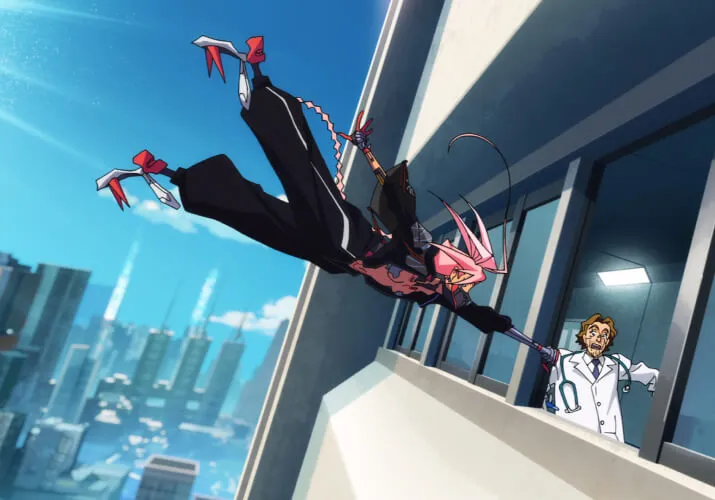

Cyberpunk: Edgerunners 2 is not simply a weaker or stronger copy of the first season. After all ten episodes arrived on Netflix on October 20, 2026, viewers began arguing about a real creative trade-off: the original tells a focused, devastating rise-and-fall story, while the follow-up divides its attention among people trying to survive, recover or find meaning in Night City. My verdict is that Season 1 is the tighter drama, but Season 2 is the more adventurous experiment. Which one works better depends on what you value, not on a supposed fan consensus.
This comparison is mostly spoiler-light. It discusses themes, protagonists and structure, but avoids spelling out the new season's ending. The question is especially timely because the official premiere announcement confirms the full ten-episode release, while the October 21 Anime Corner review and recent viewer threads show that pacing and character attachment are genuine points of disagreement.
First, these are different stories, not one continuous character arc
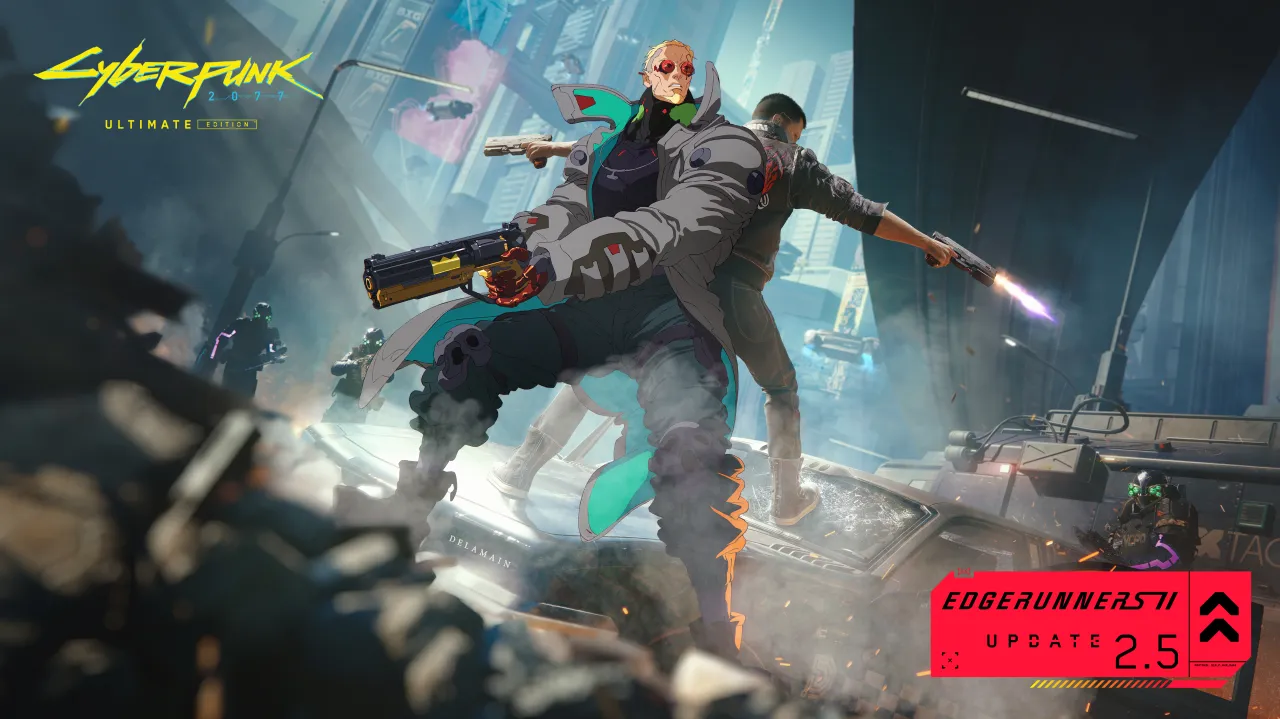
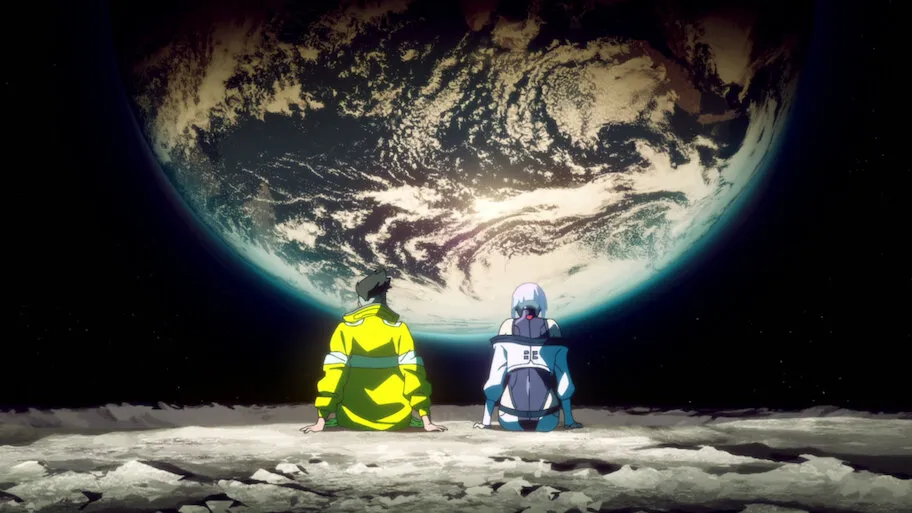
The first Edgerunners follows David Martinez, whose sudden entry into mercenary life makes him a useful guide to Night City's seductive promises and ruthless costs. His connection with Lucy gives the escalating danger a clear emotional center. Season 2 does not bring David back as its protagonist. Netflix's official introduction describes a standalone story with a fresh crew, and CD PROJEKT RED identifies its intersecting perspectives as a veteran edgerunner, a young film enthusiast, a chrome-obsessed delinquent and a Snake Nation netrunner.
That distinction matters when someone asks whether the sequel 'ruined' the original. A different cast is not a retcon, and a change of storytelling style is not proof of inferior craft. The studio and publisher announced the standalone direction long before release. The fairer test is whether the new approach accomplishes what it sets out to do.
Storytelling: Season 1 wins for focus
Season 1 has a strong narrative engine: David wants a place in the city and a future with Lucy, but each success brings another cost. The action, romance and tragedy reinforce one another. Even when the pacing is breathless, the viewer usually knows whose decision is driving the next disaster. That clarity makes its emotional payoff unusually memorable for a short anime.
Season 2 deliberately disperses that attention. Weak Kingsley, D., Talia and Roman do not all want the same thing, and their lives illuminate different forms of damage and aspiration. There is a legitimate upside: Night City feels less like the backdrop to one doomed hero and more like a machine processing many lives at once. The drawback is that ten episodes offer limited space for every arc to settle.
That is also the most persuasive criticism in the Anime Corner review and in a detailed October 21 viewer critique. The complaint is not merely that David is missing. It is that the sequel introduces several compelling lives without always giving their relationships equal development. I think the criticism has merit, even though the wider canvas is part of the appeal.
Characters: David and Lucy versus a fractured ensemble
David and Lucy give the first series an immediate emotional shortcut: their desires can be understood together, and the surrounding crew gains significance through that bond. Rebecca and Maine also stand out because they influence David's choices. This is efficient character writing, not necessarily evidence that every supporting character receives more depth than the sequel's cast.
The second season asks viewers to connect through contrasting obsessions instead of one central relationship. D.'s pursuit of revenge, Kingsley's damaged reputation, Talia's struggle for time and Roman's interest in recording life suggest different answers to the same question: what is a life worth in a city that turns everything into a product? I find that idea richer than a simple repeat of David's trajectory. I also find its execution less consistently affecting.
A viewer defense posted October 23 argues that the second season should be read as a story about damaged people trying to live rather than mercenaries chasing legend. Another spoiler-light discussion praises the multiple viewpoints while acknowledging concerns about the short runtime. These are individual reactions, not evidence that the whole fandom agrees.
Animation and direction: Season 2 takes the bigger risk
Both series benefit from TRIGGER's appetite for visual exaggeration, but they do not look or move as though they were directed by the same person. Hiroyuki Imaishi directed the original; Kai Ikarashi leads the follow-up. CD PROJEKT RED's production announcement explicitly describes that creative handover. The sequel leans into a different rhythm and visual identity, with its fragmented storytelling reflected in its shifting perspectives.
Calling one objectively better animated would require more than a favorite fight scene. A fair comparison asks whether the visual choices serve the story: the first season's explosive escalation suits David's accelerating collapse, while the sequel's restless style complements its broader, less stable viewpoint. For sheer consistency between narrative and momentum, I give the first season a narrow edge. For experimentation, I prefer the second.
Themes and ending: tragedy is not the only measure of impact
The first season's power comes partly from how clearly it dismantles the fantasy of becoming a Night City legend. But demanding that every follow-up hurt in exactly the same way would reduce the setting to a single emotional trick. Writer and producer Bartosz Sztybor has described the two installments as connected but differently oriented, as reported in a recent creator interview.
The sequel's emphasis on redemption gives it permission to seek a different kind of catharsis. Some viewers find that refreshing; others find the emotional turns less earned because the ensemble receives less time. An October 25 fan response praises its atmosphere and emotional range while still wishing for more episodes. That mixture is more revealing than reducing reception to 'everyone hates it' or 'the critics are wrong.'
Is Season 2 worth watching if you loved Season 1?
Yes, provided you expect an anthology-like follow-up rather than David and Lucy's next chapter. The new story stands alone, so newcomers can follow its main conflict, but watching the original first gives its thematic reversals more weight. If you are deciding when to start, our Cyberpunk: Edgerunners 2 release guide covers the launch. If the chronology matters to you, our report on the 2078 timeline separates confirmed dates from speculation about the game.
The comparison also shows why cyberpunk anime can thrive without one fixed protagonist. Stories such as our look at Ghost in the Shell's cyberpunk vision explore technology and identity through very different narrative methods. Night City is similarly flexible: it can support a personal tragedy and a sprawling portrait of people surviving the same system.
The verdict: Season 1 is better constructed, Season 2 is more daring
Judged by focus, character relationships, pacing and emotional payoff, I would recommend Season 1 first and rate it higher overall. Judged by willingness to explore new corners of the world and refuse an easy sequel formula, Season 2 deserves serious credit. Neither verdict is canon or a measurable fact. The useful question is not which season has more suffering, but whether the story's structure earns the feelings it asks us to have.
Five days after the October 20 premiere, there is already enough documented disagreement to make this a worthwhile debate, but not enough to claim a settled consensus. Both seasons are available on Netflix. Give the new crew its own chance, then decide whether Night City is more compelling as one doomed person's story or as a city full of competing, unfinished lives.
Frequently asked questions
Frequently asked questions
Is Cyberpunk: Edgerunners 2 a continuation of David and Lucy's story?
No. It is a standalone story with a new cast in the same Night City setting.
Is Edgerunners Season 2 better than Season 1?
That is subjective. Season 1 has a more focused central arc, while Season 2 experiments with multiple viewpoints and different themes.
Do you need to watch Cyberpunk: Edgerunners Season 1 before Season 2?
Season 2 was designed to stand alone, but Season 1 adds thematic context and is the recommended starting point.
Sources & references9 sources
- CD PROJEKT RED, official Edgerunners 2 premiere and four-character story, October 20, 2026
- Netflix Tudum, standalone second season and new crew, August 21, 2026
- CD PROJEKT RED, official standalone announcement and creative handover, July 5, 2025
- Anime Corner, Cyberpunk Edgerunners 2 review, October 21, 2026
- GamesRadar, creator on the different directions of seasons one and two, October 2026
- Reddit r/Edgerunners, viewer criticism of pacing and character development, October 21, 2026
- Reddit r/cyberpunkgame, fan defense of the different stories, October 23, 2026
- Reddit r/Edgerunners, viewer debate over comparisons, October 21, 2026
- Reddit r/Edgerunners, positive season-two response, October 25, 2026