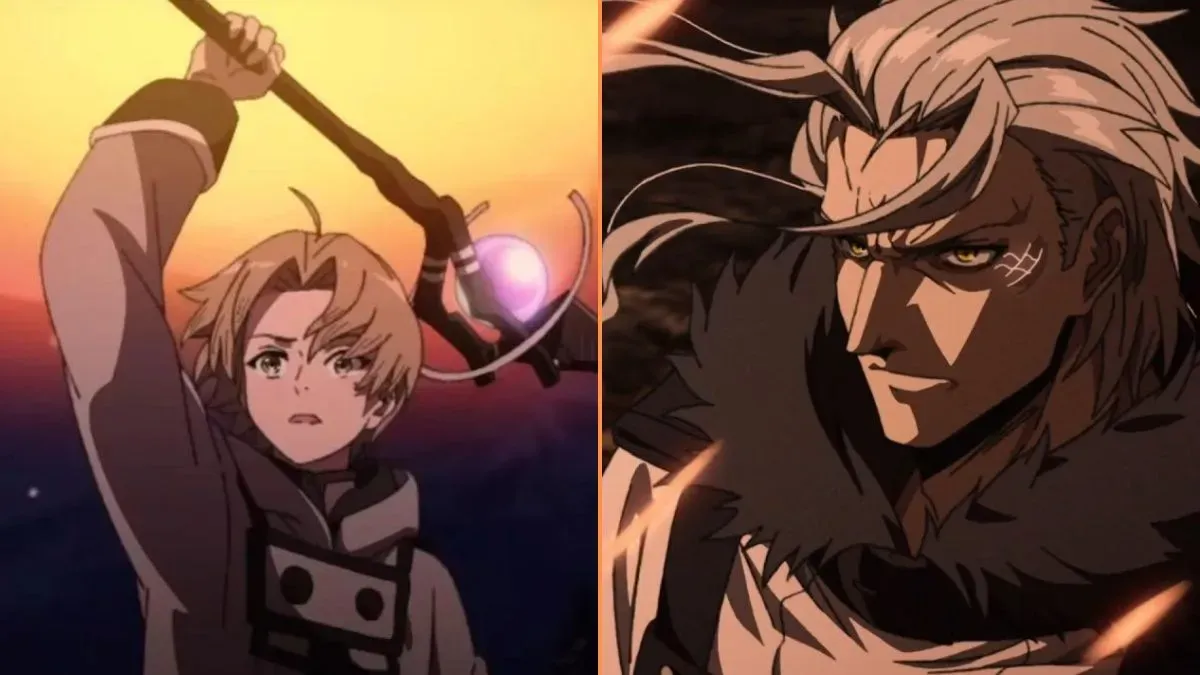
The Seven Great Powers are the most famous combat ranking in Mushoku Tensei: Jobless Reincarnation: seven legendary positions associated with warriors whose strength sits far beyond ordinary adventurers, mages, and swordsmen. At the point when the ranking is introduced, the order is Technique God, Dragon God, Fighting God, Demon God, Death God, Sword God, and North God.
That list looks simple. The lore behind it is not. A position can change hands, a title is not necessarily the same thing as a conventional magic or swordsmanship rank, and the number beside a name should not be treated as a perfect mathematical measurement of every possible matchup.
This guide explains the Seven Great Powers in their established order, what makes each position frightening, and why Orsted complicates any attempt to read the monuments as an infallible strongest-character list.
Major Light Novel Spoiler Warning: The sections below discuss identities, abilities, and developments well beyond the currently adapted anime material. Anime-only viewers should stop after the quick table if they want to avoid future-story spoilers.
Quick Ranking: Who Are the Seven Great Powers?
| Rank | Title | Holder at the ranking’s introduction | Defining threat | | --- | --- | --- | --- | | 1 | Technique God | Technique God Laplace | Extraordinary combat knowledge and technique | | 2 | Dragon God | Orsted | Overwhelming all-round combat ability | | 3 | Fighting God | Fighting God / Fighting God Armor | Extreme physical combat and armor-based power | | 4 | Demon God | Demon God Laplace | Enormous magical power and destructive potential | | 5 | Death God | Randolph Marianne | Lethal, deceptive swordsmanship | | 6 | Sword God | Gal Farion | Supreme offensive sword speed and technique | | 7 | North God | Aleksander Rybak, Kalman III | Adaptability, unusual techniques, and battlefield versatility |
The first detail worth noticing is Laplace. The Technique God and Demon God are connected to the two halves produced by the division of the original Demon Dragon God Laplace. That is why “Laplace” can appear twice in discussions of the Seven Great Powers without the ranking simply duplicating one person.
How the Seven Great Powers Ranking Works
The Seven Great Powers were established after the Second Human-Demon War. Technique God created the ranking and monuments bearing the emblems of the seven powers serve as the world’s record of those positions. When the holder of a position changes through the system’s rules, the monuments update accordingly.
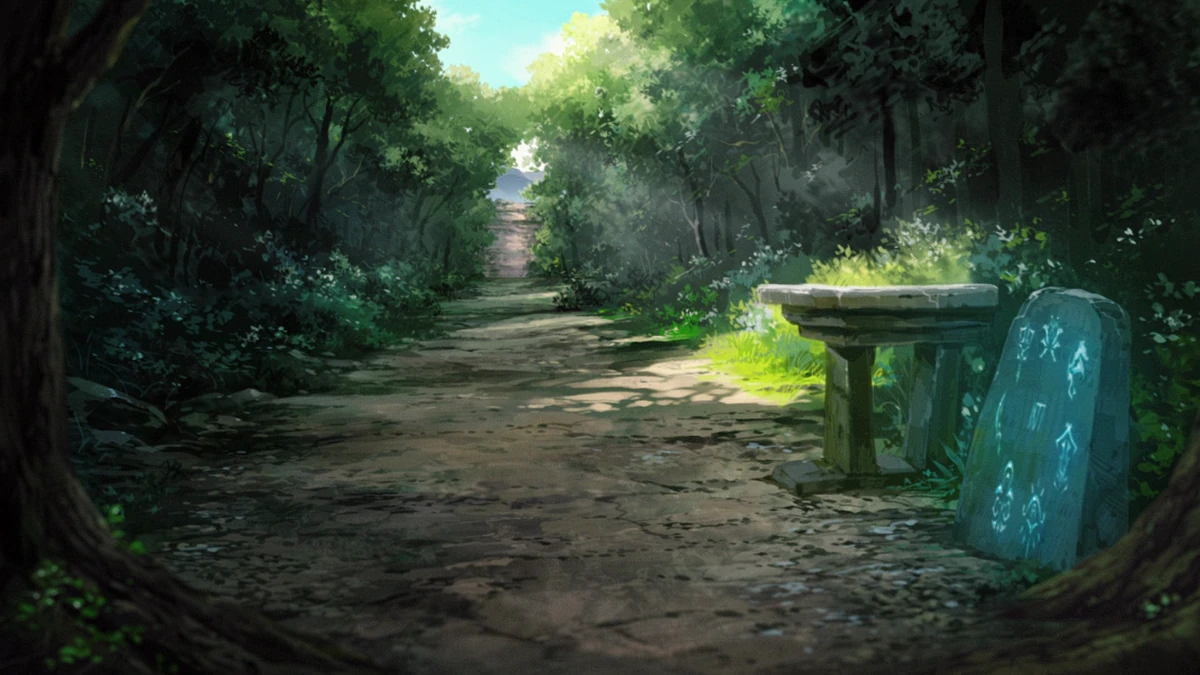
This makes the list more than folklore. In-universe, it is an institution with history and succession.
But it has an important limitation: rank is not a complete combat equation. Mushoku Tensei repeatedly treats strength as a combination of technique, equipment, information, matchup, preparation, experience, and circumstance. The Seven Great Powers identify exceptional fighters, but a lower number does not automatically answer every hypothetical duel.
That distinction matters most near the top of the list.
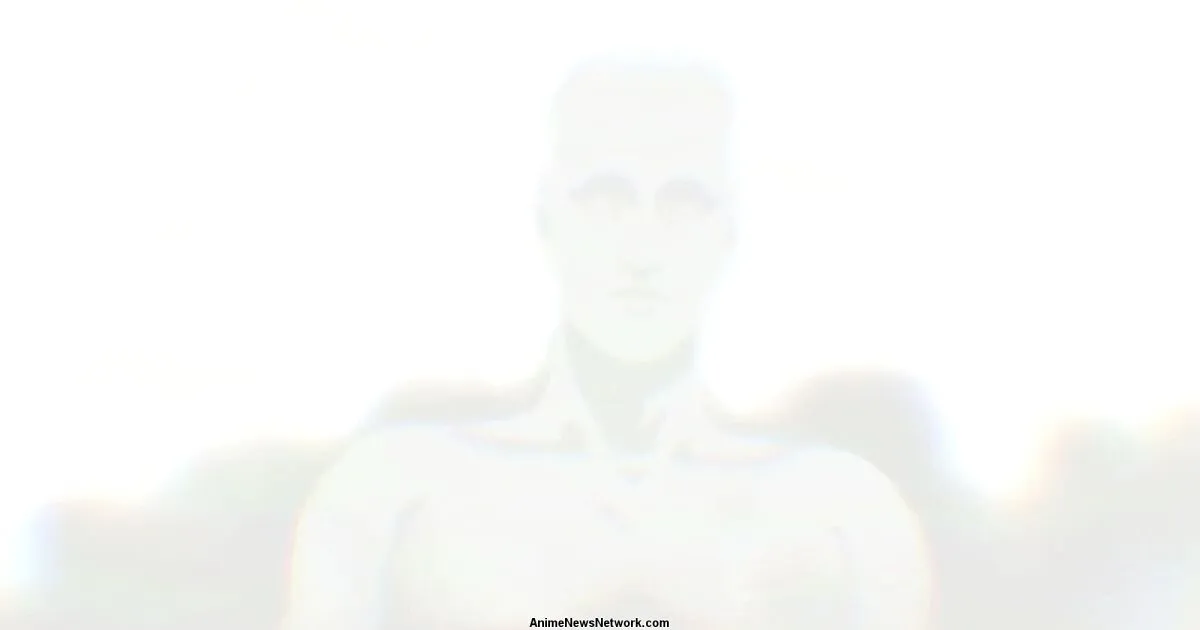
1. Technique God — Laplace
Technique God occupies the first position on the Seven Great Powers monuments. This identity is associated with the technique-oriented half of Laplace after the Demon Dragon God was split.
The title is fitting. Where the Demon God side is associated with tremendous magical capacity, Technique God represents the accumulated martial knowledge and technical side of Laplace. The threat is therefore not merely raw destructive output. It is mastery: knowledge of fighting methods and the ability to understand combat at a level almost nobody else can approach.
Why Technique God Is Ranked First
Technique God’s placement reflects the historical ranking created after the great war. As the figure who established the Seven Great Powers, Technique God sits at the summit of the monument system.
That does not mean readers should automatically conclude that Technique God defeats Orsted under every set of conditions. The ranking is a canonical hierarchy, but Mushoku Tensei gives enough context around Orsted to make “rank one equals guaranteed winner” too simplistic.
Core advantage: unparalleled technical knowledge.
Main uncertainty: much of Technique God’s practical combat ceiling is deliberately less visible than that of characters who fight extensively in the main story.
2. Dragon God — Orsted
Orsted is the character who most clearly demonstrates why the Seven Great Powers should not be read like numerical RPG stats.
As Dragon God, he combines extraordinary physical ability, Dragon Tribe techniques, magic, swordsmanship, battle knowledge, and terrifying efficiency. His encounters establish a huge gap between elite fighters and the level occupied by the very strongest beings in the setting.
Orsted is especially dangerous because he is not dependent on one trick. Against a swordsman, he has the speed and technique to engage directly. Against magic, he possesses knowledge and counters. Against unfamiliar situations, his experience gives him an informational advantage that most opponents simply cannot reproduce.
Is Orsted Actually Stronger Than the No. 1 Technique God?
This is where a careful ranking needs to separate official position from editorial combat assessment.
Officially, Orsted is No. 2. In practical discussions of the strongest active combatants, however, he has a compelling claim to be the most dangerous fighter readers actually see operating in the main story. His limits are also tied to circumstances larger than a single duel, meaning he does not always fight as though spending every resource is irrelevant.
So the cleanest conclusion is: Technique God is canonically ranked first, while Orsted can reasonably be treated as the benchmark for demonstrated all-round combat supremacy. Those statements are not contradictory.
Core advantage: the best overall combination of power, technique, knowledge, and versatility.
Main limitation: resource management matters to Orsted in ways that a simple one-off versus debate often ignores.
3. Fighting God — The Fighting God Armor
The third position is unusual because the Fighting God’s terrifying reputation is inseparable from the Fighting God Armor. The armor is not just defensive equipment. It is a combat system capable of turning its wearer into a relentless physical threat, and later light-novel material makes its importance impossible to ignore.
Badigadi is closely associated with the Fighting God role in the story, but it is more precise to understand the rank through the armor and the state produced when it is fully brought into battle rather than treating “Badigadi without context” as automatically equivalent to the No. 3 position.
Why the Fighting God Is So Difficult to Beat
The key problem is persistence. Tremendous strength is only part of the equation. A fighter facing the Fighting God must deal with the armor’s capabilities, the wearer’s durability and endurance, and the difficulty of ending the battle cleanly.
That makes this rank a good example of matchup-based power. A character may possess devastating attacks and still lack the specific combination of knowledge, damage, and staying power needed to secure a decisive victory.
Core advantage: overwhelming armor-assisted physical combat and endurance.
Main limitation: the exact threat depends heavily on the wearer and the armor’s state.
4. Demon God — Laplace
Demon God Laplace is the magic-oriented half of the divided Demon Dragon God Laplace and one of the central historical threats hanging over the world of Mushoku Tensei.
If Technique God represents knowledge and martial technique, Demon God represents the other terrifying inheritance: immense magical power. His place at No. 4 should not make him seem remotely ordinary compared with the top three. The upper end of the Seven Great Powers operates on a scale where differences in history, condition, and matchup matter as much as a neat numbered ladder.
Demon God Laplace also matters beyond power scaling. His existence shapes nations, racial tensions, military planning, and the long-term direction of the story. Few names in the setting carry comparable historical weight.
Core advantage: colossal magical capability and mana.
Main limitation: the divided Laplace does not possess the complete set of qualities associated with the original Demon Dragon God.
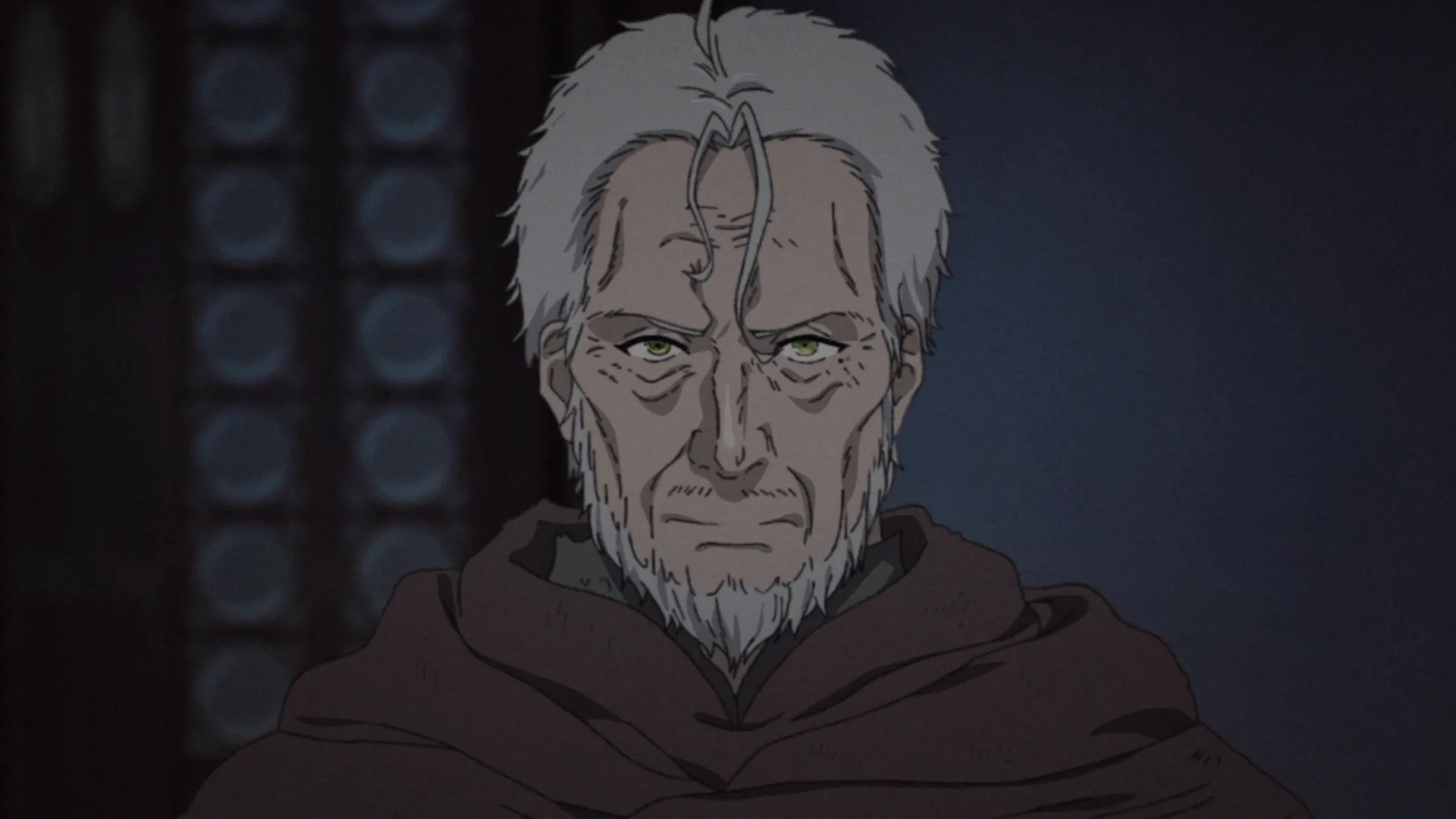
5. Death God — Randolph Marianne
Randolph Marianne is where the ranking begins to feel more recognizably human in scale, but “more human” should not be confused with weak. As Death God, Randolph is a veteran whose danger comes from lethal swordsmanship, experience, deception, and the ability to make opponents hesitate or misread what is happening.
That psychological component is important. Mushoku Tensei does not reserve strength for the person who can create the largest explosion. A fighter who controls the opponent’s decisions can manufacture an opening before the decisive attack even begins.
Why Randolph Is More Dangerous Than His Rank Suggests
Randolph’s style punishes straightforward power comparisons. Against an opponent who knows exactly what he does, some of his advantages can be reduced. Against someone encountering his methods without preparation, his tricks and presence become much more dangerous.
This is precisely why ranking characters only by destructive output misses how combat works in this series.
Core advantage: experience, lethal technique, and psychological disruption.
Main limitation: information about his methods can reduce the surprise that makes them especially effective.
6. Sword God — Gal Farion
Gal Farion represents the brutal philosophy of the Sword God Style: seize the initiative and end the fight before the opponent can establish their own game plan.
At its highest level, the style’s famous offensive techniques turn speed and commitment into killing power. Gal is therefore one of the clearest examples of a specialist among the Seven Great Powers. He does not need the broad magical toolkit associated with Orsted or Laplace if his first decisive exchange ends the battle.
Why the Sword God Can Threaten Higher-Ranked Opponents
Initiative matters. A ranking can say one fighter is stronger overall, but that does not make them immune to a swordsman whose entire discipline is built around an overwhelmingly fast opening attack.
Gal’s weakness is the reverse side of that specialization. If an opponent survives, reads, counters, or prevents the ideal offensive exchange, the matchup becomes much less comfortable.
Core advantage: extraordinary offensive speed and one-strike lethality.
Main limitation: a highly aggressive style creates matchup dependencies against opponents who can neutralize the opening attack.
7. North God — Aleksander Rybak, Kalman III
Aleksander Rybak, commonly identified as North God Kalman III, holds the seventh position when the Seven Great Powers are introduced. His placement at No. 7 is one of the best warnings against interpreting “seventh” as merely the weakest member of a static list.
The North God Style prizes adaptability. Its practitioners are associated with unconventional weapons, tricks, situational tactics, and a willingness to win without insisting on a clean textbook duel. At the highest level, that flexibility makes a North God difficult to prepare for.
Later material also gives Aleksander circumstances and equipment that can dramatically alter how dangerous he is. In other words, the version of a character being compared matters.
Core advantage: adaptability, unusual techniques, and versatility.
Main limitation: his effectiveness varies significantly with experience, equipment, and the exact stage of the story.
Are the Seven Great Powers Literally the Seven Strongest Characters?
Not in the simplistic sense that the list permanently contains the seven beings who would win every possible one-on-one fight.
The monuments represent a recognized ranking system with succession rules and history. They do not continuously simulate every character’s current condition, hidden ability, equipment, matchup, or tactical circumstances. Nor does a title automatically tell us how a battle unfolds when one fighter has advance knowledge of another.
A better way to read the Seven Great Powers is as Mushoku Tensei’s legendary combat hierarchy. Reaching it means entering the setting’s highest recognized class of warriors. Within that class, however, context still matters enormously.
This also explains why later changes to the monuments should be read carefully. Taking a position is canonically meaningful, but it does not magically transfer every ability, feat, or advantage possessed by the previous holder.
Upper Four vs. Lower Three: The Most Important Divide
One of the most useful ways to understand the list is to separate the upper four from the lower three.
The Technique God, Dragon God, Fighting God, and Demon God are tied to extraordinary beings, ancient history, unique bodies or equipment, and powers that sit outside normal expectations for even elite warriors.
The Death God, Sword God, and North God remain monstrous combatants, but their positions are easier to understand through recognizable martial concepts: sword technique, experience, deception, specialization, and adaptable tactics.
That does not mean every upper-rank fighter automatically defeats every lower-rank fighter in every situation. It means the narrative treats the top end as a particularly extreme tier.
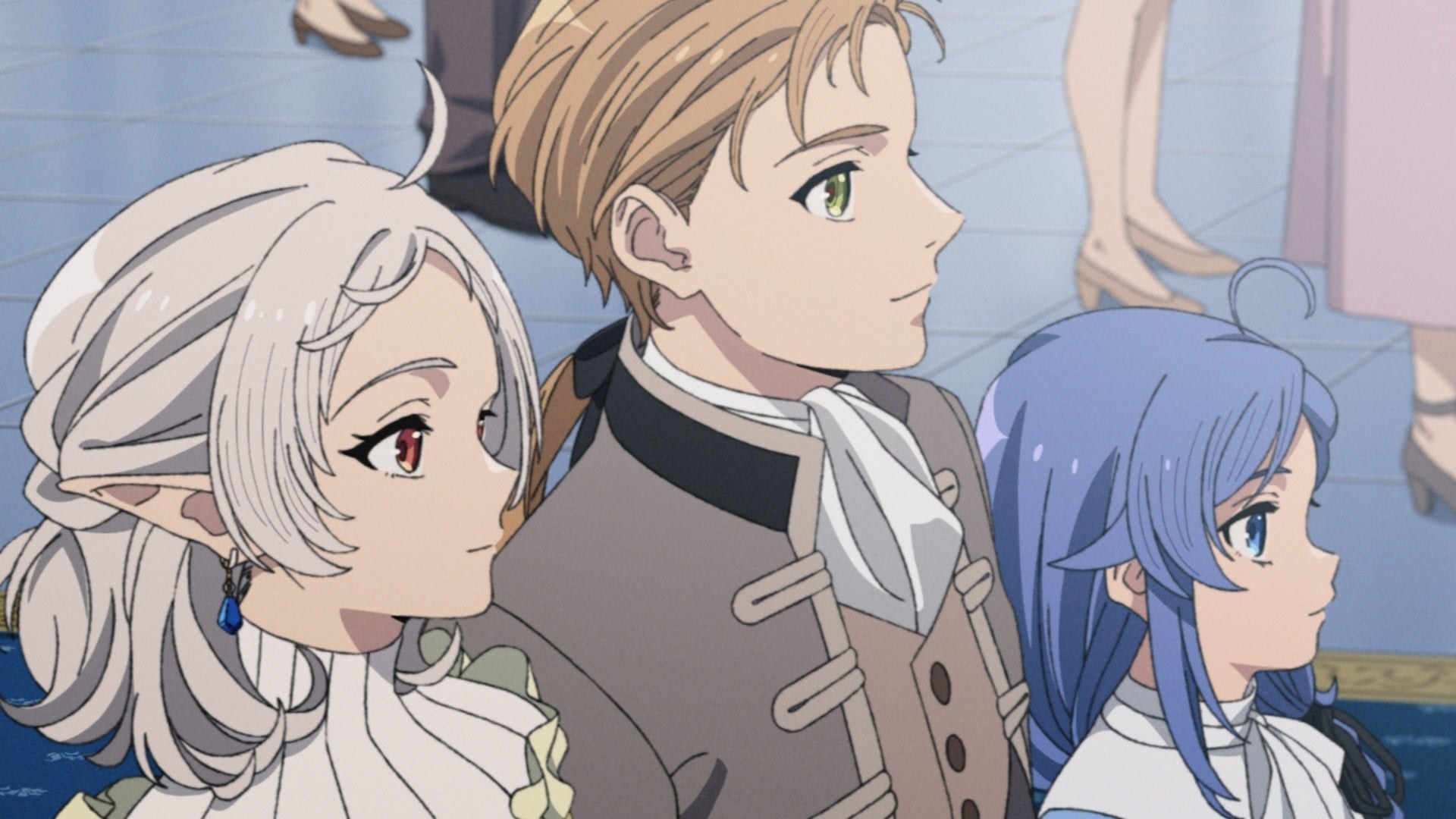
Where Does Rudeus Fit Into the Seven Great Powers?
Rudeus is exactly why readers should distinguish combat potential from conventional warrior rankings.
His enormous mana capacity, voiceless casting, destructive magic, tactical intelligence, and later equipment let him threaten opponents who would annihilate most fighters. At the same time, his body does not naturally function like that of the setting’s greatest close-range warriors. Distance, preparation, armor, surprise, and information can radically change his odds.
Later in the light novel, Rudeus becomes directly relevant to the Seven Great Powers ranking. Explaining the exact change would add another major endgame spoiler, but the important point for power scaling is this: his place in the hierarchy does not mean he suddenly becomes a superior pure duelist to every name below a given number. His strength is unusually dependent on loadout and battle conditions.
The Seven Great Powers Ranked by Practical Threat
If we preserve the canonical monument order, the ranking is straightforward:
- Technique God
- Dragon God Orsted
- Fighting God
- Demon God Laplace
- Death God Randolph Marianne
- Sword God Gal Farion
- North God Kalman III
For practical combat analysis, though, Orsted deserves special treatment. He has the broadest demonstrated package of combat tools among the major active fighters encountered in the story. Technique God remains No. 1 on the canonical ranking, but the text gives readers good reason not to reduce an Orsted-versus-Technique-God discussion to the numbers carved on a monument.
The same caution applies farther down. Gal can be lethal before a more versatile opponent gets started. Randolph becomes more dangerous when his enemy lacks information. Kalman III’s equipment and development can change the matchup. The Fighting God’s threat cannot be separated cleanly from the armor.
That complexity is a strength of Mushoku Tensei’s power system: the list establishes status, while the battles establish context.
Why the Seven Great Powers Matter to Mushoku Tensei’s Worldbuilding
The Seven Great Powers do more than give fans a top-seven list. Early in Rudeus’s journey, the monuments communicate scale. They tell us that the protagonist, despite his exceptional magical talent, exists in a world with people and entities operating far beyond what he initially understands.
That changes how later encounters feel. Meeting a title like Dragon God is not simply meeting another strong adventurer. It means encountering someone whose name belongs to a centuries-old hierarchy recognized across the world.
The system also reinforces one of the series’ better approaches to strength: power is specialized. Swordsmanship, magic, equipment, racial abilities, experience, knowledge, and preparation can all produce different kinds of superiority. There is no single stat that explains every fight.
Readers following the anime toward its next major material can also see our Mushoku Tensei Season 3 release date, story arcs, and details guide for the adaptation side of the franchise.
Frequently Asked Questions
Who is No. 1 among the Seven Great Powers?
Technique God holds the No. 1 position in the established Seven Great Powers ranking.
Who is the Dragon God in Mushoku Tensei?
Orsted is the Dragon God and holds the No. 2 position when the ranking is introduced. He is one of the most formidable all-round combatants in the story.
Is Orsted stronger than the Technique God?
The canonical monuments rank Technique God first and Orsted second. A direct combat verdict is less certain than those numbers suggest because the ranking is not a perfect matchup calculator and Technique God’s full combat showing is limited.
Why is Laplace listed twice?
The original Demon Dragon God Laplace was divided, producing distinct halves associated with the Technique God and Demon God identities. That is why both titles are connected to Laplace.
Is Rudeus one of the Seven Great Powers?
Later light-novel events make Rudeus directly relevant to the ranking. The exact circumstances are a major spoiler. More importantly, his status should not be interpreted as proof that he automatically wins against every lower-ranked fighter in a neutral duel.
Can the Seven Great Powers ranking change?
Yes. The positions can change, and the monuments reflect changes in the recognized holders. This is why the list should always be tied to a specific point in the story.
Final Takeaway
Mushoku Tensei’s Seven Great Powers are best understood as a legendary, historically maintained hierarchy rather than a flawless spreadsheet of combat outcomes. The canonical order begins with Technique God at No. 1, followed by Orsted, Fighting God, Demon God, Death God, Sword God, and North God.
What makes the system interesting is everything the numbers leave out. Orsted’s versatility, the Fighting God Armor, Laplace’s divided nature, Randolph’s deception, Gal’s overwhelming offense, and Kalman III’s adaptability all show that strength in Mushoku Tensei is conditional.
The monuments tell you who belongs among the legends. The story tells you why a fight between legends can still be unpredictable.
Frequently asked questions
Frequently asked questions
Who is No. 1 among the Seven Great Powers?
Technique God holds the No. 1 position in the established Seven Great Powers ranking.
Who is the Dragon God in Mushoku Tensei?
Orsted is the Dragon God and holds the No. 2 position when the ranking is introduced. He is one of the story’s most formidable all-round combatants.
Is Orsted stronger than the Technique God?
The canonical monuments rank Technique God first and Orsted second, but the numbers should not be treated as a guaranteed result for every hypothetical matchup.
Why is Laplace listed twice among the Seven Great Powers?
The original Demon Dragon God Laplace was divided into distinct halves associated with the Technique God and Demon God identities.
Can the Seven Great Powers ranking change?
Yes. The recognized holders can change, and the monuments reflect changes in the Seven Great Powers positions.