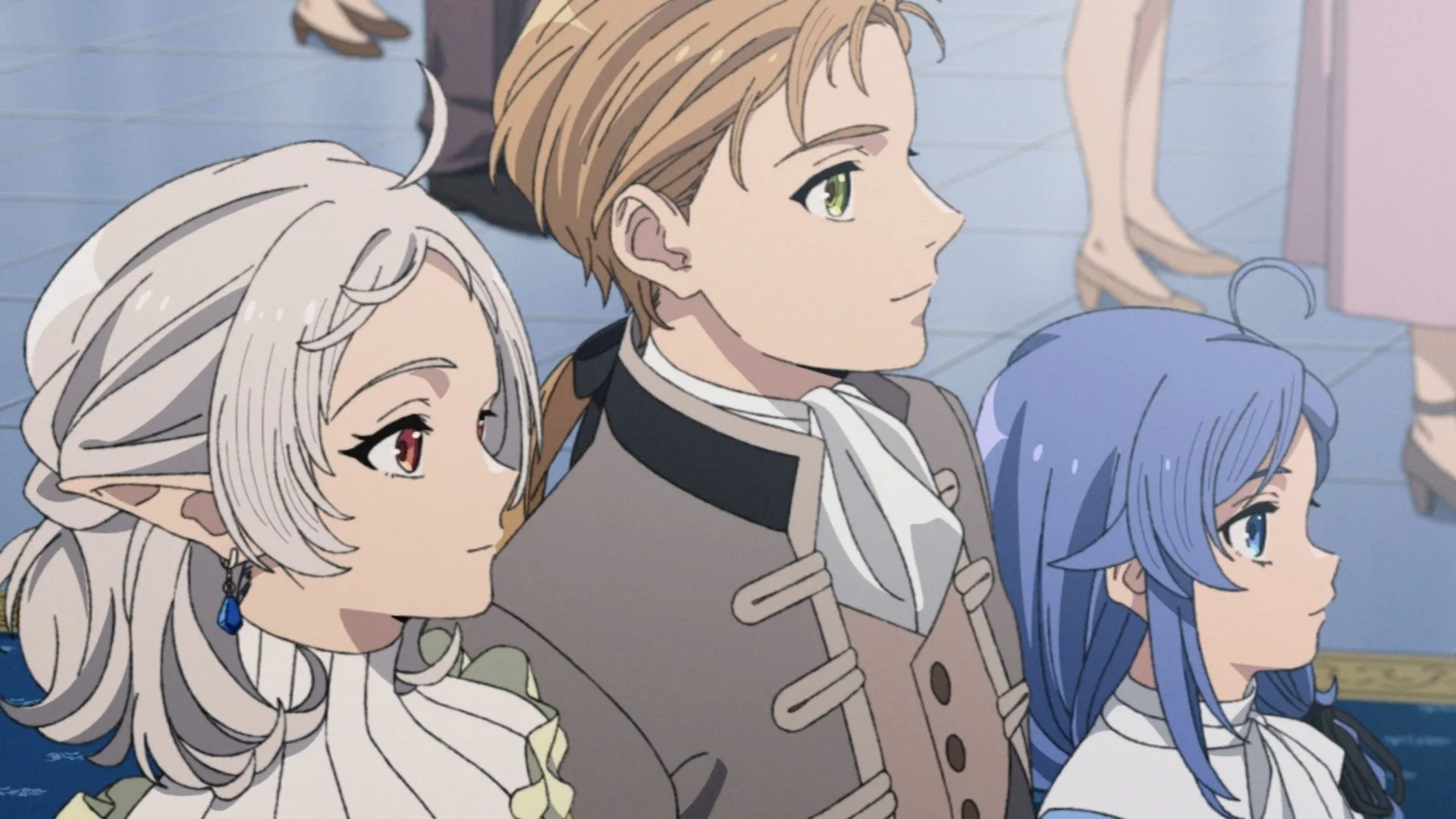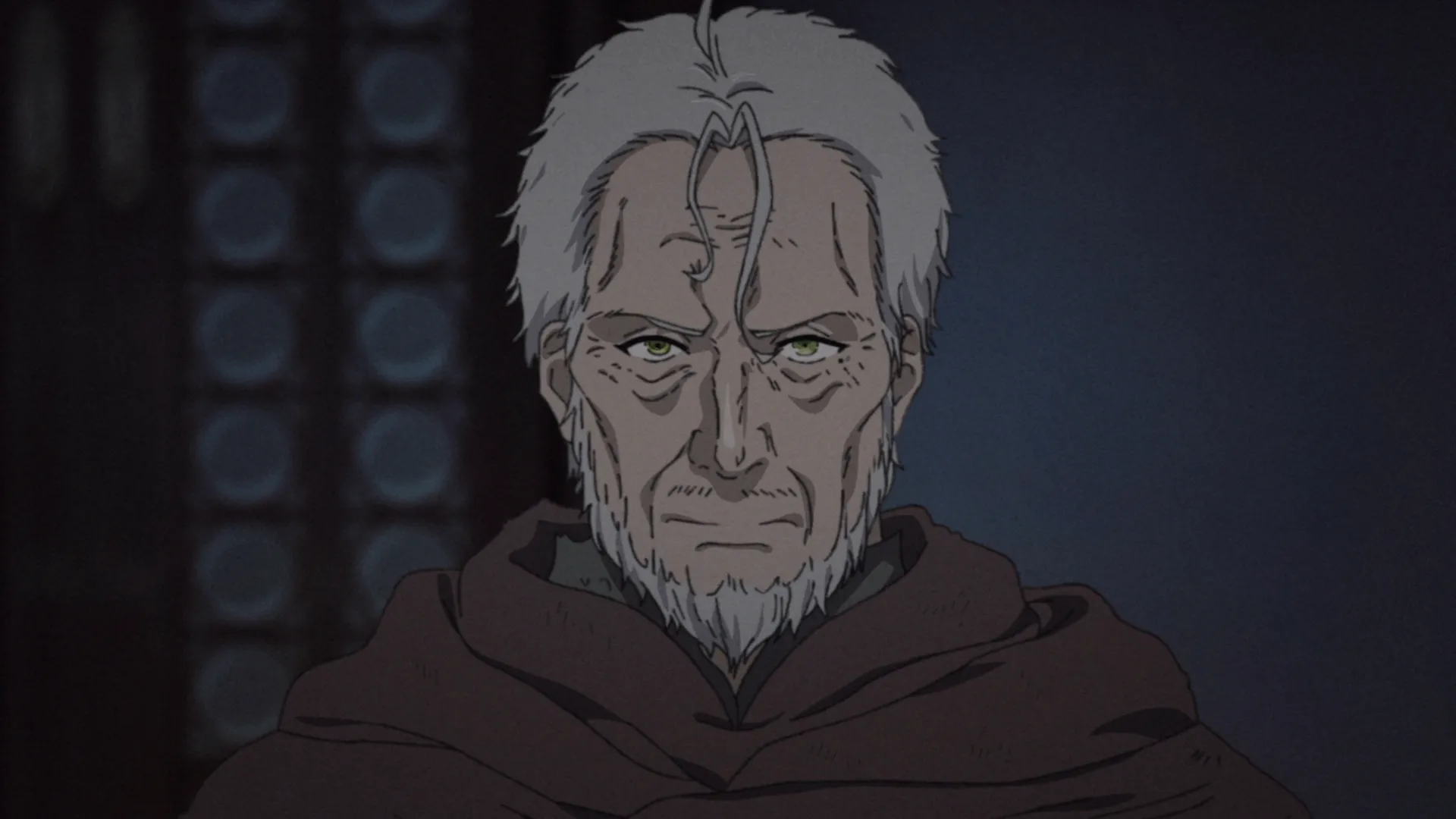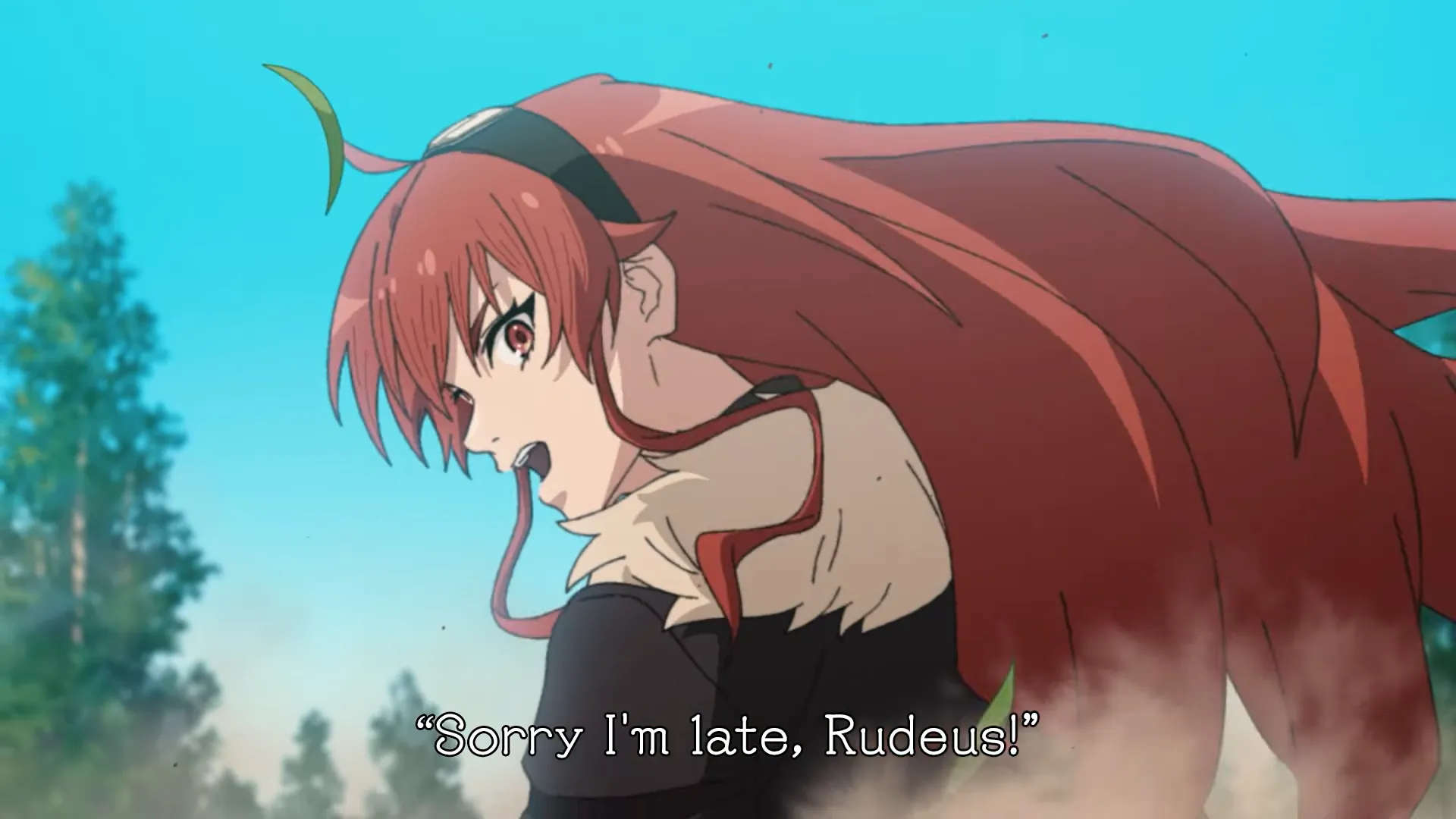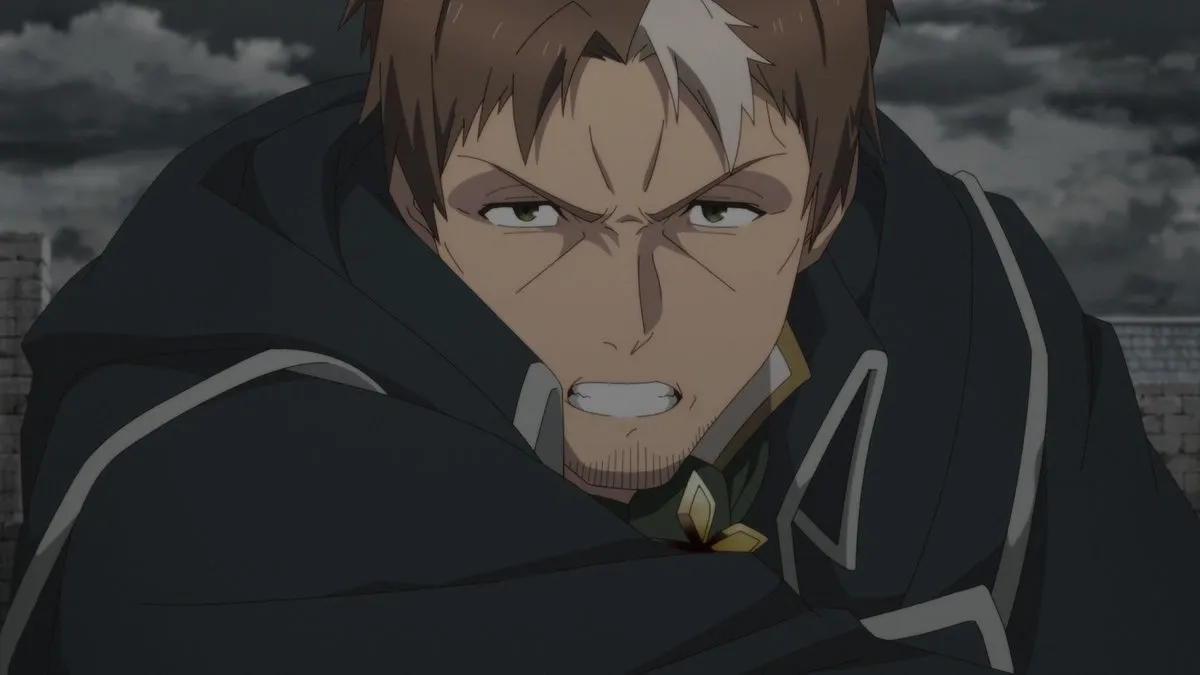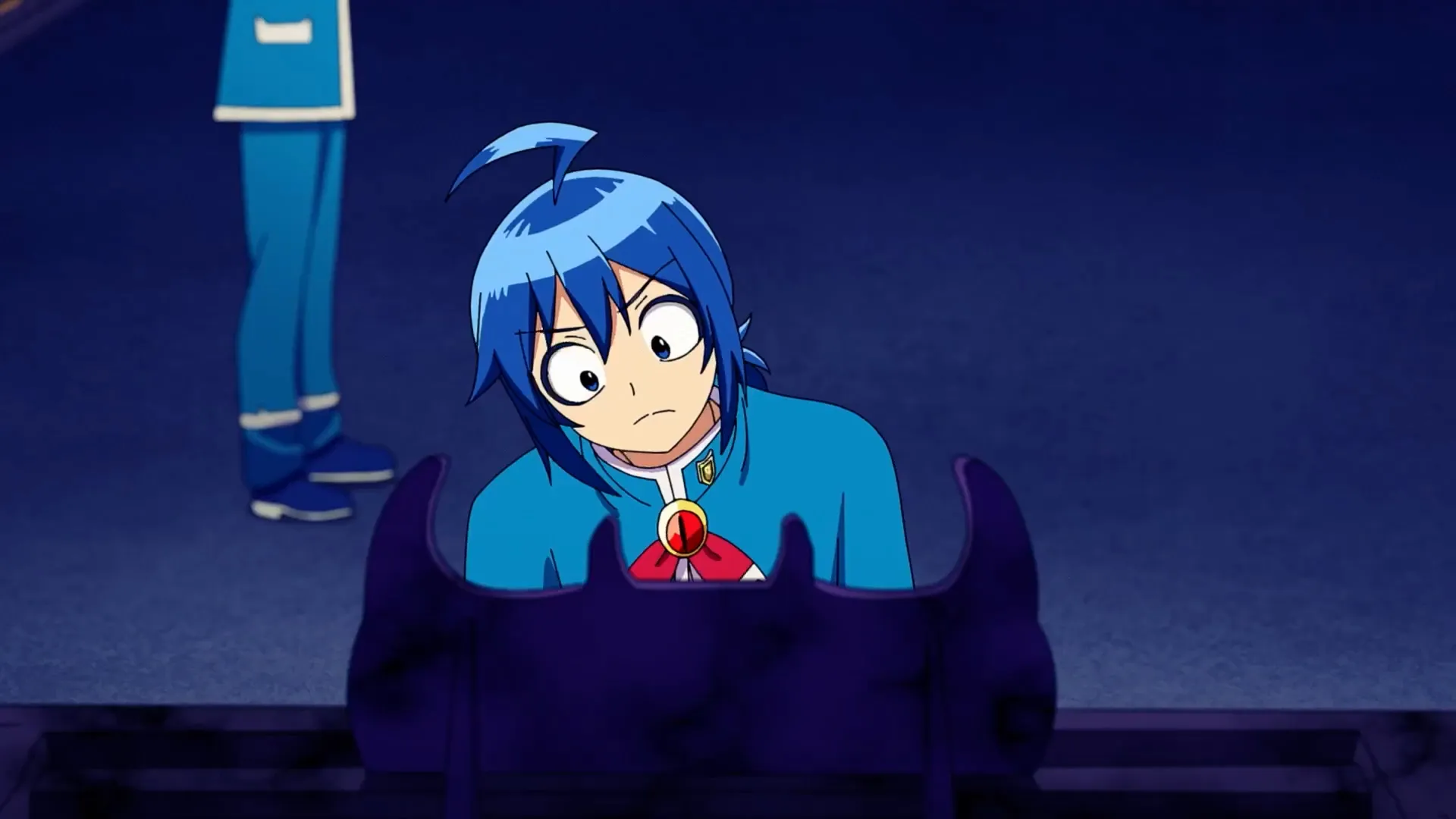

Spoiler warning: This article discusses Mushoku Tensei: Jobless Reincarnation through Season 3 Episode 13, “The Diary.” It does not reveal later light-novel answers about Hitogami’s full history or endgame.
Hitogami, commonly called the Man-God, is the mysterious white figure who repeatedly appears inside Rudeus Greyrat’s dreams. For much of Mushoku Tensei, he behaves less like a conventional villain than an unnerving adviser. He predicts events, points Rudeus toward people or places, and often gives advice that appears useful enough to earn Rudeus’s reluctant trust.
Season 3 changes the question viewers should ask about him. After Turning Point 4, the issue is no longer simply whether Hitogami’s predictions are accurate. It is whether accurate advice can still be designed to push Rudeus toward an outcome he would never knowingly choose.
Who is Hitogami, the Man-God?
In the anime, Hitogami is a supernatural being who contacts Rudeus in a featureless white space while he sleeps. He presents himself casually and speaks as if he is watching Rudeus’s unusual second life from a privileged position. His ability to know things Rudeus could not reasonably know gives his advice immediate weight.
That does not make him an all-knowing narrator. Mushoku Tensei carefully frames his information as guidance delivered by a character with his own perspective and interests. The distinction becomes crucial because Rudeus cannot independently verify the larger purpose behind many of Hitogami’s suggestions before acting on them.
Why did Rudeus listen to Hitogami for so long?
Rudeus never finds Hitogami comforting. Their early conversations are deliberately strange, and Rudeus is often irritated by his manner. But distrust of someone’s personality is different from having evidence that their information is harmful.
Hitogami builds credibility through results. Some of his guidance helps Rudeus navigate situations he otherwise could not have anticipated. When a source repeatedly knows what is coming, ignoring it becomes difficult, even when that source feels suspicious. This creates one of the series’ more interesting forms of manipulation: Rudeus does not need to like Hitogami in order to become dependent on the information he provides.
Turning Point 4 changes everything about their relationship
Season 3 Episode 11, “Turning Point 4,” brings Hitogami back after Rudeus returns home. Before Rudeus can follow the Man-God’s advice, an older version of himself arrives with a warning. Fans now commonly call this future version “Oldeus,” although official anime material generally refers to him simply as old Rudeus or future Rudeus. AnimeSparks has a separate spoiler-controlled explanation of Oldeus, Future Rudeus and Turning Point 4 for viewers who want the time-travel side of the reveal.
Oldeus reframes every earlier success Hitogami can point to. A manipulator does not need every instruction to hurt the target. In fact, useful advice can be more effective because it creates a record of trust. By Episode 12, Oldeus has lived through the consequences of continuing to trust Hitogami, turning the younger Rudeus’s suspicion into something much more concrete.
Does Hitogami actually lie to Rudeus?
For anime-only viewers, focusing only on whether Hitogami tells direct lies misses the more important problem. Information can be technically correct while still being manipulative. A person can reveal one consequence, hide another, choose the timing of a warning, or encourage someone toward a decision without explaining why that decision matters to them.
That is why Rudeus’s dilemma is harder than simply deciding that every future prediction must be false. If Hitogami’s information has often been accurate, Rudeus cannot safely invert every instruction either. He has to start judging motive, missing context and downstream consequences rather than treating prediction as proof of goodwill.
Why is Hitogami connected to Orsted?
Orsted’s hostility toward Hitogami is one of the earliest signs that the Man-God exists inside a conflict much larger than Rudeus’s personal journey. When Rudeus encounters Orsted, the Dragon God immediately recognizes Hitogami as significant. Rudeus, however, does not yet possess enough context to understand the scale of that hostility.
Orsted also sits at the top of the world’s established combat hierarchy, which is why the conflict cannot be reduced to Rudeus choosing between two ordinary advisers. For more context on that hierarchy, see our breakdown of the Mushoku Tensei Seven Great Powers.
The anime has deliberately revealed this conflict in fragments. That is important for avoiding a common source-material mistake: later explanations about Hitogami should not be treated as information anime Rudeus already knows. At this point in Season 3, he is piecing together evidence while making decisions under pressure.
What powers has the anime shown Hitogami using?
Hitogami’s most important demonstrated advantage is information. He can contact Rudeus remotely through dreams and provide remarkably specific guidance about events outside Rudeus’s immediate knowledge. The story makes this feel more dangerous than a simple combat ability because information can redirect Rudeus without Hitogami ever needing to stand beside him.
The anime has not presented him as a conventional boss waiting for Rudeus to become strong enough to defeat. His influence operates through choices, intermediaries and predictions. That makes the question of trust part of the power system itself.
Why Season 3 makes Hitogami more important than ever
Season 3 Episode 13, “The Diary,” makes the Hitogami conflict more explicit by showing the future Oldeus lived through after the chain of events he attributes to the Man-God’s manipulation. Crunchyroll’s episode description frames it as a future that could have been, while the diary gives present Rudeus a record of how loss changed his older self. This is now anime-confirmed context, not simply a light-novel prediction.
Oldeus also changes Rudeus as a protagonist. Earlier problems often rewarded preparation, magical knowledge or finding the right ally. Hitogami creates a problem that cannot be solved by firepower alone. Rudeus now has evidence from his own future self that he must judge motive, missing information and consequences rather than treating accurate predictions as proof of goodwill.
Is Hitogami the main villain of Mushoku Tensei?
For an anime-only answer, Hitogami has clearly become one of the story’s central antagonistic forces. Oldeus’s warning and the diary give Rudeus direct reason to challenge the Man-God’s guidance, while still leaving later light-novel explanations about Hitogami’s complete history and endgame outside this spoiler boundary.
There are much larger source-material explanations for who Hitogami is, what he wants and why certain future events matter to him. Those answers belong behind explicit light-novel spoiler warnings. The anime currently works because viewers know enough to fear his influence without yet knowing every piece of his history.
The short answer
Hitogami is the Man-God, a mysterious being who reaches Rudeus through dreams and has spent much of the series giving him unusually accurate advice. Turning Point 4, Oldeus’s warning and “The Diary” reveal why accuracy and trust are not the same thing. Future Rudeus has already lived through a version of events in which following that guidance leads to catastrophic consequences.
That is what makes Hitogami dangerous. He does not need Rudeus to obey because he is worshipped as a god. He only needs Rudeus to believe that following the next piece of advice is more rational than ignoring it. Season 3 has finally broken that assumption, turning one of Mushoku Tensei’s longest-running mysteries into an immediate conflict.
Frequently asked questions
Frequently asked questions
Who is Hitogami in Mushoku Tensei?
Hitogami, usually translated as the Man-God, is the mysterious being who appears to Rudeus in a white dreamlike space and gives him advice. Season 3's Turning Point 4 and Oldeus's warning make his motives a central conflict.
What does Oldeus reveal about Hitogami?
Oldeus is Future Rudeus, and he tells his younger self that the future he lived through was shaped by trusting Hitogami's guidance. His warning forces present Rudeus to treat the Man-God's accurate information as potentially manipulative rather than automatically helpful.
Is Oldeus the official name for Future Rudeus?
No. Oldeus is a popular fan nickname for the older Future Rudeus. Official anime material generally calls him old Rudeus or future Rudeus.
Why does Hitogami appear to Rudeus in dreams?
Hitogami communicates with Rudeus through a strange white mental space rather than visiting him physically. His appearances let him provide predictions and instructions that influence Rudeus from a distance.