
Spoiler warning: This explanation reveals the ending of the Mugen Train arc in Demon Slayer: Kimetsu no Yaiba, including Kyojuro Rengoku's final battle and death. It does not reveal the later manga resolution of Akaza's story.
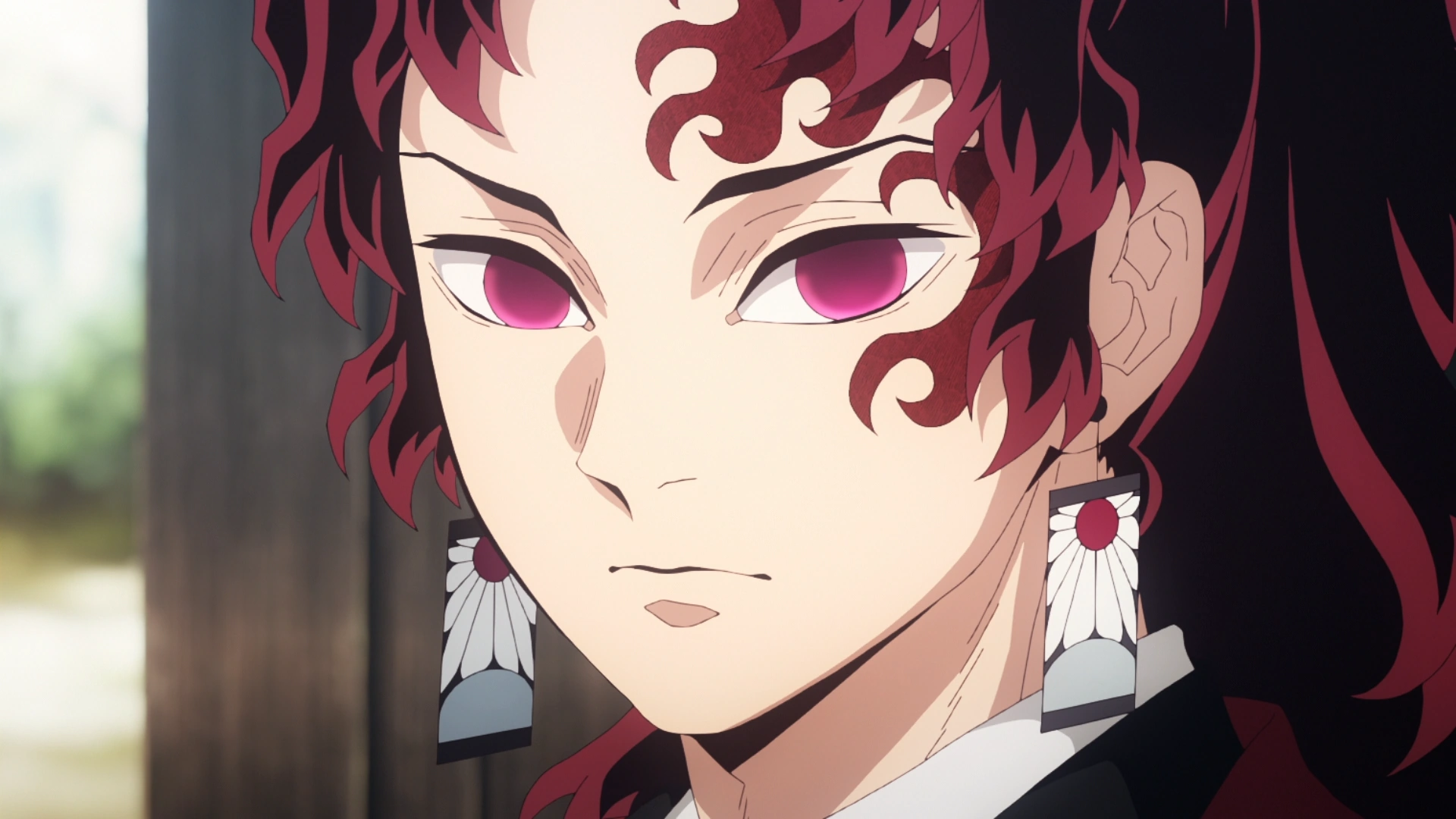
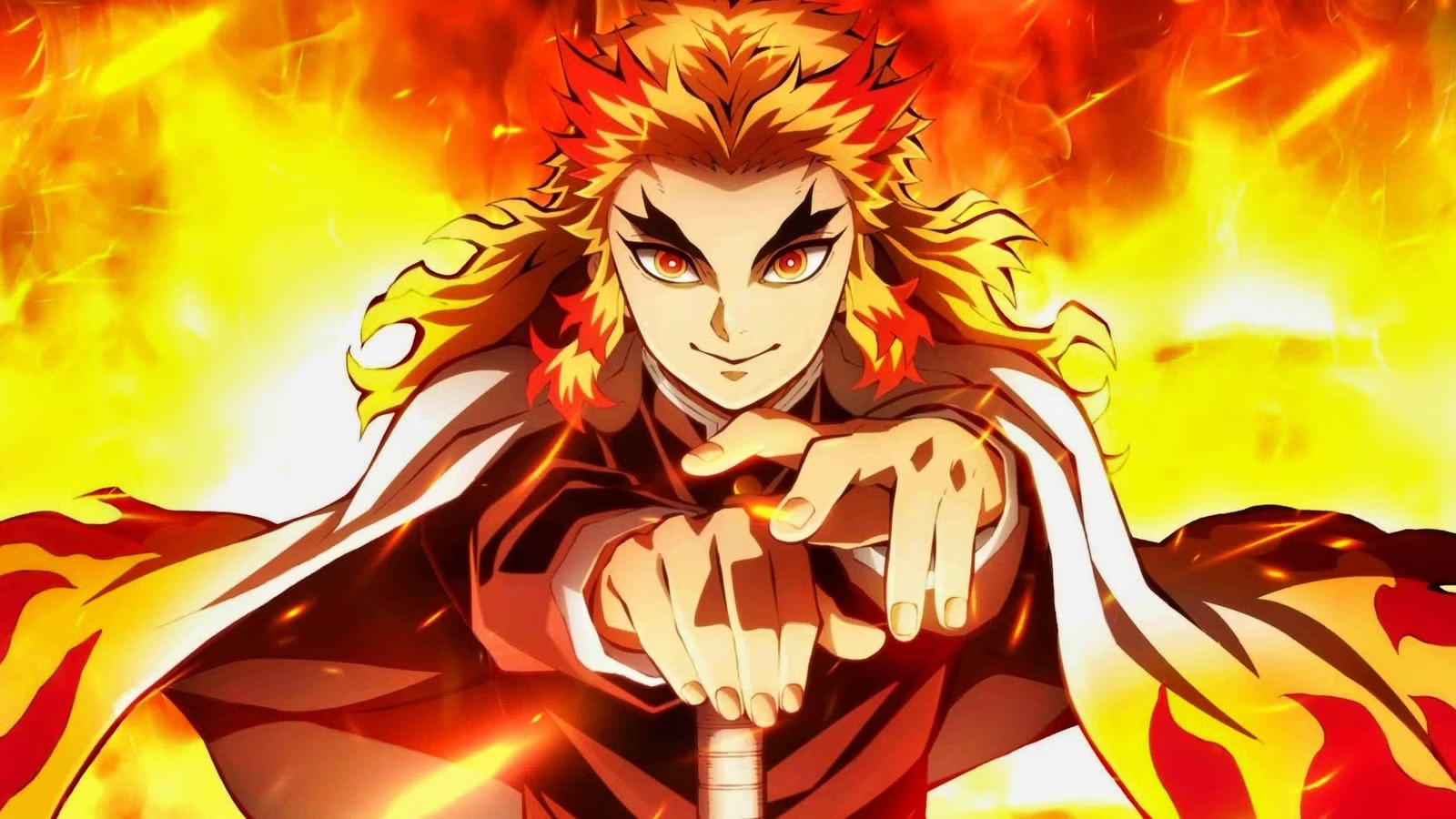
Kyojuro Rengoku dies because Akaza, the Upper Rank Three demon, fatally wounds him during their battle after the Mugen Train derails. The Flame Hashira refuses Akaza's offer to become a demon and continues fighting to protect Tanjiro and the others. He cannot overcome Akaza's regeneration and overwhelming combat ability, but he holds his ground until sunrise forces the demon to retreat. Rengoku loses his life; the passengers he came to protect survive. Those two outcomes are the key to understanding the scene.
What happened to Rengoku on the Mugen Train?
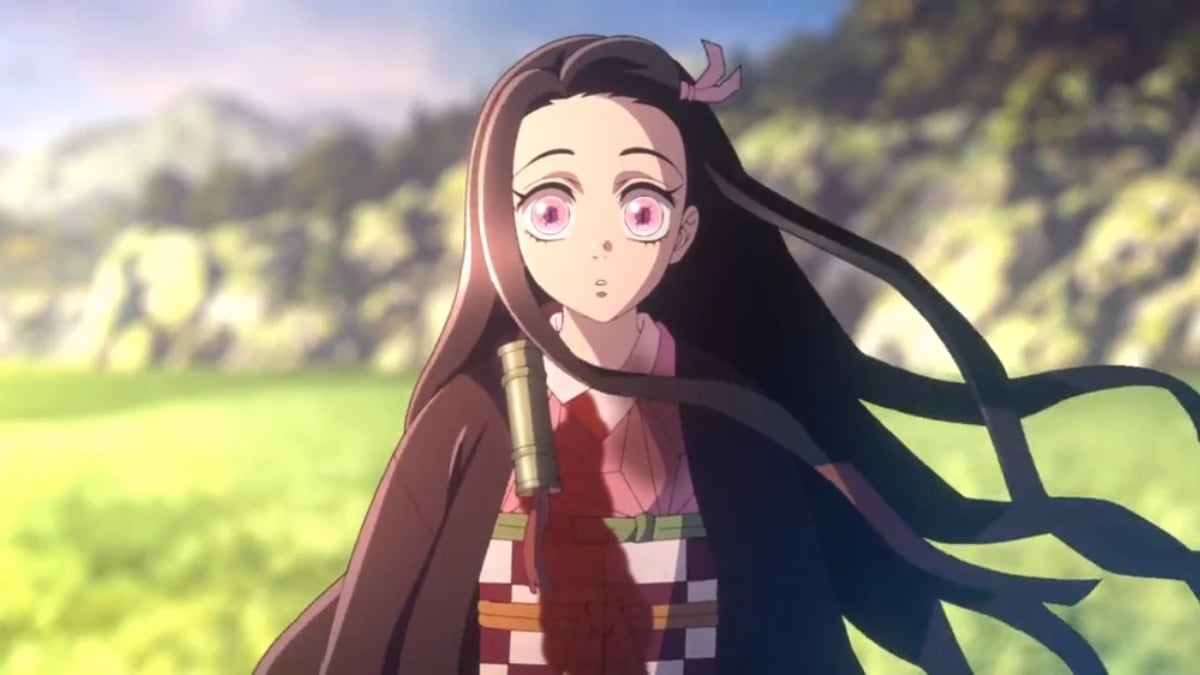
Rengoku boards the train to investigate disappearances connected to demonic activity. He is joined by Tanjiro, Nezuko, Zenitsu and Inosuke. The immediate enemy is Enmu, Lower Rank One of the Twelve Kizuki, who uses dreams to trap his victims. Enmu ultimately fuses with the train, turning the passengers into hostages and forcing the Demon Slayers to defend multiple carriages at once.
Tanjiro and Inosuke manage to defeat Enmu, but the train derails. Rengoku reports that the passengers are safe, and the group briefly appears to have survived its greatest danger. Then Akaza arrives. The official Episode 6 synopsis places his arrival immediately after the derailment, making clear that this is a second, unexpected confrontation rather than the conclusion of Enmu's fight.
Tanjiro is already badly injured. Inosuke and the others cannot realistically match an Upper Rank demon. Rengoku therefore takes the front line alone, accepting a fight in which the difference between a skilled human swordsman and a powerful demon becomes painfully visible.
Who is Akaza, and why is he so dangerous?
Akaza holds the position of Upper Rank Three among Muzan Kibutsuji's elite demons. His attacks combine extraordinary speed and strength with martial arts techniques and rapid regeneration. Unlike a human swordsman, he can recover from injuries that would normally end a fight. A Demon Slayer generally needs to cut off a demon's head with a Nichirin blade, or exploit sunlight, to defeat such an opponent.
This is why the encounter is more complicated than simply comparing whose punches or sword strikes look stronger. Rengoku must avoid taking fatal damage while looking for a decisive opening. Akaza can afford to absorb repeated wounds, recover and continue attacking. The longer the exchange continues, the more that asymmetry matters.
Akaza is also fascinated by Rengoku's ability. He repeatedly urges him to become a demon, presenting immortality and limitless improvement as a reward for his strength. Rengoku refuses because he sees human mortality not as a flaw to escape but as part of what makes a life meaningful. Their disagreement is ideological as well as physical.
Why did Rengoku lose to Akaza?
1. Akaza could regenerate while Rengoku could not
The decisive advantage is not a lack of courage or technique on Rengoku's part. It is the difference between a mortal fighter and a demon whose body repairs itself. Rengoku lands meaningful attacks, but Akaza repeatedly survives damage and presses forward. Rengoku's injuries accumulate instead of disappearing. The official Episode 7 description emphasizes how depleted Rengoku becomes as the fight continues.
2. Rengoku had to protect others
Rengoku's mission was never an isolated duel designed to determine the strongest combatant. He had already helped protect more than two hundred train passengers during Enmu's assault. With the train destroyed and Tanjiro injured, the immediate priority was to stop Akaza from killing anyone else. The official Episode 5 summary establishes that saving the passengers was central to the entire operation.
That responsibility shapes the battle. Rengoku does not abandon the wounded or accept Akaza's offer to save himself. He keeps the demon occupied. His actions make more sense when judged against his duty as a Hashira than when reduced to a win-loss record.
3. Akaza was an Upper Rank demon
The series establishes Upper Rank demons as a severe threat even to elite Demon Slayers. Rengoku is extraordinarily capable, but he is facing an enemy designed to challenge the Corps' strongest fighters. He relies on Flame Breathing, one of the Demon Slayer sword styles, and his final technique shows the discipline and intensity behind his reputation. That does not erase the enormous physical disadvantage he faces.
Some fans argue that Rengoku might have survived with abilities introduced later in the story. That is a hypothetical comparison, not an explanation of what actually happens in Mugen Train. The Demon Slayer Mark and other advanced abilities matter in later battles, but the story does not present them as powers Rengoku used against Akaza.
Did Rengoku almost kill Akaza?
Yes, he came dangerously close to keeping Akaza trapped until sunrise. Despite a devastating wound, Rengoku grips the demon and attempts to hold him in place as daylight approaches. Akaza panics at the prospect of sunlight and escapes, sacrificing part of his body to break free. The scene shows that Rengoku's final resistance nearly turns the demon's vulnerability into a fatal weakness.
But nearly killing an opponent is not the same as winning the fight. Akaza survives and retreats into the shadows. Rengoku is mortally wounded. It is accurate to say Akaza won the direct confrontation in terms of survival, while Rengoku achieved the protective purpose of his mission. Calling it a clean victory for either side misses what the scene is doing.
Tanjiro's furious reaction underlines that tension. He condemns Akaza for fleeing and insists that Rengoku protected everyone. The point is not that sunlight is an unfair rule suddenly introduced for this battle. It is that the demon's ability to escape death contrasts with a human who accepts the consequences of protecting other people.
Why didn't Rengoku become a demon?
Akaza's offer is not a harmless compliment. Accepting it would mean abandoning Rengoku's human life and the ethical responsibility that defines him. Rengoku was raised to believe that those born with strength should use it to protect people who are vulnerable. His mother Ruka's influence is especially important to that belief, and his final moments return to the values she taught him.
Akaza thinks immortality allows exceptional fighters to improve forever. Rengoku believes the fragility of human life gives choices their weight. He is not interested in becoming stronger at any cost. By refusing, he preserves the very reason he became a Demon Slayer. The offer therefore reveals more about both characters than another exchange of attacks would.
Did Rengoku save everyone on the train?
The story presents the Mugen Train passengers as having survived the disaster, thanks to the combined efforts of the Demon Slayers, including Rengoku's protection of multiple carriages. The official Episode 6 synopsis explicitly notes Rengoku telling Tanjiro that all the passengers are safe. That success is established before Akaza appears.
Rengoku's final fight then prevents the newly arrived Upper Rank demon from turning the aftermath into another massacre. It is important not to credit him alone with every part of the train rescue: Tanjiro, Inosuke, Nezuko and Zenitsu also contribute against Enmu. His achievement is that he fulfills the Hashira's protective role even when facing an enemy who ultimately kills him.
Why Rengoku's death matters to Tanjiro
Rengoku's death changes Tanjiro's understanding of what it costs to fight the Upper Ranks. Until this point, Rengoku has seemed almost impossibly confident, generous and powerful. Seeing such a capable Hashira fall makes the danger of the larger struggle concrete. It also gives Tanjiro an example of strength measured by responsibility rather than domination.
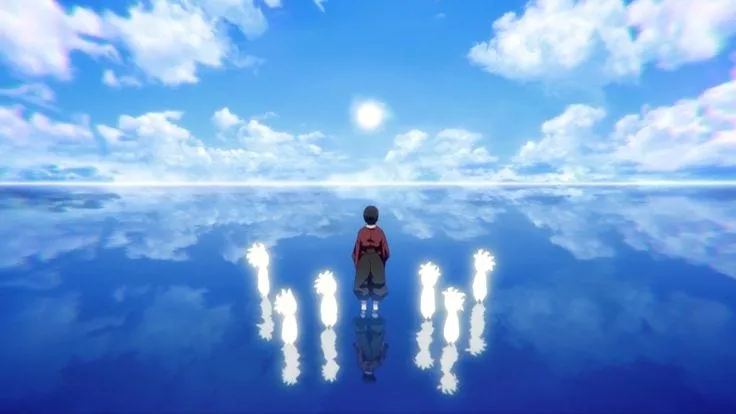
Rengoku's final words and the memories of his family leave a lasting emotional imprint. His legacy is not that he secretly defeated Akaza or possessed an undisclosed power. It is that he chose to protect people despite knowing the limits of his own body. That choice resonates throughout the Demon Slayer Corps' continuing struggle.
Readers interested in the wider history of sword techniques can explore Yoriichi Tsugikuni and the origins of Sun Breathing. For the anime's later storyline and its adaptation status, see our Infinity Castle and ending overview. Neither is required to understand Rengoku's sacrifice in Mugen Train.
Was Rengoku's death avoidable?
It is tempting to imagine a different outcome if reinforcements had arrived earlier or Akaza had appeared closer to dawn. The story does not give a definitive alternate timeline. What it does establish is that Rengoku fought under severe constraints against an opponent who could recover from injuries he could not. Speculation about what another Hashira might have done should not be presented as an established answer.
The battle is effective precisely because Rengoku's character does not depend on surviving. His courage is not a guarantee of victory, and the series refuses to treat determination as a substitute for physical reality. He makes the best choice he can with the situation he faces, even though it costs him his life.
The bottom line
Rengoku dies from the fatal injuries Akaza inflicts after the Mugen Train crash. He loses the duel because Akaza's Upper Rank power, speed and regeneration are overwhelming, but he refuses to become a demon and fights to keep others alive. Akaza escapes the sunrise; Rengoku's companions and the passengers survive. His death is remembered not as proof that he was weak, but as the clearest demonstration of what he believed a Hashira should be.
Frequently asked questions
Who killed Rengoku in Demon Slayer?
Akaza, the Upper Rank Three demon, fatally wounded Kyojuro Rengoku at the end of the Mugen Train arc.
Did Akaza die in the Mugen Train arc?
No. He escapes before the sunlight reaches him. His later fate is outside the scope of this article.
Did Rengoku beat Akaza?
Rengoku did not kill Akaza, but he held him off long enough to protect the others and nearly trapped him until sunrise.
Why didn't Rengoku turn into a demon?
He rejected Akaza's offer because it conflicted with his commitment to protect humans and his belief in the value of mortal life.
Which episode does Rengoku die in?
The fight concludes in Episode 7 of the Mugen Train television arc, titled Set Your Heart Ablaze. The same events are depicted in the Mugen Train film.
Frequently asked questions
Frequently asked questions
Who killed Rengoku in Demon Slayer?
Akaza, the Upper Rank Three demon, fatally wounded Rengoku in the Mugen Train arc.
Did Akaza die in Mugen Train?
No. He escaped from the rising sun.
Did Rengoku beat Akaza?
He did not kill Akaza, but he protected the others and nearly held Akaza until sunrise.
Why didn't Rengoku become a demon?
He rejected Akaza's offer because he valued human life and his duty to protect others.
Which episode does Rengoku die in?
Episode 7 of the Mugen Train TV arc, Set Your Heart Ablaze, depicts his final battle.