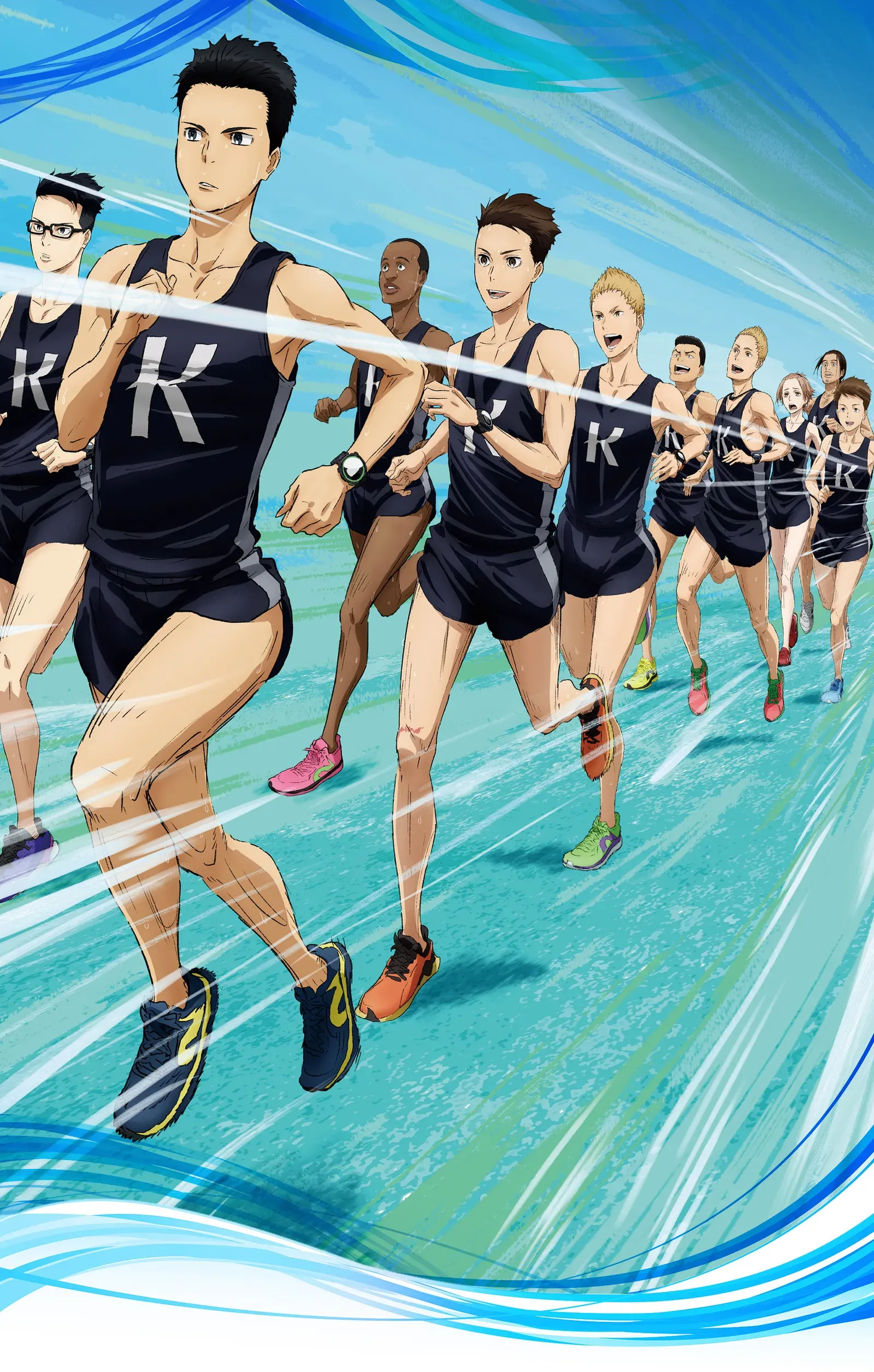

Run with the Wind is one of the most complete sports anime of the last decade, yet it is still discussed far less often than louder, more immediately marketable hits. It has no supernatural techniques, no high-school prodigy arms race, and no constant stream of tournament twists. Instead, it follows ten university students—most of whom are not serious runners—as they attempt to qualify for the Hakone Ekiden, one of Japan’s most demanding university relay races.
That quieter premise is exactly why the series deserves more attention. Run with the Wind understands that sport is not only about winning. It is about identity, discipline, friendship, failure, aging, and the question of what makes effort meaningful when success is not guaranteed.
This is a spoiler-light recommendation. It explains what makes the series special without revealing its major emotional payoffs.
Quick Answer: Is Run with the Wind Worth Watching?
Yes. Run with the Wind is worth watching for anyone who values character development, grounded sports drama, mature themes, and emotionally earned teamwork.
It is especially strong if you enjoy:
- Ensemble casts where every member matters
- Sports anime with adult or university-age characters
- Slow-burn development rather than instant hype
- Realistic training and physical limitations
- Stories about purpose, regret, and second chances
- Team dynamics built through conflict rather than easy friendship
The series may feel slower than more explosive sports anime at first, but that patience is what gives its later episodes so much weight.
What Is Run with the Wind About?
The story begins with Kakeru Kurahara, a gifted runner whose past has left him isolated and angry. After a chance encounter, he is drawn into Chikuseisou, an old university dorm managed by Haiji Kiyose.
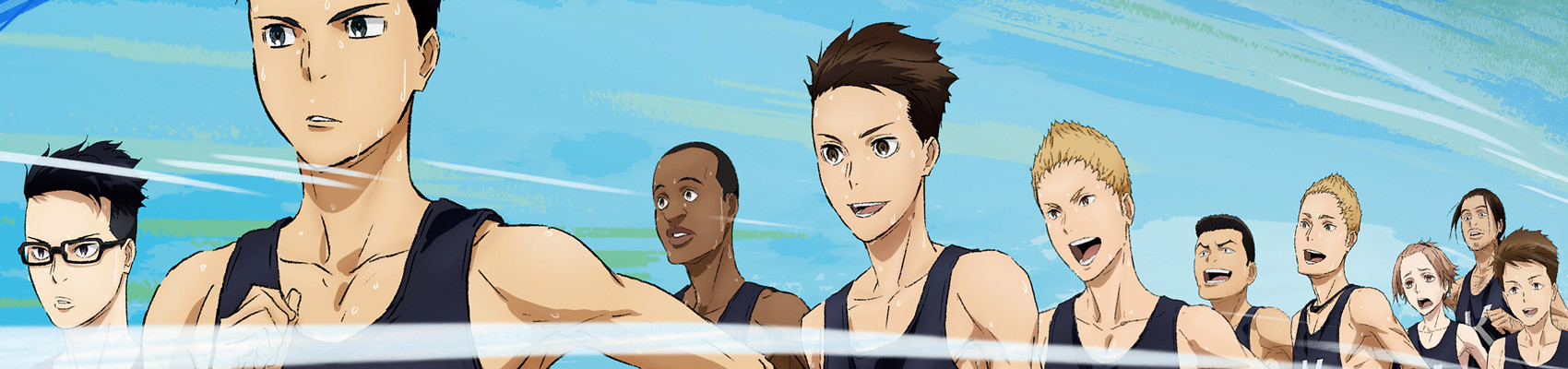
Haiji reveals that the ten men living there technically form the Kansei University track club. His goal is to train all of them for the Hakone Ekiden, a long-distance relay that demands far more than individual speed.
The problem is obvious: most of the residents are not runners.
Some are athletic but inexperienced. Others are academically focused, physically unprepared, or openly hostile to the idea. Haiji’s plan sounds impossible, and the series never pretends otherwise. The story’s appeal comes from watching ten very different people decide whether an impossible goal can become meaningful even before it becomes realistic.
Why Run with the Wind Feels Different From Most Sports Anime
The cast is made of adults, not teenage prospects
University-age characters change the emotional texture of the story. These men are not all dreaming of professional careers. Several believe their athletic prime has already passed. Some are worried about employment, academic pressure, family expectations, or what kind of adult they are becoming.
That gives the series a broader understanding of sport. Running is not simply a route to victory or recognition. For different members of the team, it becomes a way to recover confidence, confront fear, create community, or prove that their lives are not already fixed.
AnimeSparks has explored this side of the series in more depth in Run with the Wind Is About Adults Who Missed Their Prime. The important point for new viewers is that the cast’s age allows the anime to ask questions many school-based sports stories cannot.
Improvement does not erase physical limits
The team trains, improves, and becomes stronger, but the anime does not turn effort into magic. Bodies have limits. Injuries matter. Natural talent creates real differences. A few months of practice cannot make every runner equal.
This realism makes progress more satisfying. A slower runner’s achievement can matter as much as a star athlete’s record because the series pays attention to personal context. It asks what each person had to overcome to reach the same starting line.
The goal belongs to the whole team
The Hakone Ekiden is a relay, which means individual brilliance cannot carry everyone. Each runner is responsible for a different section, terrain, and pressure. One weak performance affects the entire group, but so does one act of resilience.
That structure creates a more mature version of teamwork. The characters do not become interchangeable friends. They retain different motives, personalities, and limits. Their unity comes from accepting responsibility for one another without losing their individuality.
Haiji Kiyose Is One of Sports Anime’s Best Leaders
Haiji is the architect of the team and the character who gives the story its direction. He is charming, intelligent, manipulative, compassionate, stubborn, and sometimes deeply unfair.
That combination makes him far more interesting than a simple inspirational captain.
He sees potential in the dorm residents before they can see it themselves, but he also pushes them into a goal they did not choose. The series does not ignore this tension. His leadership works because it is constantly tested by the question of whether a beautiful dream justifies the pressure required to pursue it.
Haiji’s greatest strength is not that he always knows the right answer. It is that he understands how to give different people different reasons to continue. He cannot motivate Prince, Musa, Yuki, Nico, and Kakeru in the same way because they are not the same person.
His approach to leadership is built on attention. He watches, adapts, provokes, reassures, and occasionally waits. That makes the team’s eventual commitment feel earned rather than imposed by genre convention.
Kakeru’s Arc Is About More Than Becoming a Better Teammate
Kakeru begins as the team’s most talented runner, but talent has not made him happy. His relationship with running has been shaped by control, anger, and isolation.
The series uses him to challenge a common sports-anime assumption: that loving a sport automatically creates healthy ambition.
Kakeru does love running, but he has learned to experience it through comparison and punishment. He struggles to understand teammates who cannot match his standards, and he initially sees their limitations as evidence that Haiji’s plan is impossible.
His growth is not about becoming less competitive. It is about learning that excellence and empathy do not have to oppose each other. He gradually discovers that running can connect people rather than separate the fastest from everyone else.
That change is central to the anime’s emotional power. Kakeru does not abandon his desire to be extraordinary. He learns to place that desire inside a larger human context.
Every Member of the Team Has a Real Role
One of the series’ greatest achievements is how well it handles ten main runners without reducing most of them to background support.
Prince
Prince is physically unsuited to running and initially treats the entire plan as an attack on his preferred life. His progress is slow, awkward, and often painful. That is exactly why his effort matters.
The story does not pretend that determination turns him into a natural athlete. It respects the courage required to continue while remaining visibly behind everyone else.
Musa
Musa is an international student balancing his own ambitions with the experience of living away from home. His kindness can make him seem simple at first, but the series gives him quiet emotional weight.
Yuki
Yuki is practical, skeptical, and focused on his future. His resistance to Haiji’s plan comes from rational concerns rather than laziness. His eventual investment is meaningful because the anime allows him to question the cost of commitment.
Nico
Nico carries the frustration of someone who once believed he had athletic potential and then moved away from it. His story gives the series another perspective on age, regret, and returning to a version of yourself you thought was gone.
King
King’s job search creates one of the anime’s most grounded sources of pressure. He represents the fear that adult life is already closing around the team before they have decided what they want from it.
The twins
Jota and Joji initially bring energy and comedy, but they also reveal how two people who appear nearly identical can develop different relationships with competition, recognition, and belonging.
Shindo
Shindo often acts as an emotional stabilizer. His commitment becomes especially important because the anime tests what dedication means when the body does not cooperate.
The strength of the ensemble is not that every character receives equal screen time. It is that each runner has a clear emotional reason for being there.
The Animation Makes Running Feel Physical
Production I.G gives the series a grounded visual identity. The animation does not rely on exaggerated special effects to communicate speed. Instead, it emphasizes posture, breathing, foot placement, fatigue, rhythm, and the changing form of a runner under pressure.
That physical detail matters because long-distance running is repetitive by nature. The direction must make similar movements feel emotionally different depending on the character and situation.
A run can look controlled, desperate, free, painful, or lonely. The series achieves this through body language, editing, environmental sound, and the distance between characters on screen.
The visual restraint also makes the major races more powerful. When the anime increases intensity, it feels like an escalation of something real rather than a sudden shift into fantasy.
The Music Understands When to Push and When to Wait
Yuki Hayashi’s score gives the anime scale without overwhelming its quieter moments. The music can make running feel heroic, but it also knows when to leave space for breathing, footsteps, wind, or silence.
That balance fits the series’ emotional approach. Run with the Wind rarely demands that viewers feel inspired before the characters have earned it. The soundtrack builds alongside their commitment.
The result is a final stretch whose emotion comes not only from competition but from accumulated memory. Every repeated route, argument, injury, meal, and training session becomes part of the race.
It Understands That Teamwork Can Be Uncomfortable
Many sports anime present team unity as an obvious good. Run with the Wind asks harder questions.
What if the goal was chosen by one person? What if someone is pressured into participating? What if one athlete’s standards make everyone else feel inadequate? What does a teammate owe the group, and what does the group owe the individual?
The series does not answer these questions through speeches alone. It lets resentment build. Characters push back. Haiji’s dream is criticized. Kakeru’s attitude causes harm. The team becomes meaningful because its members are allowed to resist it.
This makes their eventual trust more convincing. They are not united because the story says teams are good. They become a team after confronting the ways collective ambition can become selfish.
Run with the Wind Is Not Really About Winning
The anime takes competition seriously. Times, qualification standards, injuries, and race strategy matter. But victory is not the only measure of success.
The deeper question is: What does it mean to run well?
For one person, it may mean reaching elite speed. For another, finishing without stopping. For someone else, it may mean accepting help, reclaiming a lost identity, or giving everything to a group for the first time.
This flexible definition of achievement is why the series resonates beyond sports. Most viewers will never run the Hakone Ekiden, but many understand what it feels like to pursue something after believing they are too late, too ordinary, or too damaged to begin.
Why the Anime Remains Underrated
The series has several qualities that may have limited its reach.
Running is harder to market than combat or team ball sports
Long-distance running lacks the obvious one-on-one confrontations of volleyball, basketball, boxing, or football. Its drama is internal, strategic, and cumulative.
The opening is deliberately patient
The early episodes spend time establishing the dorm, the personalities, and the resistance to Haiji’s plan. Viewers expecting immediate competition may mistake that patience for a lack of momentum.
The cast does not fit easy archetypes forever
The characters begin with recognizable traits, but the series gradually complicates them. It is less interested in producing instantly marketable favorites than in showing a group change over time.
It arrived without a giant franchise machine
Unlike long-running manga adaptations with established fan communities, Run with the Wind functions as a focused, complete story. That is one of its strengths, but it also means it received less sustained attention after finishing.
Who Should Watch Run with the Wind?
You should watch it if you enjoy:
- Haikyuu!! for its attention to teamwork and personal growth
- Ping Pong the Animation for its understanding of talent and identity
- Chihayafuru for character-driven competition
- March Comes in Like a Lion for emotionally observant young-adult drama
- Ensemble stories where minor characters receive meaningful arcs
- Sports series that remain grounded in physical and psychological reality
It is also an excellent recommendation for viewers who normally avoid sports anime. The series requires no interest in running. Its central concerns—purpose, friendship, aging, fear, and commitment—are universal.
Who May Not Enjoy It?
The series may not be ideal for viewers who need immediate action, frequent cliffhangers, or exaggerated special techniques.
Its first half is intentionally gradual, and much of the drama comes from conversation, training, and shifting relationships. The payoff is substantial, but the anime expects patience.
Some viewers may also feel uncomfortable with how aggressively Haiji recruits and pressures the dorm residents. That discomfort is valid and partly intentional. The story engages with his manipulation, although not every viewer will believe it criticizes him strongly enough.
What Makes the Ending So Effective?
Without revealing specific outcomes, the final arc succeeds because it turns the ensemble structure into the form of the race itself.
Each runner receives a stretch of the journey that reflects his personality, history, fear, and reason for continuing. The race becomes less about asking which team wins and more about showing what running has come to mean for ten different people.
The series earns emotion through accumulation. Small details from earlier episodes return with greater significance. Characters who once seemed like comic relief carry serious dramatic weight. Physical struggle and personal memory become inseparable.
Few sports anime endings are this carefully structured around the entire cast.
Final Verdict: Run with the Wind Deserves a Much Larger Audience
Run with the Wind deserves more fans because it does almost everything a great sports anime should do without depending on spectacle.
It creates a believable team from people who have little reason to cooperate. It respects talent without treating talent as morality. It portrays training as repetitive, difficult, and transformative. It understands that adulthood does not end the possibility of beginning again.
Most importantly, it gives every race emotional meaning. The characters are not simply trying to reach Hakone. They are trying to discover what effort can still change in their lives.
For viewers willing to accept its patient pace, Run with the Wind is not merely an underrated sports anime. It is one of the genre’s most mature and emotionally complete stories.
Frequently asked questions
Frequently asked questions
Is Run with the Wind worth watching?
Yes. It is an excellent choice for viewers who enjoy character-driven sports drama, mature themes, realistic training, and emotionally earned teamwork.
Is Run with the Wind based on a true story?
No. It is a fictional story adapted from Shion Miura's novel, although it uses the real Hakone Ekiden and realistic long-distance running culture as its setting.
Does Run with the Wind have a complete ending?
Yes. The anime tells a focused, complete story and reaches a satisfying conclusion without requiring a sequel.
Is Run with the Wind similar to Haikyuu?
Both series value teamwork and detailed character growth, but Run with the Wind is quieter, more mature, and focused on university students and long-distance running.
Do you need to like running to enjoy Run with the Wind?
No. The anime explains the sport clearly, but its main appeal comes from friendship, identity, second chances, and the different reasons people choose to keep moving forward.