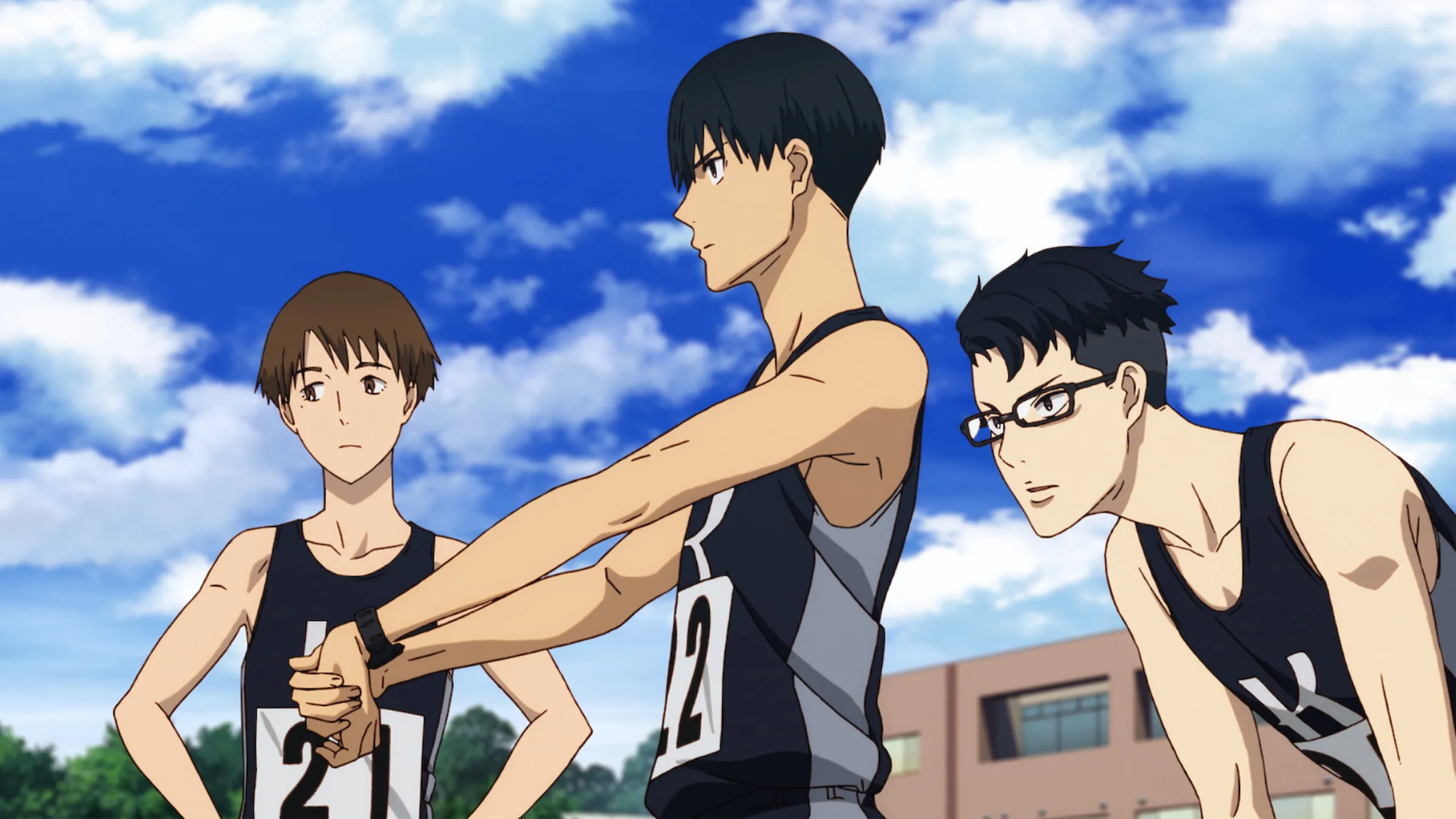

Run with the Wind follows college students training for an impossible marathon relay despite being too late for professional athletics. Unlike typical sports anime about teenage potential, this series explores what happens when you pursue achievement knowing you'll never be elite—and why that still matters.
Most sports anime follow teenagers discovering their potential. Run with the Wind does something different—and more painful. It follows college students realizing they've already passed their athletic peak, then choosing to run anyway.
This 2018 Production I.G. masterpiece isn't about winning. It's about what happens when you're aware your best years are behind you—but you lace up your shoes and train for an impossible marathon regardless.
For anyone who's looked back at wasted potential or wondered "what if I'd started earlier," this anime will resonate deeply.
The Setup: College Students, Not High School Heroes
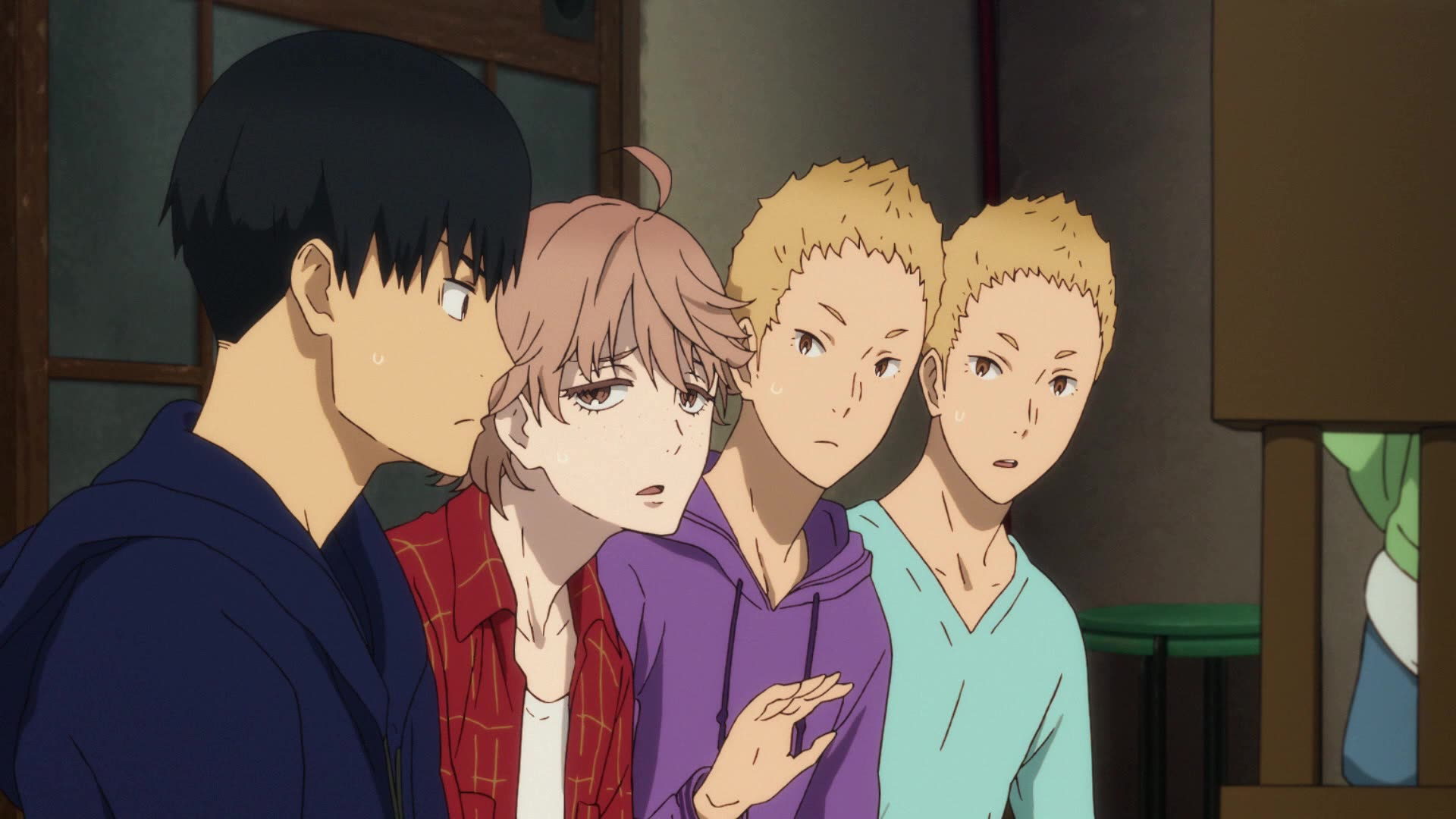
Haiji Kiyose spent four years at Kansei University assembling the "perfect" team for one goal: competing in the Hakone Ekiden, Japan's most prestigious university relay marathon. The problem? Nine of his ten recruits are complete running novices who never agreed to this.
There's King (Yohei), a fourth-year drowning in failed job interviews, hoping Hakone might make him stand out to employers. Nico-senpai (Akihiro) quit track due to an abusive coach and now chain-smokes to cope. Prince (Akane) is a manga-obsessed indoor enthusiast with zero stamina.
The twins Joji and Jota only agreed because Haiji promised it would attract girls. Musa joined out of obligation. Law student Yuki resents being manipulated. And Kakeru is a former high school track star whose career imploded due to past trauma.
This isn't a team of prodigies. They're ordinary college students with jobs, girlfriends, exams, and futures that don't involve professional athletics.
That's what makes Run with the Wind radical.
Why Age Matters: The College Difference
Unlike typical high school sports anime, Run with the Wind is set during university years—and that timing is everything.
The High School Formula
High school sports anime follow predictable arcs: talented kid discovers sport → joins team → trains → defeats rivals → wins championship → professional future implied.
The formula works beautifully when executed well. But there's an underlying assumption: these kids have time. At 15-17, professional careers remain possible with enough work.
The College Reality Check
College changes everything. At 20-22 years old, brutal truths emerge:
This is peak performance age. If you haven't already invested years of deliberate practice, reaching elite levels becomes extremely unlikely.
Career decisions can't wait. King obsesses over job hunting because Japanese corporate culture demands commitments by graduation.
The competitive window narrows fast. Prince never exercised. Nico quit in high school. King focused on studies. By senior year, they're starting from zero when rivals have been training for a decade.
Unlike shows exploring creative burnout in isolation, this captures a specific anxiety: aging out of opportunities you never pursued.
What "Missing Your Prime" Looks Like
The series doesn't romanticize late starts. It shows them honestly.
Prince: Still the Slowest
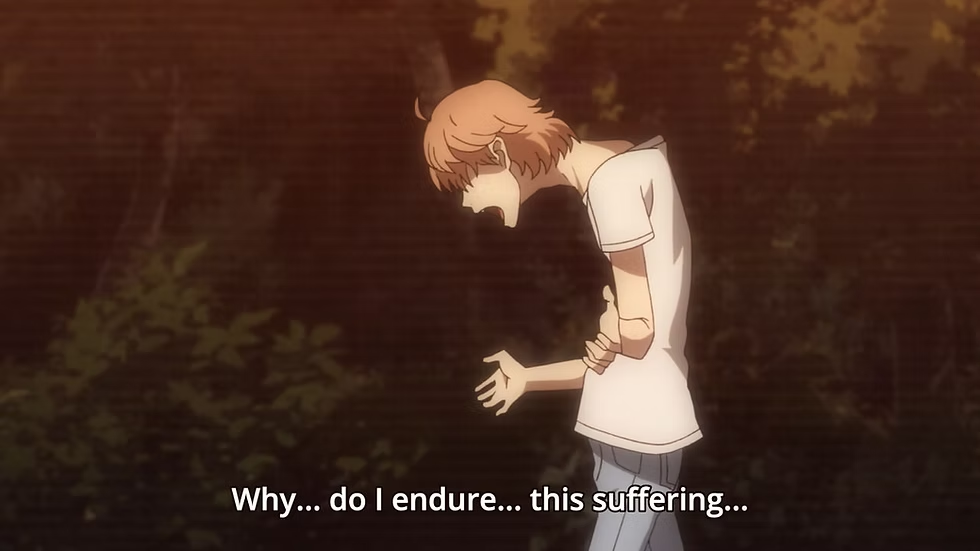
Prince is the team's weakest member by far. His indoor lifestyle left him weak, inflexible, unaccustomed to cardiovascular stress. Early training shows him gasping, cramping, barely completing short jogs.
Haiji has a treadmill sent so Prince can run while reading manga—the only way to keep him training. Even this barely works. His progress is agonizingly slow.
By series end, Prince is still the weakest runner. Improvement is marginal. Yet his determination to achieve an official record becomes the qualifier's emotional core.
This refusal to promise greatness to everyone who tries hard feels radically honest. Prince improves, but he'll never be great. And that's okay.
King: Job Hunting While Training
King spends months facing interview rejections. Japan's graduate job market is ruthless—fail to secure employment before graduation, and HR labels you "damaged goods."
Running becomes his desperate gambit. Maybe appearing in nationally televised Hakone will make his resume stand out. Maybe athletic achievement compensates for unremarkable academics.
The series never confirms whether this works. King's anxiety persists even as training intensifies. Hard work doesn't guarantee success.
Kakeru: When Talent Peaked Early
Kakeru was an elite high school sprinter destined for nationals. Then his team imploded due to internal conflict he partially caused. Running became tainted by guilt. By university, he's psychologically damaged, shoplifting food, convinced he doesn't deserve to run.
Kakeru's arc isn't "talented kid realizes potential." It's "former prodigy learns to run for reasons beyond winning." Physically, he's past his absolute peak. But he discovers that running can mean something beyond personal records.
The Hakone Ekiden: An Impossible Goal
The Hakone Ekiden is real—the Tokyo-Hakone Round-Trip College Ekiden Race held every January 2-3. It's 217.9 km (135.4 miles) split into 10 sections run by 10 members over two days.
This isn't just another race. Hakone is a cultural phenomenon in Japan, broadcast live on national television with millions watching. Families gather around TVs on New Year's Day to watch. For university track programs, qualifying for Hakone brings prestige to the entire institution. Alumni who competed decades ago are remembered and celebrated.
Simply finishing Hakone—not winning, just completing it without getting pulled for being too slow—is a monumental achievement. Many strong university teams fail to qualify at all.
Only 20 teams make it. The competition includes schools with decades of running tradition, professional-level coaches, and athletes who've trained since childhood.
Haiji's plan? Take nine amateur runners with less than a year of training and compete against Japan's best.
Everyone knows it's absurd. The series never pretends otherwise.
Why They Run Anyway
The characters don't run believing they'll win. They run because:
- Haiji gives directionless lives purpose
- Months of training create sunk cost—quitting wastes everything invested
- Proving something to themselves, not the world
- The experience becomes its own reward, like finding meaning through process
Each character's reason is personal. None about victory. About dignity, closure, proving they're not total failures.
The Adult Themes That Define It
Job Insecurity and Future Anxiety
King's desperate job hunting isn't background—it's a major plot thread. Japan's lifetime employment means the right first job determines your entire career. Missing that window creates cascading disadvantages.
This realistic portrayal of job market pressure resonates with anyone experiencing economic precarity.
Reconciling with Wasted Potential
Multiple characters face: "I could have been good at this if I'd started earlier."
Nico quit running due to an abusive coach, wondering what he could have accomplished with support. The twins never took anything seriously until college, suddenly 20-something with no particular skills.
The series doesn't offer easy answers. You can't reclaim lost years. But you can choose what to do with time remaining.
Physical Limitations Can't Be Overcome Through Willpower Alone
Sports anime often suggest hard work conquers all. Run with the Wind rejects this.
Prince trains obsessively but remains slow. Haiji's knee injury never healed—by series end, it's permanently damaged. Kakeru's trauma creates psychological blocks training doesn't fix.
The Bittersweet Ending
The team doesn't win Hakone. They place well enough to earn a seeded position—impressive for a rebuilt team. But not victory.
Haiji's final run permanently damages his knee. He'll likely never run competitively again. His dream ends in accepting physical limits.
The epilogue shows life moving on. Kakeru continues with younger teammates. King presumably finds employment (unconfirmed). The twins, Musa, Nico, Prince—all move forward where running is memory, not career.
This bittersweet conclusion is perfect. Run with the Wind was never about winning. It was about ten months together, pushing toward an impossible goal, proving they could accomplish something extraordinary even after missing their prime.
Why It Resonates with Adults
Run with the Wind speaks to people in their 20s-30s confronting wasted potential and limited time.
If you're 25 realizing you should have pursued that skill—but didn't—this anime understands. If you're 30 and your career isn't what you imagined, this gets it. If you're wondering "am I too old to start?", this answers honestly: perhaps too late for professional excellence. But not too late for personal meaning.
The characters aren't teenagers with unlimited futures. They're young adults watching opportunities compress. And yet—they still run.
That's the message: the path to elite status may have narrowed. But the path to meaning remains wide open.
Production Quality & Who Should Watch
Production I.G. (Haikyu!!, Psycho-Pass) delivered beautiful animation capturing both running's monotony and dramatic race stakes through Yuki Hayashi's soaring score. The series excels at quiet slice-of-life moments grounding athletics in lived reality.
Watch if you: relate to "missed opportunities" anxiety, want journey-focused sports anime, appreciate slow-burn development, can handle bittersweet endings.
Skip if you: need underdog victories, want limitless teenage potential, find marathon running boring.
Conclusion: Running Past Your Prime
Run with the Wind is one of anime's most mature explorations of aging, regret, and finding meaning despite limitations.
It doesn't promise that hard work conquers all. It doesn't guarantee that pursuing dreams late leads to success. Instead, it asks a quieter, more important question: what will you do with the time that remains?
The series suggests the path to elite greatness may have narrowed for these characters—perhaps even closed entirely. But meaning doesn't depend on greatness. Purpose doesn't require podiums. Sometimes the most significant achievement is simply showing up and trying, even when you know you won't be the best.
For everyone who's ever thought "I'm too old to start," Run with the Wind offers something more valuable than false hope: it validates that the attempt itself matters. That community formed through shared struggle has worth. That proving something to yourself—not the world—is a legitimate goal.
Run with the Wind doesn't promise you can reclaim lost time. But it shows that it's never too late to lace up your shoes and run toward something meaningful.
Even if your prime is already behind you.
Frequently asked questions
Frequently asked questions
Is Run with the Wind specifically about college students?
Yes, the entire cast consists of university students aged 18-22. This setting is crucial—old enough to recognize missed opportunities but young enough to attempt one last athletic achievement before adult responsibilities fully take over.
Does the Kansei University team win the Hakone Ekiden?
No. They place well enough to earn a seeded position for next year, impressive given their inexperience. But they don't win. The series prioritizes personal growth over competitive victory.
Does Haiji Kiyose's knee injury have lasting consequences?
Yes. The series strongly implies Haiji's final Hakone run permanently damages his knee, ending any possibility of future competitive running. His dream costs him his athletic ability.