
Kids on the Slope depicts friendship as temporary but no less meaningful—showing that intense connections forged during adolescence don't have to last forever to matter. Kaoru and Sentaro's bond through jazz becomes the most important relationship of their teenage years, yet the anime's bittersweet ending acknowledges they drift apart as adults. Rather than treating this as failure, the series presents it as natural: people change, circumstances shift, and friendships that defined one period of your life may not survive into the next. The jazz metaphor reinforces this—improvisations are beautiful in the moment but never meant to be permanent, and attempting to preserve them ruins what made them special.
Most coming-of-age stories promise that friendships forged in youth will endure forever.
"We'll always be together." "Nothing will separate us." "Our bond transcends time and distance."
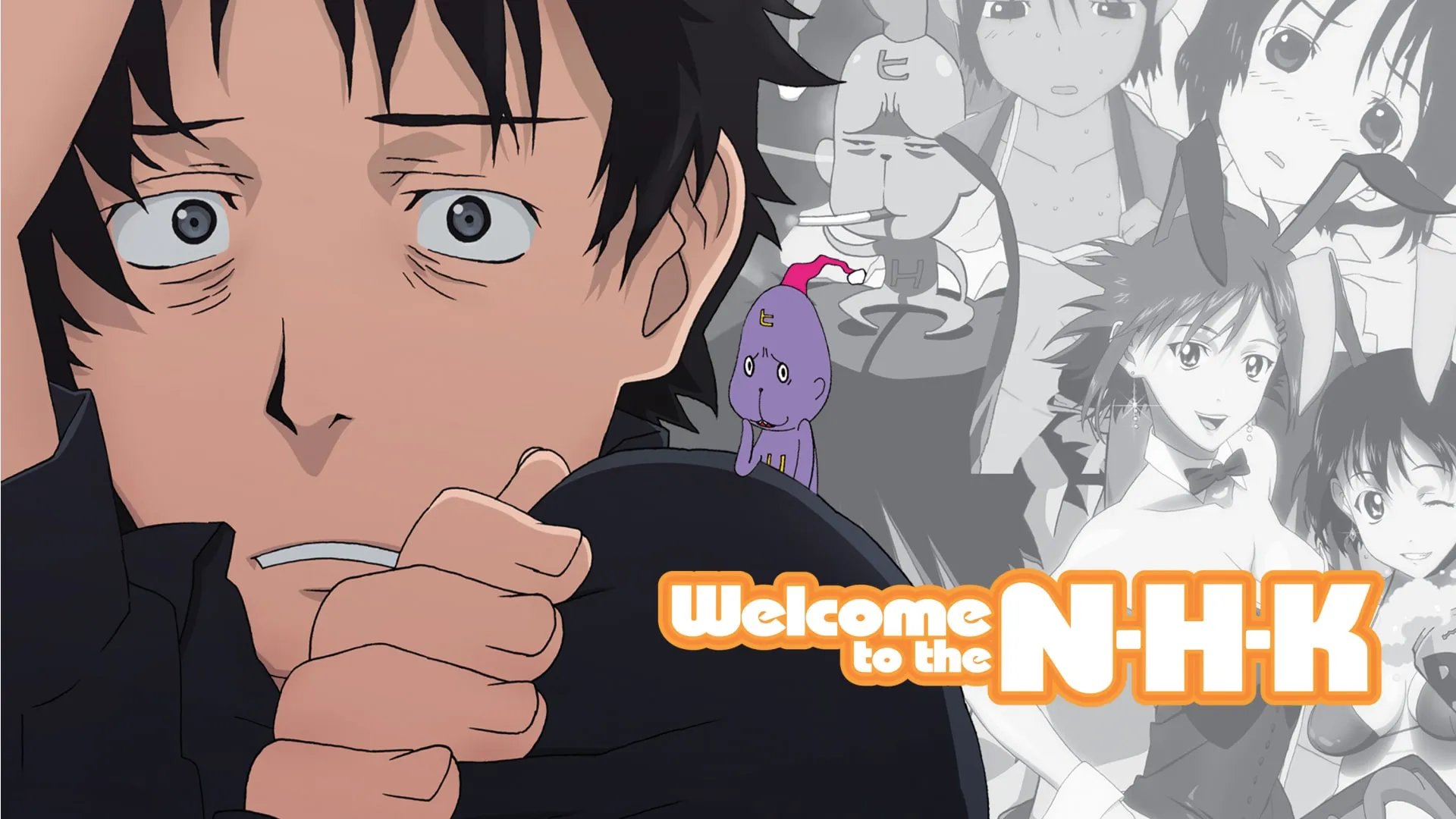
Kids on the Slope refuses this comfort. That refusal mirrors how Why Welcome to the NHK Hits Harder as You Get Older dismantles the fantasy that youthful bonds or ambitions naturally resolve into adulthood.
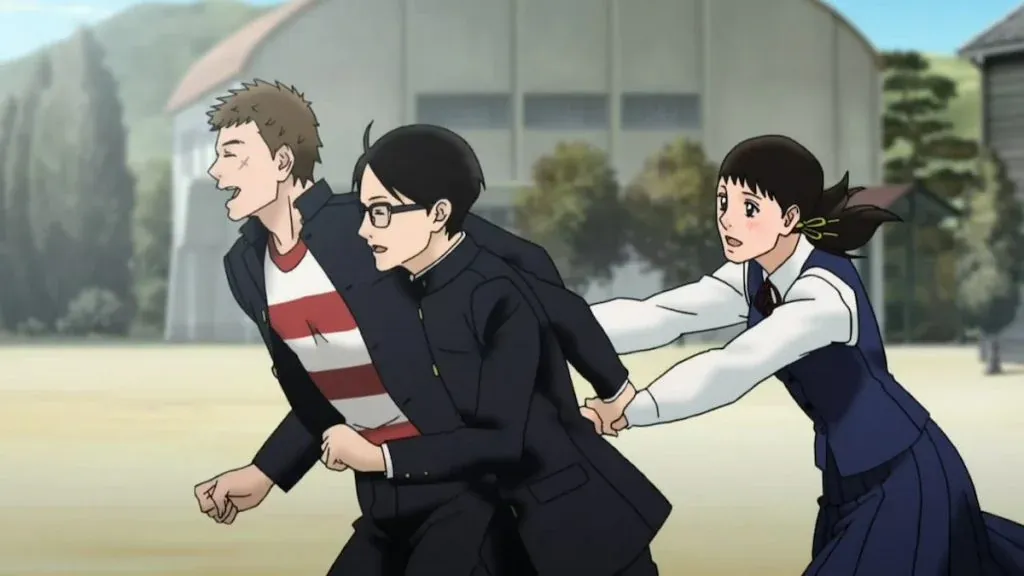
The 2012 anime follows Kaoru Nishimi, an introverted classical pianist who discovers jazz through his friendship with Sentaro Kawabuchi, the school's feared delinquent with a gentle heart. Their connection through music becomes the emotional center of both their lives during one transformative summer in 1966 Kyushu.
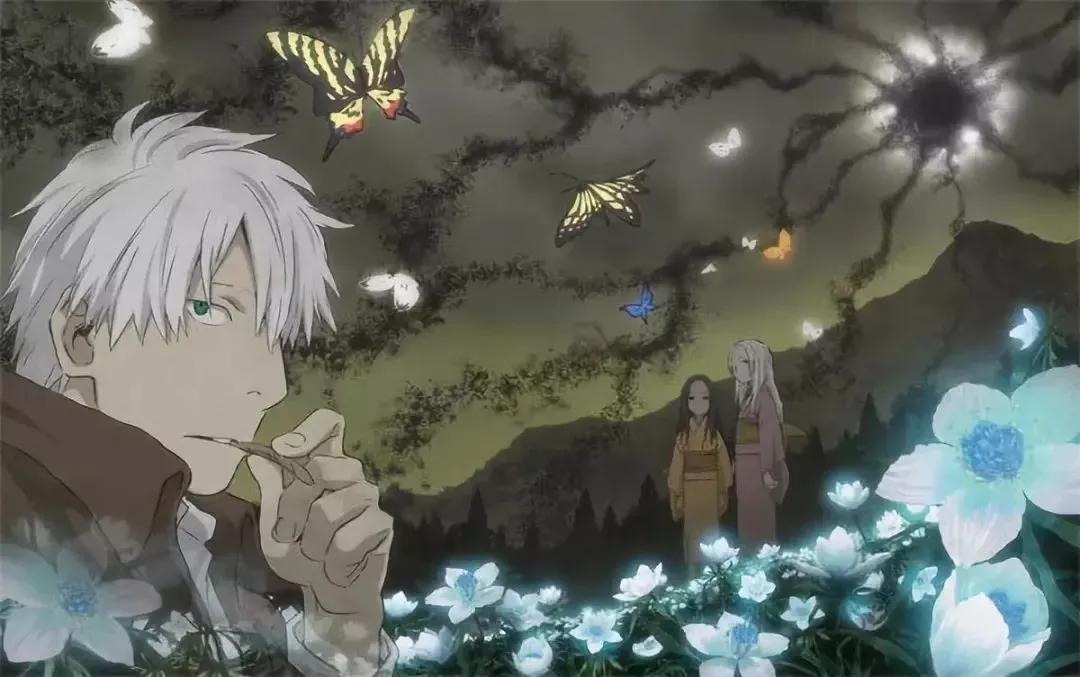
Like Mushishi, the series refuses to frame impermanence as failure. Some connections exist to change you, not to stay—and accepting that truth is part of growing up.
Then life happens. They drift apart. Years pass before they reconnect briefly, acknowledging what they meant to each other while accepting they've become different people.
The series treats this not as tragedy but as truth.
The Friendship That Changes Everything
When Kaoru transfers to a new school—the latest in a lifetime of moves caused by his father's career—he expects familiar isolation. Wealthy background, social anxiety, constant nausea from stress. He's built walls to protect himself from yet another temporary situation.
Sentaro demolishes those walls through sheer force of personality. Half-American and half-Japanese, ostracized for his mixed heritage and Catholic faith, Sentaro knows what being on the outside feels like. He refuses to let Kaoru stay there alone.
What brings them together is jazz.
Kaoru's classical training gives him technical precision. Sentaro's intuitive drumming provides raw energy. Their improvisational sessions in the basement of Ritsuko's record shop become the place where both feel completely themselves.
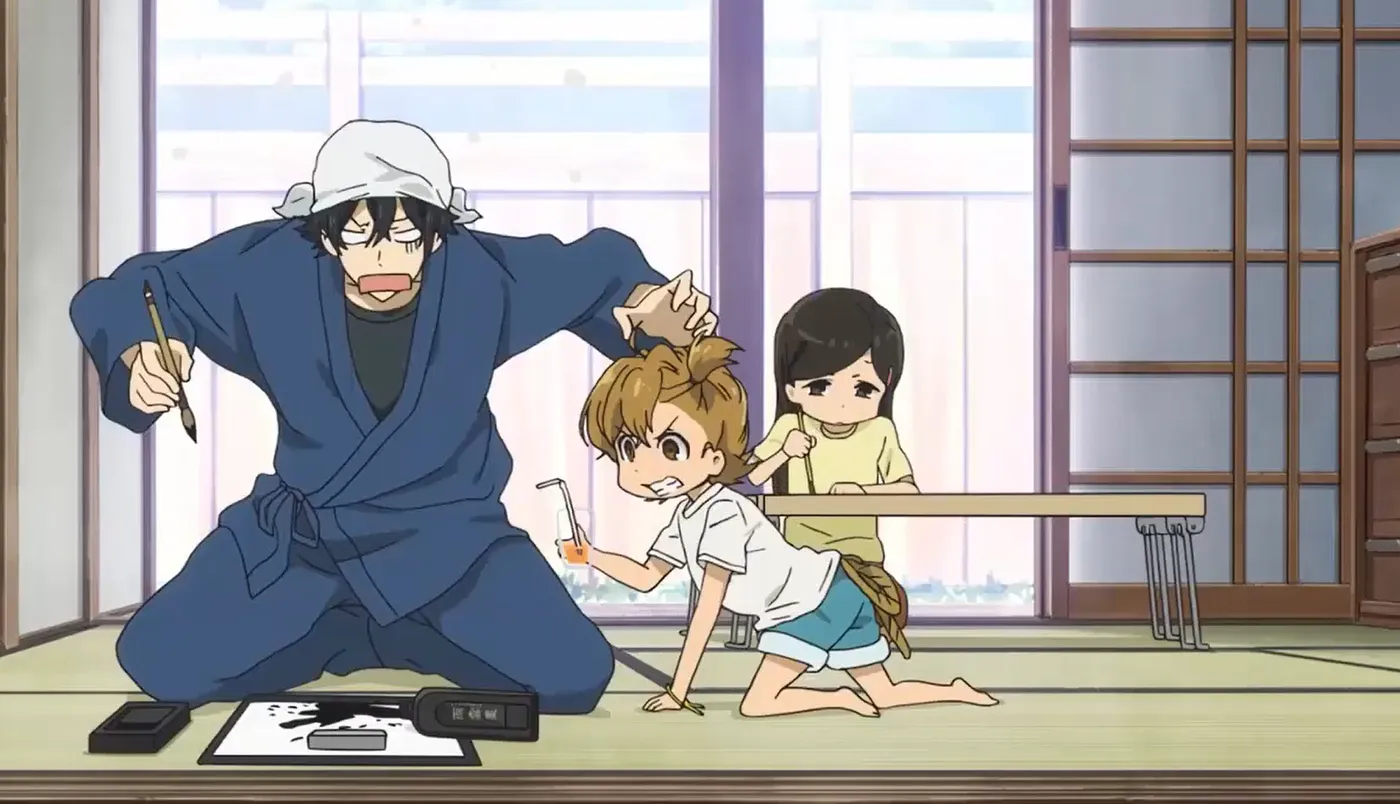
The anime captures something profound about formative friendships: they don't just add to your life—they redefine what your life could be. A similar transformation through shared experience appears in Barakamon Review: A Quiet Anime About Creative Burnout and Finding Yourself Again, where connection reshapes identity without guaranteeing permanence.
Jazz as Friendship Metaphor
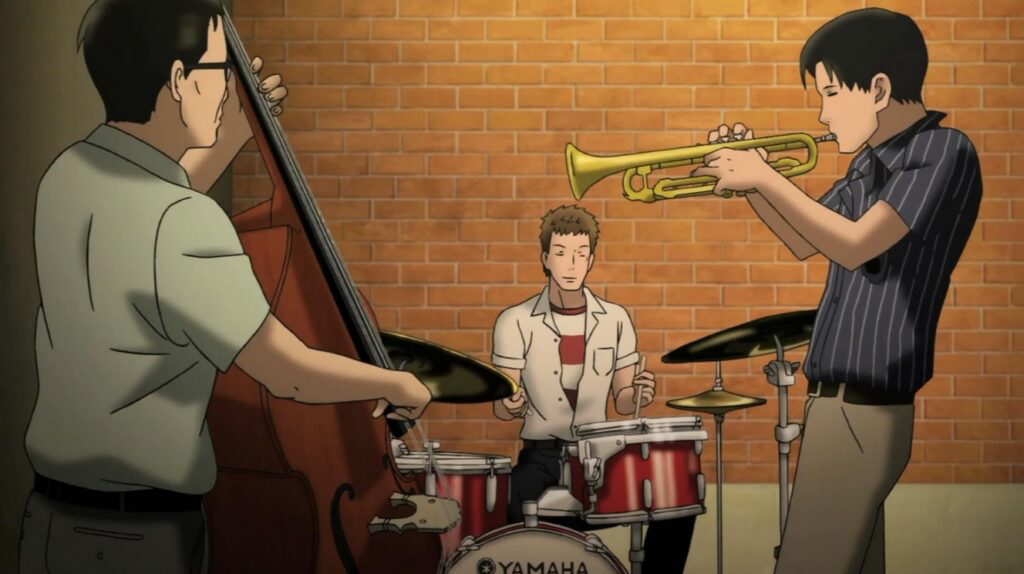
Director Shinichiro Watanabe and composer Yoko Kanno's third collaboration uses jazz deliberately. The improvisational nature of the genre mirrors how teenage friendships develop—spontaneous, unplanned, impossible to replicate.
When Kaoru and Sentaro play together, they create something neither could achieve alone. But improvisation exists only in performance. Once the moment passes, attempting to recreate it exactly produces stiff imitation rather than living music. This idea of moments losing meaning when preserved too rigidly aligns with Why Sonny Boy Confused So Many Viewers on Purpose, which treats experience as something lived, not explained or sustained artificially.
This metaphor extends to their friendship. The summer of 1966 represents their perfect improvisation—circumstances aligned to create something beautiful. But life doesn't allow permanent improvisation.
The series directed by Watanabe (Cowboy Bebop, Samurai Champloo) explores his recurring theme of bonds formed through circumstance rather than destiny. Like Spike and Jet or Mugen and Jin, Kaoru and Sentaro are thrown together by chance. The relationship matters intensely while it lasts.
Then it ends. Not through betrayal or dramatic falling out, but through the mundane dissolution of changing priorities and physical distance.
The Love Triangle That Complicates Everything
Ritsuko Mukae, childhood friend to Sentaro and crush to Kaoru, forms the third point in their emotional triangle.
Kaoru loves Ritsuko. Ritsuko loves Sentaro. Sentaro eventually loves someone else entirely.
This could have been simple romantic drama. Instead, it becomes examination of how romantic desire complicates platonic intimacy. Kaoru's jealousy when Sentaro shows interest in other girls isn't just about losing Ritsuko—it's about losing Sentaro's exclusive attention.
The series hints at but never confirms whether there's romantic dimension to their friendship. Multiple critics noted homoerotic subtext, with some interpreting their bond as deeper than either relationship with women. The ambiguity feels intentional.
What matters is that their connection operates on level neither fully understands or articulates. When external romantic interests threaten their dynamic, both react with surprising intensity.
When Misunderstanding Breaks Connection
The friendship fractures not through grand betrayal but through failure to communicate. Sentaro believes Kaoru has feelings for the same woman he does. Kaoru believes Sentaro is deliberately hurting Ritsuko. Neither asks for clarification.
They stop playing together. The jazz sessions end. The improvisation concludes.
The series presents this breakdown as achingly realistic. Teenage boys often lack vocabulary for emotional complexity. They feel betrayed without understanding why. They lash out to protect themselves from hurt they can't name.
When Sentaro leaves town abruptly—forced by family circumstances rather than choice—their reconciliation never happens. The friendship just... stops. That quiet collapse through misunderstanding feels more real than dramatic betrayal, much like the emotional fractures explored in Kids on the Slope Shows That Some Friendships Aren’t Meant to Last.
Years pass before they see each other again. By then, they've become different people. The moment has passed.
The Ending That Refuses Comfort
Kids on the Slope's finale jumps ahead to adulthood. Kaoru is a practicing doctor. Sentaro has traveled the world as a jazz drummer before returning to his roots.
They reconnect briefly. Play one last session. Acknowledge what they meant to each other.
Then the story ends. Not with promises of renewed closeness or restored intimacy. Just with mutual recognition that they shared something important that no longer exists in the same form.
This ending frustrated viewers expecting definitive closure. But it captures truth about formative friendships: reconnection after years apart often reveals you've both changed too much to resume what you had.
The love you felt was real. The importance of the relationship was genuine. But attempting to reconstruct the past diminishes what made it special.
Why This Feels More Honest
Most anime friendship narratives fall into two categories: bonds that last forever or betrayals that destroy everything. Kids on the Slope offers rare third option: friendships that are transformative and temporary simultaneously.
This reflects real experience more accurately than eternal-bonds narratives. The friend who got you through high school may not be in your adult life. That doesn't invalidate what they meant during that specific period.
The anime produced by MAPPA (their first series) suggests some relationships exist to change you, not to accompany you forever. Kaoru needed Sentaro to break out of isolation. Sentaro needed Kaoru to find musical partnership. They gave each other those things.
Once accomplished, the relationship's purpose concluded. Life pulled them different directions. This is growth, not failure.
The Bittersweet Wisdom of Impermanence
Kids on the Slope earned recognition as one of 2012's best anime partly because it treats teenage experience with unusual maturity. The series won the Shogakukan Manga Award and topped female readers' rankings for good reason—it doesn't condescend to emotions that feel overwhelming in adolescence while also providing adult perspective on their temporary nature.
The 1966 setting adds historical distance that softens the pain. Looking back decades later, even devastating teenage heartbreak gains nostalgic quality. You remember the intensity without reliving the agony.
Unlike Horimiya, which explores relationships that evolve into something sustainable, Kids on the Slope accepts that some bonds are powerful precisely because they aren’t meant to last.
This temporal distance mirrors how we process formative friendships. Years later, you remember the connection fondly without needing to recreate it. The person who mattered desperately at sixteen might be someone you exchange Christmas cards with at forty. That evolution doesn't diminish what you shared.
What The Music Teaches
Yoko Kanno's jazz score reinforces the theme constantly. The improvised sessions Kaoru and Sentaro share are beautiful precisely because they're unrepeatable. Recording them would capture sound but miss the spontaneity that made them special.
Similarly, trying to preserve a friendship past its natural lifespan often kills what made it vital. The connection exists in specific context. Remove that context, and forcing continuation produces hollow imitation of past intimacy.
The series' emphasis on live performance versus recorded music underscores this. Recordings preserve but also calcify. The magic happens in unrepeatable moments between people fully present with each other.
Once circumstances change—someone moves, priorities shift, new relationships form—attempting to maintain the exact same dynamic denies everyone's growth.
Why This Message Matters More As You Age
Young viewers often find Kids on the Slope's ending unsatisfying. They want confirmation that Kaoru and Sentaro remain close. They want romantic resolution. They want promises about the future.
Older viewers recognize the ending as gift. The series refuses to lie about how life works.
Some friendships last forever. But many of your most important relationships will be temporary. The friend who saved you at your lowest point may drift away once you're stable. The person you couldn't imagine living without at seventeen might be someone you barely keep in touch with at thirty.
This doesn't make those relationships less important. It makes them contextual rather than eternal.
The anime trusts viewers to understand that bittersweet doesn't mean bad. That temporary doesn't mean meaningless. That accepting natural endings preserves what mattered instead of destroying it through forced extension.
The Uncomfortable Truth About Growing Up
Part of maturing is accepting that not everyone from your formative years remains in your life. This feels like loss because it is loss. But it's also necessary loss.
Kaoru and Sentaro at sixteen needed each other completely. Their friendship filled voids nothing else could. But healthy adults require connections with multiple people serving different needs. Maintaining the same intensity of teenage friendship while building adult lives becomes impossible.
The series acknowledges this without judgment. Neither character failed the other. They didn't love each other less. Life simply moved them in different directions, and forcing artificial proximity would have damaged what they'd shared.
This truth applies beyond romantic relationships to all intense bonds. The friend group that felt like family in college may scatter across continents. The bandmates who swore to stay together forever may pursue different musical paths. The work partner who felt like your professional soulmate may take a job in another city.
Each ending carries grief. But also freedom to form new connections appropriate to your current self rather than who you were.
What Remains When Friendships End
The final scene suggests what endures after temporary friendships conclude: not the relationship itself, but who you became through experiencing it.
Kaoru remains someone who found confidence through jazz. Sentaro remains someone who shared his passion with another person. Those changes are permanent even as the friendship fades.
This reframes how we value relationships. Instead of measuring them by duration, the series suggests measuring them by transformation. The question isn't "how long did it last" but "who did I become because of it?"
By that standard, Kaoru and Sentaro's friendship succeeded completely. Each became better, fuller version of himself through the connection. That achievement doesn't require maintaining contact decades later.
The music they created together exists in memory. The growth they catalyzed in each other persists through their lives. The love was real even as the daily reality of the relationship ended.
Kids on the Slope offers this uncomfortable wisdom: some of your most important relationships will be temporary. That's not tragedy. It's just life. Accepting this truth allows appreciation for what connections give you during their season without bitterness about their conclusion.
The friendships that define us don't have to last forever to matter completely. Sometimes the improvisations that change everything are beautiful precisely because they end.
Frequently asked questions
Frequently asked questions
Is Kids on the Slope a sad anime?
It’s bittersweet, not tragic. The anime acknowledges loss and distance without framing them as failures. The sadness comes from realism, not cruelty.
Do Kaoru and Sentaro stay friends in the end?
They reconnect briefly as adults, but their friendship doesn’t continue in the same way. The series treats this as natural rather than disappointing.
Is Kids on the Slope a romance anime?
No. While romantic feelings exist, the core story is about friendship, emotional growth, and how relationships change over time.