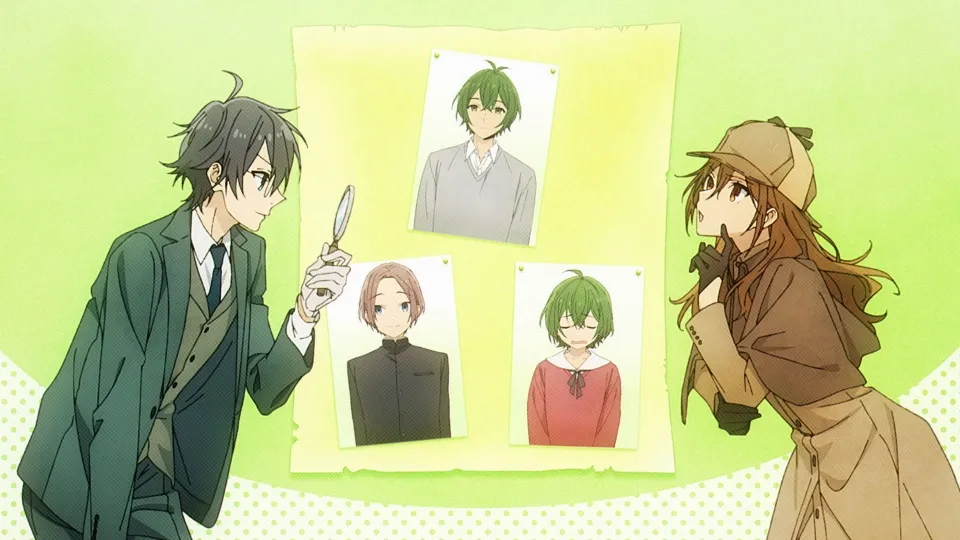

Horimiya Review Why This Romance Anime Feels So Real
Home/Anime Reviews/Horimiya Review Why This Romance Anime Feels So Real

Horimiya Review Why This Romance Anime Feels So Real

R

Rushabh Bhosale

10 views
Share:

There's something quietly remarkable about Horimiya that catches you off guard. It doesn't rely on grand gestures or endless misunderstandings. Instead, it presents a high school romance anime that feels like watching two actual people figure out how to be together. In a genre often filled with drama for drama's sake, that simplicity is what makes it special.

I've rewatched this series three times now, and that alone tells you something. Most anime don't pull me back once I know how the story ends. But Horimiya has this comforting quality that makes it worth revisiting—not for plot twists, but for the feeling it creates.

What Makes Horimiya Different

A Premise Built on Authenticity

The setup is straightforward but effective. Kyoko Hori is the popular, capable student everyone knows at school. Outside those walls, she's busy taking care of her younger brother and managing household responsibilities. Izumi Miyamura appears quiet and withdrawn in class, but beneath his school persona is someone with piercings and tattoos—a side of himself he keeps hidden.

When they meet by chance outside of school and see each other's real selves, something clicks. This slice of life anime doesn't waste time making them dance around their feelings for ten episodes. They connect because they're finally being honest about who they are, and the story respects that from the start.

What's refreshing is how quickly the romance anime moves past the "will they or won't they" phase. By episode five, they're together. The confession happens, and instead of ending there like so many stories do, Horimiya asks a better question: what comes next?

Why Their Relationship Works

Communication Over Manufactured Conflict

The heart of Horimiya is how Hori and Miyamura actually talk to each other. They're awkward sometimes. They misread situations. But when something bothers them, they bring it up. They apologize when they mess up. They check in with each other.

This might sound basic, but it's surprisingly rare in romance anime. So many series rely on characters refusing to communicate, creating tension out of stubbornness or pride. Horimiya review discussions on Reddit often highlight this as the show's greatest strength—it treats its characters like emotionally intelligent people learning how to be in a relationship.

The conflicts that do arise feel authentic quiet psychological pressure similar to 100 Meters. Miyamura worries about being good enough. Hori sometimes struggles with vulnerability. These are real insecurities that don't get solved in one dramatic moment. They're ongoing, handled with care, and worked through together. That's what makes their bond feel earned.

There's also an emotional maturity in how they handle each other's boundaries and past. Miyamura's history of loneliness and emotional isolation similar to what we see in Welcome to the NHK. Hori's need for control and her complex feelings about dependence are treated seriously. The story doesn't exploit these elements for shock value—it uses them to deepen our understanding of who these people are.

The World Around Them
Horimiya Review Why This Romance Anime Feels So Real

Supporting Characters Who Feel Like Friends

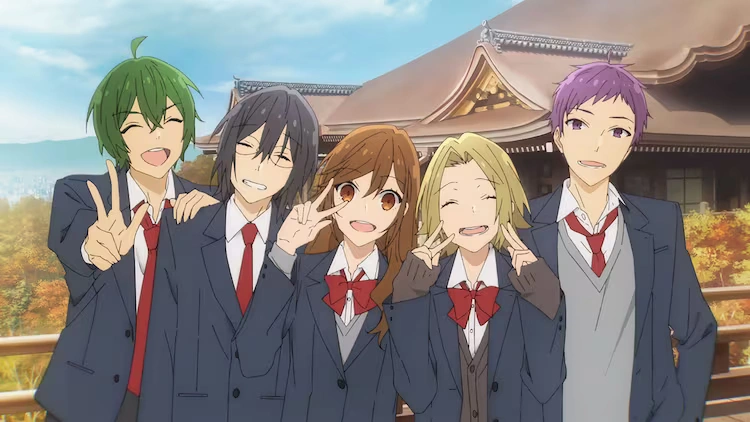
A common worry with ensemble casts in romance stories is that side characters either fade into the background or overshadow the main couple. Horimiya balances this surprisingly well. The friend group—Yuki, Toru, Sakura, Remi, Sengoku—all have their own arcs and personalities.

These aren't just cardboard cutouts who exist to comment on the main relationship. They have their own crushes, their own insecurities, their own growth. The show gives them space to breathe without losing focus on Hori and Miyamura. You end up caring about whether Toru figures out his feelings or whether Sakura finds someone who appreciates her.

The dynamic between all of them creates a sense of community that adds to the cozy atmosphere. Watching them hang out, tease each other, and support one another through small everyday challenges feels like spending time with people you actually know.

Pacing That Chooses Calm

Growth Over Manufactured Tension

One of the most common points in any Horimiya review is the pacing. The anime adapts a substantial manga in just 13 episodes, and that condensed timeline has trade-offs. Some side stories get compressed or skipped entirely. If you're a manga reader, you'll notice what's missing.

But for newcomers watching the 2021 season, the pace actually works in its favor for a specific reason: it keeps the story moving forward without dragging out the romance. We don't spend five episodes on a school festival setup. We don't linger forever on a single emotional beat.

The show trusts that you'll stay invested even without artificial cliffhangers. It's more interested in showing the slow, steady progression of people becoming comfortable with each other. That won't appeal to everyone—if you want heightened drama and constant tension, this might feel too relaxed. But if you want something that feels true to how relationships actually develop, the gentle pacing becomes a feature rather than a bug.

Here's the thing about rewatching it multiple times: you notice different details each time. Small gestures between characters. Background conversations that add context. The way certain scenes are framed to show emotional distance or closeness. Without the pressure of "what happens next," you can appreciate how carefully constructed the quieter moments are.

The follow-up series, Horimiya: The Missing Pieces, later filled in some of the gaps with side stories and character moments that didn't make it into the main show. Together, they create a fuller picture.

Visual and Audio Comfort

A Style That Supports the Tone

CloverWorks gave Horimiya a visual identity that matches its emotional core. The colors are soft and warm. The character designs have a slightly faded quality to the linework that makes everything feel lived-in rather than overly polished. The lighting shifts to match mood—golden afternoons for comfortable moments, cooler tones for introspection.

The animation isn't flashy, but it doesn't need to be. This isn't an action series. The focus is on facial expressions, body language, and the small gestures that communicate how characters feel about each other. A glance. A smile. The way someone's shoulders relax when they're around the right person.

The voice acting deserves mention too. Both Kouki Uchiyama and Haruka Tomatsu bring genuine warmth to their roles. They sound like actual teenagers navigating new feelings rather than exaggerated caricatures. The soundtrack reinforces the cozy atmosphere without overwhelming scenes—it knows when to step back and let moments breathe.

Why It Reaches Beyond Its Genre

Appealing to Romance Skeptics

If you typically avoid romance anime, Horimiya might surprise you. It doesn't lean heavily on tropes or fanservice. There's no accidental groping, no exaggerated misunderstandings, no love triangles that drag on for the entire season.

Instead, it offers something closer to a character study. The Horimiya age rating of PG-13 reflects content that's mature in emotional terms without relying on edginess. It explores what it means to be seen by another person, to trust someone with the parts of yourself you usually hide, and to build something together one conversation at a time.

The slice of life elements give it broad appeal too. Even if you're not invested in the romance aspect, there's value in watching a group of friends navigate the small victories and setbacks of high school life. It captures that specific feeling of being young and figuring things out—the awkwardness, the warmth, the uncertainty about the future.
Horimiya
Horimiya

Final Thoughts

The Verdict

Rating: 8.5/10

Horimiya won't satisfy everyone. If you need constant plot twists or high-stakes drama, you might find it too quiet. If you're attached to the manga and expect every chapter adapted, you'll be disappointed by what's compressed.

But here's what it gets right:

It understands that the most compelling part of a romance isn't the chase—it's what happens after. It treats its characters with respect and emotional intelligence. It knows that real connection comes from being vulnerable and honest, not from elaborate schemes or misunderstandings.

Should you watch it?

If you want a high school romance anime that feels grounded and sincere, yes. If you're tired of love stories that rely on miscommunication and manufactured conflict, absolutely. If you just want something warm and comforting to watch after a long day, it delivers that too.

Why it stays with you:

Horimiya doesn't try to be epic or groundbreaking. It succeeds by being honest. The relationship between Hori and Miyamura works because they work at it. They show up for each other. They communicate even when it's uncomfortable. They grow together without losing themselves.

Three watches in, and I'm still finding moments that hit differently depending on where I am in life. That's the mark of something well-crafted—it doesn't lose its impact once you know the story. If anything, knowing where things are headed lets you appreciate the journey more.

In the end, Horimiya feels memorable not because it shocked you or made you cry a dozen times, but because it reminded you what healthy love actually looks like. It's quiet, considerate, sometimes messy, and genuinely worth the effort. That's the kind of realness that sticks with you long after the credits roll.

Tags

Frequently Asked Questions

Is Horimiya worth watching if you don’t usually like romance anime?

Yes. Horimiya focuses more on realistic communication and emotional growth than typical romance tropes, making it appealing even to viewers who usually avoid the genre.

Does Horimiya have a happy ending?

Yes. Horimiya concludes on a positive and emotionally satisfying note, focusing on growth, stability, and the continuation of everyday life rather than dramatic twists.

Is Horimiya based on a completed manga?

Yes. The Horimiya manga is complete, and the anime adapts the main storyline, with Horimiya: The Missing Pieces covering additional side stories.

What makes Horimiya different from other high school romance anime?

Horimiya stands out for its grounded characters, early relationship development, and emphasis on healthy communication instead of prolonged misunderstandings.
Why Made in Abyss Is Beautiful and Horrifying
Next in Anime Reviews

Next up

Why Made in Abyss Is Beautiful and Horrifying | Studio Ghibli Meets Body Horror

Made in Abyss (2017) weaponizes the contrast between its childlike Studio Ghibli-inspired art style and its brutal body horror to create uniquely unsettling storytelling. The series follows children Riko and Reg descending into a mysterious pit called the Abyss, where cute character designs collide with graphic violence, psychological trauma, and existential dread. The beauty—hand-painted backgrounds, whimsical creatures, wonder-filled exploration—makes the horror hit harder. When characters suffer horrific injuries or transformations, the contrast between what you see (adorable kids) and what happens to them (dismemberment, body horror, death) creates cognitive dissonance that haunts viewers long after watching. This isn't accidental—it's the core of what makes Made in Abyss both a masterpiece and deeply controversial. Since its 2017 release, Made in Abyss has maintained an 8.6+ rating on MyAnimeList and won the 2018 Anime of the Year award at Crunchyroll, proving its impact despite—or because of—its controversial content. The Deceptive First Impression Made in Abyss draws viewers in with delicate, storybook visuals and a childlike sense of wonder. The first episodes feel cozy—quirky interactions, whimsical creature designs, and soft character expressions that give off a sense of safety and innocence. The chibi-style animation reminds viewers of Studio Ghibli's warmest works. Hand-painted backgrounds rival theatrical productions. Sunlight hits the town of Orth beautifully, rivers weave through districts, and everything looks meticulously crafted. Then episode 10 happens. When the Mask Falls Off What appears at first to be a cutesy adventure story evolves into a claustrophobic, disturbing fable of single-minded determination and a desperate struggle against overwhelming odds that portrays both brutal violence and severe bodily mutilation involving children. The tonal shift doesn't arrive gradually. It lands with disturbing force—sudden violence, brutal injuries, psychological trauma, and body horror creep into the narrative, shattering any expectation of a fun adventure. Similar to how Evangelion uses mecha to explore depression, Made in Abyss uses its genre trappings (adventure anime) to smuggle in much darker themes about human cost and sacrifice. The Studio Ghibli Aesthetic Hiding Cosmic Horror The comparison to Studio Ghibli isn't superficial. Made in Abyss deliberately evokes that aesthetic—the organic, curvilinear art style, the fantasy environments, the attention to environmental detail that makes worlds feel lived-in. But where Ghibli uses that style to create comfort and wonder, Made in Abyss uses it as camouflage. Art Style as Weapon The art isn't just beautiful—it's strategically beautiful. The cuter the characters look, the more disturbing it becomes when terrible things happen to them. The Puni Plush aesthetic can be misleading. Made in Abyss is in fact a full-throated Cosmic Horror Story with a caliber of body horror and ultra-violence comparable to some of anime's most uncompromising dark fantasy. This creates cognitive dissonance. Your brain sees adorable children with big eyes and soft features. Then those same children suffer injuries depicted in agonizing, unflinching detail—bones breaking, flesh tearing, bodies transforming into something unrecognizable. The contrast makes both elements stronger. The beauty emphasizes the horror. The horror makes the beauty feel fragile, temporary, a thin veneer over something monstrous. The Abyss Itself: Beauty That Kills The Abyss is the series' central metaphor—a massive, mysterious pit filled with ancient relics, strange creatures, and otherworldly beauty that hides its grim nature. No one knows how deep it goes or how it came to be. It's an Eldritch Location that causes phenomena by sheer proximity. Time moves strangely in the depths. Trying to ascend causes life-threatening symptoms called "the Curse." The Descent as Metaphor Going into the Abyss is a one-way journey. Each layer down increases danger. The Curse ensures that returning becomes progressively impossible—mild nausea at shallow depths, intense pain deeper, hallucinations deeper still, and eventually death or transformation into something no longer human. This "no going back" motif solidifies the horror. You're stuck in your pursuit, trapped in Dante's Inferno's downward spiral with no escape route. This connects to how Mushishi shows problems that can't be fixed—some journeys don't have happy endings, some costs can't be undone. When Body Horror Happens to Children The series' most controversial aspect is its willingness to depict graphic violence and body horror involving child characters. The Poison Scene That Changes Everything Episode 10 features Riko being poisoned by an Orb Piercer. The poison works fast—her hand balloons grotesquely, blood pours from her eyes and ears. To save her life, Reg must break her arm with a rock, then amputate it while she screams in agony. The scene is brutal, extended, and unflinching. Smashing, screaming, and shredding fill the soundscape with disturbing vibes. It's rough and ugly in ways that would benefit from leaving elements implied rather than displayed. But that's the point. Made in Abyss refuses to look away. The series argues that if you're going to show children in danger, you have to show the actual consequences—not sanitized action-hero injuries that heal by next episode. This parallels the dark side of competition shown in 100 Meters anime—both series refuse to prettify suffering. Bondrewd: The Monster Who Loves The character who embodies Made in Abyss's thematic horror is Bondrewd, a White Whistle explorer who conducts human experimentation in the Abyss's depths. He's polite, articulate, even gentle in manner. He seems like a stand-up character. But he's responsible for atrocities carried out under the guise of progress and paternal care. The Mitty and Nanachi Tragedy Bondrewd tells two children—Mitty and Nanachi—that he'll send them deep into the Abyss then bring them back up to study the Curse's effects. When they ascend, Mitty takes the full force of the Curse. Her body transforms into a blob-like creature in constant pain, unable to die, screaming as Nanachi is forced to watch helplessly. Bondrewd then experiments on Mitty's immortal body, destroying and regenerating her organs repeatedly. The horror isn't just the body horror—it's that Bondrewd genuinely believes his work is righteous. He's the most memorable villain in recent memory, in the worst way. Despite the horror of his actions, he genuinely believes that his work is for progress, even as it destroys countless lives. The series questions whether intent matters when the outcome is monstrous. The Curse of the Abyss: Consequences That Matter Unlike most adventure anime where injuries heal conveniently, Made in Abyss enforces permanent consequences through the Curse system. How the Curse Works Each layer of the Abyss has a "Curse"—symptoms that occur when ascending: Layer 1: Mild dizziness and nausea Layer 2: Heavy nausea, headache, numbness Layer 3: Vertigo, hallucinations, balance loss Layer 4: Intense pain throughout body, bleeding from every orifice Layer 5: Complete sensory deprivation, self-harm, loss of humanity Layer 6: Death or loss of humanity/transformation into something monstrous This creates constant dread. Every step deeper makes returning more impossible. Characters can't just decide to leave—physics itself prevents escape. The Curse turns adventure into trap. Similar to why Monster feels more terrifying than horror anime, the horror comes from inevitability, not jump scares. Why the Beauty Makes the Horror Worse The series maintains visual beauty throughout its darkest moments. Even in the deepest, most dangerous layers, the Abyss remains stunning. Bioluminescent creatures glow softly. Underground ecosystems burst with color. Ancient ruins inspire awe. When Reg and Riko share quiet moments discovering new creatures, when they laugh together despite everything, when they create temporary safety in hostile territory—these moments make the horror that follows unbearable. You care about these characters. You want them to be okay. The series gives you reasons to hope, then systematically destroys that hope in ways that feel earned, not exploitative. For viewers seeking similar tonal whiplash, 10 underrated anime you probably missed includes other series that balance beauty with darkness. The Music That Shouldn't Work But Does Composer Kevin Penkin created a soundtrack that matches the visual contrast—beautiful, sometimes playful orchestration accompanying horrific scenes. The song "Underground River" begins slow and quiet, builds to sharp and blaring intensity, then mellows out. It contains meaningful lyrics highlighting themes of descent and discovery. "Hanezeve Caradhina" plays during tragic moments with haunting vocals that sound both ancient and alien. The music treats the Abyss as sacred, not evil—a place of wonder that happens to kill people. This creates emotional whiplash that reinforces the series' core tension: beauty and horror aren't opposites here. They're the same thing. Who Should (and Shouldn't) Watch This Watch If You: Appreciate anime that takes creative risks Can handle graphic content if it serves thematic purpose Enjoyed other "cute exterior, dark interior" series like Madoka Magica Want fantasy adventure that respects consequences Can separate art style from content maturity Skip If You: Can't handle body horror or child endangerment Prefer sanitized adventure stories Need happy resolutions to justify dark content Are sensitive to graphic depictions of suffering Expect art style to indicate content rating This connects to how Chainsaw Man feels wrong on purpose—discomfort can be intentional artistic choice. What Made in Abyss Actually Achieves The series succeeds at something rare: making beauty and horror inseparable. Most anime separate them—beautiful moments provide relief, horrific moments create contrast. Made in Abyss refuses this separation. Despite its heavy themes, the series maintains delicate balance through pacing that alternates between wonder, tension, and horror—preventing darker elements from becoming overwhelming while never sanitizing consequences. Nearly a decade after its 2017 premiere, Made in Abyss remains both celebrated and controversial. Its refusal to look away from the costs of adventure created something that haunts viewers in ways typical horror anime can't achieve. Because when horror wears the face of wonder, you can never look at wonder the same way again.

Filed 11 Feb 2026