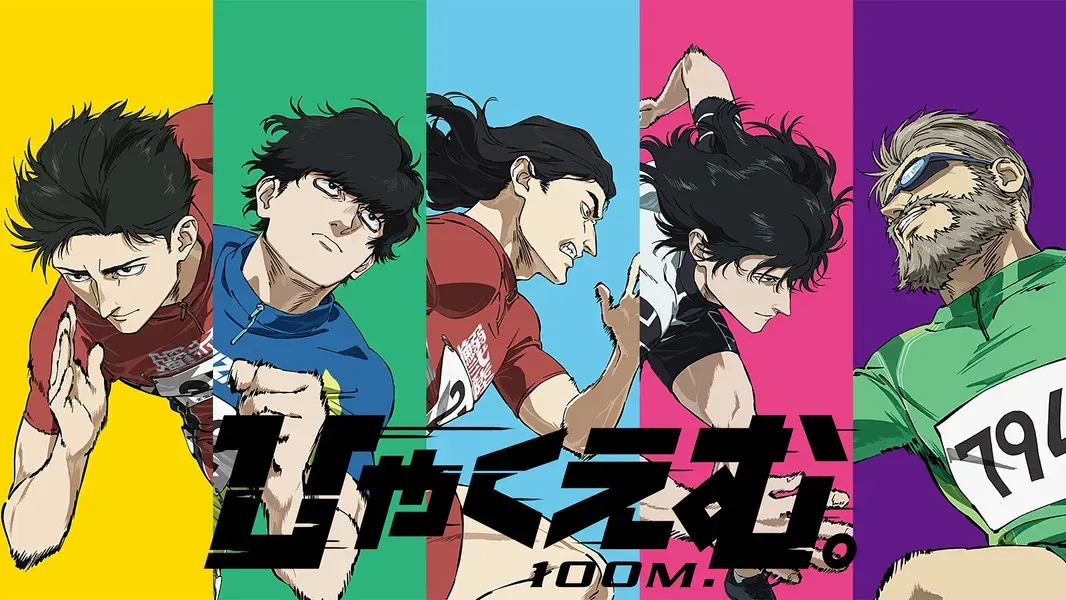

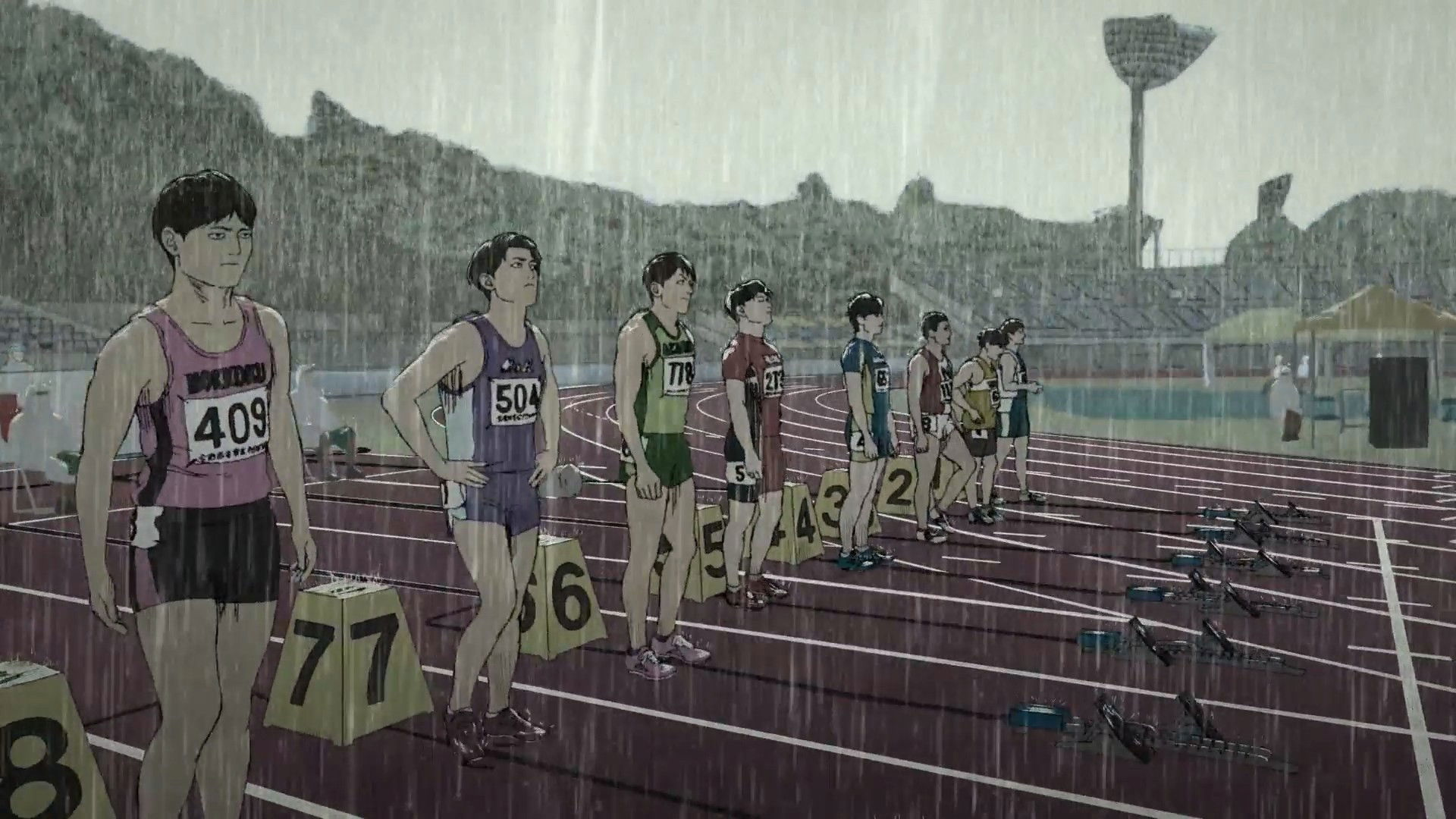
There's a moment in 100 Meters where Togashi stands at the starting line, and the silence becomes unbearable. Not because the film needs noise, but because you can feel the weight of everything that led to this point pressing down on him. That's what 100 Meters does best—it makes you feel the heaviness of a race that's over in less than ten seconds.
Released in 2025 and now streaming on Netflix, 100 Meters (Hyakuemu.) is a Japanese anime film directed by Kenji Iwaisawa, adapted from Uoto's manga of the same name. It's not a typical sports anime. There are no tournament arcs, no training montages set to J-pop, and no team of quirky side characters cheering from the sidelines. Instead, it's a quiet, introspective film about two runners—Togashi and Komiya—whose rivalry spans childhood to professional careers, and the toll that obsession takes on both of them.
What makes 100 Meters stand out among anime films is its refusal to lean on spectacle. This is a story about identity breaking under pressure, similar to how Perfect Blue explores psychological collapse without spectacle.
What Kind of Sports Anime Is This?
100 Meters isn't trying to pump you up or make you believe in the power of friendship. It's closer to a psychological drama that happens to be about running. The film follows two sprinters whose rivalry defines them, and eventually breaks them. If you're expecting the emotional highs of traditional sports anime, you'll be thrown off by how subdued and introspective this feels.
It mirrors the real cost of improvement, where effort stops being inspiring and starts becoming destructive.
The anime streaming on Netflix has found an audience precisely because it's different. It's for viewers who want something that lingers rather than something that energizes.
The Pacing Problem That Isn't Really a Problem
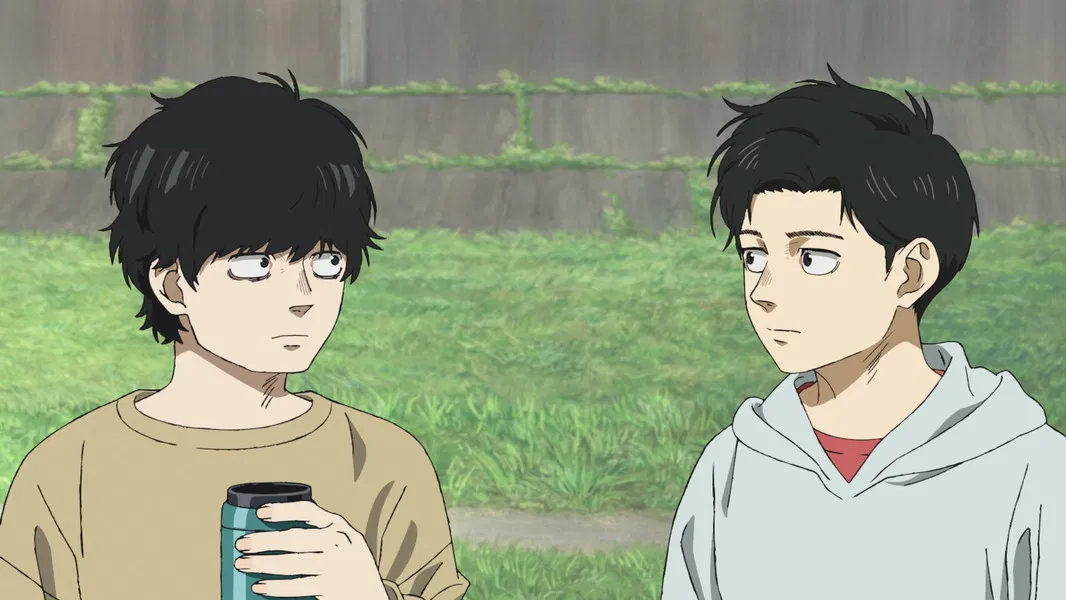
For a film about sprinting, 100 Meters moves deliberately. The runtime allows the story to breathe without dragging, letting moments of silence carry as much weight as dialogue. Early scenes establish Togashi as a natural talent—someone who wins without trying, which sounds like a blessing until you realize it's his curse. He doesn't know how to struggle, so when Komiya arrives and starts catching up through sheer determination, Togashi doesn't know how to respond.
The film doesn't rush to the final race. It takes its time showing you how rivalry can become identity, how competition can hollow you out until there's nothing left but the need to win.
Why the Slow Burn Works
Scenes linger on faces, on breathing, on the moments before a race starts when doubt creeps in. The pacing mirrors the experience of standing on a starting block—time stretches, your heartbeat becomes deafening, and everything narrows to a single point.
This deliberate pacing won't work for everyone. If you're expecting the high-energy momentum of something like Haikyuu!! or Blue Lock, 100 Meters will feel slow. But that slowness is intentional. It's building something—dread, pressure, the creeping realization that no matter how fast you run, you're still racing against yourself.
The tension doesn't come from wondering who will win. It comes from watching two people destroy themselves in pursuit of ten seconds of validation.
Competition as Self Destruction
What makes the central conflict work is how personal it becomes. Togashi and Komiya aren't just rivals—they're mirrors reflecting each other's worst fears. Togashi is terrified of losing his natural gift, of becoming ordinary. Komiya is terrified that no matter how hard he works, he'll never be enough. Their rivalry pushes them both forward, but it also breaks them in ways the film doesn't shy away from showing.
The anime portrays competition as something that consumes. Not in a dramatic, explosive way, but in the quiet erosion of self. Togashi's obsession with staying ahead leads to isolation. Komiya's relentless training becomes self-punishment.
Why This Rivalry Feels Different
The film asks uncomfortable questions: What does it mean to win if you've destroyed yourself to get there? What do you do when the only thing that defines you is something you can only do for a few more years?
100 Meters gained popularity on Netflix not because it glorifies athletic dedication, but because it shows the cost. The film's reception seems rooted in how honest it is about pressure—something that resonates beyond sports. It's about anyone who's tied their identity to being the best at something, and what happens when that's no longer enough.
The Characters Feel Real Because They're Broken
The film doesn't waste time on elaborate backstories. You learn about Togashi and Komiya through what drives them, not through flashbacks explaining their childhood trauma. Togashi is defined by his need to prove he's still exceptional. Komiya is defined by his refusal to give up, even when his body screams at him to stop.
What's compelling about both characters is how they're trapped by what they want. Togashi can't enjoy running anymore because winning is expected, not celebrated. Komiya can't enjoy running because he's always chasing someone just out of reach.
Supporting Characters Exist in the Margins
The film doesn't present either approach as "correct." Both are destructive, and watching them spiral is what makes 100 Meters so uncomfortable to sit through.
The supporting characters exist mostly on the periphery—coaches, family members, other runners—but they serve a purpose. They're the people Togashi and Komiya are leaving behind in their pursuit of speed. The film doesn't need to spell this out; you feel it in the distance that grows between them and everyone else.
The Animation Makes You Feel Every Breath
100 Meters uses rotoscoped animation—traced over live-action footage—to create a hyper-realistic sense of motion. When the characters run, you feel the strain in their muscles, the way their bodies move just slightly off-balance when fatigue sets in. It's not flashy animation, but it's visceral. Every breath, every stumble, every moment of hesitation is visible.
This technique is what sets 100 Meters (2025) apart visually from other sports anime. The physicality feels earned, not stylized.
Sound Design That Amplifies the Anxiety
The sound design does most of the heavy lifting. Races are loud—pounding footsteps, labored breathing, the roar of a crowd—but between races, the film goes quiet. Those silences are where the anxiety lives. You hear characters breathing too hard, or the faint hum of ambient noise that makes you realize how alone they are even when surrounded by people.
The music is minimal and used sparingly, which makes it hit harder when it does appear. The score doesn't try to manipulate your emotions; it underscores what's already there. The anime's soundtrack doesn't distract—it amplifies the mood, letting the weight of the story settle on you without interference.
Who Should Watch 100 Meters on Netflix
100 Meters is for people who want character-driven sports drama that's more The Wrestler than Rocky. If you're interested in stories about obsession, identity, and the cost of chasing excellence, this will stick with you. If you've ever felt defined by one thing you're good at and wondered what happens when that's taken away, this film will be uncomfortably relatable.
It's also worth watching if you're into anime films that prioritize atmosphere and mood over plot complexity. The story is simple, but the emotional layers are not.
Who Might Struggle With It
100 Meters is not for viewers looking for feel-good sports anime. There's no underdog triumph here, no moment where everything clicks and the protagonist learns to love the game again. This is a film about people who've already given too much, and it doesn't offer easy answers or redemptive arcs.
If you need your sports stories to end with catharsis, this might leave you frustrated. The limited anime release in theaters and its subsequent availability on Netflix in late 2025 has made 100 Meters accessible to a wider audience, but it's not an easy watch. It's the kind of film you need to be in the right headspace for.
Where to Watch 100 Meters Anime
If you're looking for where to watch 100 Meters anime, it's currently streaming on Netflix in multiple regions. The 100 Meters anime release date on Netflix was December 2025, following its theatrical run earlier in the year. For those who prefer the big screen experience, 100 Meters manga fans got to see the theatrical release first, though the Netflix release has made it far more accessible to international audiences.
What Stays With You After the Credits Roll
100 Meters doesn't end with resolution—it ends with exhaustion. Not the triumphant kind, but the hollow kind where you've crossed the finish line and realized it didn't fix anything. The final race is tense and beautifully animated, but what lingers isn't who wins. It's the look on their faces after. The realization that this is all there is—ten seconds of running, and then nothing.
The film leaves you thinking about what we sacrifice for the things we're good at, and whether it's worth it. It doesn't give you an answer because there isn't one. Some people will watch 100 Meters and see a cautionary tale. Others will see themselves.
The Quiet That Follows
What struck me most after watching 100 Meters (2025) was how quiet the ending felt. Not peaceful—just quiet, like the moment after you've been holding your breath for too long and finally exhale. The anime doesn't tell you how to feel about what you just watched, and that ambiguity is what makes it worth watching.
It trusts you to sit with the discomfort, to think about what it means to run toward something when you're not sure what you'll find at the finish line.
100 Meters isn't the kind of anime you recommend lightly. It's heavy, deliberate, and doesn't offer easy comfort. But if you're willing to sit with it, it'll leave you thinking long after the credits roll—about ambition, identity, and the cost of being exceptional at something that won't last forever.
Frequently asked questions
Frequently asked questions
Where can I watch 100 Meters anime?
100 Meters is currently streaming on Netflix in select regions.
Is 100 Meters a feel-good anime?
No. It’s a heavy, introspective film that explores the emotional cost of competition rather than offering a triumphant sports story.
Is 100 Meters based on a manga?
Yes. The anime film is adapted from the manga Hyakuemu. by Uoto.
How long is the 100 Meters anime film?
The film has a short runtime, but it uses its time deliberately, focusing on atmosphere and character psychology.
Is 100 Meters worth watching?
If you enjoy character-driven anime and stories about obsession and ambition, it’s absolutely worth watching. If you prefer high-energy sports anime, it may feel slow.