
Hajime no Ippo transcends typical sports anime by brutally depicting the genuine cost of self-improvement: physical destruction, emotional sacrifice, relationships strained by obsession, and the psychological toll of enduring pain to become stronger. Unlike series that romanticize training montages, this boxing anime forces viewers to confront what improvement actually demands—endless repetition, accumulating damage, and the terrifying realization that getting better might require losing parts of yourself along the way.
There's a moment early in Hajime no Ippo where protagonist Ippo Makunouchi realizes something terrifying.
Getting stronger hurts. Not just physically—though his hands bleed, his body screams, his face swells beyond recognition after fights. It hurts in ways that don't heal overnight. It means choosing the gym over friends. It means his widowed mother working alone while he pursues a dream that might break him. It means enduring opponents who want to destroy him, coaches who push him past limits he didn't know existed, and rivals who make him question whether he's capable of the strength he's chasing.
Most sports anime gloss over this reality. Training montages set to uplifting music make improvement look inevitable, even fun. Hajime no Ippo does something different. It shows you the price tag. Then it asks whether you're willing to pay it.
The Brutal Honesty of Physical Improvement
What Training Actually Looks Like
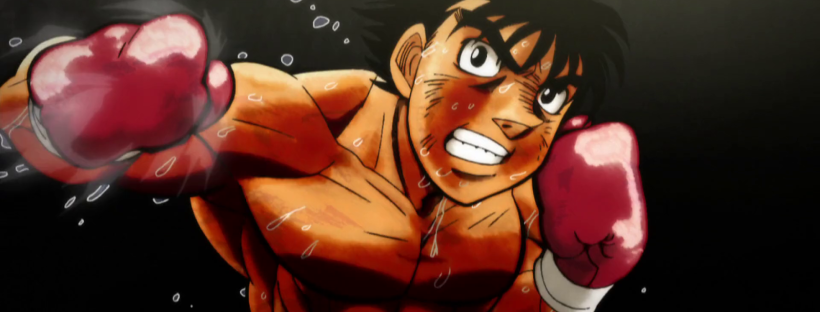
Ippo's journey from bullied high school student to professional boxer doesn't begin with talent. It begins with catching leaves in the forest—a seemingly absurd exercise that trains reflexes through hundreds of failed attempts. It continues with roadwork at dawn, punching bags until knuckles split, sparring sessions where more experienced fighters use him as a practice dummy.
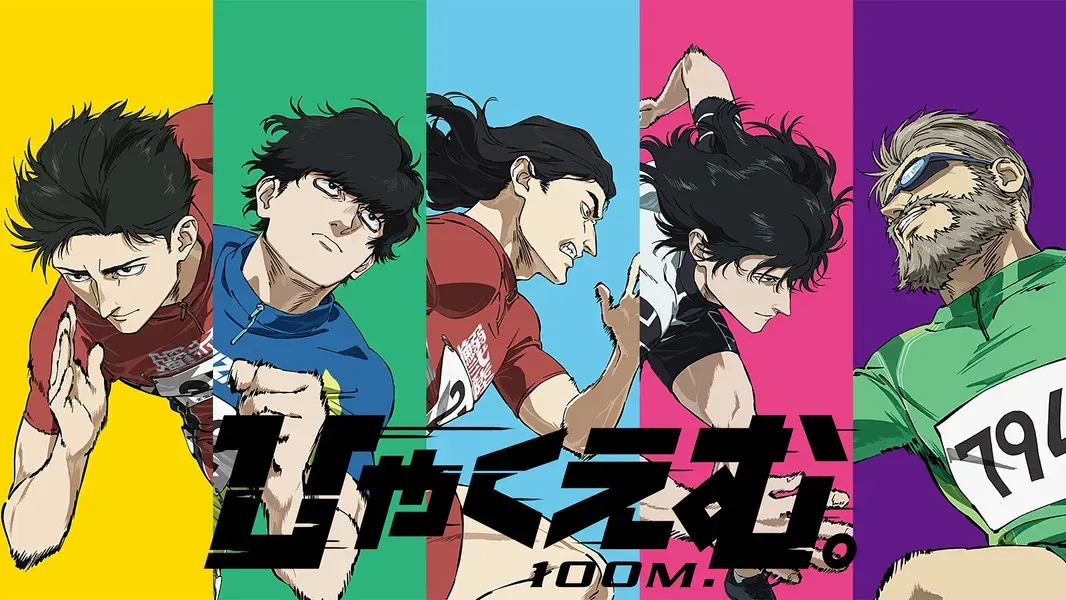
Like 100 Meters, Hajime no Ippo refuses to glorify victory, focusing instead on the damage competition leaves behind.
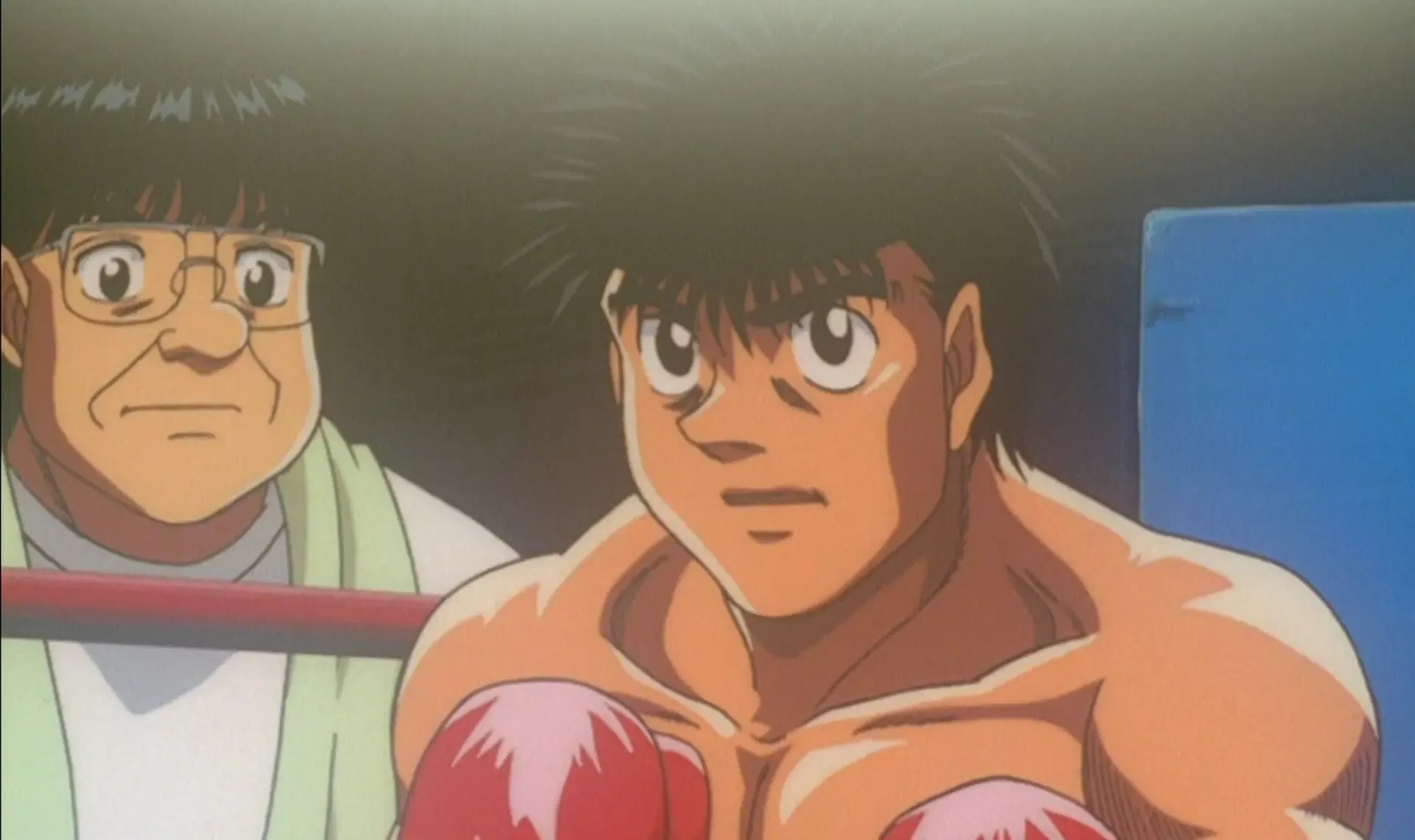
The anime doesn't cut away from the unglamorous parts. You watch Ippo's mother bandage his hands night after night. You see him ice injuries that won't fully heal before the next training session. The series makes clear that physical improvement isn't a straight line upward—it's accumulating damage in exchange for incremental gains, hoping your body adapts faster than it breaks down.
The manga has surpassed 100 million copies in circulation, partly because it refuses to lie about what boxing demands. Every punch Ippo throws brings him closer to brain damage. Every fight he wins shortens his career. The strongest boxers aren't those with the most talent—they're those willing to endure the most punishment while moving forward.
The Cost Your Body Pays
Professional boxing in Hajime no Ippo isn't portrayed as noble combat. It's two people systematically destroying each other's bodies while crowds cheer. Ippo develops signature techniques like the Dempsey Roll not through sudden inspiration but through tens of thousands of repetitions that leave him vomiting from exhaustion.
The series explores themes rarely addressed in sports anime: weight cutting that leaves fighters dangerously dehydrated, accumulated concussions that cause memory problems, injuries that never fully heal. Characters like Eiji Date show what happens to boxers who stay in the ring too long—their bodies betraying them, their reactions slowing, their ability to protect themselves deteriorating.
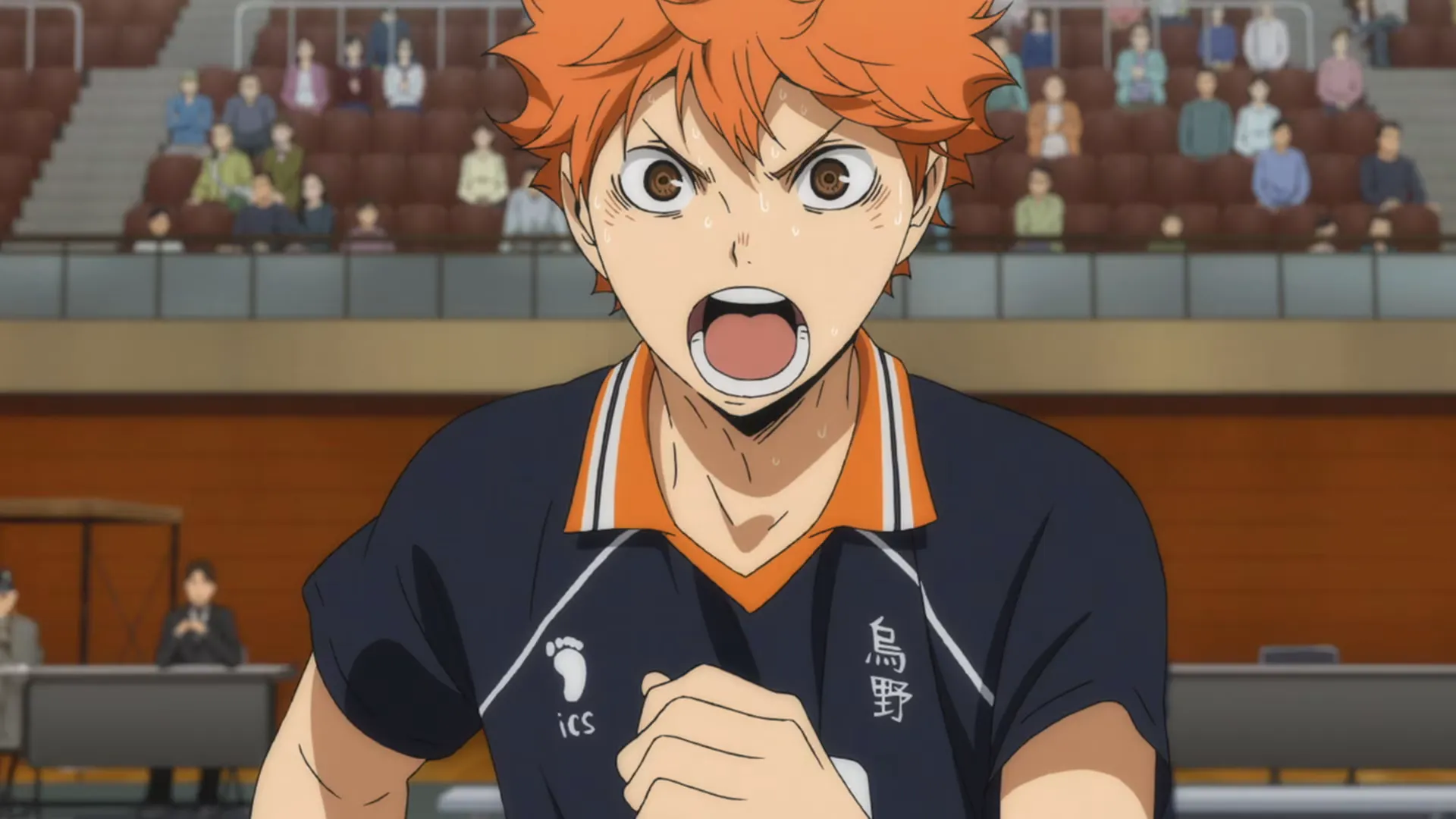
Even comparatively optimistic sports anime like Haikyuu acknowledge this cost, showing how relentless repetition, injury risk, and emotional burnout quietly accumulate behind moments of victory.
This realism resonates because it applies beyond boxing. Real improvement in any field requires physical sacrifice. Musicians develop repetitive strain injuries. Artists ruin their eyes and backs. Athletes accumulate damage that manifests decades later. Hajime no Ippo doesn't celebrate this sacrifice—it documents it unflinchingly and asks whether the destination justifies the toll.
The Psychological Weight of Obsession
This same idea appears in modern sports anime like Blue Lock Season 3, where improvement is driven less by teamwork and more by ego, isolation, and the mental strain of proving individual worth under relentless pressure.
When Dedication Becomes All-Consuming
What separates Hajime no Ippo from typical sports anime is its willingness to show how improvement consumes everything else in your life. Ippo doesn't casually train a few hours daily while maintaining a normal existence. Boxing becomes his identity to the point where he literally dreams about technique, visualizes fights during school, and structures his entire life around the gym.
The series presents this obsession without judgment, showing both its power and its cost. Ippo's relationships suffer. His social life disappears. His mother watches her son voluntarily subject himself to violence she can't understand. The anime asks an uncomfortable question: is this level of dedication admirable or concerning? The answer seems to be both.
Ippo’s quiet self-doubt and isolation echo the emotional paralysis seen in Why Welcome to the NHK Hits Harder as You Get Older, where survival slowly replaces dreams.
Characters like Mamoru Takamura exemplify this dynamic. His larger-than-life personality and incredible skill mask the reality that he's sacrificed normal human connections for boxing excellence. He maintains killing weight cuts, alienates people with his abrasive behavior, and channels everything into becoming world champion. Success doesn't fix the parts of himself he's sacrificed along the way.
The Mental Toll of Repeated Failure
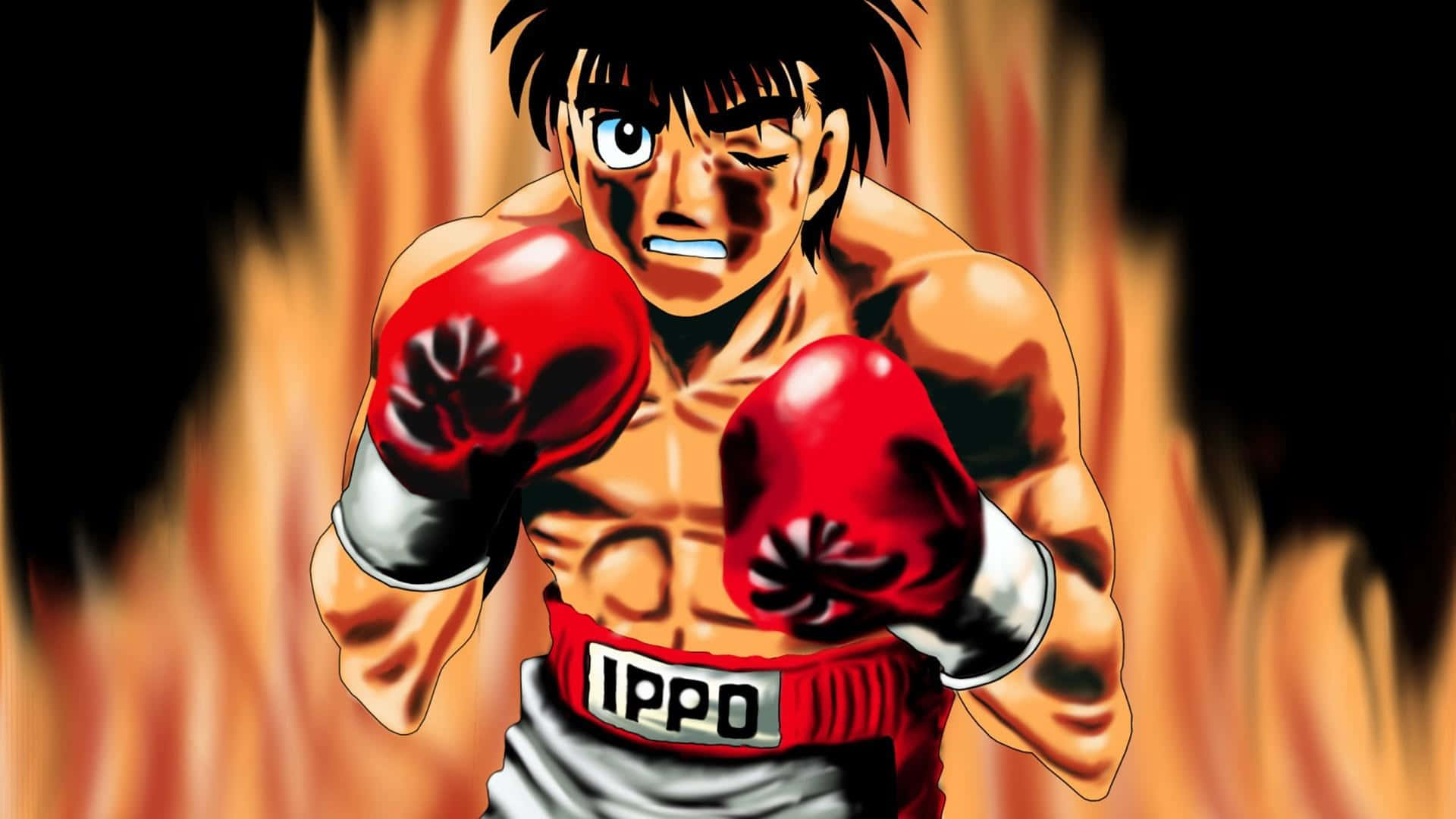
Unlike shonen protagonists who power through defeats with unwavering confidence, Ippo genuinely struggles with self-doubt after losses. His first sparring session against prodigy Ichiro Miyata ends in devastating knockout that could have ended his boxing career before it started. The anime lingers on his uncertainty, his fear that maybe he isn't cut out for this, his desperate need to prove something to himself.
This psychological realism makes Ippo's victories meaningful because his defeats actually hurt. When he finally develops the courage to face Miyata's counter punch directly instead of running from it, the moment resonates because we've watched him wrestle with fear for episodes. Improvement isn't about eliminating self-doubt—it's about moving forward despite it.
The series also explores burnout through characters who hit their limits. The controversial retirement arc (spanning over 200 manga chapters) shows Ippo questioning whether continued improvement justifies the accumulated brain damage and psychological strain. This mature approach to depicting obsession's downside separates Hajime no Ippo from series that present single-minded dedication as purely positive.
The Relationships You Sacrifice
What Gets Left Behind
Ippo's boxing journey begins with wanting to become strong enough to defend himself from bullies. It evolves into something far more complicated—a quest to answer what strength actually means. Along the way, normal high school experiences disappear. While classmates attend festivals and date, Ippo trains. While friends pursue hobbies and relationships, he recovers from fights.
The anime doesn't present this sacrifice as noble or tragic—it simply is. His mother Hiroko runs their family fishing business alone, supporting her son's dream while watching him come home injured. His potential romantic relationship with Kumi Mashiba exists in perpetual tension because her brother Ryo is a boxer who understands the violence of the sport too well.
Coach Kamogawa represents another form of sacrifice. Having failed in his own boxing career, he pours everything into Ippo's success, but this mentorship comes with crushing expectations. Ippo fights not just for himself but to vindicate his coach's methods, honor his gym's reputation, and prove something to everyone who believed in him. The weight of these relationships creates pressure that makes already difficult fights psychologically devastating.
The Rival Who Makes You Better
The relationship between Ippo and Miyata transcends typical sports anime rivalry. They push each other toward improvement through a dynamic that's part friendship, part competition, and part mutual obsession. Their promise to eventually fight at the national level drives both characters to extremes they wouldn't reach otherwise.
But this rivalry costs both fighters. Miyata's single-minded focus on perfecting his out-boxing style to beat Ippo leads him to reject easier paths to success. Ippo's determination to be worthy of facing Miyata pushes him into fights that leave him permanently damaged. Their mutual improvement comes at the expense of everything else in their lives.
The series suggests that genuine improvement often requires someone to chase—someone whose existence forces you past your comfortable limits. But it also shows how this dynamic can become toxic, driving both parties toward self-destruction in pursuit of a hypothetical perfect confrontation that may never happen.
What Makes Hajime no Ippo Age So Well
Recent News and Continued Relevance
The Hajime no Ippo manga announced a hiatus in late December 2025, with no confirmed return date. Creator George Morikawa, who launched the series in 1989 (making it his only manga work for over 35 years), recently mentioned having been discharged from the hospital, adding uncertainty to the series' future.
This hiatus comes after Netflix added Hajime no Ippo: New Challenger and Rising in January 2025, marking the first official U.S. release of New Challenger and introducing a new generation to the series. The timing is bittersweet—fresh audiences discovering the anime while the manga's future remains uncertain.
Why It Resonates Across Decades
Since its anime debut in 2000, Hajime no Ippo has maintained relevance by addressing universal truths about self-improvement that transcend boxing. The series explores what it actually costs to become better: time you can't reclaim, relationships that suffer from neglect, physical and psychological damage that accumulates, opportunities sacrificed for singular focus.
These themes resonate more as viewers age. Teenagers might watch Ippo's training montages as inspiration. Adults recognize the warning signs—the obsessive dedication that edges toward unhealthy, the physical toll that compounds over time, the relationships strained by single-minded pursuit of improvement. The series works on multiple levels depending on your life experience.
The realistic boxing portrayal also sets it apart. Unlike supernatural sports anime where characters defy physics, Hajime no Ippo grounds its action in authentic technique, strategy, and consequences. Punches have weight. Knockouts cause concussions. Careers end when bodies can't continue. This realism makes the improvement feel earned rather than gifted.
Cultural Impact Beyond Entertainment
Hajime no Ippo has genuinely inspired people to pursue boxing, with fans crediting the series for motivating them to start training. Creator George Morikawa owns JB Sports Gym in Japan, a Hajime no Ippo themed boxing facility that trains actual fighters while celebrating the manga's legacy. The series bridges fiction and reality in ways few sports anime achieve.
The show's impact extends to its honest portrayal of what dedication demands. Viewers don't just learn boxing techniques—they confront questions about how much sacrifice achievement requires and whether that sacrifice is worth it. The anime doesn't provide answers, instead presenting characters who've made different choices and showing the consequences.
The Question That Defines Everything
Ippo's journey begins with a simple question posed by his mentor Takamura: "What does it mean to be strong?"
The brilliance of Hajime no Ippo is that after 145 manga volumes, thousands of pages, countless fights, and over two decades of publication, the series still hasn't definitively answered that question. Because strength isn't a destination you reach—it's a continual process of testing your limits, enduring what breaks weaker people, and choosing to continue despite knowing the cost.
Every opponent Ippo faces represents a different answer to what strength means. Some embody technical perfection. Others bring overwhelming physical power. Still others demonstrate pure mental fortitude. The series suggests that true strength might be the willingness to keep searching for the answer even when the search destroys parts of yourself.
This philosophical depth elevates Hajime no Ippo beyond typical sports anime. It's not about whether Ippo becomes world champion. It's about whether the person he becomes through pursuing that goal resembles the kind and timid boy who first stepped into Kamogawa Gym. And whether that transformation represents growth or loss.
The Cost We All Pay
The final lesson Hajime no Ippo teaches isn't about boxing at all.
Every time you genuinely improve at something—truly become better rather than just going through motions—you pay a price. Hours that could have gone elsewhere. Energy that leaves you drained. Relationships that suffer from your absence. Parts of your old self that can't coexist with who you're becoming.
The series doesn't tell you whether that cost is worth paying. It shows you characters who've paid it and lets you decide. Some seem fulfilled. Others seem damaged. Most are complicated mixtures of both—better at their craft, worse in other areas, unsure whether they'd make the same choices again.
What makes Hajime no Ippo unforgettable is its refusal to romanticize improvement. Getting better hurts. Progress accumulates slowly through repetition that crushes enthusiasm. Real growth requires enduring failure, embracing discomfort, and accepting that becoming stronger means living with the consequences of strength.
The anime asks one question that lingers long after the credits: knowing what it actually costs to improve—the pain, the sacrifice, the relationships, the permanent changes to who you are—would you still choose to do it?
For Ippo, the answer is yes. For viewers, the series provides enough honesty to make an informed decision about their own pursuits. That honesty, more than any technique or fight, is what makes Hajime no Ippo essential viewing.
Where to Watch: All three Hajime no Ippo series (The Fighting!, New Challenger, and Rising) are currently streaming on Netflix with English subtitles. The complete manga is available digitally for the first time since its 1989 debut.
Frequently asked questions
Frequently asked questions
Is Hajime no Ippo realistic compared to other sports anime?
Yes. Hajime no Ippo is widely praised for its realistic portrayal of boxing, including long-term injuries, weight cuts, accumulated damage, and mental fatigue. Unlike many sports anime, improvement comes with visible consequences.
Does Hajime no Ippo romanticize hard work?
No. The series shows dedication as painful, isolating, and often destructive. Training leads to growth, but also costs relationships, health, and emotional stability.
Why does Hajime no Ippo feel heavier as you get older?
Adult viewers recognize the sacrifices Ippo makes—time, health, and personal life—and understand that improvement in real life often comes with irreversible trade-offs.
Why does Hajime no Ippo avoid easy victories?
Because the series treats growth as earned, not guaranteed. Losses, fear, and doubt are essential parts of progress rather than obstacles to be skipped.