
Haikyuu is not about destiny, prodigies, or guaranteed success. It is about effort in a system where hard work does not promise greatness, only the chance to stay in the game.
There's no chosen one. No hidden bloodline. No guarantee that working hard means you'll win.
This is what makes it a realistic sports anime, and why it feels different the older you get.
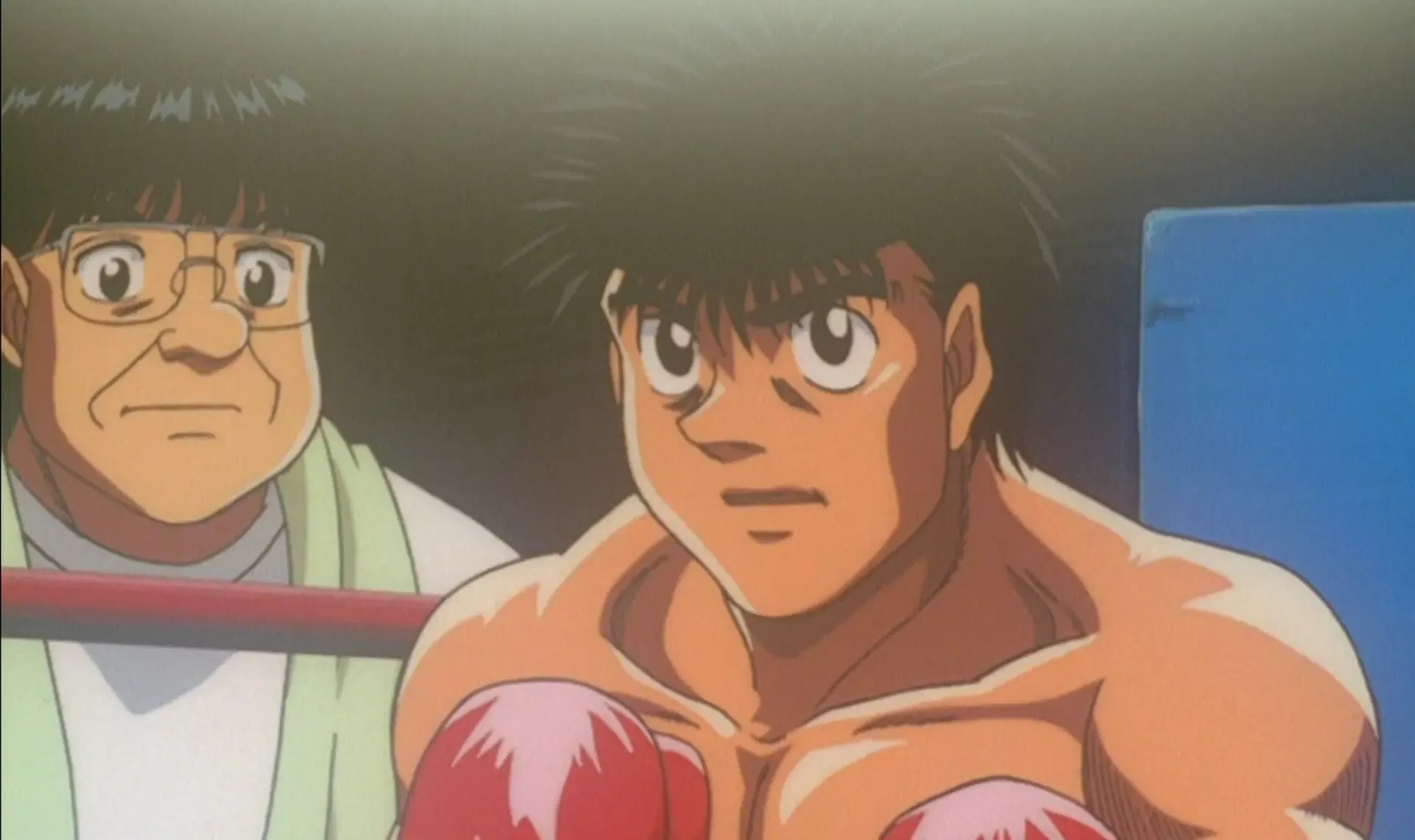
This is also why Haikyuu feels closer to Hajime no Ippo, where improvement is slow, painful, and never guaranteed to lead to victory—only to the right to keep stepping back into the ring.
Haikyuu Rejects the Chosen One Fantasy
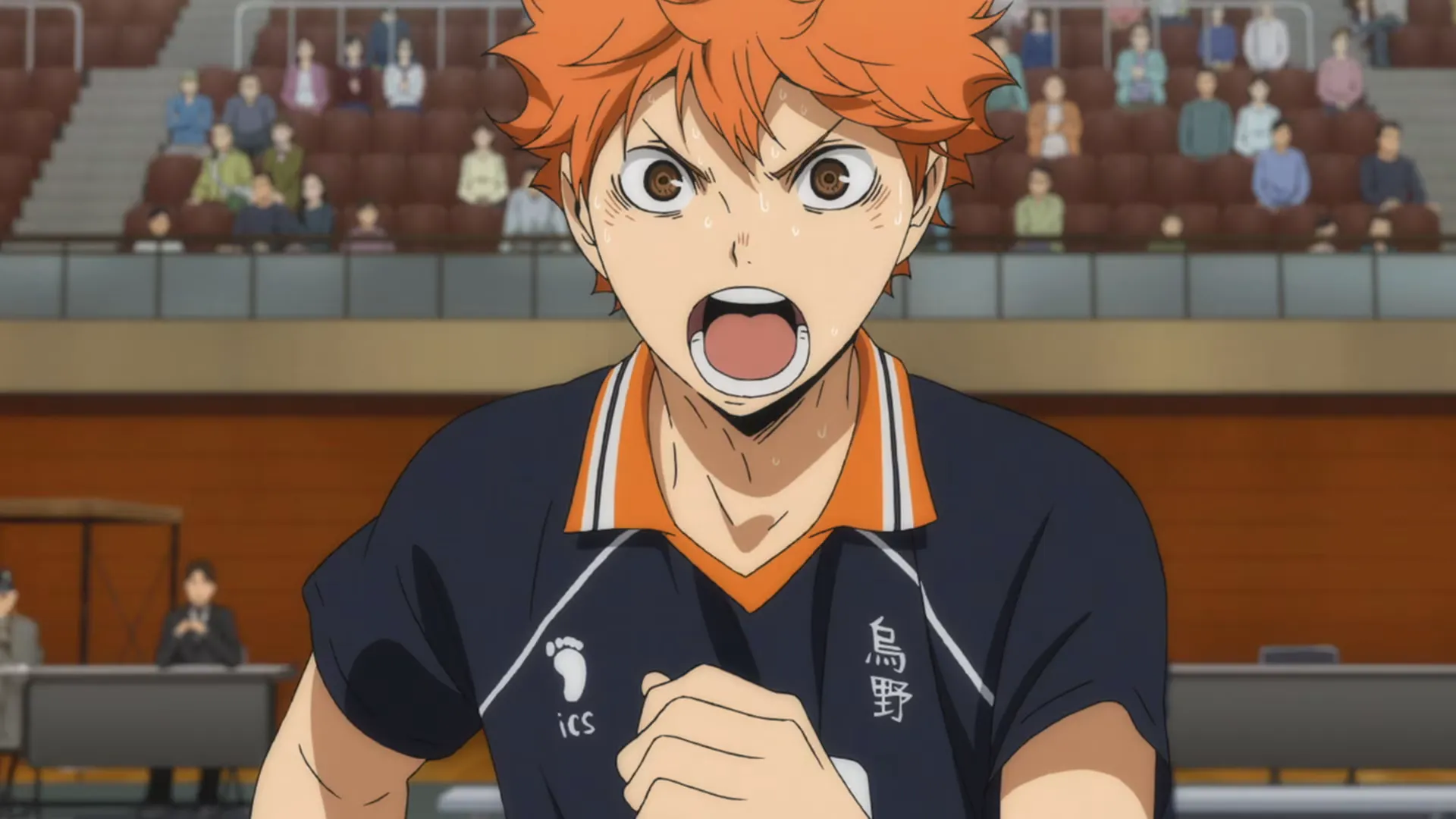
Hinata Shoyo is not special when he starts.
He's short. He has no team. He barely understands volleyball strategy. His athletic ability is raw but unfocused. The only thing remarkable about him is that he refuses to stop trying.
And the anime never pretends this is enough.
When Hinata joins Karasuno, he doesn't unlock hidden potential. He just gets access to better players, better coaching, and structured practice. His improvement comes from repetition, not revelation.
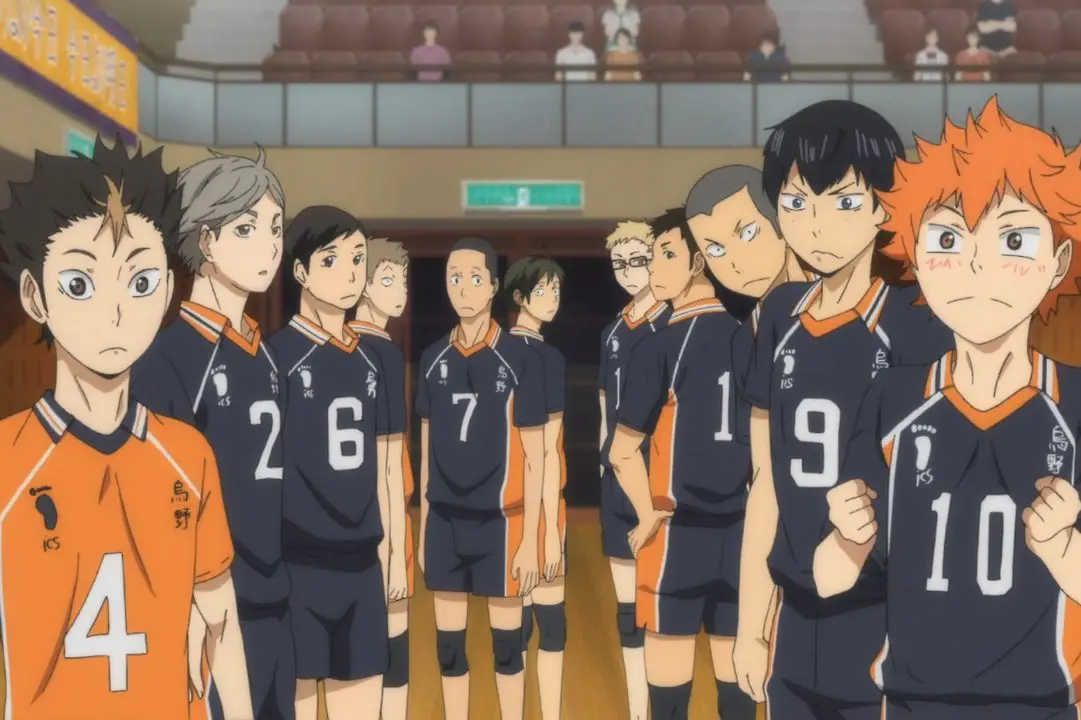
Kageyama Tobio, on the other hand, is naturally talented. But Haikyuu punishes him for it. His talent isolated him in middle school. His precision made him demanding, which turned his teammates against him. Talent without adaptability didn't make him great—it made him alone.
This is where Haikyuu themes explained become clear: talent is a starting line, not a finish line. What matters is whether you can work with others, adjust under pressure, and keep improving when improvement gets harder.
The anime doesn't frame this as inspirational. It frames it as survival.
Effort Does Not Equal Victory
Here's the uncomfortable truth at the center of what is Haikyuu about:
Karasuno loses. A lot.
They prepare. They train. They improve. And sometimes, they still lose.
Not because they didn't try hard enough. Not because they lacked heart. But because the other team was better, or luckier, or had one player who couldn't be stopped that day.
This is where Haikyuu fundamentally disagrees with anime like Blue Lock, which frames competition as something that forges superiority through ego and elimination. Where Blue Lock asks who deserves to win, Haikyuu asks a quieter question: what happens when everyone deserves it, but only one team advances?
Haikyuu refuses to promise that effort will be rewarded. It only promises that effort is required to even participate.
This separates it from most anime about effort. Other sports anime treat hard work as currency—you put in the training, you get the win. Haikyuu treats effort as baseline. Everyone is working hard. Effort alone doesn't make you special.
And this is why the show hits differently than typical motivational anime. It doesn't lie to you about how competition works.
You can do everything right and still lose. The match doesn't care about your backstory or how much you sacrificed. It only cares about the scoreboard.
Everyone Is Working Just as Hard as You
One of the most brutal things Haikyuu does is show you the other teams training.
Not as villains. Not as obstacles. As people who want it just as badly as Karasuno does.
Shiratorizawa practices just as hard. Nekoma studies film just as obsessively. Aoba Johsai runs the same drills, makes the same sacrifices, dreams the same dreams.
This is where realistic anime competition gets uncomfortable.
Because if everyone is trying, then effort stops being the variable that determines success. What determines success is talent, strategy, luck, matchups, timing—things you can't always control.
Haikyuu never lets you forget this.
When Karasuno wins, it's not because they wanted it more. It's because they executed better in that specific match against that specific opponent on that specific day. And when they lose, it's not because they didn't care—it's because someone else was better.
The emotional weight of seeing effort mirrored on both sides is what makes Haikyuu feel real. You can't watch Karasuno celebrate without remembering that the other team is devastated. And you can't dismiss their devastation, because you watched them earn the right to be there too.
Growth Without Transformation
Most sports anime give you transformation moments.
The protagonist unlocks a new move. Discovers their true potential. Has a breakthrough that changes everything.
Haikyuu doesn't do that.
Hinata doesn't suddenly become tall. He learns positioning. He studies blocking angles. He gets incrementally better at reading the game. His growth is technical, specific, frustrating.
Nishinoya doesn't awaken a special power. He just practices receives until his body knows what to do before his brain does. His improvement is repetition made reflex.
This is growth without transformation. You don't become different. You become sharper within your limits.
And limits don't disappear in Haikyuu. They're acknowledged, worked around, sometimes even weaponized—but they stay.
Hinata will always be short. Kageyama will always struggle with rigidity under pressure. Tsukishima will always fight his own cynicism about caring too much.
The anime suggests that growth isn't about overcoming who you are. It's about becoming the best version of what you already are. And sometimes, that's still not enough to win.
Losing Does Not Mean You Failed
Here's where Haikyuu separates itself from almost every other sports anime.
It allows losing to matter without erasing the value of effort.
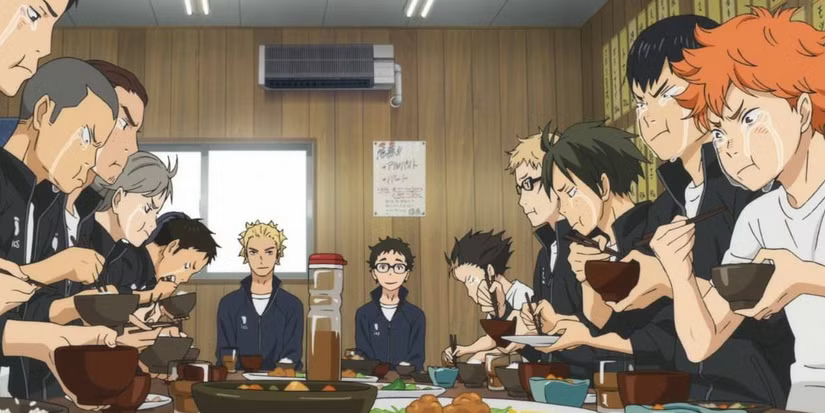
When Karasuno loses, the anime doesn't rush to comfort you with "but you grew" or "the real victory was friendship." It lets the loss sit. It shows you characters crying, processing grief, sitting with the reality that it's over.
And then it does something quietly radical: it lets that be okay.
Not okay as in "it doesn't hurt." Okay as in "the hurt doesn't mean it wasn't worth it."
Haikyuu separates effort from outcome in a way most anime refuse to do. It suggests that trying hard and losing is still better than not trying at all—not because losing teaches you lessons, but because the act of trying gave you something no outcome could take away.
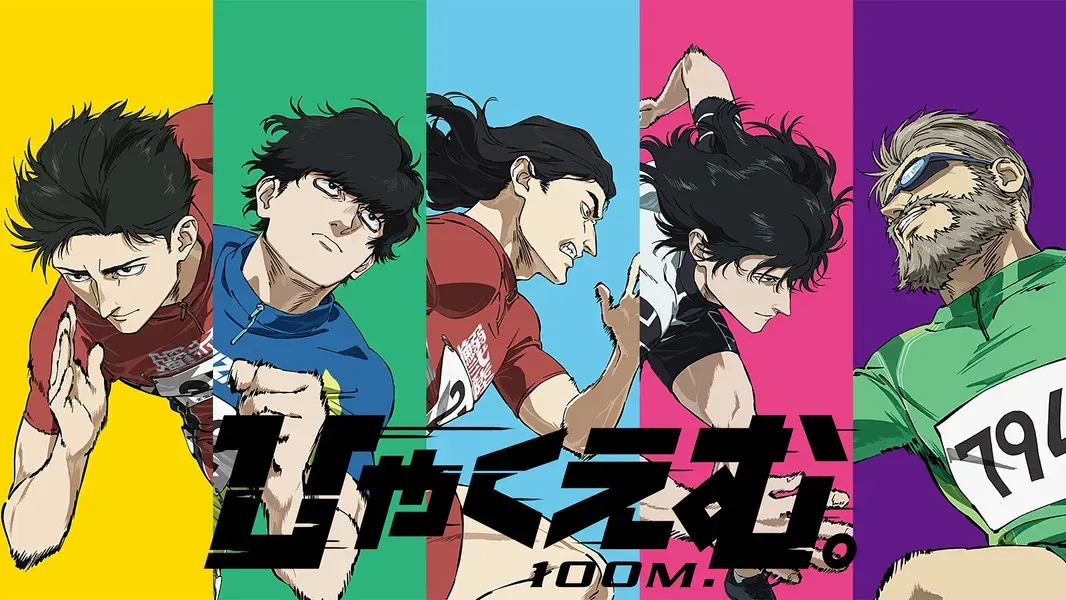
That same brutal honesty appears in 100 Meters, an anime that strips competition down to its most uncomfortable truth: improvement does not guarantee victory, and someone else’s peak can erase years of your effort in seconds.
Dignity. Purpose. Proof that you were willing to risk failure for something you cared about.
This resonates most with adult viewers, because adults know what it's like to do everything right and still come up short. To work hard and plateau. To watch opportunities close despite your effort.
Haikyuu doesn't sugarcoat this. It just shows you people continuing anyway.
Why Haikyuu Hits Harder as You Get Older
When you're younger, Haikyuu feels motivational.
When you're older, it feels accurate.
Because by the time you're working, paying rent, navigating careers, you've already learned what Haikyuu is trying to tell you: effort is not a guarantee. It's just the price of entry.
You've seen colleagues work just as hard as you and get promoted instead. You've been laid off despite performance. You've watched people with more luck, better timing, or the right connections succeed where you didn't.
And this is where Haikyuu adult perspective becomes clear.
The show stops being about volleyball and starts being about what it feels like to compete in any system where you're not promised fairness, only the chance to participate.
Haikyuu realistic themes don't sound inspiring. They sound true.
You keep trying because stopping means losing by default. You improve because stagnation means falling behind. You compete knowing you might lose, because the alternative is not competing at all.
And the anime never judges you for feeling tired. It just shows you characters who are tired too, and who keep going anyway.
Haikyuu Compared to Other Sports Anime
Most sports anime offer you narrative protection.
The protagonist loses early matches to show struggle, then wins when it matters. Effort is rewarded. Determination shifts outcomes. The story bends toward justice.
Haikyuu doesn't promise this.
There are no miracle comebacks that defy logic. No destiny arcs where the universe conspires to help you win. No guarantee that your story ends in victory just because you're the main character.
In some ways, Haikyuu shares DNA with Hajime no Ippo—both treat their sport as a job, not a calling. Both show you the grind, the injuries, the fear of being replaced. Both understand that loving something doesn't make it love you back.
But where Ippo focuses on individual survival, Haikyuu focuses on collective effort. And that makes the losses hurt differently, because you're not just watching one person fail—you're watching an entire team process disappointment together.
Unlike anime that frame competition as destiny, Haikyuu frames it as exposure. You find out what you're capable of. You discover your limits. And then you decide whether to accept them or keep pushing.
But pushing doesn't guarantee results. It just guarantees you tried.
What Haikyuu Actually Offers
Haikyuu doesn't promise greatness.
It offers dignity in effort, even when effort isn't enough.
It tells you that working hard matters, not because it guarantees success, but because it lets you know you didn't quit. That trying and failing is still better than wondering what might have been.
This honesty is why the show stays with you.
Not because it makes you feel good, but because it makes you feel seen.
It acknowledges the gap between effort and outcome. It respects the pain of losing without dismissing it as a learning opportunity. It understands that sometimes you do everything right and still don't get what you want.
And it suggests that maybe that's not failure. Maybe that's just what competing looks like.
Haikyuu anime meaning isn't about inspiration. It's about recognition.
Recognition that you're not alone in trying hard and coming up short. That effort has value separate from results. That losing doesn't erase what you built, even if it feels like it does.
This is why Haikyuu feels uncomfortable but true.
Because it refuses to lie to you about how the world works, even when the lie would feel better.
And the older you get, the more you appreciate that honesty. Not because it comforts you, but because it confirms what you already know:
Sometimes, effort is all you have. And sometimes, that has to be enough.
Frequently asked questions
Frequently asked questions
Is Haikyuu a realistic sports anime?
Yes. Haikyuu treats effort as baseline, not exceptional. Characters train hard and still lose. There's no chosen one narrative or guaranteed reward for hard work—only the chance to compete.
Why does Haikyuu feel different from other sports anime?
Haikyuu rejects destiny arcs and miracle comebacks. It shows opponents training just as hard, allows losses to matter without erasing their value, and treats talent as a starting point rather than a finish line.