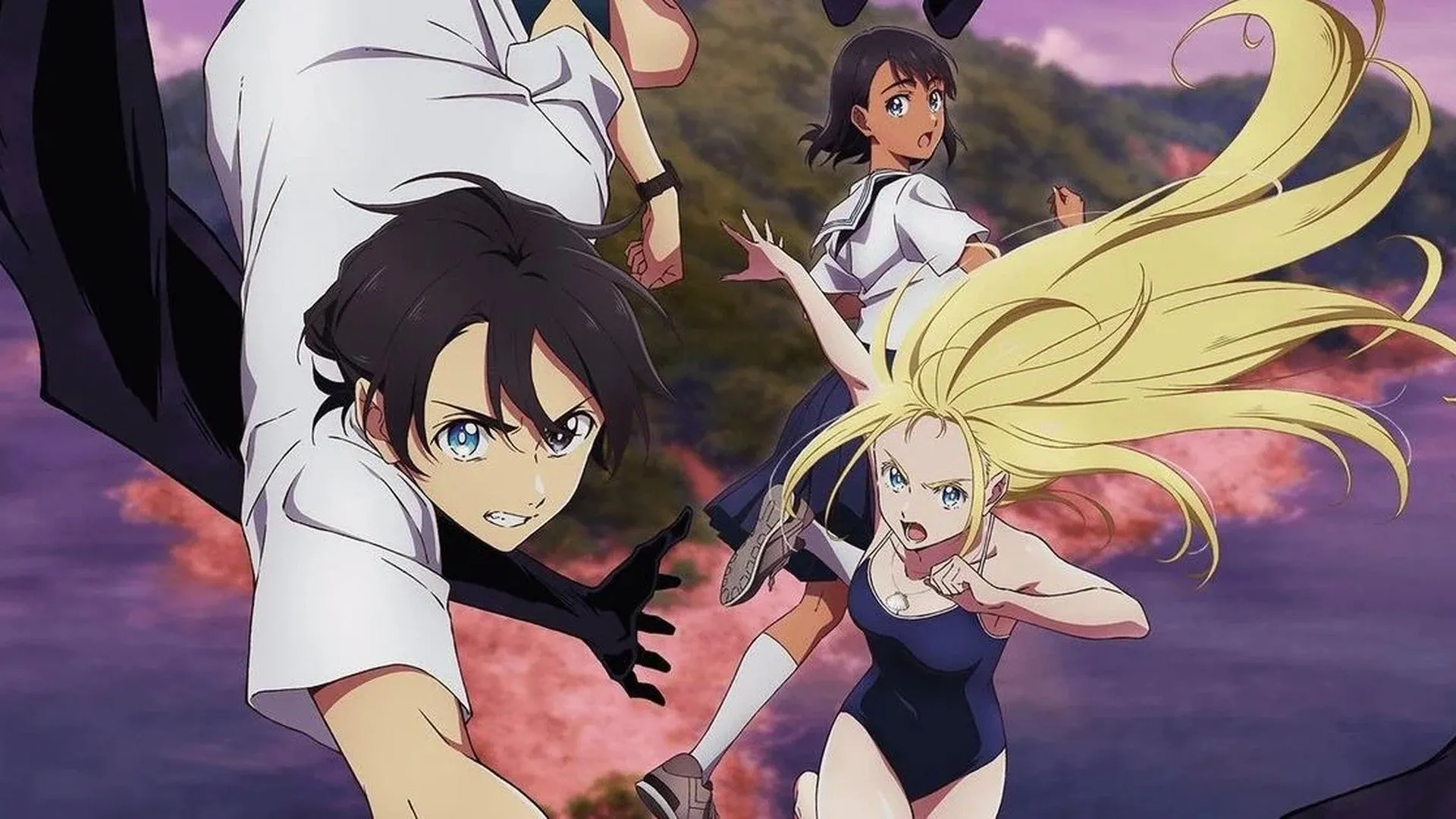

Summer Time Rendering Is the Best Thriller Anime Most Fans Missed
Rushabh Bhosale
In 2022, anime fans were drowning in incredible releases. Chainsaw Man dominated social media. Spy x Family became a phenomenon. Bleach returned after a decade. But amid this competition, one of the year's best thriller anime got lost—Summer Time Rendering, a masterful time-loop mystery combining supernatural horror, detective storytelling, and genuine stakes into 25 episodes of edge-of-your-seat tension.
The culprit? Disney+ exclusivity kept it locked from Western audiences until January 2023, nearly a year after its Japanese premiere. This streaming limbo robbed Summer Time Rendering of deserved recognition, leaving it as one of anime's most criminally underrated series.
Why Summer Time Rendering Got Overlooked
Summer Time Rendering aired during Spring 2022, competing against Kaguya-sama Season 3, Komi Can't Communicate Season 2, and new hits like Spy x Family. But the real killer was distribution. Disney+ held exclusive rights and only made it available in Japan and select regions—excluding North America entirely. Western fans couldn't discuss it, and by the time Hulu secured it nine months later, most had moved on.
This tragedy repeats itself. Being stuck behind streaming walls can doom even exceptional series. Summer Time Rendering earned an 8.49 MyAnimeList score and ranks #138 overall, impressive considering most voters discovered it late.
The Time Loop Mystery That Actually Works
Shinpei Ajiro returns to island hometown Hitogashima for childhood friend Ushio's funeral. She supposedly drowned, but suspicious marks suggest murder. Before investigating, he witnesses Ushio's sister Mio attacked by... Mio herself. A "Shadow" doppelgänger kills them both.
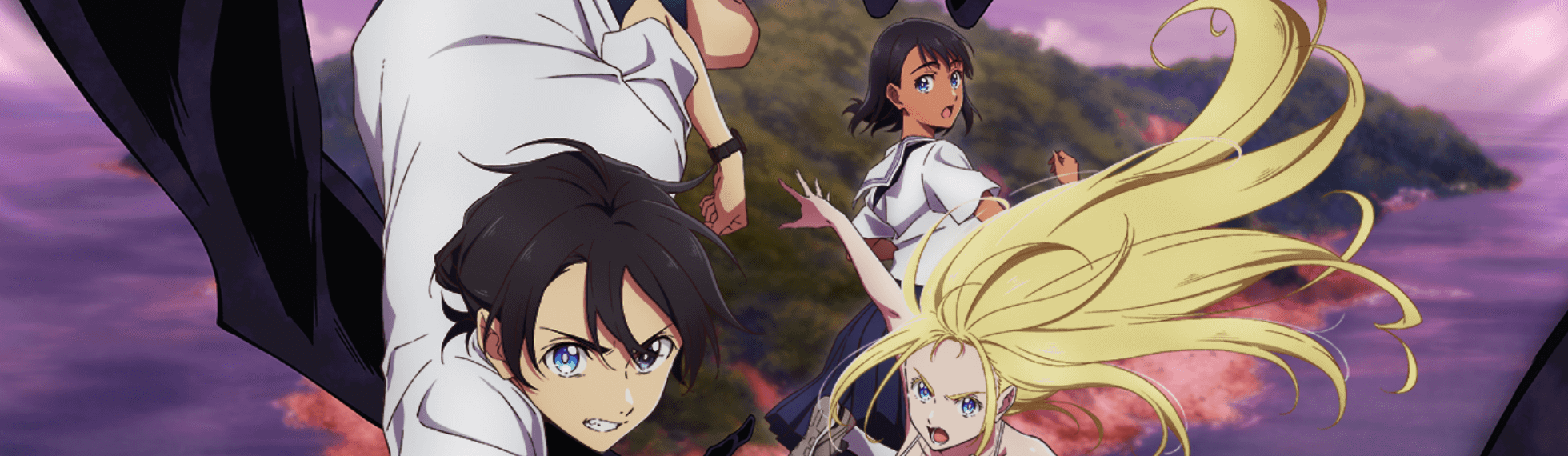
Instead of dying, Shinpei wakes two days earlier. He's trapped in a time loop with harsh limitations—die too often and he loses his power permanently. Unlike typical time-loop anime, Shinpei faces decreasing save points and the Shadows realize he's looping. They try to capture rather than kill him, creating a high-stakes game where both sides constantly adapt.
This intelligence-driven conflict recalls how Monster creates psychological tension through clever characters. Everyone thinks strategically. Shinpei makes mistakes, misreads situations, and watches allies die. These failures carry weight through graphic violence and genuine consequences.
The Shadows: Body-Snatching Horror Done Right
The Shadows are terrifying antagonists. Created by ancient entity Haine, they perfectly copy any human through contact, absorbing memories, personality, and appearance. They can replace you by killing the original—nobody would know.
This taps into primal fears about identity. How do you know your friend is real? The anime plays this paranoia brilliantly. Some Shadows develop independence, adding moral complexity. Ushio's Shadow becomes an ally, raising questions about what defines humanity.
The mythology connects to Japanese folklore while maintaining originality. Similar to how Neon Genesis Evangelion uses familiar religious imagery in unexpected ways, Summer Time Rendering twists recognizable horror tropes into something fresh.
Characters Who Actually Think
Summer Time Rendering's greatest strength is its intelligent cast. Shinpei isn't the only problem-solver—allies actively contribute, notice missed clues, and make strategic decisions independently.
Mio quickly accepts the time loop and helps plan each iteration. Hizuru Minamikata brings combat experience, investigating Shadows after they killed her twin brother. Her unique trait: Ryunosuke's consciousness lives within her body, giving complementary skills.
The villains match heroes in cunning. Shide demonstrates tactical brilliance and adapts to Shinpei's strategies. This emphasis on intelligence over power creates genuinely suspenseful confrontations. Like how Reigen Arataka succeeds through quick thinking, characters win through planning and exploiting weaknesses.
The Mystery That Rewards Attention
Summer Time Rendering excels at planting clues without making solutions obvious. Each loop reveals new information about Shadow hierarchy, motivations, and island history. The anime respects viewer intelligence by showing rather than telling.
The series establishes clear supernatural rules and follows them consistently. Time loops function predictably, Shadows require contact to scan, and viewers can theorize alongside Shinpei. The mystery feels solvable rather than arbitrary.
The anime subverts expectations repeatedly. Major characters die horrifically. Foolproof plans fail. Nobody has plot armor, keeping tension high throughout all 25 episodes.
Visual Excellence and Atmosphere
Studio OLM delivered exceptional production quality. The island setting captures dichotomy between peaceful summer vacation and lurking horror. Bright sunshine creates false security before Shadows emerge from darkness. The anime uses lighting brilliantly—every shadowy corner feels threatening.
The anime doesn't shy from graphic violence when characters die, making deaths genuinely horrific. Keiichi Okabe's soundtrack (NieR: Automata) enhances tension perfectly.
Why the Time Loop Actually Matters
Summer Time Rendering makes the loop integral to narrative and themes. Each death teaches Shinpei something but costs time and options. The loop isn't unlimited power but desperate survival with diminishing returns.
The series explores psychological effects of reliving events. Shinpei watches loved ones die repeatedly, knowing when and how, yet must act normal. This burden weighs visibly—he becomes cautious, second-guesses, and struggles with guilt.
The anime examines fate versus free will. Certain deaths become "fixed points" after looping, adding strategic depth. This creates dramatic irony as we piece together mysteries alongside the protagonist.
The Emotional Core Beneath Thrills
Summer Time Rendering grounds itself in genuine relationships. Shinpei's bonds feel authentic—his determination stems from love and guilt over leaving the island. The anime explores grief naturally, showing mourning, processing loss, and survivor's guilt.
Ushio represents the emotional anchor. Her Shadow's rebellion shows how love transcended death and copying, exploring what makes someone "real." The romance develops naturally without overwhelming mystery elements. Like how Frieren handles relationships maturely, Summer Time Rendering treats romance as part of motivation rather than main focus.
The Final Arc: Ambitious Ending
The ending divides fans. Final episodes attempt wrapping every plot thread with rushed pacing. Time travel logic becomes "anime-convenient," though emotionally it delivers earned closure. The ending's flaws don't negate the journey—most thriller anime either rush conclusions or drag out mysteries. Summer Time Rendering commits to answering questions and resolving conflicts.
Where to Watch
Summer Time Rendering is available on Hulu (United States) and Disney+ (internationally) with Japanese audio/English subtitles and English dub. The 25-episode series requires attention—intricate plot demands focus on details and clues.
Content warnings: Graphic violence, character deaths, some fanservice, child endangerment themes. TV-14 rating but pushes boundaries.
Why It Deserves Recognition
Summer Time Rendering represents thriller anime done right—taking familiar tropes and executing them with intelligence, emotional depth, and visual polish. The series respects viewer intelligence and delivers genuine surprises.
The tragedy is Disney+ exclusivity buried it during 2022's conversation. For anyone who enjoys psychological thrillers or anime that make you think, this is essential viewing. It proves the time-loop subgenre has untapped potential.
Like many fans missed these underrated gems, Summer Time Rendering got lost in industry noise. But it's legitimately great—a masterclass in thriller storytelling.
Final Verdict: Must-Watch Thriller
Summer Time Rendering isn't perfect—the ending rushes revelations and some conveniences stretch credibility. But these flaws pale compared to accomplishments: 25 episodes of genuinely suspenseful, intelligently plotted thriller anime that respects your intelligence.
This should be mentioned alongside Steins;Gate, Erased, and Re:Zero in time-loop discussions. It deserves placement next to Monster and Death Note for intelligent thrillers. Streaming exclusivity robbing it of recognition represents industry distribution failure.
If you've exhausted obvious thriller recommendations and crave mystery, horror, and emotional depth, Summer Time Rendering delivers. Available now on Hulu and Disney+, waiting for deserved recognition.
Don't let this masterpiece remain the best thriller anime most fans missed. Give it 25 episodes—you'll understand why Japanese fans praised it as 2022's best, and wonder why Western audiences slept on it.
Tags

Next up
Ranking of Kings Challenges What Strength Actually Means | Bojji's Disability and Power
Ranking of Kings (2021) uses deaf, physically weak prince Bojji to challenge anime's traditional definition of strength. In a world where kings are ranked by military might and prosperity, Bojji—cursed with zero physical power by his father's demon bargain—can't even swing a child's sword. Yet through training that embraces his disabilities rather than trying to fix them, he masters pinpoint-accurate swordsmanship using agility, perception, and targeting weak spots to defeat opponents without drawing blood. The series argues that strength isn't about raw power but about finding what makes you exceptional and building your identity around that, not society's expectations. With stunning Wit Studio animation and thoughtful disability representation, the series earned critical acclaim and maintains an 8.4 rating on MyAnimeList for its heartfelt examination of how we measure worth. Since its 2021 premiere, Ranking of Kings has sparked conversations about disability representation, strength beyond physical power, and what it means to be a hero when society has already decided you're worthless. The Setup That Breaks Every Rule In a fantasy world where kings are ranked by three criteria—prosperity of their nation, number of powerful warriors, and the strength of the king himself—King Bosse ranks #7. He's a literal giant, capable of holding grown adults in his palm, renowned as the strongest man alive. His firstborn son and heir, Prince Bojji, is the complete opposite. Bojji is deaf, cannot speak clearly, and is so physically weak he can't lift a children's training sword. He's tiny—shorter than regular human children despite being born to two giant parents. His own people mock him openly, calling him an idiot and a fool. The Curse That Explains Everything Bojji's weakness isn't natural. Before his birth, King Bosse made a deal with a demon: in exchange for multiplying Bosse's strength exponentially, his firstborn would be stripped of all physical power. Bosse took the deal. Bojji paid the price. This backstory reframes everything. Bojji isn't weak through genetics or circumstance—his father literally stole his strength to become more powerful. The series doesn't treat this as tragic destiny. It treats it as child abuse hidden behind heroic narratives. Similar to how Evangelion uses mecha to explore depression and identity, Ranking of Kings uses fantasy adventure as vehicle for examining how systems create and perpetuate harm. What Society Expects vs. What Bojji Can Do The series' central conflict isn't Bojji vs. external enemies. It's Bojji vs. everyone's expectations. During a sparring match with his half-brother Daida, Bojji demonstrates incredible evasion and footwork. He dodges every attack, then taps Daida on the forehead—decisive victory with zero violence. The watching courtiers are horrified. His sword instructor demands Bojji fight "properly"—blade-locking with his opponent, demonstrating raw power. When Bojji tries this, Daida immediately overpowers and injures him. Nobody criticizes Daida for attacking a fallen opponent. But Bojji is still denounced as "cowardly" for fighting in the only way his body allows. The Problem Isn't Disability—It's Ableism Bojji can read lips fluently and communicates through sign language. Queen Hiling berates him through a translator, never learning that Bojji reads her lips perfectly—he hears every cruel word. Village children mock him. Adults assume he's incompetent because he doesn't conform to their definition of kingly behavior. This connects to how 86 Eighty-Six shows institutional systems that dehumanize people—the problem isn't the individual, it's the structure refusing to see value beyond specific criteria. The Teacher Who Sees Different, Not Lesser After being denied the throne despite his father's dying wish, Bojji sets out to become stronger. He and his companion Kage travel to the Underworld seeking someone who can grant power. They find Prince Despa, a vain, money-hungry tutor who agrees to train Bojji—for a hefty price. The Assessment That Changes Everything Despa uses magical insight to analyze Bojji's potential. His verdict: Bojji has zero capacity for physical strength. No amount of training will change that. The curse is absolute. Most trainers would quit. Despa doesn't. Instead, he tells Bojji something no one else has: "You can't become strong in the way you've been trying. So stop trying. Find what you can do exceptionally well." Bojji already possesses incredible agility and evasion, learned from dodging the two-headed snake Mitsumata's attacks. He has superior perception and reaction time. His small size makes him hard to hit. Despa doesn't try to fix Bojji's "weaknesses." He weaponizes Bojji's existing strengths. The Moment Bojji Becomes the Strongest Episode 10 shows the result of Despa's training. Bojji now carries a needle-thin rapier hidden in an oversized sheath. During a staged bar fight with three orc brothers (secretly Despa's training exercise), Bojji demonstrates his new combat style. He moves between attacks at impossible speed. His rapier strikes pressure points with surgical precision—direct nerve stimulation that knocks opponents unconscious without pain, blood, or injury. The blade is too thin to trigger pain receptors or pierce vital organs. When one opponent tries to crush him with a massive hammer, Bojji shatters the weapon with a single strike—finding and attacking the weak molecular bonds holding it together. The orcs wake up defeated and bewildered. They felt no pain, saw no blood, but lost completely. The Declaration That Redefines Everything Later, when Prince Daida asks the Magic Mirror who the strongest person in the world is, she doesn't name Daida. She doesn't name King Bosse, even in his prime. She names Bojji. Not because he's the most powerful. Because he's developed a fighting style so perfectly suited to his capabilities that almost no one can defeat him. He wins without harming opponents. He can disable any warrior in seconds. He destroys weapons with pinpoint accuracy. Strength, the series argues, isn't about how much you can lift. It's about how effectively you can act using what you have. The Scene That Shows What This Cost Episode 18 contains a quieter moment that reveals the emotional weight behind Bojji's journey. After proving himself in battle, Bojji returns to his quarters and breaks down crying. Not tears of joy—tears of exhaustion, frustration, and accumulated pain from years of being treated as worthless. Kage finds him and doesn't say anything. He just sits beside Bojji while his friend sobs. The scene has no dramatic music. No dialogue. No narrative resolution. Just a disabled kid who's had to fight three times as hard for half the recognition, finally allowing himself to feel everything he's been holding back. This moment matters because it shows strength's cost. Bojji didn't overcome his disabilities through positive thinking or determination alone. He survived a childhood of mockery, developed alternative communication methods society refused to learn, and carved out worth in a world determined to deny it. His strength is real. So is his trauma. This approach mirrors how Made in Abyss refuses to look away from consequences—beauty and achievement don't erase the pain that created them. Why the Rapier Matters Bojji's choice of weapon isn't just practical—it's symbolic. When Despa first asks what weapon Bojji wants to learn, he reaches for an axe. His father's weapon. The weapon of kings. The weapon that represents everything he's been told he should be. Even the smallest axe is too heavy for him to lift. The rapier Despa gives him looks worthless—so thin it seems like it couldn't hurt anyone. Kage initially thinks it's a joke. But in Bojji's hands, it becomes the perfect tool. He doesn't need to overpower opponents. He needs to outthink them, move faster than they expect, and strike with precision they can't defend against. The rapier represents accepting yourself rather than trying to become someone else's definition of strong. Bojji stops trying to be King Bosse and becomes Prince Bojji instead. The Disability Representation That Actually Works Ranking of Kings succeeds where many series fail by treating Bojji's deafness as part of his life, not his entire identity or something to overcome. What the Series Gets Right Bojji's deafness is portrayed realistically. He lip-reads, uses sign language, and sometimes misses things when people aren't facing him. The series cast actual child actors for younger characters, making Bojji's vocalizations authentic rather than performed. His challenges stem from society's ableism, not his disability. When people learn sign language or face him while speaking, communication works fine. The problem is that most people assume disability equals incompetence and never bother accommodating him. Bojji isn't inspirational tragedy. He's a person who happens to be deaf and weak, trying to navigate a world with barriers created by others' prejudice. He gets frustrated, sad, angry—full emotional range, not Noble Suffering. Where It Still Stumbles The anime occasionally forgets Bojji is deaf, showing him react to sounds he couldn't have heard or conversations he couldn't have lip-read. These inconsistencies are likely animation oversights, more common in the anime than manga. The "curse" framing complicates disability representation. Bojji's weakness is literally supernatural punishment, not natural variation. While this serves the narrative about his father's selfishness, it risks implying disability itself is a curse rather than a neutral trait. Still, the series handles disability with more nuance and care than most anime, prioritizing Bojji's humanity over inspiration porn. What Ranking of Kings Actually Achieves The series redefines strength not through empty platitudes about "strength of heart" but through concrete demonstration of capability reconceived. Bojji doesn't become strong despite his disabilities. He becomes strong through understanding them—recognizing what his body can and can't do, then building combat style around his actual capabilities rather than what society expects. This extends beyond combat. Bojji's kindness wins allies—the shadow Kage becomes his loyal friend, the snake Mitsumata trains him, defeated opponents like Gigan swear loyalty. His compassion is strength too, cultivated through experiencing marginalization himself. By series end, Bojji claims the throne not because he became what others wanted, but because he proved that leadership can look different from tradition. The ranking system—which measures kings by power and prosperity—is revealed as fundamentally flawed. Some kingdoms rank low because their peaceful kings don't wage wars. Some rank high because their brutal kings conquer constantly. Bojji's existence challenges the entire system's validity. This connects to how Run with the Wind explores adults who missed their prime—both series question society's narrow definitions of success and worth. Who Should Watch This Watch If You: Want thoughtful disability representation in fantasy Appreciate stories that challenge traditional strength narratives Enjoy character-driven fantasy with emotional depth Value shows that treat disabled characters as people first Can handle emotional weight without constant action Skip If You: Need action-heavy battle sequences Prefer straightforward hero's journey narratives Can't engage with slower-paced character development Want disability portrayed as something to overcome completely What Makes Strength Real Ranking of Kings argues that strength is contextual, not absolute. King Bosse was the most powerful man alive—but cruel enough to curse his own son for personal gain. His strength enabled tyranny. Bojji can't lift a sword—but defeats almost anyone in combat without killing them. His "weakness" forced him to develop precision, empathy, and creativity that raw power never requires. The series doesn't say "everyone is strong in their own way." It says strength must be defined by what someone actually can do effectively, not by arbitrary standards serving existing power structures. Bojji stops trying to become King Bosse's son and becomes himself instead. That's when he becomes unbeatable. Because strength was never about matching someone else's capabilities. It was about maximizing your own—and refusing to let anyone else's definition make you disappear. Where to Watch: Ranking of Kings is streaming on Crunchyroll and Funimation with English subtitles and dub. Season 2 film announced for future release.