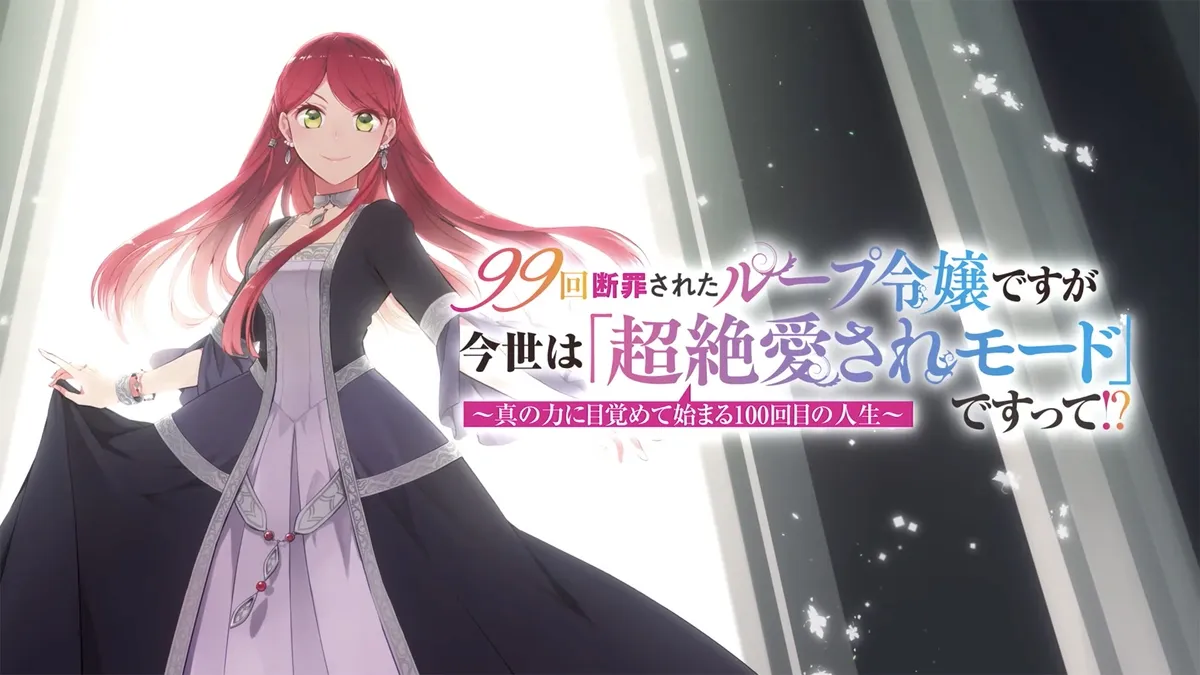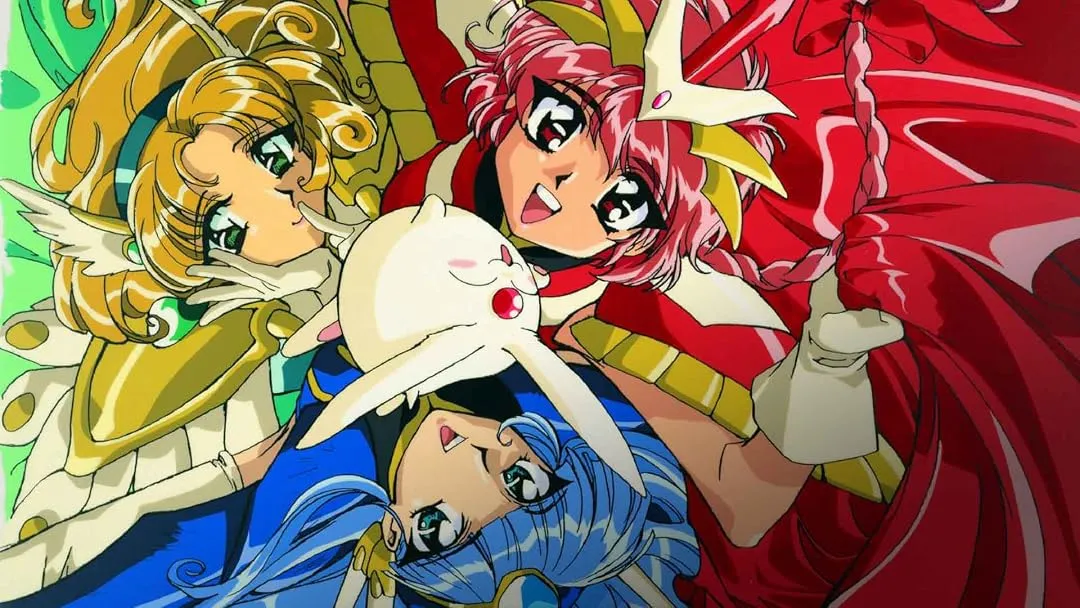

The 2026 Magic Knight Rayearth anime has found a clever way to honor its 1994 predecessor without treating the old opening as untouchable: Naomi Tamura's “Yuzurenai Negai,” the original television theme, returns as an insert song in the new show's first episode. The new adaptation also has its own opening, Toaka's “Otome no Tsurugi.” That combination raises a worthwhile question for the current wave of anime revivals: should a remake reuse the music fans already love, or build a sound of its own?
Rayearth gives both generations a place in the soundtrack
The official 2026 anime music page identifies “Otome no Tsurugi” as the opening and “Hoshiakari,” performed by Yurina Kawaguchi, as the ending. It separately lists “Yuzurenai Negai” as an insert song, with a message from original singer Naomi Tamura discussing its use in episode one. These are documented production choices, not a claim that the entire remake will reuse the old soundtrack.
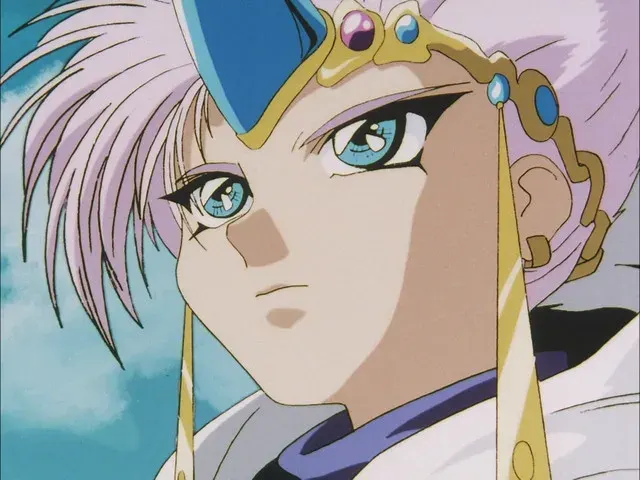
That distinction matters. An opening theme is repeated at the front of episodes and helps define a show's everyday identity. An insert song is deployed within the story, where its appearance can function as a deliberate callback. The two approaches do different jobs. Rayearth can acknowledge the musical memory of the 1994 anime while allowing its new performers and composers to establish a contemporary voice.
Why a familiar theme can be more than nostalgia
For viewers who grew up with a series, music can act as a shortcut to its emotional world. A melody associated with the original heroes can make a returning character or setting feel immediately familiar. This is especially powerful when a revival is separated from its predecessor by decades. Rayearth's first TV adaptation ran in 1994 and 1995; its new version began airing in October 2026.
But recognition alone is not storytelling. A classic theme earns its return when the scene has a dramatic reason for it, or when the music creates an intentional conversation between old and new versions. Dropping the same song into every major moment could instead make the remake feel reluctant to stand on its own. That is an editorial judgment about adaptation, not a report of how audiences have reacted to Rayearth.
The case for new music is just as strong
A remake often has a different director, cast, pacing and production context. In Rayearth's case, the 2026 series is directed by Yui Miura, with animation from E&H production and a two-consecutive-cour broadcast plan. Its official staff listing names Yuki Kajiura, Takumi Ozawa and Shiho Terada for music. The creative team has a legitimate reason to establish its own musical vocabulary instead of reproducing a 1990s television experience.
New opening and ending songs can also help audiences discover a series without requiring any attachment to its history. A first-time viewer should not have to recognize a thirty-year-old melody to understand why a scene matters. That is particularly important for Rayearth, which begins with Hikaru, Umi and Fuu being drawn into Cephiro and is being introduced again to people who may never have seen the earlier adaptation.
Remakes are not the same as restorations
It helps to separate three projects that are often casually grouped together. A restoration presents an older work with improved picture or sound while preserving the original production. A remake retells or reinterprets the material. A sequel continues the story. A soundtrack decision should serve the type of project being made.
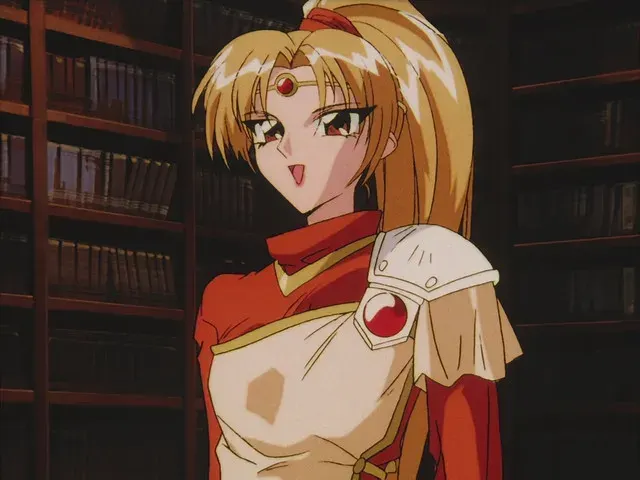
AnimeSparks recently covered the Cowboy Bebop movie's 4K restoration. A restoration invites viewers to experience an existing film again; replacing its musical identity would be a different creative intervention. Rayearth's new television adaptation has greater freedom to choose new themes because it is a fresh production, not merely a cleaned-up version of old episodes.
Likewise, a change to familiar music can become a debate in its own right. Our coverage of Dragon Ball Super: Beerus and its altered Goku entrance music concerns a specific sequence and the choices around it. It should not be mistaken for evidence of a universal fan rule that old music is always better.
What Rayearth's approach gets right in principle
The strongest compromise is selective remembrance. Keep a classic track when it contributes something meaningful, but give the new show room to make its own associations. Rayearth's decision to place “Yuzurenai Negai” inside episode one rather than make it the regular opening is an example of that strategy. Whether the complete season sustains the balance is a separate question that requires evaluating the finished episodes.
Readers who want the production facts rather than the soundtrack debate can see our existing Magic Knight Rayearth 2026 release, cast and two-cour guide. That article serves the schedule-and-staff search intent; this feature asks what creative purpose a legacy song should serve.
A better question than 'Which theme is better?'
Comparing a classic and a new song as though only one can win misses the point. The original theme carries the history of one adaptation. The new opening can become the sound of another. The more useful question is whether each track is placed where it strengthens the experience for viewers who know the franchise and those encountering it for the first time.
Rayearth's musical choices show that a revival does not have to erase its past or live inside it. The 1994 song can remain part of the franchise's identity, while the 2026 production writes its own chapter. That is a more interesting goal for an anime remake than trying to reproduce every remembered moment.
Sources and verification
Official Magic Knight Rayearth music page: https://rayearth-anime.com/music/ . Official 2026 production announcement and staff: https://rayearth-anime.com/news/37/ . Official July production staff details: https://rayearth-anime.com/news/64/ . Anime! Anime! September 20, 2026 two-cour and theme-song report: https://animeanime.jp/article/2026/09/20/103101.html . These sources support the production facts; the recommendations about music and remakes are editorial analysis.