
Dragon Ball Super: Beerus Episode 4 aired on November 1, 2026, and one of its most discussed changes is not a new fight or transformation. When Goku arrives to stop Beerus from destroying Earth, the 2026 version drops the upbeat background track heard in the corresponding 2015 Dragon Ball Super scene. The arrival plays with sound effects but no musical cue. Some viewers welcome the more serious mood; others think the moment now lacks the lift that music could have provided. It is a specific creative disagreement, not evidence that all fans dislike the remake.
The episode, titled “The God of Saiyans” in some English listings and “Saiyan God” in Japanese coverage, also reaches Goku's Super Saiyan God transformation. Japanese reporting and Crunchyroll's episode listing independently confirm the November 1 broadcast and streaming release. The soundtrack comparison comes from contemporary coverage of the scene, rather than an official statement explaining the director's intent.
What changed in Goku's entrance?
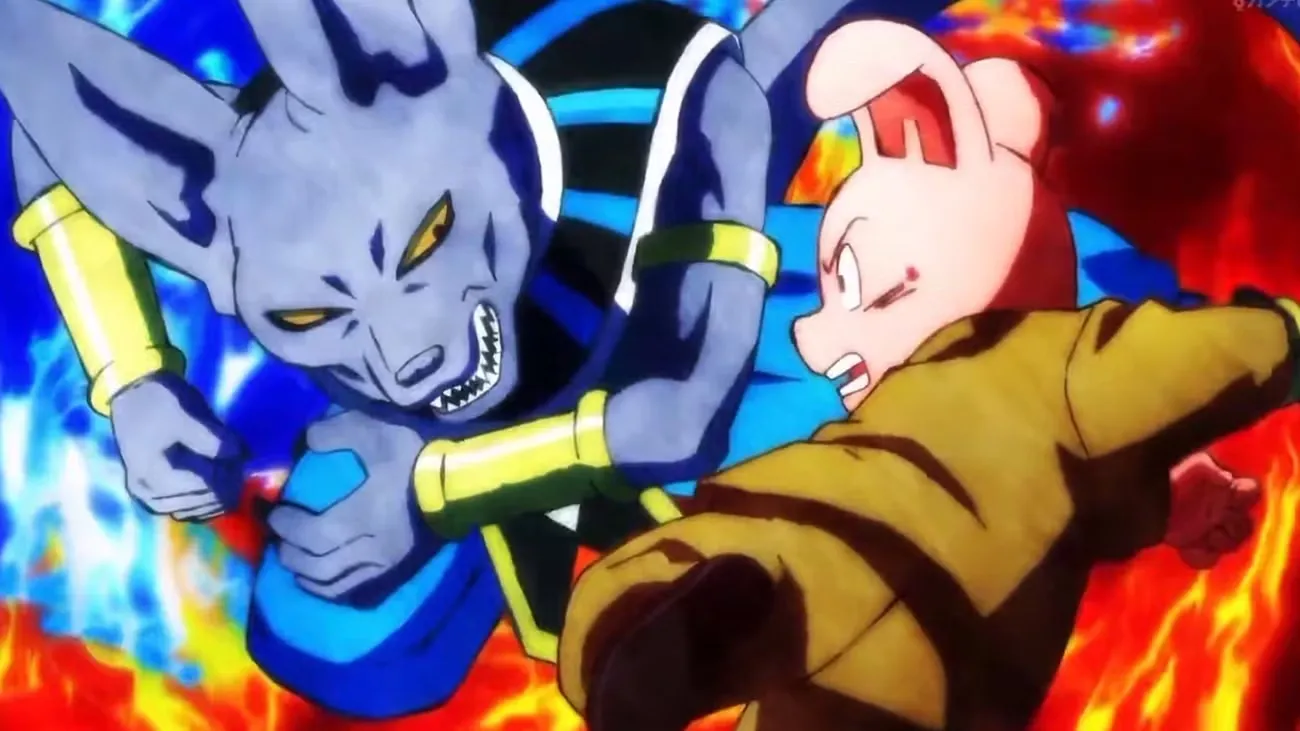
The story reaches a familiar crisis: Beerus is ready to destroy Earth, and Goku intervenes before suggesting that Shenron might know how to summon the Super Saiyan God. In the 2015 television version, Goku's entrance is accompanied by the lively cue commonly identified as “Omen of Victory.” The enhanced 2026 cut removes that cue at the moment of his arrival. Sound effects remain, so describing the sequence as completely silent would be misleading.
That distinction matters because the argument is about dramatic scoring, not whether the animation team forgot to add audio. Without music pushing the scene toward triumph, Beerus still feels dangerous when Goku returns. Yet the absence of a musical swell can also make the entrance feel less like a hero's timely rescue. Both reactions follow from the same editorial decision; neither can be established as the objectively correct response.
Why some viewers prefer the quieter scene
The case for the 2026 edit is tonal consistency. Beerus has humiliated Earth's strongest defenders and could end the planet with little effort. A bright, celebratory theme risks implying that Goku's arrival has already solved the problem, when he does not yet possess the power Beerus is seeking. Holding back the score lets the danger remain unresolved and gives Goku's proposal to consult Shenron more room to land.
The newer version is also being sold as an enhanced reconstruction, not merely a higher-resolution copy of the original. Toei's stated production approach includes redrawn footage, new animation cuts, renewed sound work and story restructuring. On those terms, rethinking the mood of a scene is a legitimate part of the project, even when the old soundtrack has nostalgic appeal.
Why other viewers think the remake loses impact
The counterargument is not necessarily that the 2015 music was perfect. A scene can benefit from replacing an awkwardly cheerful cue without removing musical momentum altogether. A restrained orchestral entrance, for example, could preserve the threat posed by Beerus while still marking Goku's return as a major beat. That is an editorial possibility, not a claim that such an alternate track was produced or rejected.
Reporting published on November 1 documented fans comparing the 2015 and 2026 cuts and sharing versions with music restored. The responses described in those reports run in both directions: some disliked the original cue's cheerful tone, while others found the revised entrance flat. These are identifiable reactions to one scene, not a representative survey of the entire Dragon Ball audience.
A larger issue underlies the discussion. Fans now have several ways to experience the Battle of Gods story, including the 2013 theatrical film, the 2015 television retelling and this 2026 enhanced edition. The versions do not need to share the same pacing or musical emphasis. But the more often the same confrontation is revisited, the more visible every choice becomes, from a missing gag to the timing of a single sound cue.
Episode 4 changes more than a soundtrack
The November 1 episode advances quickly from Beerus's threat to the Super Saiyan God ritual. Goku asks Shenron about the legendary form, and the Saiyans help him achieve the red-haired transformation. Japanese episode reports confirm the transformation as the installment's major story payoff. That sequence is a much more consequential development than the entrance cue for anyone following the plot for the first time.
According to LEVEL UP's episode comparison, the enhanced cut also compresses material involving Vegeta's earlier amusement-park promise to Trunks into a flashback, while changing Shenron's visible reaction to Beerus. Those details have not been independently established here from a production breakdown, so they should be understood as the outlet's scene-by-scene observations rather than official explanations of intent.
The pacing argument cuts both ways. Removing material can make a familiar arc easier to revisit and keep attention on Beerus, Shenron and the ritual. It can also reduce the small character beats that made the original television version feel like an extended visit with the cast. The 2026 series must decide whether its main advantage is efficiency, spectacle or a fresh interpretation. Different viewers will reasonably value those goals differently.
Is Dragon Ball Super: Beerus a remake or a new sequel?
It is an enhanced reworking of the original Dragon Ball Super Battle of Gods material, not a new continuation of the story after the 2018 series. Toei announced that the project would revisit Akira Toriyama's earlier drafts, add and redraw cuts, and reconstruct the narrative. The distinct new Dragon Ball Super: The Galactic Patrol anime was announced separately. Our Dragon Ball Super: Beerus release-date guide covers the October 11 launch and its place in the franchise.
That also explains why comparisons with the film and 2015 anime are so persistent. A sequel would mainly be judged on where it takes the characters next. An enhanced version asks viewers to reassess scenes they already know. When the story beats stay recognizable, soundtrack, framing and editing become the main differences to debate.
What comes after Episode 4?
The next scheduled weekly installment is Episode 5 on Sunday, November 8, 2026, barring a broadcast change. The setup now moves toward the confrontation between Super Saiyan God Goku and Beerus. Whether the new version's action and music work better together in that fight remains to be seen; Episode 4 alone cannot settle the quality of the entire enhanced run.
For viewers more interested in Goku's wider strength debates than production choices, our Goku versus Sung Jin-Woo comparison takes a separate look at cross-series power arguments. That is a speculative comparison, unlike the concrete episode changes discussed here.
The real question is what a better version should preserve
The missing entrance cue is a small change with an unusually clear trade-off. The 2026 cut arguably protects Beerus's menace, while the older music gives Goku's return an unmistakable burst of personality. The strongest criticism of the enhanced edition is not simply that it differs from 2015. It is whether each difference makes the scene more effective on its own terms. With the Super Saiyan God fight approaching, that is a more useful question than declaring a winner after one disputed musical moment.
Frequently asked questions
Frequently asked questions
Why is there no music when Goku arrives in Dragon Ball Super: Beerus Episode 4?
The enhanced 2026 edit removes the upbeat entrance cue used in the 2015 television scene. Sound effects remain, and the production has not publicly explained the precise intent behind that individual choice.
When did Dragon Ball Super: Beerus Episode 4 air?
November 1, 2026, on Fuji TV in Japan, with an Episode 4 release also listed on Crunchyroll.
Sources & references6 sources
- Crunchyroll, Dragon Ball Super: Beerus Episode 4, released November 1, 2026
- Mynavi News, Episode 4 official synopsis and broadcast confirmation, November 2, 2026
- LEVEL UP, Episode 4 entrance-music change and viewer discussion, November 1, 2026
- ElCuervoNica, comparative reporting on the changed Episode 4 soundtrack, November 1, 2026
- Crunchyroll, Toei production goals and Toriyama drafts, January 25, 2026
- Crunchyroll, global streaming territories and October 11 start, October 5, 2026