
Anime With the Best First Episode of All Time
Rushabh Bhosale
There's something magical about an anime that grabs you by the collar in the first 24 minutes and refuses to let go. A great first episode doesn't just introduce characters or establish a world—it makes you feel something. Whether it's shock, curiosity, or pure adrenaline, the best anime premieres create an instant connection that keeps you watching until 4 AM, questioning your life choices but unable to stop.
Some anime take their time building momentum. Others hit you like a truck from frame one. The difference between a good first episode and an unforgettable one often comes down to a single moment: a shocking death, a moral dilemma, or a twist that completely recontextualizes everything you just watched. When an anime nails that first episode, it doesn't just hook viewers—it creates fans for life.
Fan consensus points to a handful of anime that consistently get praised for their opening episodes. These aren't just shows that start strong; they're series that understand exactly how to introduce their world without overwhelming you, how to make you care about characters you just met, and how to leave you desperate for more. Here are the anime with the best first episodes of all time.
Attack on Titan
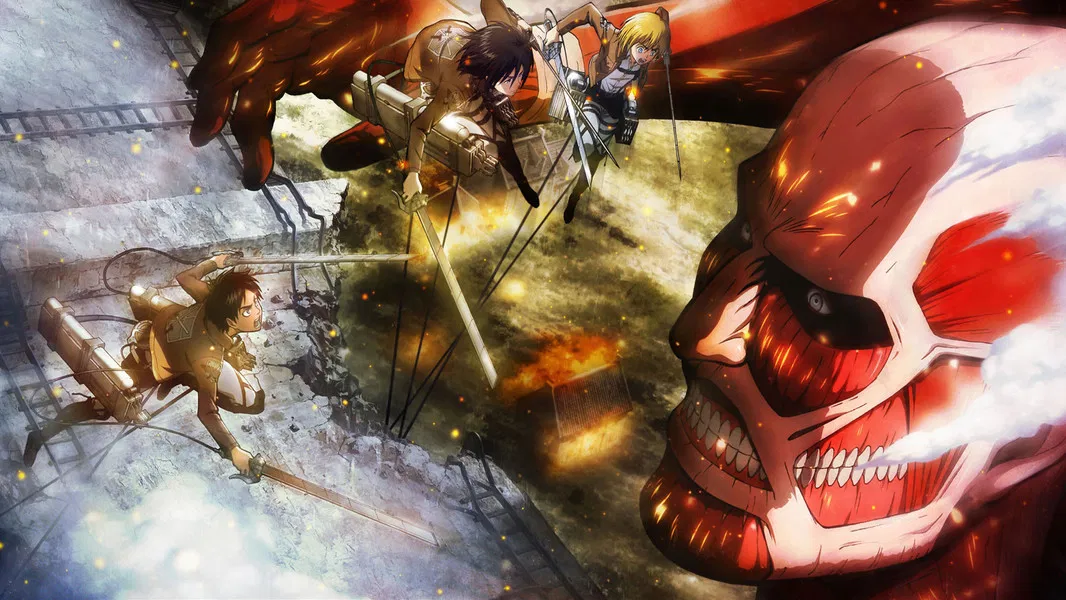
Attack on Titan's premiere is a masterclass in brutal efficiency. The episode spends just enough time establishing the peaceful, confined world behind the walls before the Colossal Titan kicks everything to hell. Watching Eren's mother get devoured by a Titan while he's powerless to help is one of the most visceral opening moments in anime history.
What makes this first episode so effective is how it balances worldbuilding with raw emotion. You learn about the Titans, the walls, and humanity’s desperate situation, but it’s Eren’s anguished scream that stays with you. That moment doesn’t just define his character—it plants the emotional seed that eventually leads to the choices he makes later in the story, including why Eren started the Rumbling and why it wasn’t just for Paradis.
The episode promises scale, violence, and a protagonist driven by pure rage—and it delivers on all three.
Death Note
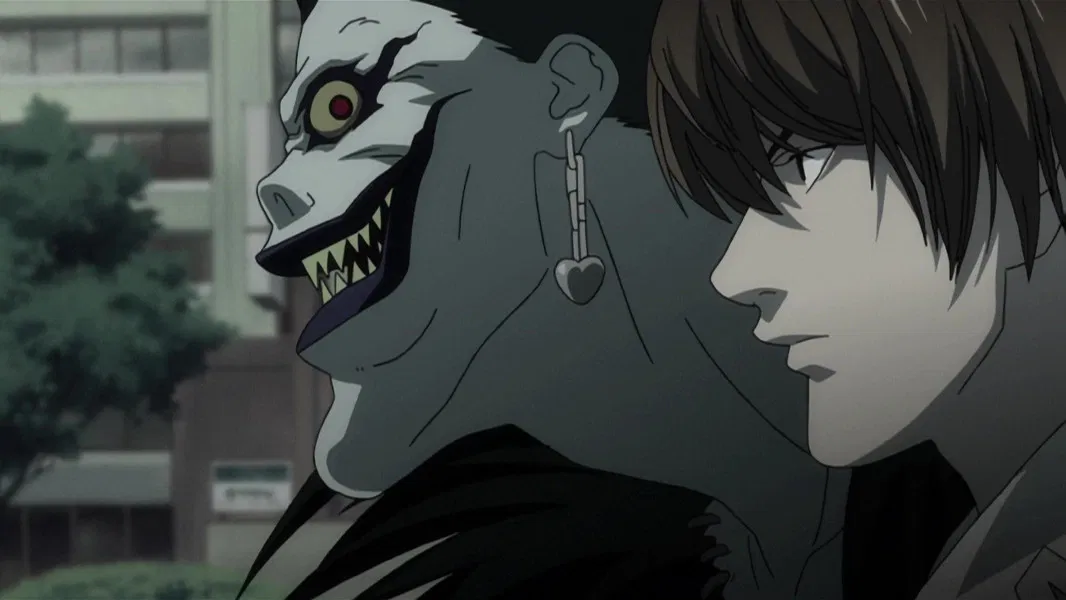
Light Yagami finds a notebook that can kill anyone whose name is written in it. That premise alone is enough to hook most viewers, but Death Note's first episode goes further by showing Light's rapid transformation from curious student to someone who genuinely believes he can become a god.
The episode introduces Ryuk, establishes the Death Note's rules, and gives you a front-row seat to Light's moral descent—all without feeling rushed. It's a psychological thriller that trusts its concept enough to let it breathe, and by the end, you're left wondering whether you're rooting for a villain or watching the birth of something far more complicated.
That moral ambiguity is exactly why the series still holds up years later, which I explore in more detail in my Death Note review on why the anime still hits hard.
Demon Slayer
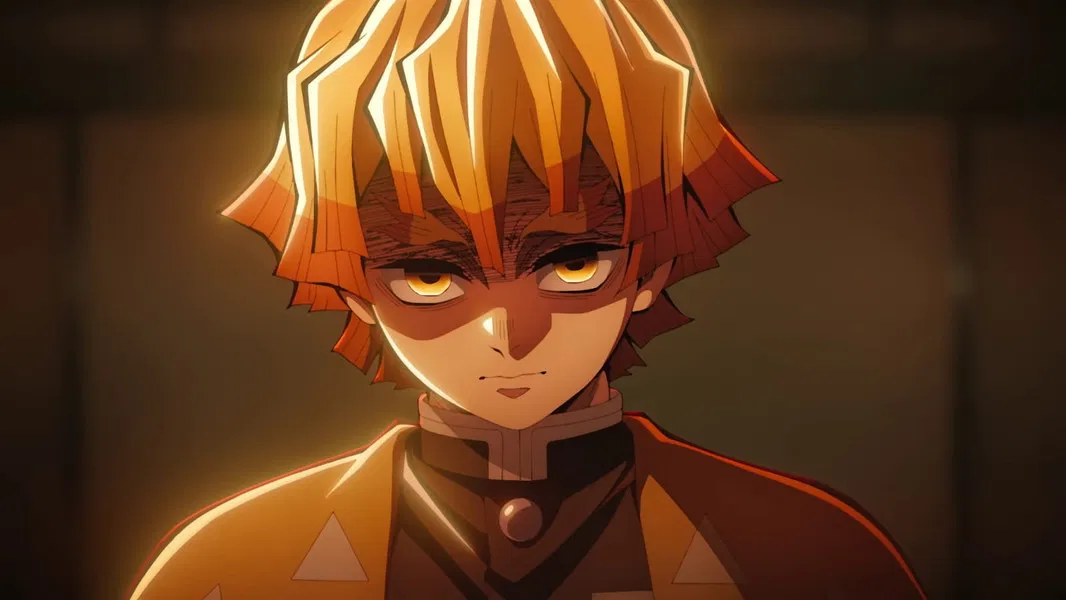
Before Demon Slayer became known for its jaw-dropping animation, it started with a surprisingly grounded first episode. Tanjiro is just a kid trying to provide for his family in the mountains. Then he comes home to find them slaughtered, with only his sister Nezuko surviving—now transformed into a demon.
The episode's strength lies in its emotional foundation. You spend enough time with Tanjiro's family to care when they're ripped away. Nezuko's transformation creates an immediate stakes-driven narrative: Tanjiro isn't just fighting demons for revenge; he's desperately searching for a way to save his sister. It's personal, tragic, and sets up a journey you want to follow.
Code Geass
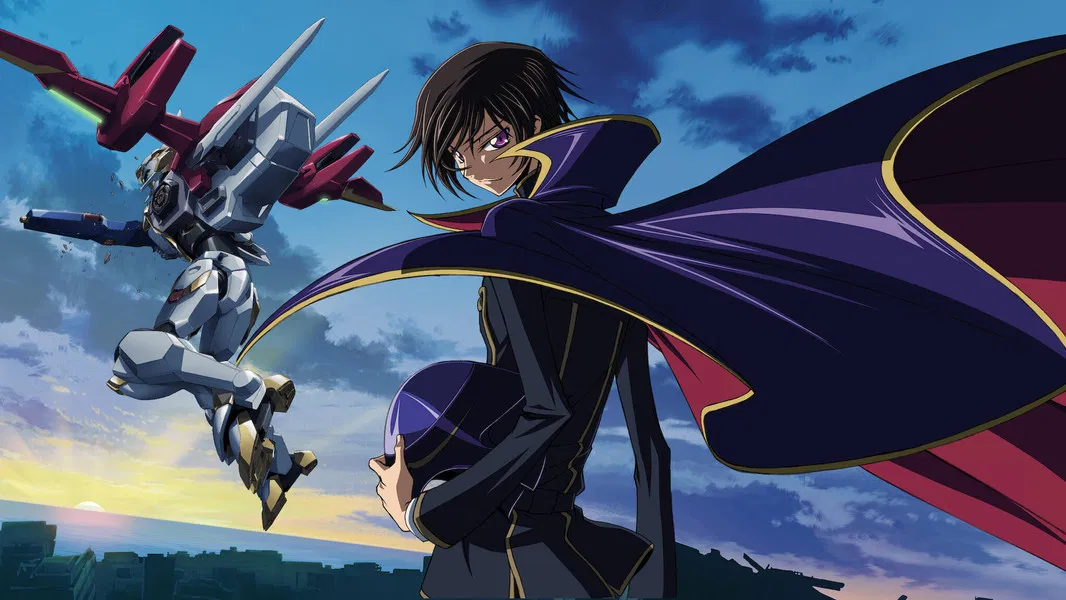
Lelouch accidentally stumbles into a terrorist situation, witnesses a massacre, and gains the power to control anyone with a single command—all in the span of one episode. The moment he uses his newfound Geass ability to order enemy soldiers to die, standing among their corpses with that unsettling smile, you know this isn't your typical mecha anime.
Code Geass hooks you with the promise of a brilliant protagonist who's willing to get his hands dirty. It's part political thriller, part high school drama, and entirely captivating from the start. The first episode establishes Lelouch's intelligence, his hatred for Britannia, and his willingness to sacrifice morality for his goals.
Re:Zero
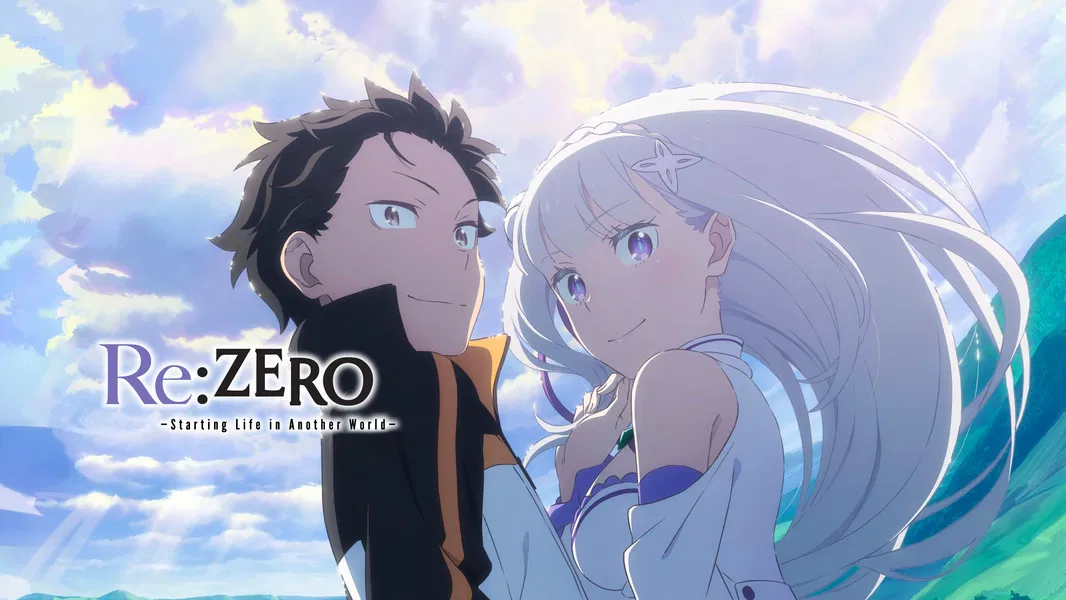
Re:Zero flips the isekai genre on its head in its first episode. Subaru gets transported to a fantasy world, thinks he's got the standard overpowered protagonist deal, helps a silver-haired girl find her stolen insignia, and then they both get brutally murdered. Suddenly, he's back where he started—alive, confused, and realizing his "power" is dying over and over again.
At a time when isekai anime were saturated with wish-fulfillment power fantasies, Re:Zero promised something darker. The first episode's length (a double episode) gives it room to establish Subaru's personality and make that first death hit harder. It's a brilliant subversion that immediately sets itself apart.
Made in Abyss
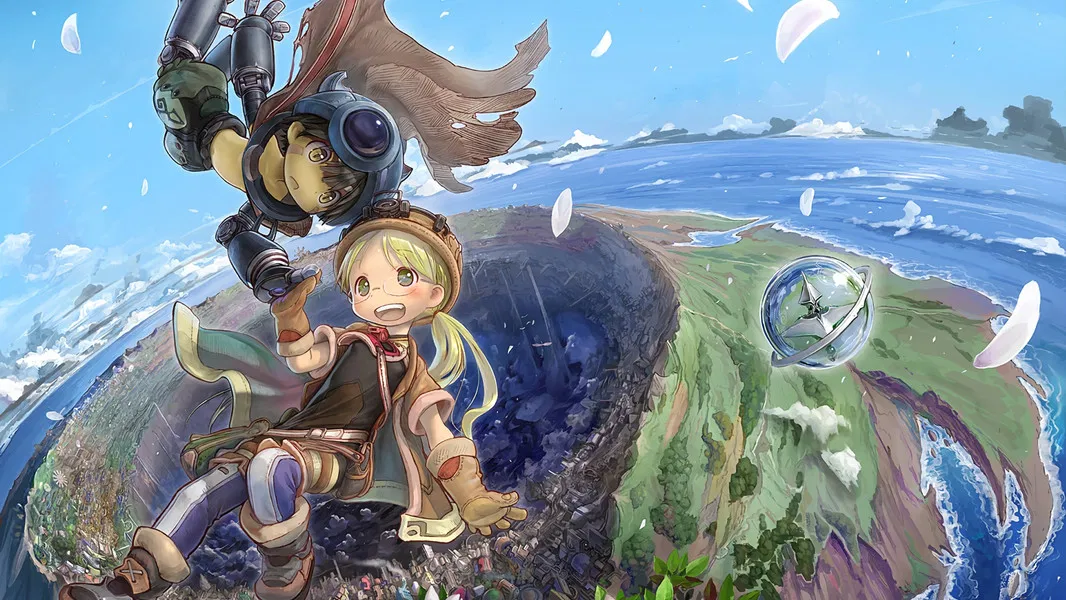
Made in Abyss looks like a children's adventure at first glance. Bright colors, cute character designs, and a young orphan girl named Riko who dreams of exploring the mysterious Abyss where her mother disappeared. She finds a robot boy, and it all seems innocent enough—until people start mentioning the "Curse of the Abyss" and what it does to people who try to climb back out.
The episode brilliantly establishes a world that's equal parts wonder and horror. The Abyss is beautiful and terrifying, promising adventure while hinting at the psychological darkness to come. It's a perfect setup for a series that refuses to pull its punches despite its appearance.
Yu Yu Hakusho
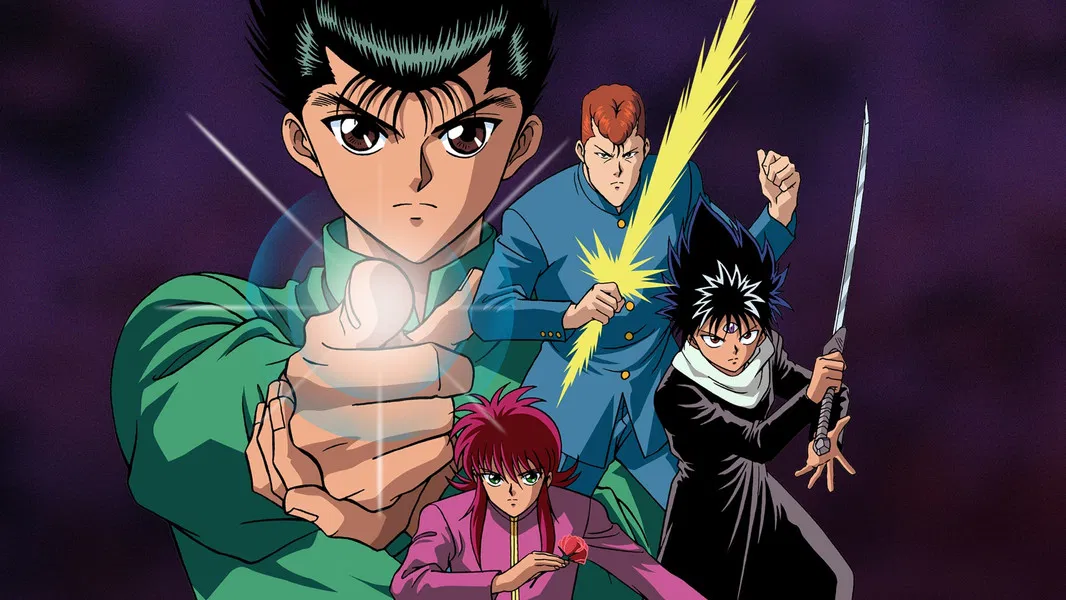
Killing your protagonist in the first episode is a bold move. Yusuke Urameshi is a delinquent with no future, and then he dies saving a kid from getting hit by a car. The twist? He wasn't supposed to die—even the afterlife didn't see it coming. Now he's a ghost with a chance to earn his life back.
Yu Yu Hakusho's first episode works because it makes you care about an unlikely hero. Yusuke seems like a punk with no redeeming qualities, but that self-sacrifice reveals his humanity. The episode promises a supernatural adventure with a protagonist who has genuine depth beneath the tough exterior.
Oshi No Ko
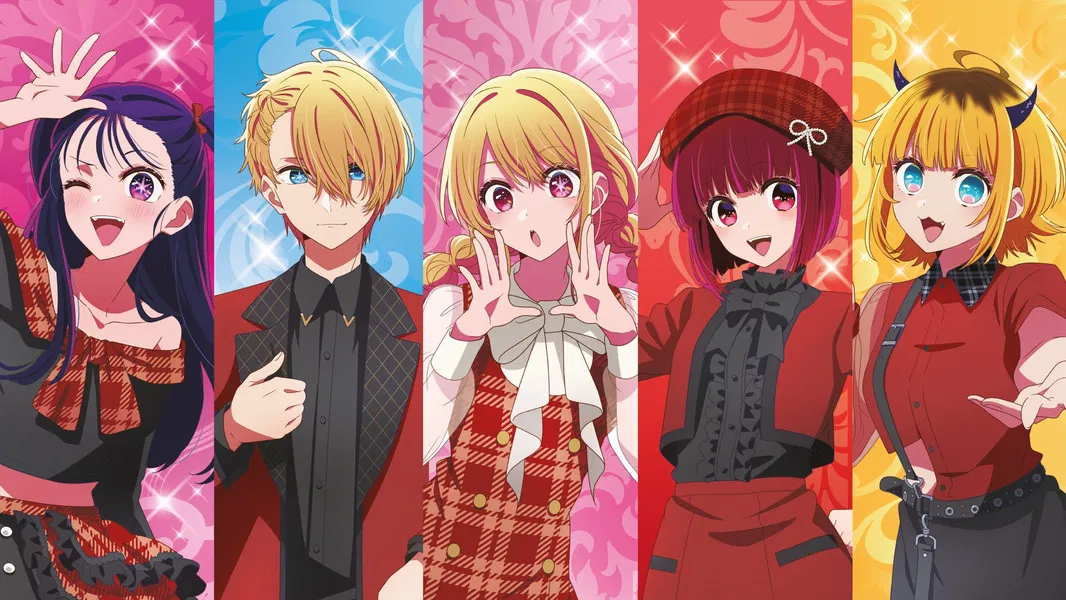
Oshi No Ko's premiere is 90 minutes of pure chaos. It starts as an idol story, shifts into something much darker, and hits you with multiple shocking twists that redefine everything. Saying more would ruin the experience, but this extended first episode became an instant phenomenon for good reason.
The length allows the series to establish its world, develop its characters, and deliver emotional gut punches that shorter episodes couldn't pull off. It's ambitious, surprising, and one of those rare anime where you tell people to go in completely blind because the experience is that unique.
Fullmetal Alchemist: Brotherhood
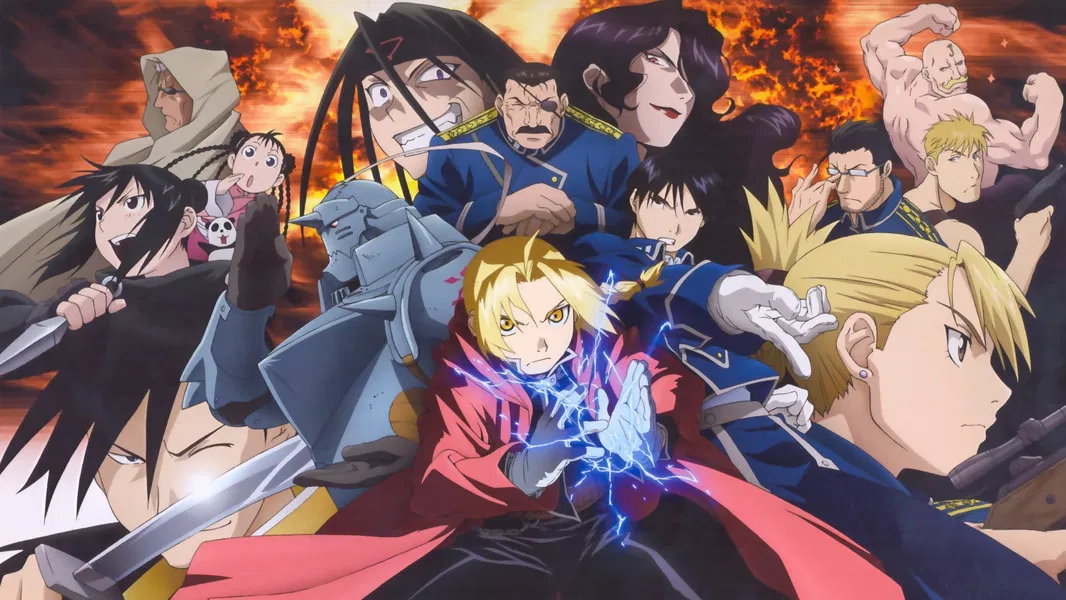
The Elric brothers are already established alchemists when the series begins, hunting for the Philosopher's Stone. The first episode throws you into action immediately—showcasing their abilities, their dynamic, and the world's rules. Then comes the reveal: Ed's missing limbs and the fact that Al's entire body is gone, his soul bound to a suit of armor.
It's a cold open that trusts the audience to keep up. You don't get the full backstory yet, but you get enough to understand the stakes and the brothers' desperation. The mystery of what happened to them becomes the hook that pulls you into their journey.
Blue Lock
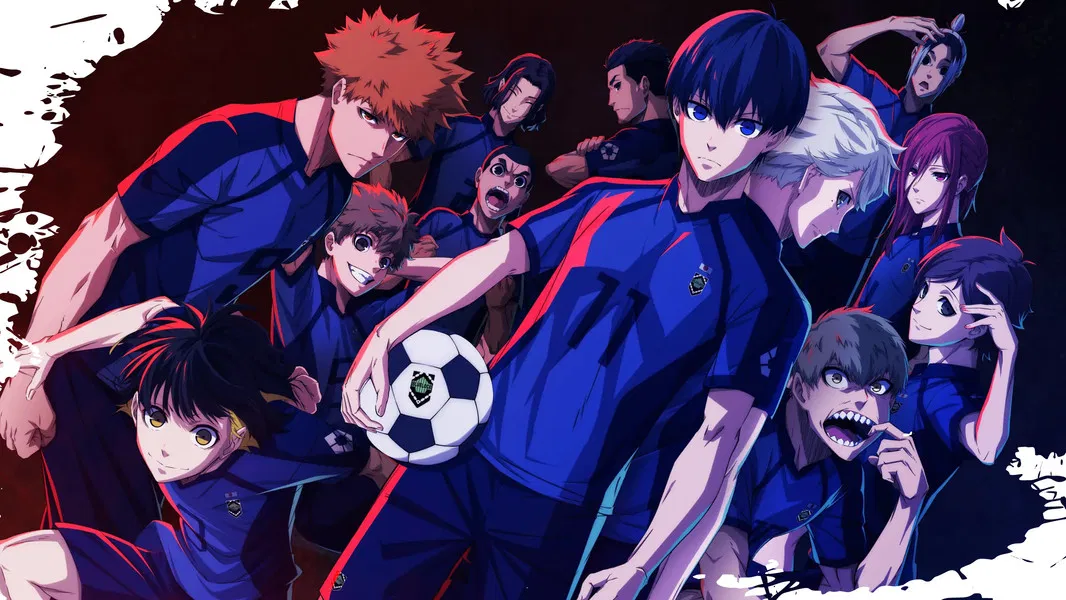
Blue Lock's first episode immediately breaks sports anime conventions. Instead of teamwork and friendship, it's about ego and individual excellence. The protagonist, Isagi, betrays his teammate in a crucial moment, and you're left questioning whether you should even be rooting for him.
The anime's premise—300 strikers competing in a prison-like facility where only one will become Japan's greatest forward—is deliberately intense and uncomfortable. It rejects everything traditional sports anime stands for, and that boldness makes it impossible to look away.
That ruthless mindset only becomes more important as the series progresses, especially in the Neo Egoist League arc, which is set to define what comes next. If you’re curious where the story is heading, you can read more in my breakdown of Blue Lock Season 3.
To Your Eternity
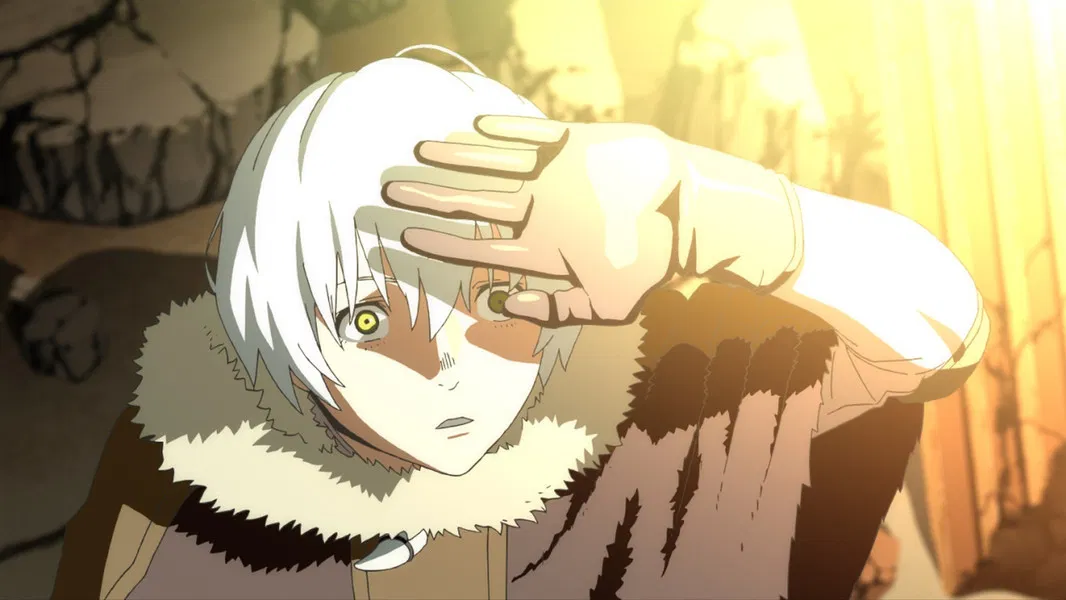
To Your Eternity's first episode feels like a standalone short film. A nameless boy in a frozen wasteland, dragging a sled and talking to his absent family, slowly starving as he searches for other humans. The quiet determination and raw emotion packed into 25 minutes creates a connection most anime take entire seasons to establish.
The ending—where he dies alone believing he failed, and the immortal orb takes his form to continue his journey—is devastating. It's a first episode that proves animation can convey profound loneliness and humanity without relying on action or spectacle.
Akame ga Kill!
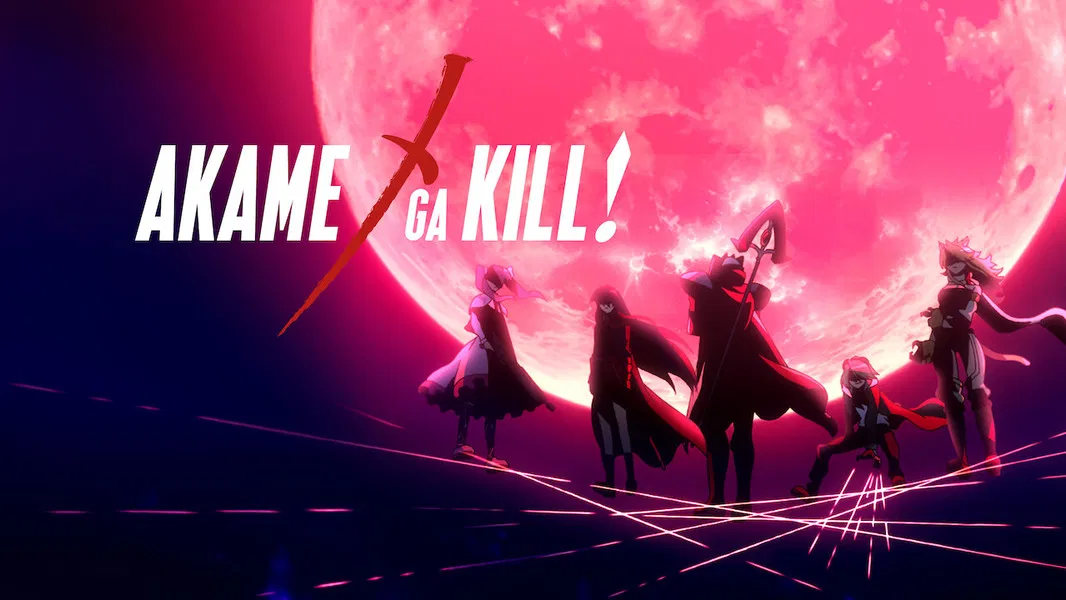
Akame ga Kill! presents itself as a standard fantasy adventure before ripping that illusion apart. Tatsumi arrives in the capital seeking fortune, gets hired by a noble family, and discovers they've been torturing his friends to death for entertainment. The shift from light-hearted to brutal is jarring and intentional.
This first episode establishes that no one is safe and that the world is far darker than it appears. It's shock value with purpose—showing you exactly what kind of series you're getting into and daring you to keep watching.
Samurai Champloo
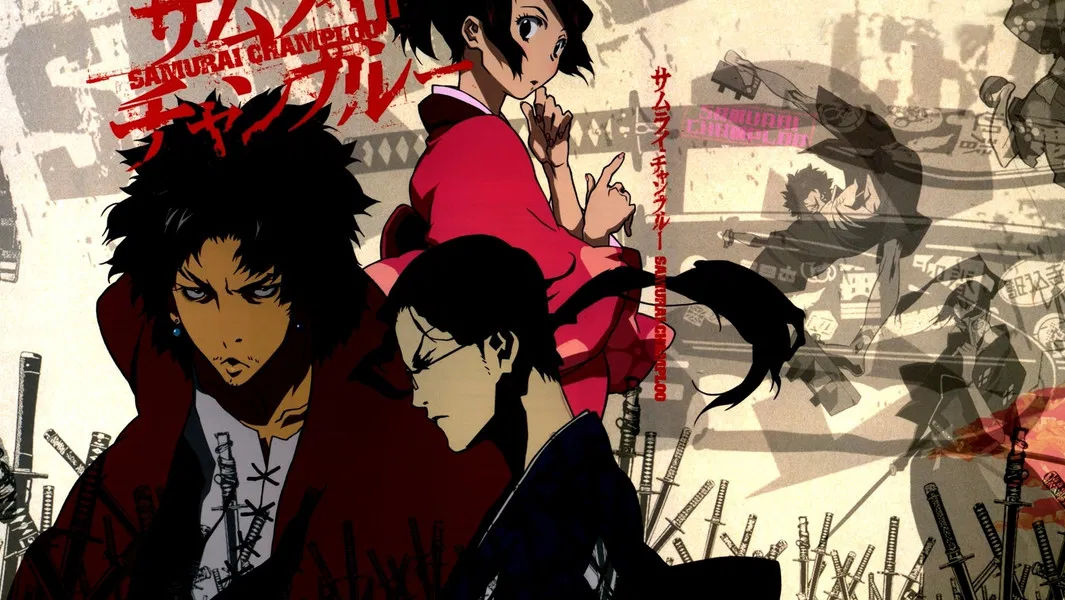
Two rival samurai walk into a bar, start a massive fight, get sentenced to execution, and are saved at the last second by a waitress who demands they help her find "the samurai who smells of sunflowers." It's a chaotic, stylish introduction backed by hip-hop music that shouldn't work in a historical setting but absolutely does.
Samurai Champloo's first episode hooks you with its unique atmosphere. The action is fluid, the characters are immediately memorable, and the anachronistic soundtrack sets a tone that's completely distinct from anything else in the samurai genre.
A great first episode can define an entire anime. It's the difference between a show you binge in one sitting and one that sits in your watchlist forever. The anime on this list understand that you need to earn the audience's investment, whether through shock, emotion, mystery, or sheer style.
Which first episode hooked you the hardest? The one that made you cancel plans and stay up way too late because you needed to see what happened next? That's the magic of a perfect first episode—it doesn't just start a story; it demands you become part of it.
Tags
Frequently Asked Questions
Which anime has the most shocking first episode?
Anime like Attack on Titan, Death Note, and Oshi No Ko are often cited by fans for having first episodes that completely change expectations through major twists or emotional impact.
Do first episodes really matter for an anime’s success?
Absolutely. A strong first episode can define audience interest, influence word-of-mouth, and determine whether viewers commit to watching the rest of the series.
Is a strong first episode a guarantee that an anime stays good?
Not always. While a great first episode helps hook viewers, long-term quality depends on storytelling, pacing, and character development throughout the series.
Next up
10 Best Anime With Zero Filler Arcs in 2026 | No Skippable Episodes
The best anime with no filler or skippable arcs maintain narrative quality throughout their entire run. Fullmetal Alchemist: Brotherhood leads with perfect pacing across 64 episodes, followed by Hunter x Hunter's genre-shifting arcs, and Attack on Titan's consequence-heavy storytelling. Unlike long-running shonen like Naruto or One Piece that pad runtime with filler, these series respect viewer time—every arc advances plot, deepens themes, or develops characters meaningfully. From psychological thrillers like Monster to short masterpieces like Odd Taxi, these anime prove you don't need filler episodes to create lasting impact. This curated list represents the gold standard of narrative consistency in anime. Why Most Anime Struggle With Filler (And These Don't) The weekly anime format created a problem: studios produce episodes faster than manga chapters release. The solution? Filler arcs—original content that stalls the main story while waiting for source material. Naruto has 220 filler episodes. Bleach has 164. One Piece has 94 and counting. But modern anime shifted to seasonal production, releasing 12-24 episode seasons with breaks between them. This format eliminated the need for filler, allowing tighter storytelling. The anime on this list either adopted seasonal production, had complete source material before adaptation, or were original works designed from the start to be filler-free. As of 2026, these remain the gold standard for narrative efficiency. 1. Fullmetal Alchemist: Brotherhood Episodes: 64 | Genres: Action, Adventure, Dark Fantasy The gold standard of long-form anime storytelling. Every arc advances the central plot about the Elric brothers' search for the Philosopher's Stone, deepens themes of sacrifice and equivalent exchange, and builds toward a finale that pays off every setup. Why Every Arc Matters The series begins with Edward and Alphonse Elric attempting human transmutation to revive their mother. It goes horrifically wrong—Ed loses his arm and leg, Al loses his entire body. The first arc establishes the cost of their mistake and their quest to regain what they lost. From there, each arc expands the conspiracy. The Ishvalan War reveals state-sponsored genocide. The Homunculi arc shows the true villains manipulating everything. The Promised Day finale brings together every character, theme, and plotline in one climactic battle. There's no padding. No side quests that don't connect to the main story. Even comedy episodes serve character development, like the beach episode that reveals Hughes' dedication to his family—making his later death devastating. Similar to why Death Note still hits hard years later, Brotherhood maintains tension through meticulous plotting where nothing is wasted. 2. Hunter x Hunter (2011) Episodes: 148 | Genres: Adventure, Action, Fantasy Each arc feels like a different genre experiment, yet all of them matter. From Yorknew's mafia thriller to Chimera Ant's existential horror, nothing exists just to stall the story. The Genius of Arc Variety The Hunter Exam arc is a battle tournament. Yorknew City is a heist thriller. Greed Island is a video game adventure. Chimera Ant is a war story that becomes a meditation on humanity and monstrosity. This variety prevents repetition. When viewers might tire of one genre, the series pivots completely—but always in service of character growth. Gon's journey from innocent kid to someone capable of horrifying self-destruction is earned through every arc's escalation. The Chimera Ant arc is 61 episodes—longer than some entire anime. But it never drags because it's not filler. It's the series' thematic climax, forcing characters to confront what makes humans worth saving. This connects to why Meruem becomes more human than the hunters—the arc's length allows genuine philosophical exploration rather than surface-level action. 3. Attack on Titan Episodes: 87 | Genres: Action, Drama, Dark Fantasy A rare case where later arcs completely recontextualize earlier ones. Every season raises the stakes and reframes the narrative, making rewatches even stronger. When Every Arc Changes Everything The first season sells itself as humans versus titans—straightforward monster-slaying action. Then the Female Titan arc reveals titans are humans. The Uprising arc reveals the government conspiracy. The Return to Shiganshina arc reveals the world beyond the walls. Each revelation doesn't invalidate previous arcs—it deepens them. Rewatch the first season after finishing the series and every line of dialogue carries new weight. Details that seemed random become foreshadowing. The final season transforms the show from action spectacle into moral complexity about cycles of violence, genocide, and whether freedom justifies atrocity. No arc exists without consequence. 4. Steins;Gate Episodes: 24 | Genres: Sci-Fi, Thriller, Drama The slow start is deliberate, not a weakness. Every early episode sets emotional landmines that explode later. Once the shift happens at episode 12, the story never wastes a moment. Why the "Slow" Start Is Perfect Episodes 1-11 feel like slice-of-life comedy about eccentric scientists accidentally inventing time travel. Characters joke around, flirt, build friendships. Viewers complain the show is boring. Then episode 12 happens. Mayuri dies. Okabe discovers he's trapped in a time loop where she always dies. Suddenly every joke from earlier episodes becomes tragedy—those friendships are weapons used against him. The "slow" start wasn't filler. It was building attachment so the suffering matters. Similar to how Frieren feels different by prioritizing quiet character moments, Steins;Gate earns its emotional payoff through patience. 5. Monster Episodes: 74 | Genres: Psychological Thriller, Mystery, Drama A long psychological thriller that never loses its grip. Each arc expands the moral question rather than padding runtime. Patient, focused, relentlessly consistent. The Slow Burn That Never Stops Burning Dr. Tenma saves a child's life instead of a politician's. Years later, that child has become a serial killer. Tenma dedicates himself to stopping the monster he created. At 74 episodes, Monster is longer than most anime on this list. But it's adapted from a completed manga with a planned endpoint. Every arc serves the central question: was Tenma right to value all lives equally, or do some people deserve to die? The Johan arc, the Ruhenheim arc, the library investigation—each peels back another layer of Johan's psychology while forcing Tenma to question his own morality. There's no filler because the show isn't about plot twists. It's about moral examination. 6. Mob Psycho 100 Episodes: 37 (3 seasons) | Genres: Action, Comedy, Supernatural A complete character arc told across three seasons. Every conflict exists to push Mob's emotional growth forward. The story knows exactly when to end and does so perfectly. When Action Serves Emotional Development Mob is the world's most powerful esper, but he doesn't want to use his powers. The series could be about spectacular psychic battles—and those exist—but every fight asks the same question: who is Mob beyond his power? Season 1: Can Mob have normal relationships despite being abnormal? Season 2: Can Mob accept his emotions without destroying everything? Season 3: Can Mob grow beyond who others expect him to be? The finale answers all three, then ends. No sequel bait. No spinoff setup. Just a complete story about a kid learning to accept himself. This parallels how Haikyuu shows effort without promising greatness—Mob's journey isn't about becoming the strongest, it's about becoming himself. 7. Vinland Saga Episodes: 48 (2 seasons) | Genres: Historical, Action, Drama A series that evolves instead of repeating itself. Whether brutal or quiet, each arc serves the same philosophical core about war, revenge, and redemption. The Tonal Shift That Makes It Stronger Season 1 is brutal revenge. Thorfinn dedicates his life to killing Askeladd, the man who murdered his father. The arc culminates not in satisfying vengeance but in hollow victory—Askeladd dies, and Thorfinn realizes revenge was meaningless. Season 2 abandons action entirely. Thorfinn becomes a slave on a farm, learning pacifism and questioning everything he believed. Some viewers hated the shift from action to philosophical drama. But it's not a drop in quality—it's the point. The series asks whether someone raised for violence can choose peace. Season 1 shows the cost of revenge. Season 2 shows the difficulty of change. Similar to how Bakuman reveals the hidden costs of creative ambition, Vinland Saga refuses to glamorize what it depicts. 8. Gintama Episodes: 367 | Genres: Action, Comedy, Parody Comedy-heavy episodes build attachment, making serious arcs hit harder. The tonal whiplash is part of its design, and the major story arcs consistently rank among anime's best. When Filler Isn't Really Filler Gintama is unique on this list because it has "filler"—standalone comedy episodes with no plot relevance. But they serve narrative purpose: making you care about characters so dramatic arcs devastate you. You spend 50 episodes laughing at Gintoki's laziness and sweet tooth. Then the Benizakura arc reminds you he's a war veteran with survivor's guilt. The comedy wasn't filler—it was building contrast. The Courtesan of a Nation arc, Farewell Shinsengumi, and the final Silver Soul arc are masterpieces of character payoff. But they only work because the show spent hundreds of episodes making you love these idiots. 9. Cowboy Bebop Episodes: 26 | Genres: Sci-Fi, Western, Neo-Noir Episodic, but never pointless. Every standalone story reveals something about the characters or the world. Ends exactly where it should, without overstaying its welcome. The Episodic Structure That Works Most episodes are self-contained bounty hunts. Spike and the Bebop crew chase a target, things go wrong, they barely scrape by. No overarching villain. No season-long mystery (until the end). But each episode adds layers. "Jamming with Edward" introduces Ed's hacking skills. "Speak Like a Child" reveals Faye's amnesia. "Hard Luck Woman" shows Ed and Faye's loneliness. The finale brings everything together—Spike confronts his past, the crew scatters, the story ends. At 26 episodes, it could've continued. But it told its story and stopped. Similar to how Odd Taxi proves every detail can matter, Bebop demonstrates that episodic doesn't mean inconsequential. 10. Odd Taxi Episodes: 13 | Genres: Mystery, Psychological, Drama Short, dense, and immaculately planned. Every conversation matters. Every detail pays off. One of the clearest examples of zero wasted episodes in modern anime. When Every Line of Dialogue Is Setup A taxi driver has casual conversations with passengers. The show seems like low-stakes slice-of-life. Then pieces start connecting—the idol, the missing girl, the yakuza, the social media influencer. By episode 13, every throwaway line from episode 1 becomes crucial evidence. The series was reverse-engineered from its ending, ensuring nothing exists without purpose. At 13 episodes, Odd Taxi is the shortest anime on this list. But it accomplishes more than series three times its length because it respects viewer intelligence and never wastes time. Honorable Mentions That Almost Made the List Frieren: Beyond Journey's End - Currently airing, but every episode so far has been essential. Slow pacing serves the themes of time, memory, and legacy. A Place Further Than the Universe - 13 episodes of perfect emotional storytelling about teenage girls traveling to Antarctica. No filler, just character growth. Ping Pong the Animation - 11 episodes that completely deconstruct sports anime. Every match serves character development, not spectacle. These didn't make the top 10 because they're either still incomplete (Frieren) or extremely niche in appeal (Ping Pong's art style), but they're equally filler-free. What "No Bad Arcs" Actually Means This list isn't about anime without filler episodes—it's about narrative consistency across entire runs. An anime can have zero filler and still have bad arcs. Tokyo Ghoul has no filler, but its second season is widely considered a mess. Promised Neverland has no filler, but its second season collapsed so badly fans pretend it doesn't exist. The Three Criteria 1. Every arc advances something meaningful - plot, character development, or themes. No stalling. 2. Quality remains consistent - later arcs don't drop in writing, animation, or pacing. 3. The ending justifies the journey - everything builds toward a conclusion that feels earned. These ten anime meet all three criteria. They're not just filler-free—they're examples of what anime can accomplish when every episode matters. Why This Matters More Than Ever in 2026 Anime is more accessible than ever. Streaming services carry thousands of titles. But viewer time is finite. Recommending a 300-episode series with 100 filler episodes is a hard sell. "Just skip these arcs" isn't a satisfying answer—if arcs are skippable, why were they made? The anime on this list prove you don't need padding to create impact. Fullmetal Alchemist: Brotherhood tells a complete story in 64 episodes. Odd Taxi does it in 13. Longer isn't better. Better is better. And when every arc matters, rewatches become richer instead of tedious. You can recommend these series to newcomers without caveats or filler guides. In 2026's crowded anime landscape, these series stand out precisely because they respect viewer time.