
Best Comedy Anime That Actually Make You Laugh
Home/Anime Lists/Best Comedy Anime That Actually Make You Laugh

Best Comedy Anime That Actually Make You Laugh

R

Rushabh Bhosale

5 views
Share:

The best comedy anime work through timing, commitment, and character writing rather than forced gags. Daily Lives of High School Boys captures realistic male friendship through awkward conversations and relatable scenarios. Gintama masters parody and fourth-wall breaks across 300+ episodes. Nichijou elevates mundane moments into absurdist masterpieces. Asobi Asobase subverts cute aesthetics with deadpan chaos. Saiki K uses psychic powers for understated comedy. Grand Blue delivers diving-themed chaos. Hinamatsuri balances yakuza life with wholesome family moments. Cromartie High School embraces pure absurdism. Arakawa Under the Bridge finds humor in eccentric riverside community. What separates these from generic comedy is their refusal to explain jokes or force reactions—the humor emerges naturally from character dynamics and situational escalation.

Most comedy anime aren't funny.

They're loud. Characters scream punchlines. Reactions get exaggerated beyond recognition. The show pauses to make sure you know something hilarious just happened.

Effective comedy doesn't work that way. This trust-driven approach is similar to how Why Reigen Arataka Is One of Anime’s Best Written Adults explores humor that comes from character consistency rather than exaggerated reactions.

The comedy anime that actually make you laugh understand this completely.

Why Forced Comedy Fails

Comedy is subjective, but effective comedy has recognizable patterns. Escalation building from small absurdities to ridiculous conclusions. Awkward silence creating tension before payoff. Characters committing fully to scenarios no matter how stupid. Subversion of expected outcomes.

Generic comedy anime miss these fundamentals. They telegraph jokes, over-explain setups, and rely on volume instead of delivery.

The result feels exhausting rather than funny. You're being told when to laugh instead of discovering humor organically.

This list avoids that approach entirely. Every show here trusts viewers to find the comedy without assistance.

Daily Lives of High School Boys: The Gold Standard
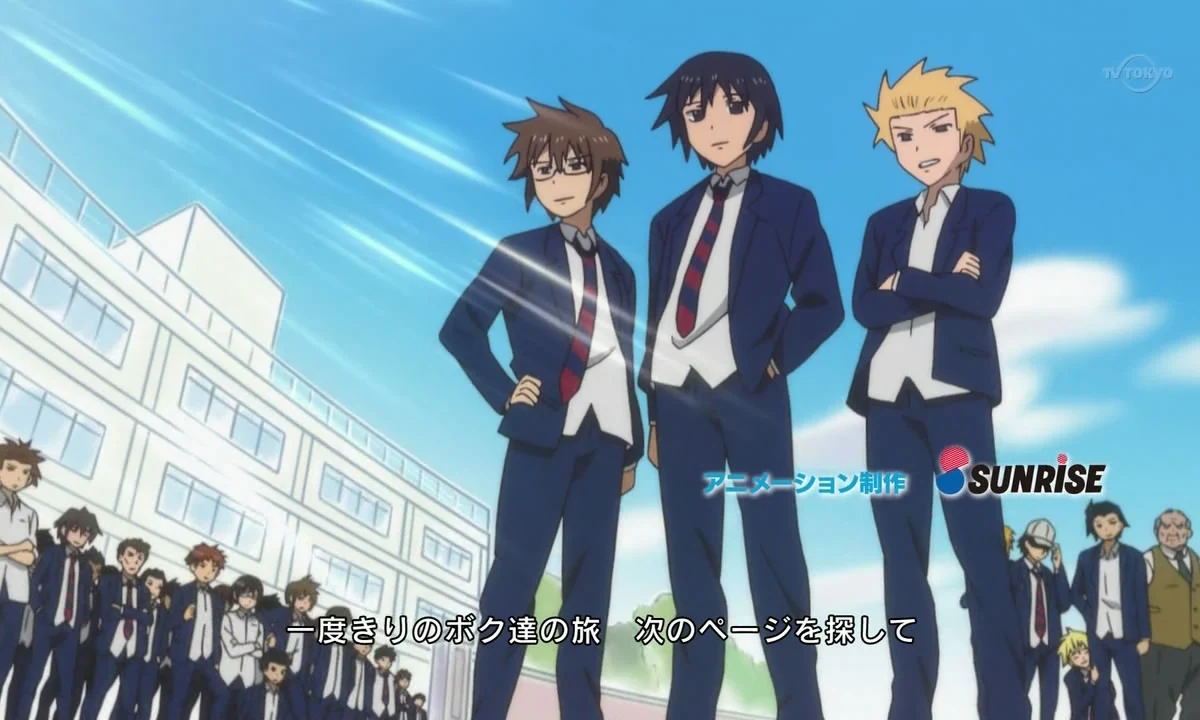
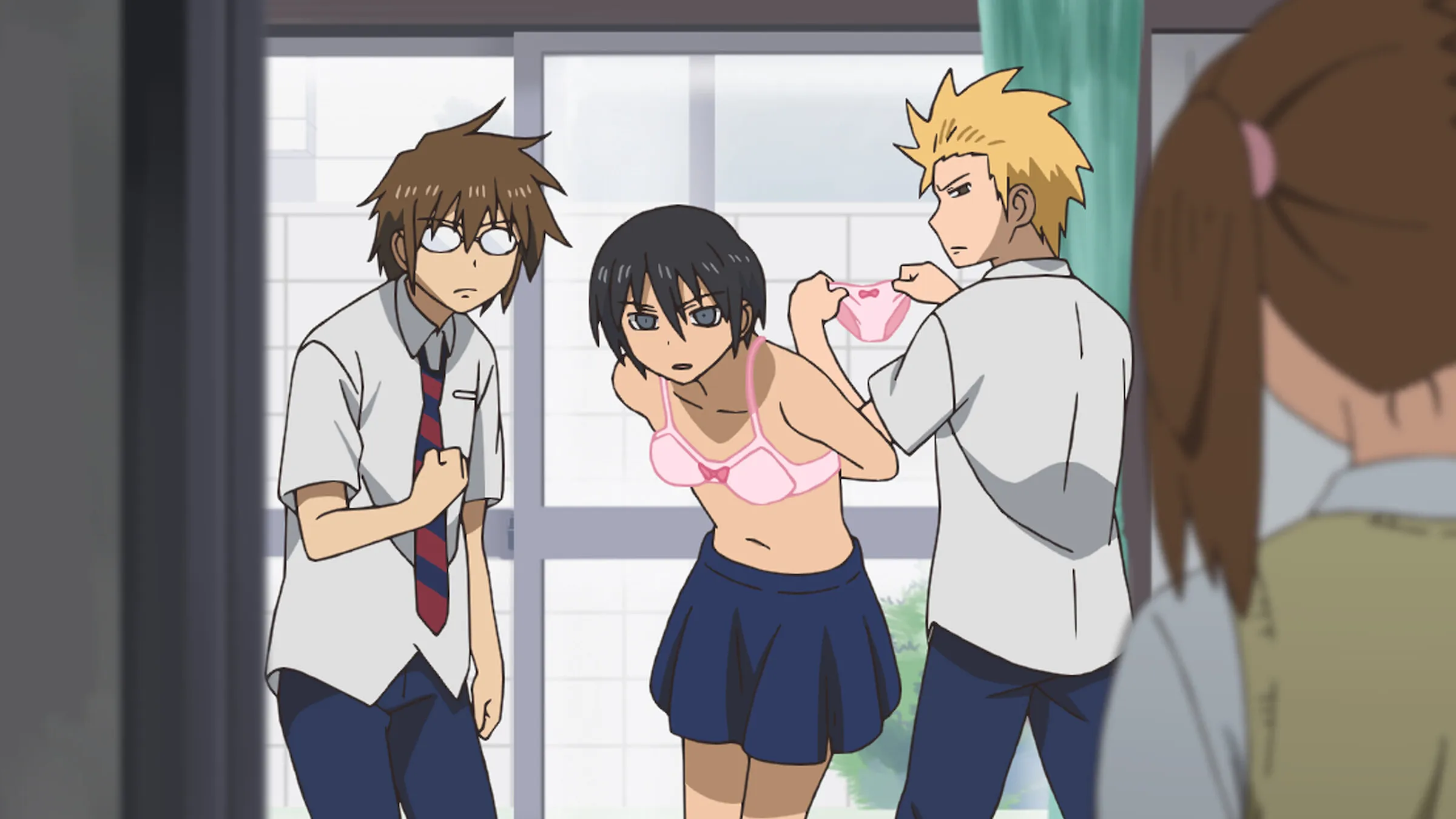
Daily Lives of High School Boys anime comedy scene

This is my personal favorite, and understanding why explains what separates genuinely funny anime from the rest.

Daily Lives of High School Boys follows three friends—Hidenori, Tadakuni, and Yoshitake—navigating mundane high school existence at an all-boys school. No plot. No supernatural elements. Just guys being idiots together.

The genius lies in its realism. These aren't anime characters performing exaggerated comedy routines. They're recognizable teenage boys having the exact stupid conversations real teenage boys have.

Pretending to be action heroes while walking down the street. Overthinking conversations with girls to absurd degrees. Making elaborate plans that immediately fall apart. Getting unreasonably competitive about meaningless activities.

Why the Realism Works

The show captures specific truths about male friendship that most anime ignore. The performative coolness that disappears the moment your friends catch you. The collaborative delusion where everyone commits to ridiculous scenarios without acknowledging how dumb they are. The casual cruelty disguised as banter.

Episodes are structured as short vignettes—2 to 5 minute sketches featuring different character combinations. This format prevents jokes from overstaying their welcome and allows rapid-fire variety.

The voice acting elevates everything. Tomokazu Sugita (Gintoki from Gintama) voices Hidenori, bringing the same deadpan delivery that makes seemingly normal statements hilarious through sheer commitment.

What makes Daily Lives special is how it mirrors actual teenage experiences without romanticizing them. These kids aren't cool or special. They're bored high schoolers killing time through increasingly stupid activities.

This kind of grounded humor mirrors how shows like Barakamon treat everyday frustration seriously rather than theatrically.

That honesty creates comedy that still holds up over a decade later.

Gintama: The 300-Episode Comedy Beast
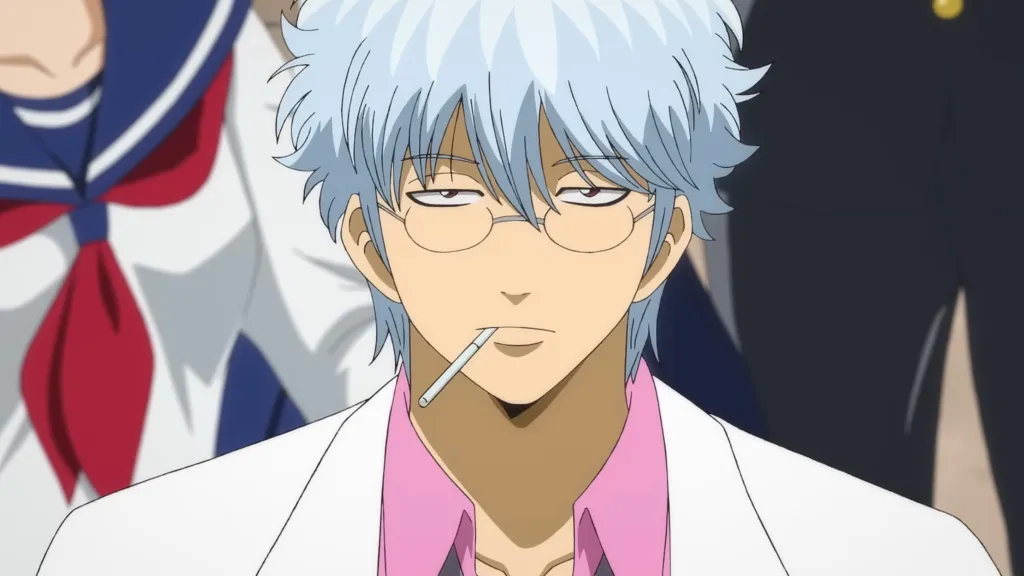
Gintama anime parody scene featuring Gintoki Sakata

Gintama represents commitment to comedy at scale. Over 300 episodes, multiple seasons, and several movies, the series maintains consistent humor through sheer variety.

Set in alternate-history Edo period invaded by aliens, the show follows Gintoki Sakata—a lazy samurai running an odd-jobs business with his friends Shinpachi and Kagura.

The premise sounds serious. The execution is anything but.

Gintama thrives on parody and meta-humor. It mocks other shounen anime, breaks the fourth wall constantly, and acknowledges its own budget limitations. Characters complain about filler episodes during filler episodes. The show pauses action scenes to debate whether fights or comedy episodes draw better ratings.

That commitment is what separates noise from comedy.

The Balance Between Comedy and Drama

What separates Gintama from pure comedy anime is its willingness to shift into genuine drama when stories demand it. Character arcs matter. Emotional beats land despite surrounding absurdity.

This range makes the comedy work better. The same balance between humor and emotional weight is what makes Death Note Review: Why the Anime Still Hits Hard Years Later effective despite its darker tone.

The humor itself varies wildly. Toilet jokes sit alongside sharp political satire. Slapstick physical comedy transitions into wordplay requiring Japanese language knowledge. Pop culture references span decades.

Not every joke lands across 300+ episodes. But the hit rate remains impressively high for a series that length, and when Gintama nails a comedic sequence, it rivals anything anime has produced.

Nichijou: Absurdism as Fine Art
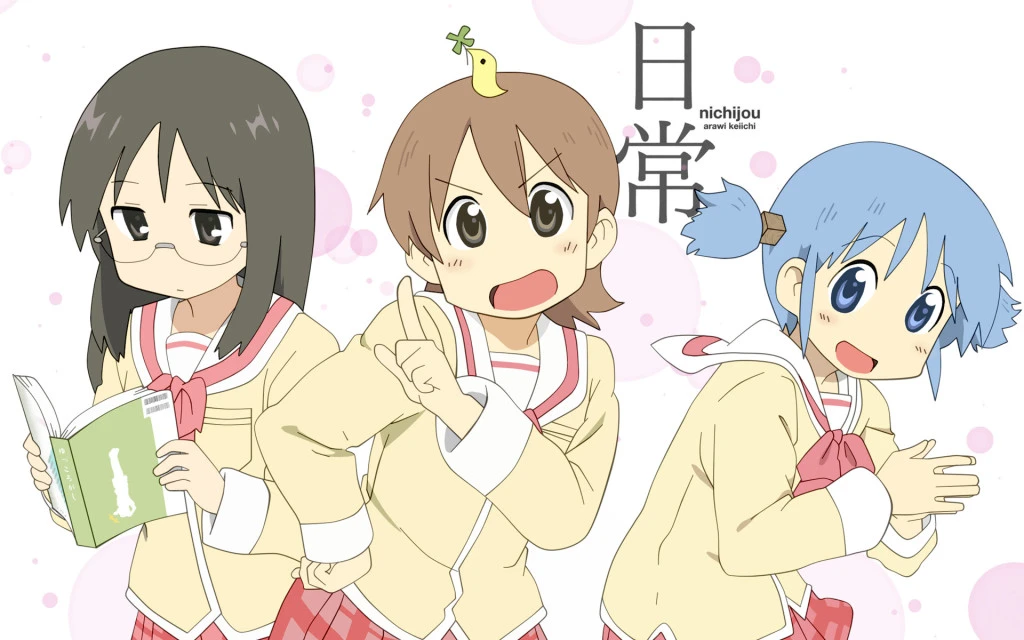
Nichijou anime exaggerated reaction during an everyday situation

Nichijou (My Ordinary Life) takes everyday scenarios and explodes them into surreal chaos.

A student forgets her homework and reacts like the world is ending—complete with dramatic music, slow-motion, and sakuga-quality animation. A teacher tries to catch a student dozing off, escalating into elaborate spy-versus-spy warfare. A principal wrestles a deer.

Kyoto Animation produced this series, bringing film-quality animation to the most ridiculous scenarios imaginable. The visual comedy rivals the writing—characters' faces contort into impossible shapes, background details hide subtle jokes, and action sequences parody shounen battles while depicting mundane conflicts.

Like how Monster explores psychological tension through careful buildup, Nichijou masters comedic tension through perfectly timed silence.

Why Absurdism Requires Commitment

Nichijou works because everyone plays scenarios completely straight. Characters don't acknowledge the absurdity. A talking cat isn't questioned. A child scientist with robot servants is treated as normal.

This commitment sells the comedy. When characters react to absurd situations as if they're mundane, the contrast creates humor more effectively than if the show winked at the audience.

The series also masters comedic timing through silence. Jokes breathe. Punchlines don't get telegraphed. Sometimes the funniest moments involve characters staring at each other without speaking while tension builds.

Asobi Asobase: Cute Aesthetics, Chaotic Reality
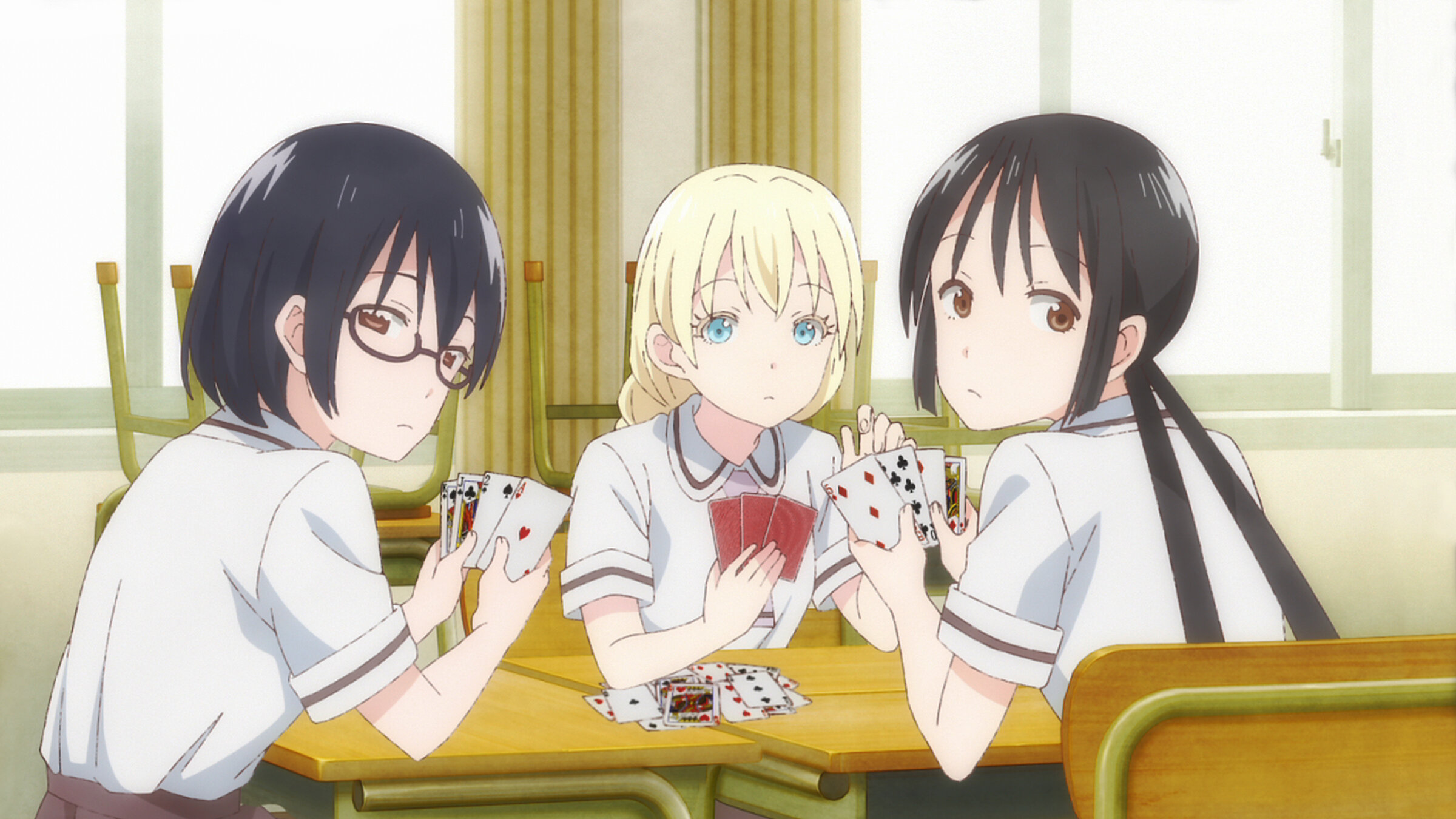
Asobi Asobase comedy anime showing unexpected absurd humor

Asobi Asobase appears to be typical cute-girls-doing-cute-things slice of life. The art style suggests wholesome school comedy.

The content is unhinged chaos.

Three middle school girls form the Pastimers Club—ostensibly to play games, actually to engage in increasingly bizarre activities. The comedy comes from subverting every expectation the cute aesthetic creates.

Characters make grotesque facial expressions that shatter the kawaii facade. Situations escalate from innocent to deeply uncomfortable without warning. The show commits to weirdness most anime would abandon as too strange.

Deadpan Delivery Meets Physical Comedy

Asobi Asobase excels at juxtaposition. Calm delivery of unhinged dialogue. Cute character designs making horrifying expressions. Innocent scenarios revealing dark undertones.

The voice acting deserves special mention. The actresses shift from sweet to terrifying instantly, selling characters who are simultaneously endearing and disturbing.

This isn't comedy for everyone. The humor skews dark and uncomfortable. But for viewers tired of safe, predictable slice-of-life comedy, Asobi Asobase offers refreshing chaos.

Saiki K: Psychic Powers Used for Mundane Purposes
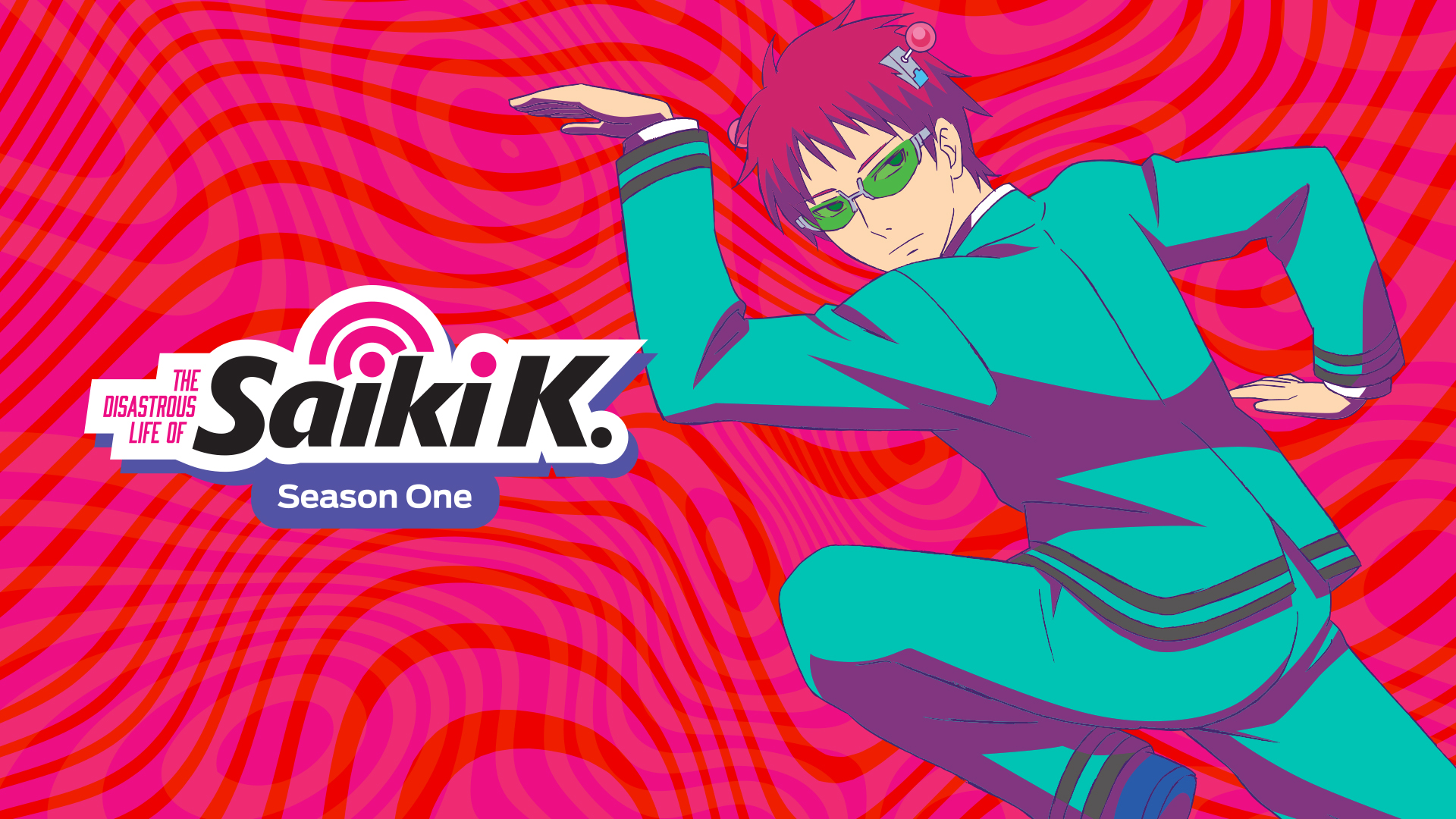
Saiki K anime psychic powers used for everyday problems

The Disastrous Life of Saiki K follows Kusuo Saiki, a high schooler with godlike psychic abilities who wants nothing more than to live normally.

The setup invites typical superhero comedy. But Saiki uses his powers for profoundly mundane purposes—avoiding social interactions, finishing homework instantly, preventing minor inconveniences.

His deadpan narration carries the comedy. While chaos erupts around him, Saiki maintains exhausted commentary about how troublesome everything is. His goal isn't saving the world. It's making it through the day without anyone discovering his abilities. That exhausted, observational humor overlaps strongly with the quiet character-driven tone discussed in Mushishi Shows That Some Problems Are Not Meant to Be Fixed.

The show also features rapid-fire pacing with quick cuts and fast dialogue. Episodes barely pause, keeping energy high and preventing jokes from dragging.

Grand Blue: Diving Anime (Not Really)
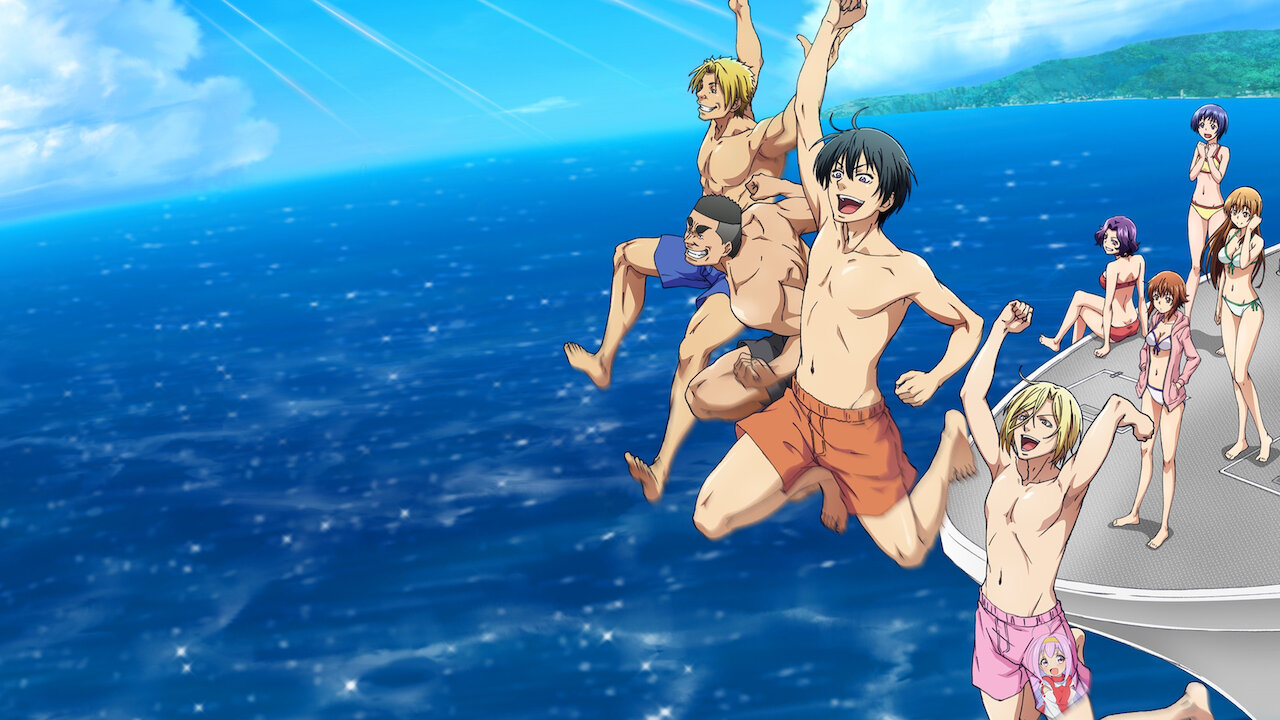
Grand Blue comedy anime showing wild college humor

Grand Blue is technically about a college diving club.

Actually, it's about college students drinking, causing chaos, and occasionally diving.

The comedy comes from escalating debauchery framed with perfect deadpan delivery. Characters end up naked with alarming frequency. Drinking competitions reach absurd extremes. Schemes spiral into disasters.

What makes Grand Blue work is how it treats insane situations as completely normal while the normal (actual diving) gets treated as unusual. The inversion creates constant comedy through misplaced priorities. This same contrast between expectation and reality appears in sports anime discussions like Haikyuu Is About Effort Without a Promise of Greatness, where effort matters more than payoff.

Hinamatsuri: Yakuza Meets Psychic Daughter
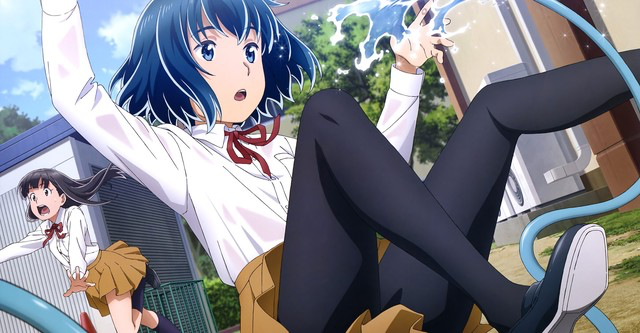
Hinamatsuri anime yakuza and psychic girl comedy scene

Hinamatsuri follows Nitta, a yakuza member whose life gets disrupted when psychic girl Hina crashes into his apartment.

The premise could go dark. Instead, it becomes wholesome family comedy about a gangster reluctantly becoming a father figure to a lazy girl who only wants to eat and sleep.

The show's strength is comedic timing. Jokes don't linger. Punchlines hit with precision. The contrast between yakuza life and domestic comedy creates consistent humor. That balance between warmth and absurdity is also why Kids on the Slope Shows That Some Friendships Aren’t Meant to Last resonates emotionally without sacrificing levity.

Side character Anzu—another psychic girl who ends up homeless—provides emotional weight without sacrificing comedy. Her storyline balances heartwarming moments with absurd scenarios seamlessly.

Cromartie High School: Pure Absurdism
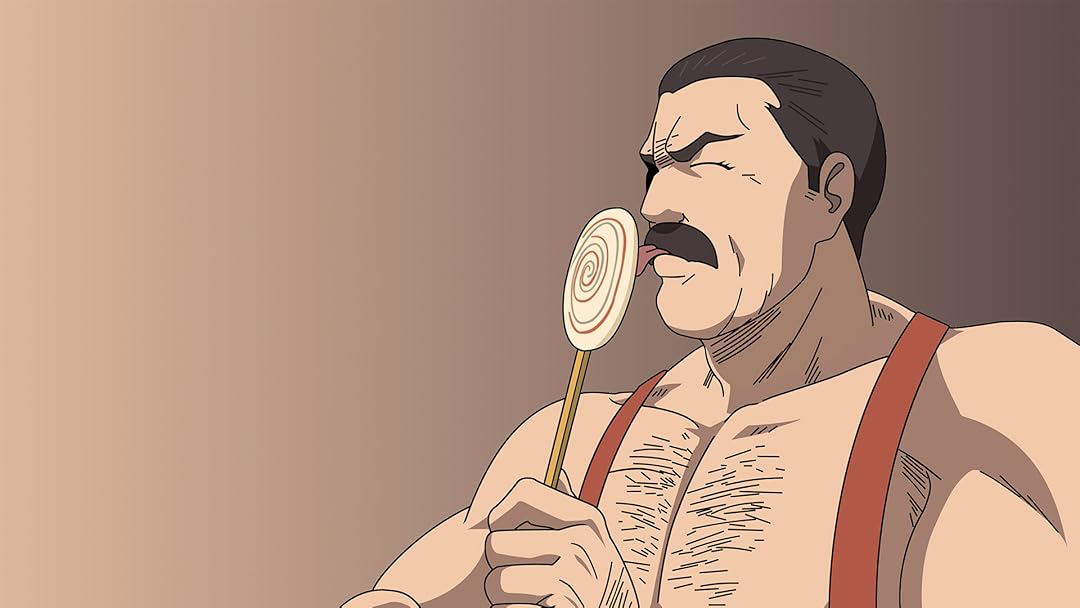
Cromartie High School anime absurd delinquent school scene

Cromartie High School abandons logic entirely.

Set in a delinquent school, the series features a gorilla, a robot, possibly Freddie Mercury, and one normal student who ended up there by mistake.

Nobody acknowledges how weird this is. Characters have serious conversations about trivial matters while absurd visual gags happen in the background.

The show is aggressively strange. Episodes often have no clear point. Conversations meander into philosophical territory before abandoning topics entirely.

This works because the commitment is absolute. Cromartie never explains itself or justifies its weirdness. It simply exists as surreal comedy that either clicks or doesn't.

Arakawa Under the Bridge: Eccentric Community Comedy
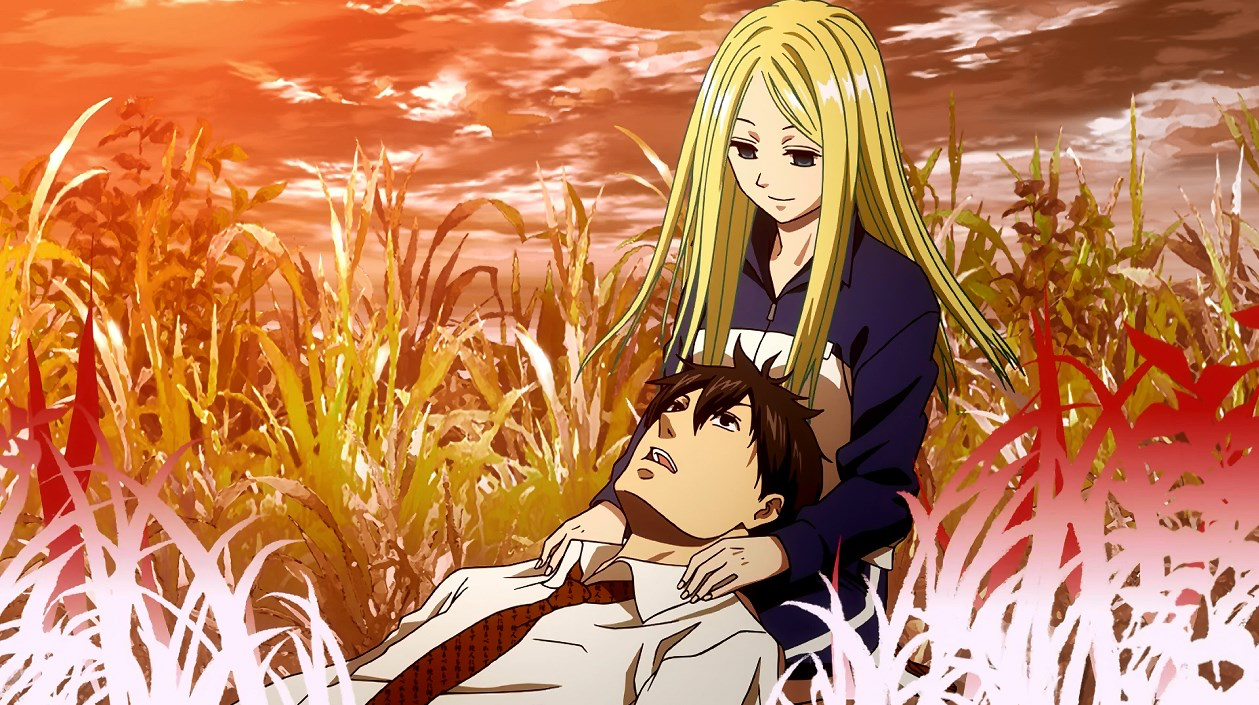
Arakawa Under the Bridge anime eccentric characters under a bridge

Arakawa Under the Bridge follows Kou, a successful businessman who ends up living under a bridge with a community of bizarre individuals after being saved by a girl who claims she's from Venus.

The comedy emerges from culture clash—a serious, goal-oriented man surrounded by people operating on completely different wavelengths. Each resident has their own delusion or eccentricity treated as normal within the community.

The show balances absurdist humor with surprising emotional depth. Characters might be insane, but their relationships and growth feel genuine.

Why These Comedy Anime Age Better

Comedy ages differently than action or drama. Jokes tied to current events become dated. Cultural references lose meaning. What seemed hilarious in context feels flat years later.

These anime avoid that problem through specific choices.

Character-based comedy ages well because human behavior remains consistent. Awkward social situations work regardless of when the show aired. Physical comedy transcends temporal context.

Absurdism that commits fully to its premise doesn't require contemporary knowledge. Nichijou's visual gags work because they're rooted in animation quality and timing, not references.

Shows like Gintama do reference current events and other anime, but the sheer volume means enough jokes remain funny even when some date poorly.

Most importantly, these series never rely on explaining why jokes are funny. They trust viewers to connect with the comedy through character dynamics and situation escalation.

Trust creates timeless humor.

That trust creates timeless humor. You can watch Daily Lives of High School Boys in 2026 and still laugh at teenage boys being idiots together because that dynamic hasn't changed.

The technical execution also matters. Good voice acting, comedic timing, and visual presentation elevate material. Even if a specific joke doesn't land, the delivery keeps things entertaining.

Different Flavors, Same Quality

This isn't a ranked list because comparing these shows directly misses the point. They represent different approaches to comedy that all work exceptionally well within their chosen styles.

The common thread is craftsmanship. Each show understands its comedic voice and executes within that framework without compromise.

Daily Lives of High School Boys captures realistic friendship. Gintama masters variety across 300+ episodes. Nichijou elevates the mundane through animation. Asobi Asobase subverts expectations. Saiki K delivers rapid-fire deadpan. Grand Blue escalates chaos. Hinamatsuri balances heartwarming and hilarious. Cromartie commits to weirdness. Arakawa finds humor in community.

Different styles. Same trust in the audience. That's why these anime are actually funny.
Tags

10 Best Anime With Zero Filler Arcs in 2026
Next in Anime Lists

Next up

10 Best Anime With Zero Filler Arcs in 2026 | No Skippable Episodes

The best anime with no filler or skippable arcs maintain narrative quality throughout their entire run. Fullmetal Alchemist: Brotherhood leads with perfect pacing across 64 episodes, followed by Hunter x Hunter's genre-shifting arcs, and Attack on Titan's consequence-heavy storytelling. Unlike long-running shonen like Naruto or One Piece that pad runtime with filler, these series respect viewer time—every arc advances plot, deepens themes, or develops characters meaningfully. From psychological thrillers like Monster to short masterpieces like Odd Taxi, these anime prove you don't need filler episodes to create lasting impact. This curated list represents the gold standard of narrative consistency in anime. Why Most Anime Struggle With Filler (And These Don't) The weekly anime format created a problem: studios produce episodes faster than manga chapters release. The solution? Filler arcs—original content that stalls the main story while waiting for source material. Naruto has 220 filler episodes. Bleach has 164. One Piece has 94 and counting. But modern anime shifted to seasonal production, releasing 12-24 episode seasons with breaks between them. This format eliminated the need for filler, allowing tighter storytelling. The anime on this list either adopted seasonal production, had complete source material before adaptation, or were original works designed from the start to be filler-free. As of 2026, these remain the gold standard for narrative efficiency. 1. Fullmetal Alchemist: Brotherhood Episodes: 64 | Genres: Action, Adventure, Dark Fantasy The gold standard of long-form anime storytelling. Every arc advances the central plot about the Elric brothers' search for the Philosopher's Stone, deepens themes of sacrifice and equivalent exchange, and builds toward a finale that pays off every setup. Why Every Arc Matters The series begins with Edward and Alphonse Elric attempting human transmutation to revive their mother. It goes horrifically wrong—Ed loses his arm and leg, Al loses his entire body. The first arc establishes the cost of their mistake and their quest to regain what they lost. From there, each arc expands the conspiracy. The Ishvalan War reveals state-sponsored genocide. The Homunculi arc shows the true villains manipulating everything. The Promised Day finale brings together every character, theme, and plotline in one climactic battle. There's no padding. No side quests that don't connect to the main story. Even comedy episodes serve character development, like the beach episode that reveals Hughes' dedication to his family—making his later death devastating. Similar to why Death Note still hits hard years later, Brotherhood maintains tension through meticulous plotting where nothing is wasted. 2. Hunter x Hunter (2011) Episodes: 148 | Genres: Adventure, Action, Fantasy Each arc feels like a different genre experiment, yet all of them matter. From Yorknew's mafia thriller to Chimera Ant's existential horror, nothing exists just to stall the story. The Genius of Arc Variety The Hunter Exam arc is a battle tournament. Yorknew City is a heist thriller. Greed Island is a video game adventure. Chimera Ant is a war story that becomes a meditation on humanity and monstrosity. This variety prevents repetition. When viewers might tire of one genre, the series pivots completely—but always in service of character growth. Gon's journey from innocent kid to someone capable of horrifying self-destruction is earned through every arc's escalation. The Chimera Ant arc is 61 episodes—longer than some entire anime. But it never drags because it's not filler. It's the series' thematic climax, forcing characters to confront what makes humans worth saving. This connects to why Meruem becomes more human than the hunters—the arc's length allows genuine philosophical exploration rather than surface-level action. 3. Attack on Titan Episodes: 87 | Genres: Action, Drama, Dark Fantasy A rare case where later arcs completely recontextualize earlier ones. Every season raises the stakes and reframes the narrative, making rewatches even stronger. When Every Arc Changes Everything The first season sells itself as humans versus titans—straightforward monster-slaying action. Then the Female Titan arc reveals titans are humans. The Uprising arc reveals the government conspiracy. The Return to Shiganshina arc reveals the world beyond the walls. Each revelation doesn't invalidate previous arcs—it deepens them. Rewatch the first season after finishing the series and every line of dialogue carries new weight. Details that seemed random become foreshadowing. The final season transforms the show from action spectacle into moral complexity about cycles of violence, genocide, and whether freedom justifies atrocity. No arc exists without consequence. 4. Steins;Gate Episodes: 24 | Genres: Sci-Fi, Thriller, Drama The slow start is deliberate, not a weakness. Every early episode sets emotional landmines that explode later. Once the shift happens at episode 12, the story never wastes a moment. Why the "Slow" Start Is Perfect Episodes 1-11 feel like slice-of-life comedy about eccentric scientists accidentally inventing time travel. Characters joke around, flirt, build friendships. Viewers complain the show is boring. Then episode 12 happens. Mayuri dies. Okabe discovers he's trapped in a time loop where she always dies. Suddenly every joke from earlier episodes becomes tragedy—those friendships are weapons used against him. The "slow" start wasn't filler. It was building attachment so the suffering matters. Similar to how Frieren feels different by prioritizing quiet character moments, Steins;Gate earns its emotional payoff through patience. 5. Monster Episodes: 74 | Genres: Psychological Thriller, Mystery, Drama A long psychological thriller that never loses its grip. Each arc expands the moral question rather than padding runtime. Patient, focused, relentlessly consistent. The Slow Burn That Never Stops Burning Dr. Tenma saves a child's life instead of a politician's. Years later, that child has become a serial killer. Tenma dedicates himself to stopping the monster he created. At 74 episodes, Monster is longer than most anime on this list. But it's adapted from a completed manga with a planned endpoint. Every arc serves the central question: was Tenma right to value all lives equally, or do some people deserve to die? The Johan arc, the Ruhenheim arc, the library investigation—each peels back another layer of Johan's psychology while forcing Tenma to question his own morality. There's no filler because the show isn't about plot twists. It's about moral examination. 6. Mob Psycho 100 Episodes: 37 (3 seasons) | Genres: Action, Comedy, Supernatural A complete character arc told across three seasons. Every conflict exists to push Mob's emotional growth forward. The story knows exactly when to end and does so perfectly. When Action Serves Emotional Development Mob is the world's most powerful esper, but he doesn't want to use his powers. The series could be about spectacular psychic battles—and those exist—but every fight asks the same question: who is Mob beyond his power? Season 1: Can Mob have normal relationships despite being abnormal? Season 2: Can Mob accept his emotions without destroying everything? Season 3: Can Mob grow beyond who others expect him to be? The finale answers all three, then ends. No sequel bait. No spinoff setup. Just a complete story about a kid learning to accept himself. This parallels how Haikyuu shows effort without promising greatness—Mob's journey isn't about becoming the strongest, it's about becoming himself. 7. Vinland Saga Episodes: 48 (2 seasons) | Genres: Historical, Action, Drama A series that evolves instead of repeating itself. Whether brutal or quiet, each arc serves the same philosophical core about war, revenge, and redemption. The Tonal Shift That Makes It Stronger Season 1 is brutal revenge. Thorfinn dedicates his life to killing Askeladd, the man who murdered his father. The arc culminates not in satisfying vengeance but in hollow victory—Askeladd dies, and Thorfinn realizes revenge was meaningless. Season 2 abandons action entirely. Thorfinn becomes a slave on a farm, learning pacifism and questioning everything he believed. Some viewers hated the shift from action to philosophical drama. But it's not a drop in quality—it's the point. The series asks whether someone raised for violence can choose peace. Season 1 shows the cost of revenge. Season 2 shows the difficulty of change. Similar to how Bakuman reveals the hidden costs of creative ambition, Vinland Saga refuses to glamorize what it depicts. 8. Gintama Episodes: 367 | Genres: Action, Comedy, Parody Comedy-heavy episodes build attachment, making serious arcs hit harder. The tonal whiplash is part of its design, and the major story arcs consistently rank among anime's best. When Filler Isn't Really Filler Gintama is unique on this list because it has "filler"—standalone comedy episodes with no plot relevance. But they serve narrative purpose: making you care about characters so dramatic arcs devastate you. You spend 50 episodes laughing at Gintoki's laziness and sweet tooth. Then the Benizakura arc reminds you he's a war veteran with survivor's guilt. The comedy wasn't filler—it was building contrast. The Courtesan of a Nation arc, Farewell Shinsengumi, and the final Silver Soul arc are masterpieces of character payoff. But they only work because the show spent hundreds of episodes making you love these idiots. 9. Cowboy Bebop Episodes: 26 | Genres: Sci-Fi, Western, Neo-Noir Episodic, but never pointless. Every standalone story reveals something about the characters or the world. Ends exactly where it should, without overstaying its welcome. The Episodic Structure That Works Most episodes are self-contained bounty hunts. Spike and the Bebop crew chase a target, things go wrong, they barely scrape by. No overarching villain. No season-long mystery (until the end). But each episode adds layers. "Jamming with Edward" introduces Ed's hacking skills. "Speak Like a Child" reveals Faye's amnesia. "Hard Luck Woman" shows Ed and Faye's loneliness. The finale brings everything together—Spike confronts his past, the crew scatters, the story ends. At 26 episodes, it could've continued. But it told its story and stopped. Similar to how Odd Taxi proves every detail can matter, Bebop demonstrates that episodic doesn't mean inconsequential. 10. Odd Taxi Episodes: 13 | Genres: Mystery, Psychological, Drama Short, dense, and immaculately planned. Every conversation matters. Every detail pays off. One of the clearest examples of zero wasted episodes in modern anime. When Every Line of Dialogue Is Setup A taxi driver has casual conversations with passengers. The show seems like low-stakes slice-of-life. Then pieces start connecting—the idol, the missing girl, the yakuza, the social media influencer. By episode 13, every throwaway line from episode 1 becomes crucial evidence. The series was reverse-engineered from its ending, ensuring nothing exists without purpose. At 13 episodes, Odd Taxi is the shortest anime on this list. But it accomplishes more than series three times its length because it respects viewer intelligence and never wastes time. Honorable Mentions That Almost Made the List Frieren: Beyond Journey's End - Currently airing, but every episode so far has been essential. Slow pacing serves the themes of time, memory, and legacy. A Place Further Than the Universe - 13 episodes of perfect emotional storytelling about teenage girls traveling to Antarctica. No filler, just character growth. Ping Pong the Animation - 11 episodes that completely deconstruct sports anime. Every match serves character development, not spectacle. These didn't make the top 10 because they're either still incomplete (Frieren) or extremely niche in appeal (Ping Pong's art style), but they're equally filler-free. What "No Bad Arcs" Actually Means This list isn't about anime without filler episodes—it's about narrative consistency across entire runs. An anime can have zero filler and still have bad arcs. Tokyo Ghoul has no filler, but its second season is widely considered a mess. Promised Neverland has no filler, but its second season collapsed so badly fans pretend it doesn't exist. The Three Criteria 1. Every arc advances something meaningful - plot, character development, or themes. No stalling. 2. Quality remains consistent - later arcs don't drop in writing, animation, or pacing. 3. The ending justifies the journey - everything builds toward a conclusion that feels earned. These ten anime meet all three criteria. They're not just filler-free—they're examples of what anime can accomplish when every episode matters. Why This Matters More Than Ever in 2026 Anime is more accessible than ever. Streaming services carry thousands of titles. But viewer time is finite. Recommending a 300-episode series with 100 filler episodes is a hard sell. "Just skip these arcs" isn't a satisfying answer—if arcs are skippable, why were they made? The anime on this list prove you don't need padding to create impact. Fullmetal Alchemist: Brotherhood tells a complete story in 64 episodes. Odd Taxi does it in 13. Longer isn't better. Better is better. And when every arc matters, rewatches become richer instead of tedious. You can recommend these series to newcomers without caveats or filler guides. In 2026's crowded anime landscape, these series stand out precisely because they respect viewer time.

Filed 9 Feb 2026