
Isekai is easy to dismiss because there is so much of it. Every season seems to bring another reincarnated hero, another fantasy kingdom and another suspiciously convenient special ability. But the genre's best shows are not interchangeable at all.
Some use another world to ask whether a person can genuinely change. Some turn fantasy into political simulation, black comedy or psychological horror. Others are simply ridiculously entertaining.
So this is not a ranking of the ten protagonists with the biggest stats. These are the 10 best isekai anime to watch in 2026, judged by storytelling, characters, world-building, execution and how well they hold up after the novelty of their premise wears off.
A quick note before we start: the definition of isekai gets fuzzy around game-world stories, but this list includes series such as Sword Art Online and Log Horizon because being cut off from ordinary reality and forced to live inside another world is central to their appeal.
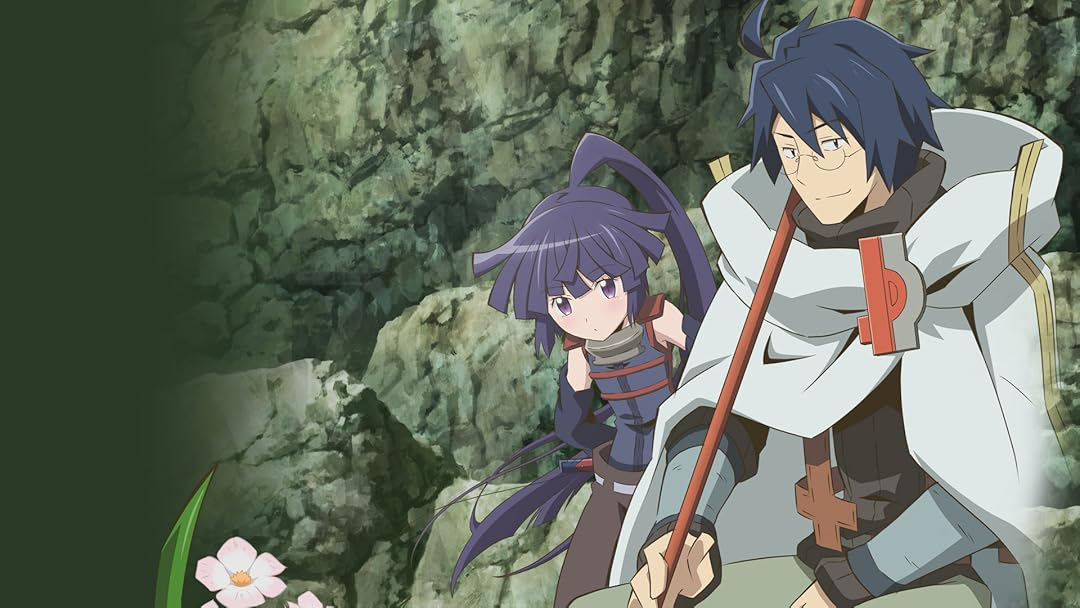
10. Log Horizon
Best for: strategy, MMO systems and politics
Log Horizon asks a question that surprisingly few game-world anime spend much time on: if thousands of ordinary people suddenly had to live inside an MMO, what would society actually look like?
Shiroe is powerful because he understands systems rather than because he can flatten every enemy in front of him. Much of the pleasure comes from watching him solve problems involving economics, guild politics, law and cooperation. The famous Round Table storyline is essentially about inventing a functioning civic order in a place where the old rules no longer work.
That can make Log Horizon slower than the average action-heavy isekai, and its later material is less immediately gripping than its opening stretch. Still, few series have taken the social consequences of an MMO world this seriously.
Watch it when you want an isekai where intelligence matters as much as combat.
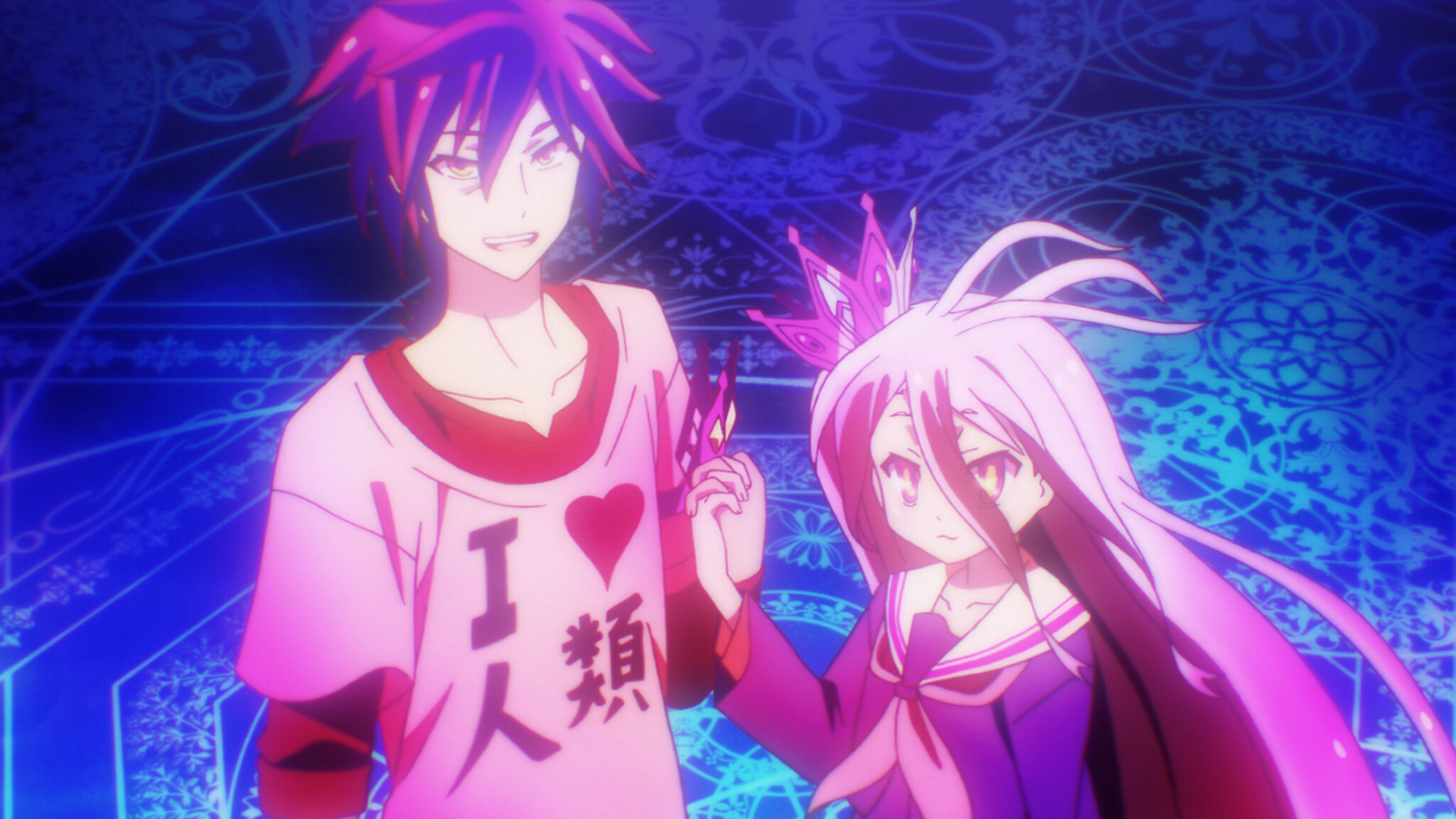
9. No Game No Life
Best for: mind games and outrageous visual style
Sora and Shiro arrive in Disboard, a world where conflict is settled through games rather than conventional warfare. That single rule gives No Game No Life its identity.
The fun is not simply watching two geniuses win. It is figuring out what loophole they have noticed, how badly they are bluffing and whether an apparently impossible game was ever fair in the first place. The anime's neon-heavy art direction makes the entire world feel appropriately unreal, like fantasy viewed through the eyes of people who understand reality as a game board.
Its fan-service will be a deal-breaker for some viewers, and the anime's unfinished feeling remains frustrating. But when No Game No Life is constructing a ridiculous contest and allowing Sora and Shiro to dismantle it piece by piece, there is still little else quite like it.
8. Saga of Tanya the Evil
Best for: military fantasy and morally ugly protagonists
Tanya Degurechaff is almost the opposite of the comforting isekai hero. Reincarnated into the body of a young girl in a world sliding into industrialized magical warfare, Tanya wants security, status and a quiet career far from danger. Her ruthless competence keeps accomplishing the opposite.
That contradiction is the joke and the tragedy. The more effectively Tanya tries to manipulate the military system, the more valuable she becomes to it.
The result is an isekai about bureaucracy, ideology, war and a protagonist locked in a spiteful argument with a divine entity she refuses to acknowledge on its terms. Tanya is fascinating precisely because the anime does not need her to be conventionally likable.
We explored that contradiction in much more detail in our analysis of why Tanya Degurechaff is one of isekai's most fascinating protagonists.
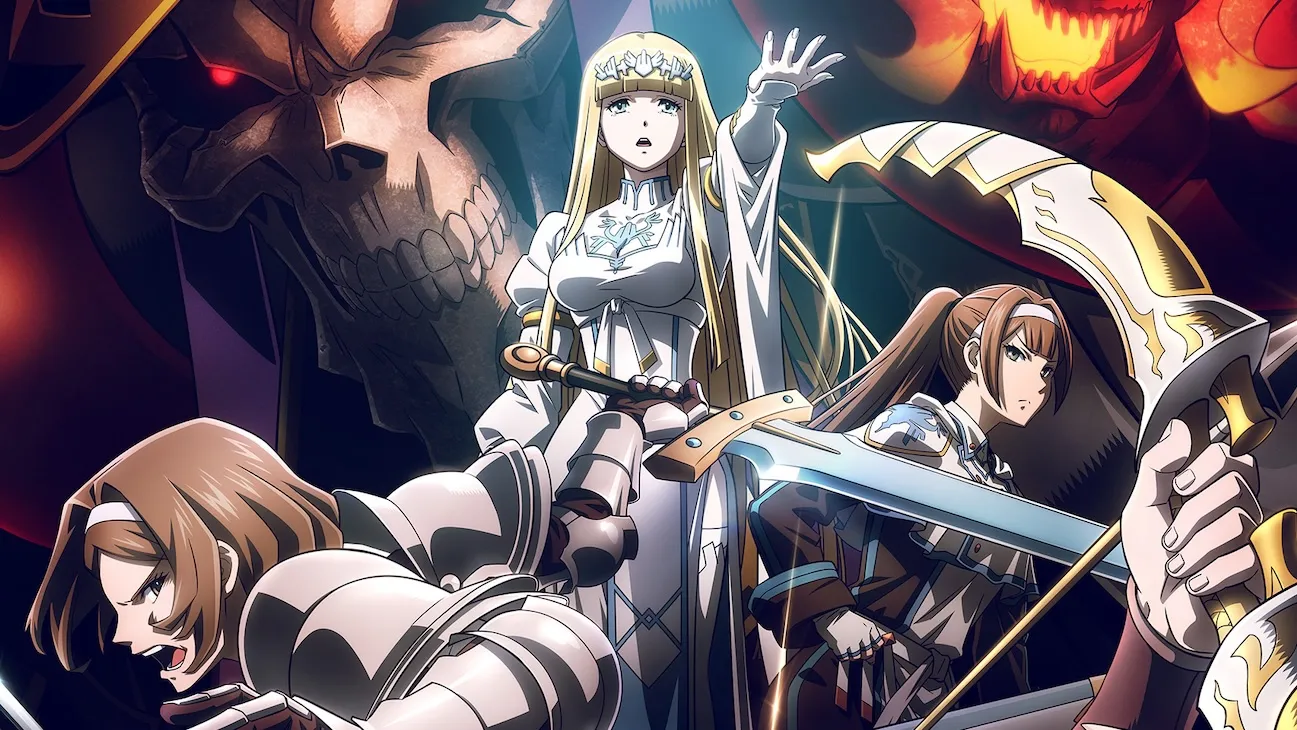
7. Overlord
Best for: dark fantasy and villain-side world-building
Overlord begins with a familiar setup—an MMO player trapped in the body of his max-level avatar—and then removes one of the genre's safest assumptions. Ainz Ooal Gown is not becoming this world's heroic savior.
From Nazarick's perspective, Ainz is a beloved supreme ruler. From the perspective of many people unfortunate enough to encounter Nazarick, he is something much closer to a calamity.
That split perspective is what keeps Overlord interesting. Its world does not exist merely to supply enemies for Ainz. Kingdoms have histories, rulers make calculations, adventurers have ambitions and ordinary people can become collateral damage in plans they barely understand. Because Ainz is so overwhelmingly strong, suspense often comes from wondering what his presence will do to everyone else rather than whether he can win a fight.
If the darker side of isekai power fantasies appeals to you, our Eminence in Shadow vs Overlord comparison takes that contrast further.
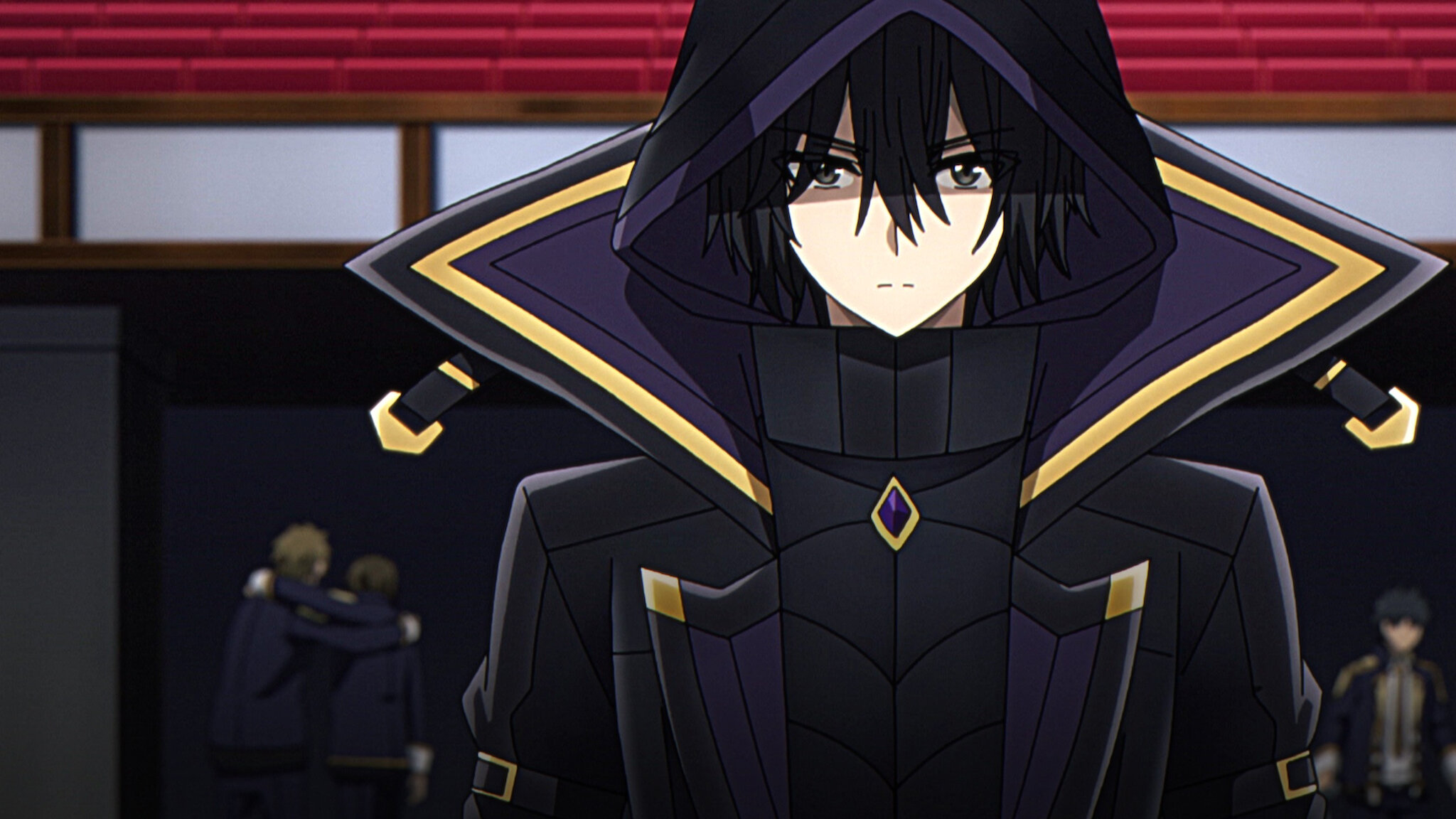
6. The Eminence in Shadow
Best for: absurd power fantasy played completely straight
Cid Kagenou wants to be the mysterious mastermind operating behind history. After reincarnating into a magical world, he invents an evil cult for his imaginary organization to oppose—and accidentally describes a conspiracy that actually exists.
That premise should collapse after a few episodes. Instead, The Eminence in Shadow keeps finding new ways to make it funnier.
The trick is that Cid and the world around him seem to inhabit different genres. He treats enormous battles and conspiracies as opportunities to perform his ideal shadow-broker persona. Everyone else thinks they are participating in deadly serious history. The anime rarely stops to explain the joke because Cid himself is too committed to it.
It also understands that parody works better when the thing being parodied is executed well. The action can be genuinely spectacular, the supporting cast has its own motivations, and Shadow's theatrical entrances are satisfying even when you know the entire situation is ridiculous.
Read our full piece on why The Eminence in Shadow works as an isekai if you want the longer argument.
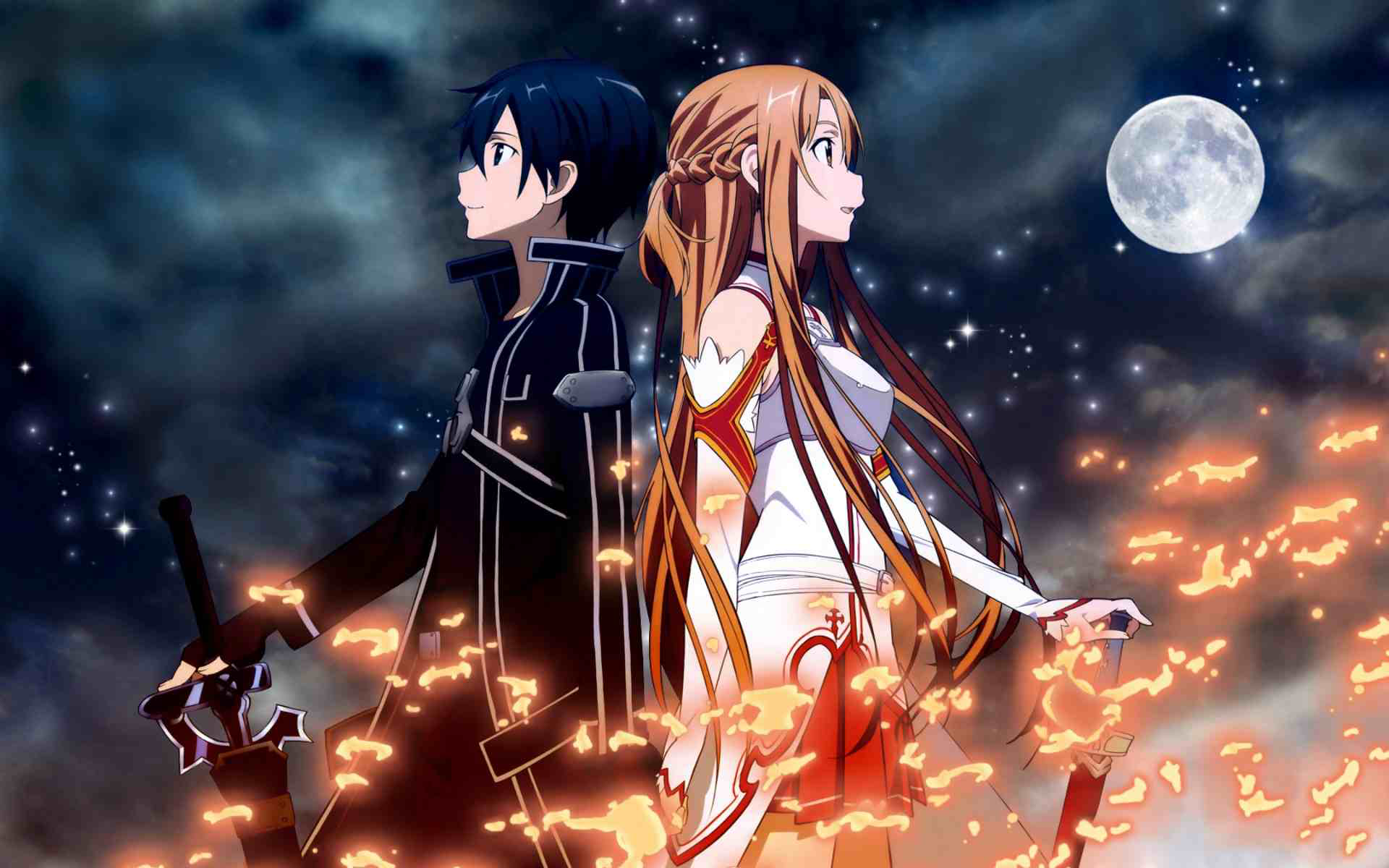
5. Sword Art Online
Best for: accessible adventure, romance and virtual-world spectacle
Sword Art Online is one of those anime that has accumulated so much discourse that it can be difficult to remember what made its premise exciting in the first place.
Thousands of players log into Aincrad and discover they cannot leave. Death in the game means death outside it. Kirito's journey through that world helped turn virtual-world storytelling into a global anime phenomenon.
SAO is uneven. Some arcs are much stronger than others, and several of its writing choices remain divisive. A ranking that pretends otherwise would not be very useful. But its best material combines adventure, loneliness, romance and questions about whether experiences inside artificial worlds are any less meaningful because the worlds themselves are digital.
Alicization pushes those questions much further, particularly around artificial consciousness and the boundary between a programmed person and a supposedly 'real' one.
For more context on its influence, read why Sword Art Online changed virtual reality anime forever.
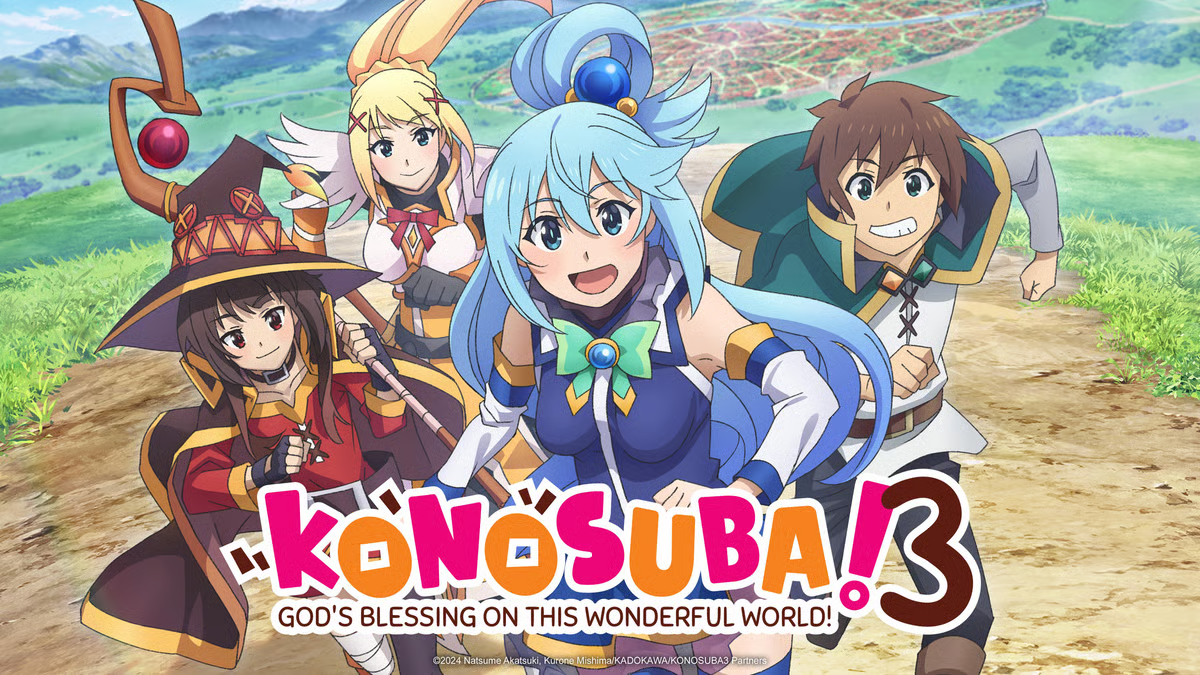
4. KonoSuba: God's Blessing on This Wonderful World!
Best for: comedy
Most fantasy parties become more capable as the story continues. Kazuma's party somehow becomes more dangerous to itself.
Aqua is enormously useful in theory and catastrophically unreliable in practice. Megumin possesses devastating explosion magic and refuses to learn anything more practical. Darkness is a powerful crusader whose particular enthusiasm for suffering makes normal adventuring difficult. Kazuma, meanwhile, is petty enough to fit perfectly among them.
KonoSuba works because these characters are not merely joke-delivery machines. Their terrible chemistry is their chemistry. You believe they would irritate one another constantly, and you also believe they would keep coming back to the same table afterward.
The series remains one of isekai's best comedies because it mocks genre conventions without behaving as though it is above them. It clearly loves fantasy adventures; it just understands how funny they become when the chosen heroes are a disaster.
If you're caught up, we also have the latest on KonoSuba Season 4.
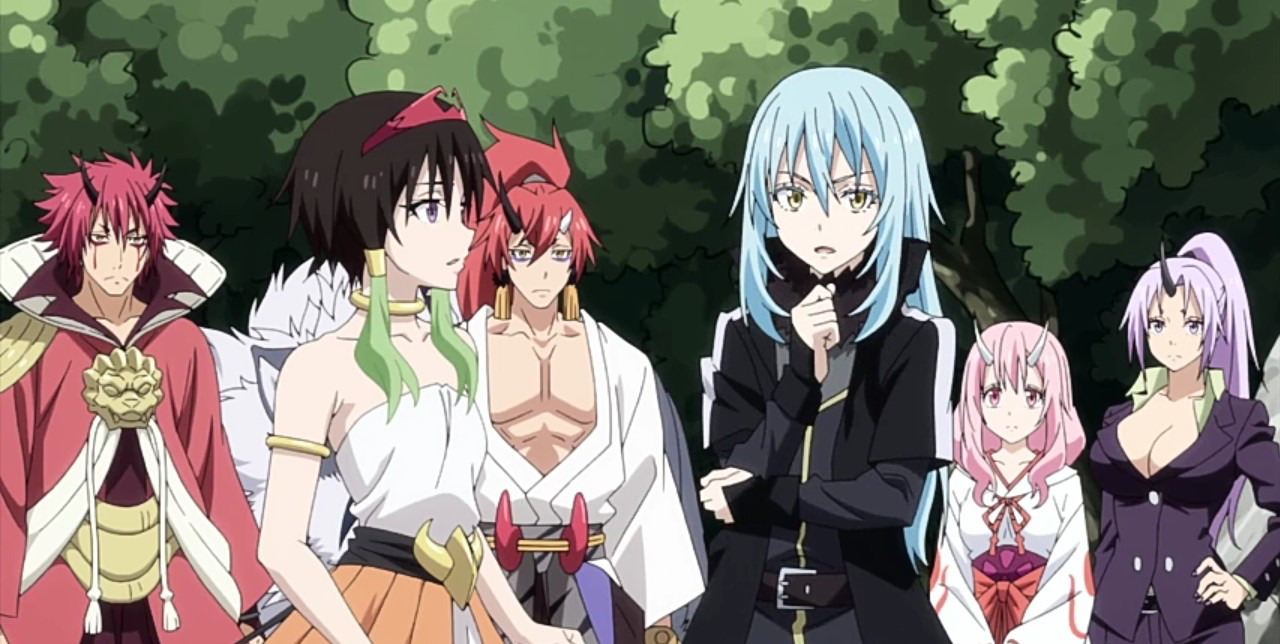
3. That Time I Got Reincarnated as a Slime
Best for: nation-building and an enormous fantasy cast
Rimuru Tempest becoming absurdly powerful is only half the attraction of Tensura. The more interesting progression is watching a tiny settlement become Tempest.
Rimuru gathers monsters who would normally be treated as disposable fantasy enemies and gives them names, homes and eventually political power. Roads, trade, diplomacy, alliances and international suspicion become as important to the story as new skills.
That gives Tensura an unusually comfortable rhythm. It can move from a major battle to a meeting about governance without feeling as though the latter is irrelevant. The fantasy is not simply 'what if I were powerful?' It is also 'what could I build if I had the power to protect it?'
The cast eventually becomes huge and the meetings can test viewers who mainly want action. For fans who enjoy watching a world expand, though, that scale is exactly the appeal.
Our Tensura Season 4 guide goes deeper into where Rimuru's increasingly complicated political world heads next.
2. Mushoku Tensei: Jobless Reincarnation
Best for: long-form character development and immersive fantasy world-building
Mushoku Tensei is difficult to recommend without qualification, and any ranking that calls it great without mentioning why it alienates some viewers is incomplete.
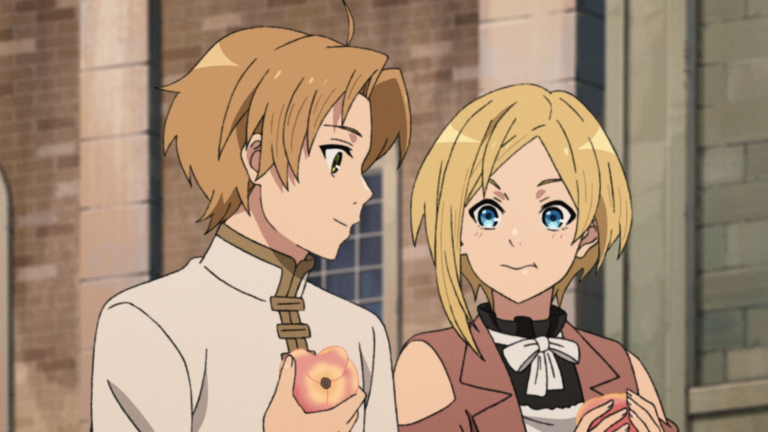
Rudeus Greyrat begins his second life carrying ugly habits and failures from his first. The story does not instantly turn reincarnation into moral purification. That makes his development unusually long and messy—but it also means the series contains behavior and sexual material that many viewers understandably find uncomfortable or unacceptable.
If you can engage with that material, the anime's greatest strength is the feeling that Rudeus is actually living another life rather than speed-running a fantasy plot. Years pass. Relationships change. Languages and cultures matter. Travel feels like travel. Choices made much earlier can follow characters into completely different stages of their lives.
Studio Bind's production reinforces that sense of place with expressive character animation and environments that feel inhabited rather than decorative.
Mushoku Tensei is therefore not our universal recommendation, but it is one of the most ambitious examples of what long-form isekai can do. Fans already following it can read our Mushoku Tensei Season 3 guide, while lore-focused readers should see our breakdown of the Seven Great Powers.
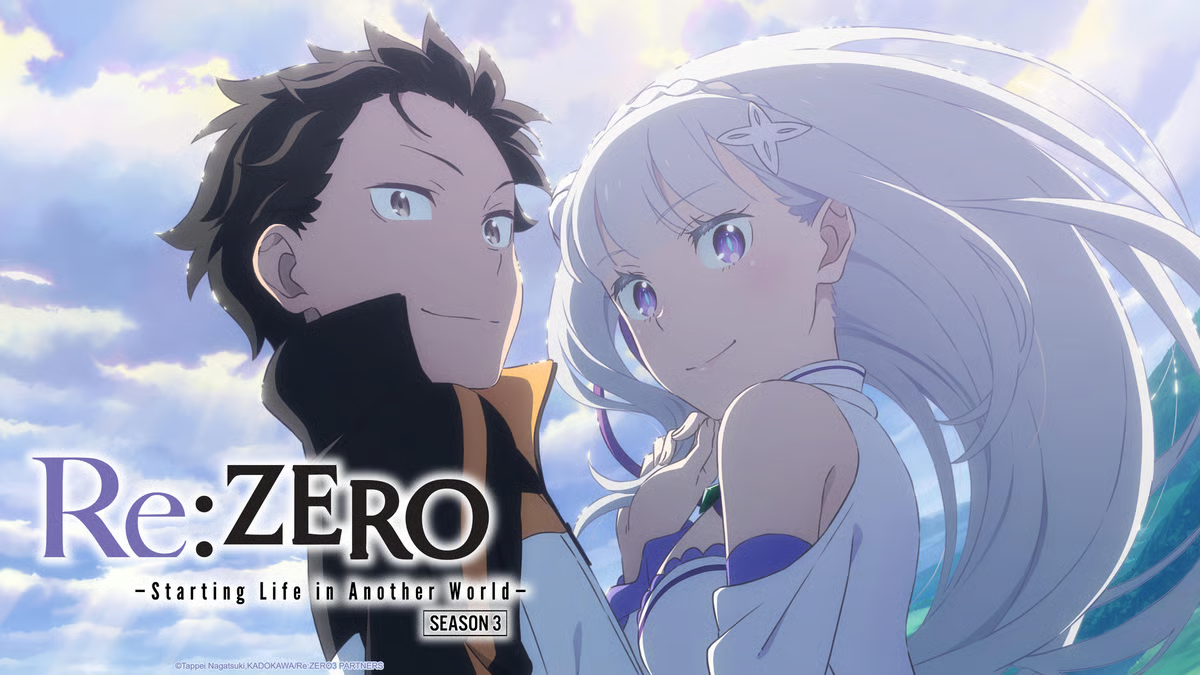
1. Re:Zero − Starting Life in Another World
Best for: psychological drama, mystery and consequences
If we had to recommend one isekai to show what the genre can accomplish beyond wish fulfillment, it would be Re:Zero.
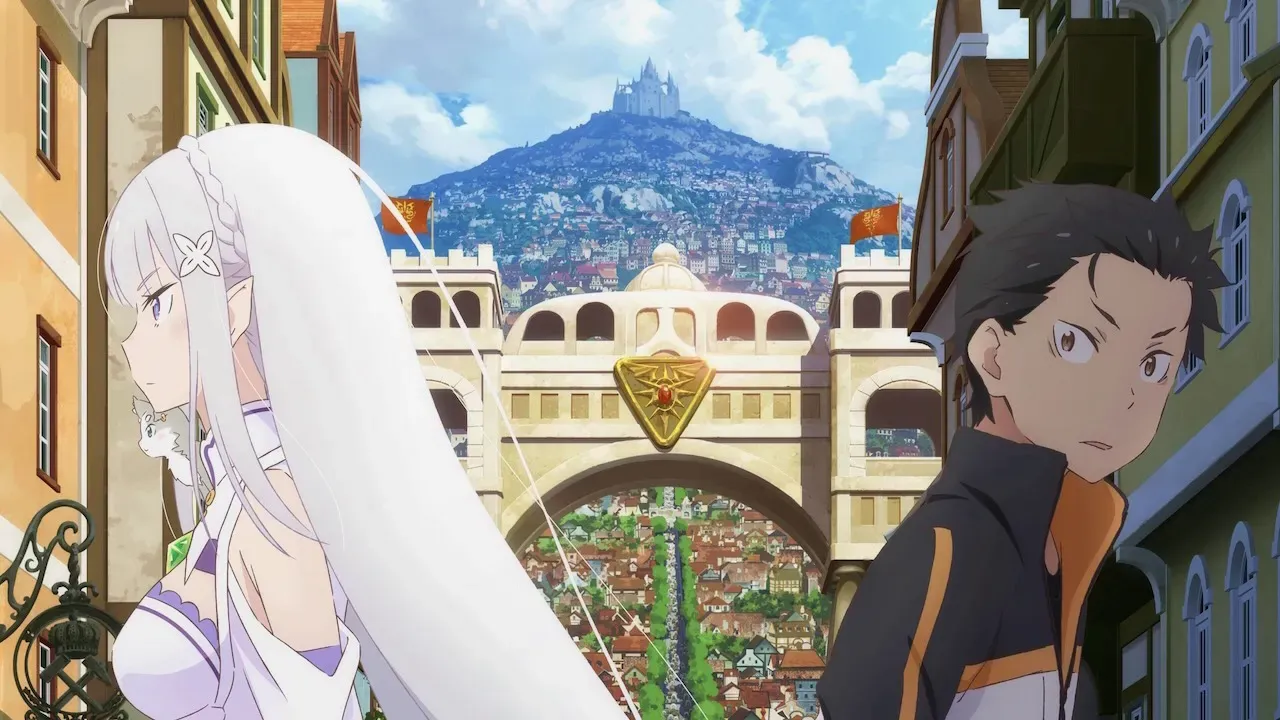
Subaru Natsuki receives an ability that initially sounds enormously useful: after dying, he returns to an earlier point in time. In another series, that could become a convenient save system. Re:Zero understands that Subaru still experiences every death.
He remembers the fear. He remembers relationships that other people no longer experienced. He knows when somebody who loves him in one loop is a stranger in the next. And because he cannot simply explain Return by Death, knowledge itself becomes isolating.
That changes the basic rhythm of isekai. Strength does not automatically solve Subaru's problems. Information, trust, humility and the willingness to ask other people for help become far more important. His ugliest failures are allowed to be genuinely embarrassing, which makes his better moments feel earned rather than guaranteed by protagonist status.
Re:Zero also keeps its larger fantasy world mysterious enough that each solved crisis seems to expose another layer underneath it. The result is an isekai that can function as fantasy adventure, time-loop puzzle and character study at once.
If Return by Death is the part that hooks you most, our guide to anime like Re:Zero with time-loop concepts is the natural next watchlist.
Which Isekai Should You Start With?
Ranking is useful, but the 'best' first isekai depends on what you actually enjoy.
Start with Re:Zero if you want psychological tension and mystery. Pick Mushoku Tensei for a sprawling second-life fantasy, provided its mature and controversial material is not a deal-breaker. Choose Tensura if nation-building sounds fun, KonoSuba if you mainly want to laugh, or The Eminence in Shadow if you want an overpowered protagonist with a joke running underneath the spectacle.
For darker protagonists, Overlord and Saga of Tanya the Evil are much more interesting than a conventional hero story. No Game No Life and Log Horizon are better fits when systems and strategy are the attraction. And if you want to understand the history of modern virtual-world anime, Sword Art Online remains difficult to skip.
You can also compare this list with our ranking of the 10 most overpowered isekai protagonists. The two rankings are deliberately different: having the strongest lead does not automatically make a series the best show.
Why Isekai Is Still Worth Watching in 2026
The genre's reputation for repetition is not undeserved. Isekai has formulas, and successful formulas attract imitators. But treating the entire genre as one story with different character designs misses why its best entries last.
Re:Zero turns reincarnation fantasy into suffering and self-examination. KonoSuba turns it into a sitcom about terrible adventurers. Tanya turns it into military satire. Overlord asks what the fantasy world looks like when the unstoppable player character is the threat. Tensura imagines power as an opportunity to construct a society.
That range is why isekai survives its own saturation. The portal, reincarnation or game world is only the doorway. What matters is what a story decides to do after somebody walks through it.
Frequently asked questions
Frequently asked questions
What is the best isekai anime to watch in 2026?
Re:Zero − Starting Life in Another World is our top overall pick because it combines psychological character writing, mystery, fantasy world-building and meaningful consequences. Mushoku Tensei is a close second for viewers who want a sprawling second-life fantasy and are comfortable with its controversial material.
What is the best isekai anime for beginners?
That Time I Got Reincarnated as a Slime is one of the easiest starting points thanks to its accessible fantasy world, likable cast and balance of action, humor and nation-building. KonoSuba is an excellent choice for viewers who prefer comedy.
What is the funniest isekai anime?
KonoSuba: God's Blessing on This Wonderful World! is our pick for the funniest isekai. Its comedy comes from the dysfunctional chemistry between Kazuma, Aqua, Megumin and Darkness rather than relying only on references to genre clichés.
Which isekai has the best world-building?
Mushoku Tensei, Overlord, That Time I Got Reincarnated as a Slime and Log Horizon approach world-building in very different ways. Mushoku Tensei emphasizes cultures and lived experience, Overlord develops competing nations, Tensura focuses on building a country, and Log Horizon examines society inside an MMO.