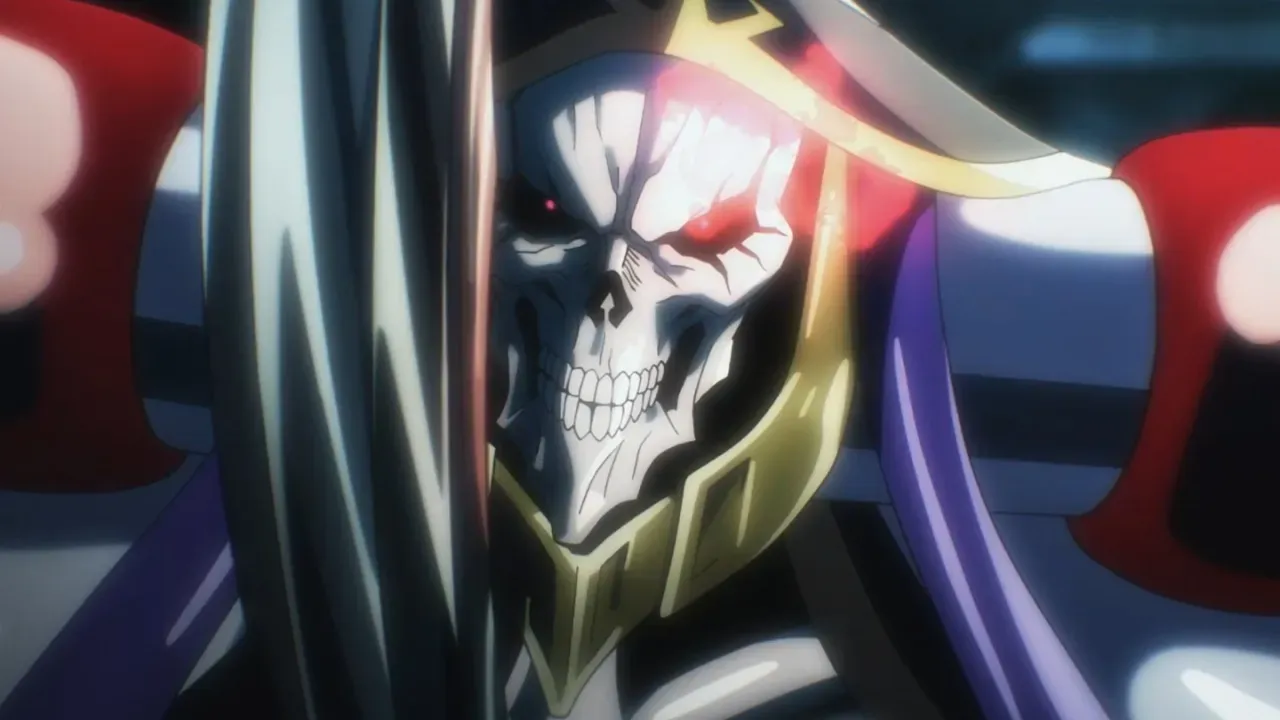

Both The Eminence in Shadow and Overlord excel as dark power fantasy isekai anime with overpowered protagonists, but serve different audiences. Overlord offers darker, more strategic narrative with genuine world domination and morally complex anti-hero themes. The Eminence in Shadow delivers self-aware parody wrapped in spectacular action, with a delusional protagonist whose fabricated conspiracy actually exists. Your preference depends on whether you want serious dark fantasy with strategic depth or satirical comedy with jaw-dropping fight choreography.
When it comes to dark power fantasy anime, two titans dominate the conversation. The Eminence in Shadow and Overlord have sparked endless debates across anime communities, with each series cultivating passionate fanbases. Both feature supremely overpowered main characters, shadowy organizations, and fantasy worlds where the protagonist reshapes reality itself—yet they couldn't be more different in execution.
If you want a deeper breakdown of how the series balances parody, power fantasy, and spectacle, check out The Eminence in Shadow Anime Review Why This Isekai Works (2025).
Are These Series Actually Comparable?
Yes. Kadokawa themselves acknowledged the comparison with an official crossover anime in 2023. Both share DNA as light novel adaptations featuring protagonists commanding powerful organizations from the shadows while maintaining overwhelming personal strength.
The similarities are undeniable: Ainz Ooal Gown and Shadow both project calculated mastermind villain images, have loyal followers who misinterpret their actions as brilliant strategy, and operate in isekai worlds where magic and medieval politics collide.
The fundamental difference? Ainz genuinely knows he's acting to maintain his guild's legacy. Shadow has eighth-grade syndrome cranked to maximum—he genuinely believes in his fabricated shadow eminence fantasy, accidentally stumbling into a real conspiracy he invented as a chuunibyou roleplayer.
The Protagonist Showdown: Calculated vs Accidental Genius
Ainz Ooal Gown: The Reluctant Overlord
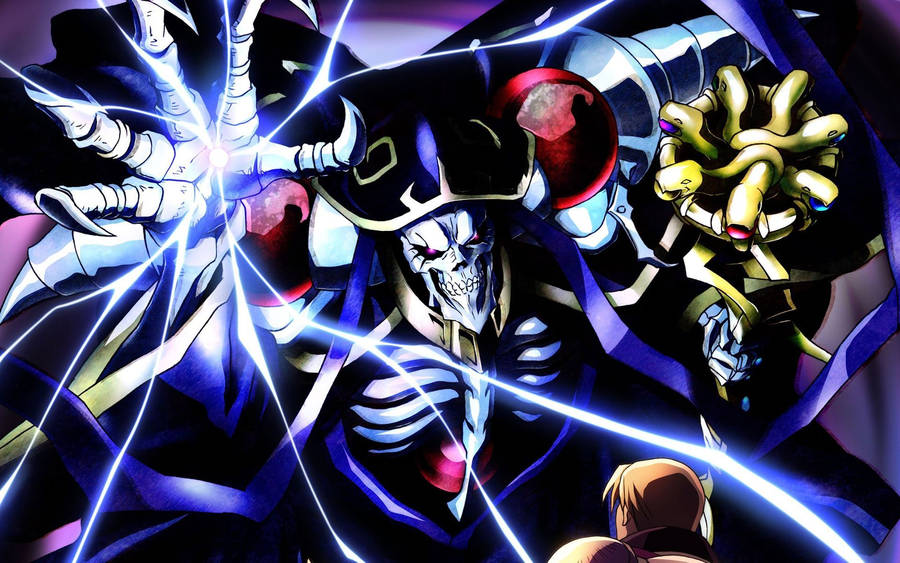
Ainz represents the isekai anti-hero taken to its extreme. Trapped in his max-level undead overlord avatar with emotional suppression abilities, he possesses godlike power alongside crippling imposter syndrome. He constantly worries about disappointing his NPC subordinates who revere him as a supreme being.
What makes Ainz compelling is his genuine strategic intelligence paired with very human anxiety. The Battle of Katze Plains showcases this perfectly—unleashing super-tier magic that obliterates armies while internally panicking about political ramifications. This duality creates the series' dark humor and tension.
Cid Kagenou: The Delusional Shadow Eminence
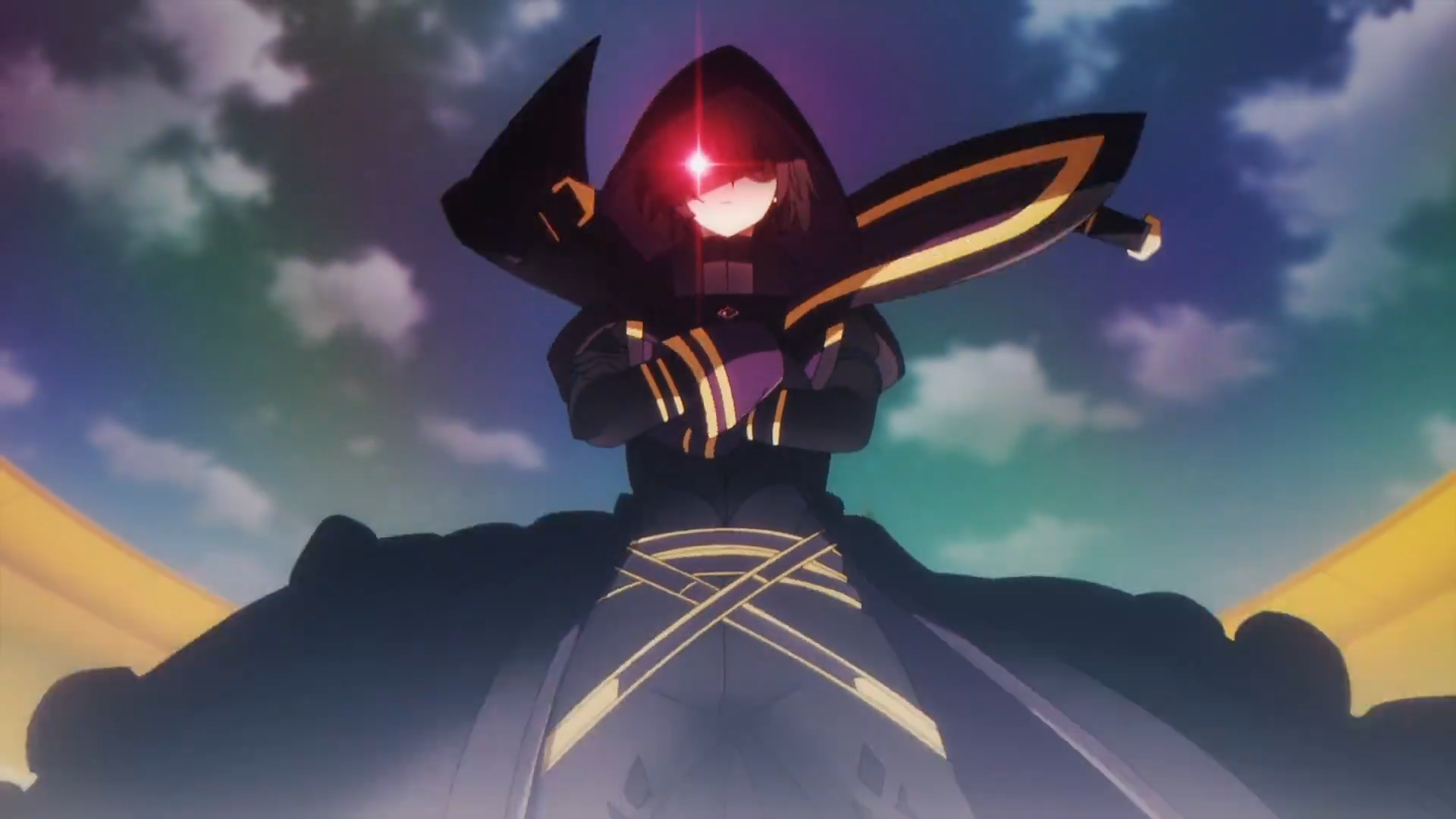
Cid operates on a different wavelength. He fabricates an entire conspiracy about the Cult of Diablos to justify his power fantasy, recruiting followers who he believes are roleplaying along with him.
The brilliant twist? Everything Cid invents as chuunibyou fantasy actually exists. The Cult of Diablos is real. His random improvisations accidentally uncover genuine plots. His followers genuinely worship him as a prophetic genius. The comedy emerges from this massive misunderstanding—Cid thinks he's performing theater while his allies believe he's a visionary savior.
Power Scaling: Who Would Win?
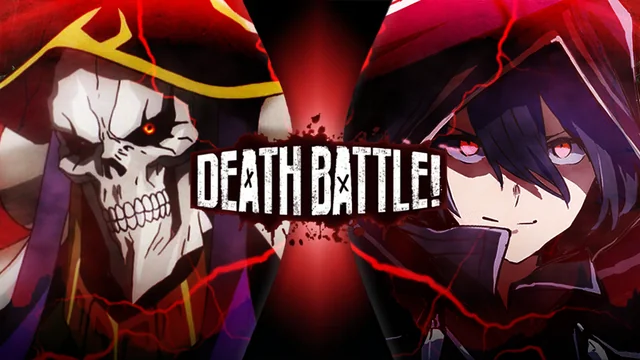
Overlord's Strategic Arsenal
Ainz brings the full weight of a maxed MMORPG character with over 700 spells, reality-warping super-tier magic, time manipulation, instant death abilities, and world-class items. His rational approach means preparing for every contingency, gathering intelligence, and only engaging when victory is mathematically certain.
Season 4 scored 8.07 on MyAnimeList, partly showcasing Nazarick's overwhelming military might. When Ainz fights seriously, he doesn't just win—he erases opposition with clinical efficiency.
The Eminence in Shadow's Raw Destruction
Cid's signature move, "I Am Atomic," literally detonates enemies at the molecular level with mushroom clouds visible for miles. In Season 1, fans witnessed him slice through buildings, move faster than supersonic opponents, and casually level kingdoms during "practice."
The series became the 7th most popular seasonal anime during Fall 2022. Studio Nexus delivered sakuga-level animation during fight sequences, with every combat frame choreographed without budgetary compromise.
The verdict? Raw destructive capability favors Cid's atomic manipulation. However, Ainz possesses hax abilities—instant death magic, time stop—that could theoretically counter raw power. Both are designed to be untouchable within their narratives, making direct comparison somewhat meaningless.
Tone and Genre: Dark Fantasy vs Satirical Parody
Overlord: Morally Ambiguous Anti-Hero
Overlord commits fully to dark fantasy. Ainz isn't a hero—he's a force whose actions devastate innocent people. The anime shows collateral damage, morally questionable orders, and the horror of absolute power without accountability.
The Overlord: The Sacred Kingdom movie released in 2024, adapting the arc many consider the series' peak. This exemplifies Overlord's approach—complex political intrigue, devastating warfare, and questions about salvation when your savior is a skeleton overlord manipulating nations like chess pieces.
Ainz’s philosophy of absolute control mirrors the terrifying inevitability seen in characters like Yhwach, where overwhelming power isn’t just about strength, but about rewriting fate itself. In both cases, opposition feels meaningless not because the villain is cruel, but because resistance is structurally impossible.
MyAnimeList ratings remain consistent across seasons, with Season 4 achieving the highest at 8.07. Fans love the callous nature of Momonga's decision-making, creating genuinely dark isekai experience.
Eminence in Shadow: Genre-Savvy Meta-Commentary
Eminence in Shadow takes a radically different approach. While featuring dark themes—human trafficking, demonic possession, political assassinations—the series treats these through over-the-top anime parody lens. Every serious moment potentially has Cid performing chuunibyou poses or dramatically monologuing about playing the perfect side character.
The series walks an incredibly thin tightrope. The writing balances dramatic scenes played completely straight while embedding subtle visual jokes and situational irony that reward attentive viewers.
The series achieved 7.8 on IMDb and became the 3rd most popular debut anime of Fall 2022. Fans praise how Eminence in Shadow understands exactly what it is—a loving parody that simultaneously delivers spectacular action while mocking isekai tropes.
Animation Quality: Studio Showdown
Overlord's first three seasons by Madhouse delivered memorable moments but suffered animation quality drops, particularly Season 3's meme-worthy CGI soldiers. Season 4 and the 2024 movie showed significant improvement with renewed focus and better budgets.
The Eminence in Shadow represents Studio Nexus's major breakthrough. The studio delivered animation quality that shocked industry observers—film-quality sakuga during action sequences with sound design, orchestral scores, and visual effects creating cinematic combat. Season 2 maintained this standard, proving the first season wasn't a fluke.
Which Series Should You Watch First?
Choose Overlord If You Want:
- Genuine dark fantasy with morally complex storytelling
- Strategic warfare and political intrigue over pure action
- Anti-hero protagonist facing real ethical dilemmas
- World domination narrative with geopolitical complexity
- Established franchise with multiple seasons to binge
Overlord rewards patience. Early seasons establish frameworks that pay off spectacularly in later arcs. Fans of Code Geass, Death Note, and political fantasy will appreciate Ainz's calculated conquest.
Choose Eminence in Shadow If You Want:
- Self-aware parody lovingly mocking isekai tropes while excelling at them
- Spectacular action animation with film-quality choreography
- Comedy protagonist whose delusions accidentally save the world
- Faster pacing with frequent action and comedic beats
- Feel-good power fantasy without heavy moral complexity
Eminence in Shadow delivers immediate entertainment. Each episode balances comedy, action, and character development without demanding heavy political scheming investment. Fans of KonoSuba, Gintama, and sakuga-heavy action will find much to love.
The Brutal Verdict: Two Masterpieces, Different Lanes
After examining protagonist psychology, power scaling, animation, tone, and impact—declaring an objective winner betrays what makes each exceptional.
Overlord wins if you crave: Morally complex storytelling where overwhelming power creates genuine ethical dilemmas. Ainz's journey explores identity, responsibility, and what happens when ordinary people must embody godhood. The series doesn't flinch from consequences—innocent people die, nations fall, humanity slowly erodes beneath undead masks. This is dark power fantasy that provokes thought alongside spectacle.
The writing treats its world as a living ecosystem where actions ripple across continents and decades. Political intrigue, economic warfare, and military strategy receive equal attention as magical combat. Overlord asks: "If you had absolute power, would protecting loved ones lead you down darker paths than imagined?"
The Eminence in Shadow wins if you want: Pure entertainment that celebrates and satirizes everything you love about anime. Shadow's delusions creating accidental heroism never stops being hilarious, yet delivers genuinely emotional moments and jaw-dropping action rivaling any serious production. This is dark power fantasy refusing to take itself seriously while respecting audience intelligence.
The writing proves parody and quality aren't mutually exclusive—you can mock genre conventions while executing them better than series playing them straight. Eminence in Shadow demonstrates that power fantasies don't need moral complexity to be compelling; sometimes watching protagonists who think they're the coolest accidentally save worlds through elaborate misunderstandings is exactly the escapism viewers crave.
The debate around Ainz’s conquest echoes the same uncomfortable questions raised during Eren Yeager and the Rumbling—when destruction is framed as protection, does intent matter more than outcome, or does absolute power always corrupt regardless of motivation?
The real answer? Watch both.
Start with whichever premise appeals to your current mood, then experience the other to appreciate how similar setups diverge dramatically. Overlord will make you question power and responsibility. Eminence in Shadow will make you laugh, gasp at spectacular fights, and appreciate anime's unique ability to blend absurdist comedy with genuine craft.
The anime community's endless debates miss the point—we're living in a golden age where both approaches exist simultaneously, each excelling in their chosen lane. The real question isn't which is better, but why choose when you can enjoy both masterpieces?
For fans of overpowered isekai protagonists, strategic mastermind characters, dark fantasy worldbuilding, and anime that respects intelligence while delivering spectacular entertainment, both represent must-watch experiences. The genre is richer for having both voices.
Your move, anime fan. Will you bow before the Overlord of Nazarick, or kneel before the Shadow Eminence? Or wisely enjoy watching both conquer their fantasy worlds in the way only they can.
Frequently asked questions
Frequently asked questions
Is Cid Kagenou stronger than Ainz Ooal Gown?
Cid Kagenou shows greater raw destructive power through abilities like atomic-level annihilation. Ainz Ooal Gown, however, has hax abilities such as instant death magic and time manipulation. Both characters are written to be unbeatable within their own series, making a definitive winner unclear.
Which anime has better animation quality, Eminence in Shadow or Overlord?
The Eminence in Shadow has more consistent animation quality, especially during action scenes. Overlord’s animation quality varies by season, although its 2024 movie significantly improved production values.
Is Eminence in Shadow or Overlord better for new anime viewers?
Eminence in Shadow is more accessible for new viewers due to its faster pacing and comedic tone. Overlord is better suited for viewers who enjoy slow-burn storytelling, political intrigue, and detailed worldbuilding.
Do you need to read the light novels to understand Overlord or Eminence in Shadow?
No, both anime can be understood without reading the light novels. Overlord’s novels add deeper insight into strategy and character thoughts, while Eminence in Shadow’s anime closely follows the source material.
Is Eminence in Shadow a comedy anime or a dark fantasy?
Eminence in Shadow is both a dark fantasy and a comedy. It combines serious fantasy themes with intentional parody of power fantasy and isekai tropes.
Is Overlord a villain anime?
Overlord features an anti-hero protagonist rather than a traditional hero. Ainz Ooal Gown often makes morally questionable decisions, placing the series closer to dark fantasy than heroic storytelling.