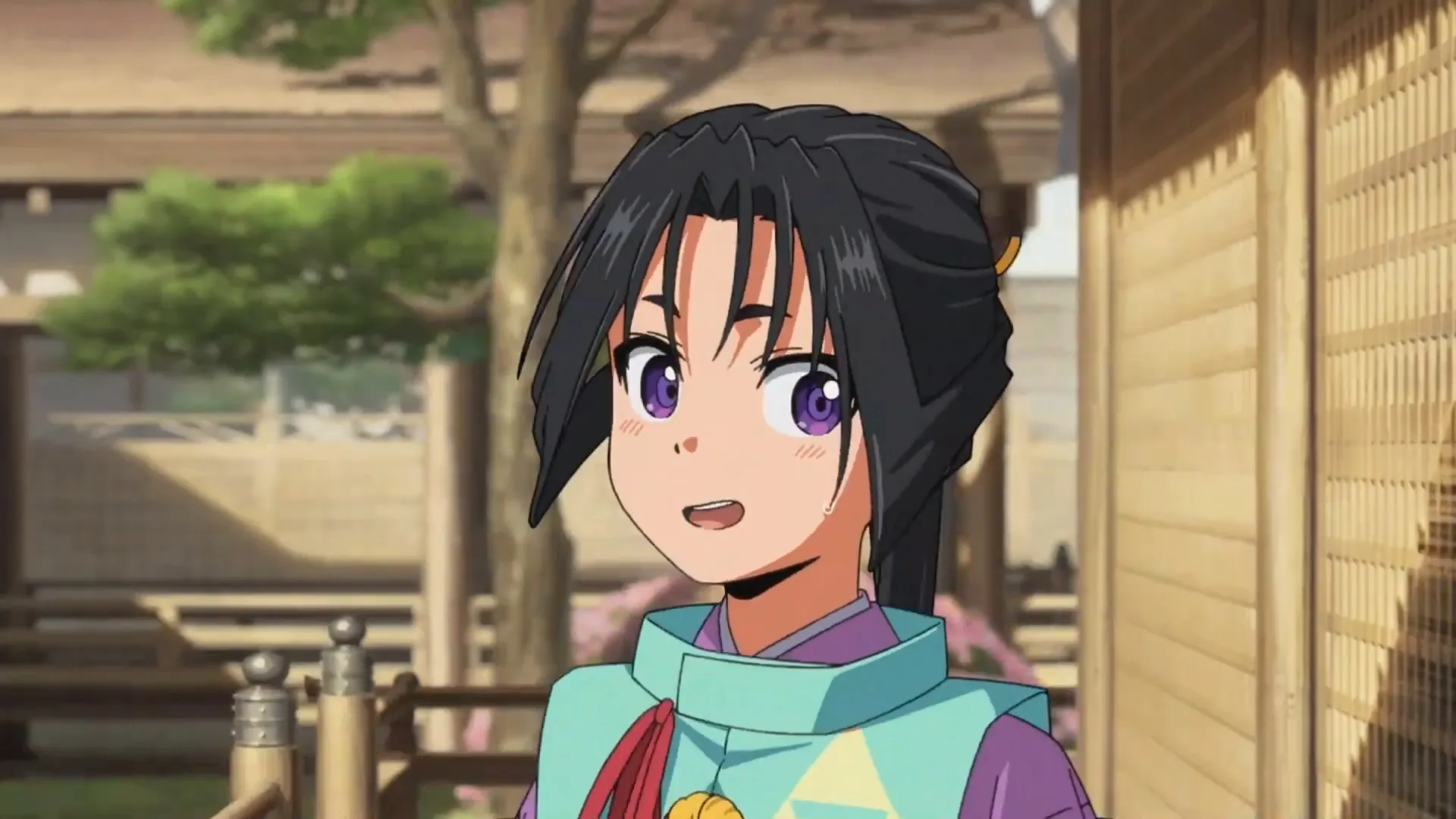

The Elusive Samurai looks like a colorful adventure show about a kid playing tag with his friends. The bright animation, playful character designs, and energetic opening suggest you're in for a lighthearted historical romp through feudal Japan.
Then someone's face gets ripped off.
This 2024 anime from CloverWorks has become one of the most divisive shows in recent memory—not because it's bad, but because it refuses to be what it appears. Based on Yusei Matsui's manga (the creator behind Assassination Classroom), The Elusive Samurai presents itself as fun historical fiction while hiding something far darker underneath.
What Is The Elusive Samurai About?
The Elusive Samurai follows eight-year-old Hojo Tokiyuki, heir to the Kamakura shogunate in 1333 Japan. When trusted general Ashikaga Takauji betrays the Hojo clan, Tokiyuki's entire family is slaughtered. He escapes with help from Suwa Yorishige, an eccentric priest who claims he can see the future.
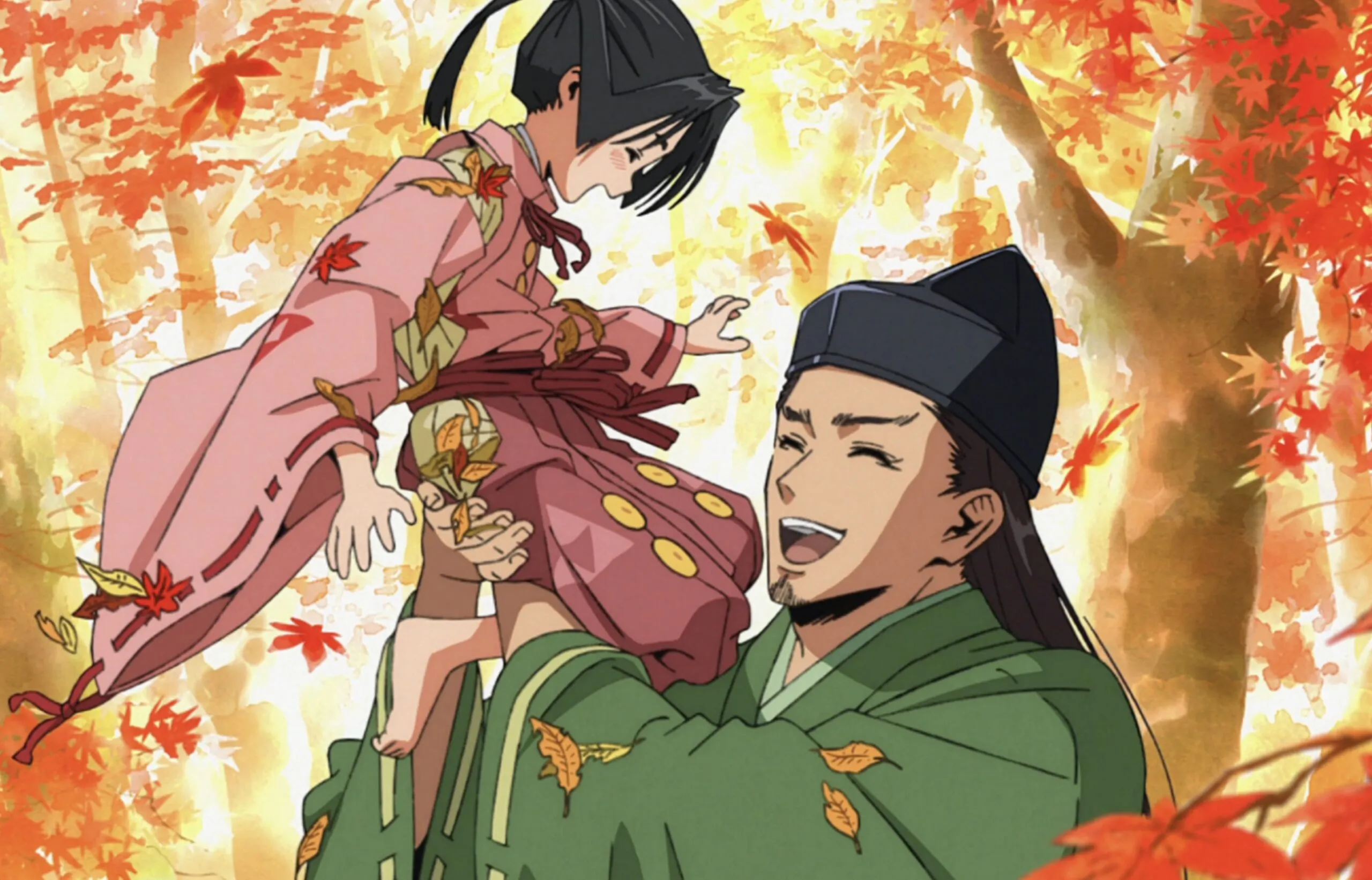
Yorishige tells Tokiyuki he's destined to reclaim Kamakura. But Tokiyuki isn't a warrior—his only talent is running away. The series aired from July to September 2024, with a second season announced for July 2026.
The Historical Reality Behind the Fantasy
What makes The Elusive Samurai genuinely unsettling is that it's based on real events. The 1333 Siege of Kamakura actually happened. When Emperor Go-Daigo rebelled, Ashikaga Takauji switched sides and betrayed the Hojo clan he'd sworn to serve.
Nearly every member of the Hojo family died—killed in battle or by ritual suicide. Tokiyuki survived and spent years trying to reclaim Kamakura, briefly succeeding in 1335 before being driven out. He was eventually captured and beheaded around 1353.
The anime takes this forgotten historical figure and asks: what if he became a shonen protagonist?
The Tonal Whiplash That Defines the Series
The first episode of The Elusive Samurai is a masterclass in emotional manipulation. It opens with vibrant colors, silly comedy, and Tokiyuki dodging his tutors while playing with friends. The animation practically bounces with youthful energy.
Then a ball falls from the sky. It's revealed to be a severed head.
Within minutes, the show transitions from lighthearted comedy to graphic violence. Tokiyuki watches his family murdered. His fiancée is raped and killed off-screen. Bodies pile up as Takauji's forces massacre everyone in Kamakura.
And then—jarring, uncomfortable, wrong—the comedy comes back. Characters make jokes while standing amid the carnage. Yorishige acts goofy while rescuing Tokiyuki from literal genocide.
This tonal whiplash isn't a mistake. It's the entire point of the series.
Why the Comedy Feels Disrespectful (And Why That's Intentional)
Many viewers found the humor during tragic moments deeply uncomfortable. How can the show make jokes while people are being violated and murdered? Why insert slapstick comedy into scenes of trauma?
Director Yuta Yamazaki and writer Yoriko Tomita made a deliberate choice to keep all of Matsui's anachronistic humor and absurdist comedy intact—even during the darkest moments. This wasn't carelessness. It was strategy.
The comedy serves to strip away the romanticized version of samurai culture that dominates most historical media. By adding modern references, silly gags, and meta-humor, the anime forces viewers to see the brutality for what it actually was rather than what later generations idealized it to be.
Takauji is often portrayed in historical dramas as a conflicted hero who did what was necessary. The Elusive Samurai uses humor to undermine that narrative. The jokes make Takauji's "mercy" and "honor" look like exactly what they were—lies told by those who wrote the history.
It's a similar approach to what Chainsaw Man does with emptiness and emotional detachment, using deliberate tonal choices to create discomfort that serves the themes.
A Protagonist Who Survives Instead of Fights
Tokiyuki represents something rarely seen in shonen anime—a protagonist whose strength is avoiding conflict entirely. He doesn't get stronger through training montages. His greatest skill is literally running away.
In a genre that glorifies combat and dying with honor, Tokiyuki chooses survival. When everyone around him commits ritual suicide to preserve honor, he runs. When faced with impossible odds, he evades rather than fights.
The show frames cowardice as heroism. Running away becomes an act of rebellion against a death cult that values honor above human life.
The Disturbing Villains Who Represent Death
If Tokiyuki represents life, Ashikaga Takauji represents death. The anime portrays him almost as a demon—someone whose presence brings darkness and despair. His supernatural charisma inspires fanatical loyalty while draining hope from everyone around him.
The other antagonists have grotesque supernatural abilities—vision so powerful eyes pop from skulls, superhuman hearing drawn in unsettling detail. These aren't cool superpowers—they're wrong, marking these characters as inhuman.
This transforms a standard revenge story into something more mythological. Tokiyuki isn't just fighting political enemies—he's fighting the personification of death itself.
Why the Humor Undermines Traditional Samurai Narratives
The anachronistic comedy—Yorishige making modern-day references despite the 14th-century setting—serves a specific purpose. It prevents viewers from slipping into the comfortable nostalgia that usually surrounds samurai media.
Shows set in feudal Japan typically romanticize the era. They present samurai as noble warriors following a strict code. They gloss over the brutality and present honor-based violence as somehow dignified.
The Elusive Samurai refuses this romanticization. By inserting jarring modern humor, the anime constantly reminds you this isn't a reverent historical drama. It's a critical examination of how brutal this era actually was.
When Yorishige gets spanked in front of children or makes references to future technology, it breaks immersion intentionally. You can't idealize the samurai code when the show keeps undercutting the seriousness with absurdist comedy.
It's uncomfortable because it should be. The anime wants you questioning why so much samurai media presents horrific violence as noble. Similar to how Zankyou no Terror's beauty contrasts with its deeply flawed execution, The Elusive Samurai uses aesthetic choices to create deliberate dissonance.
The Manga Gets Even Darker
While the anime shocked viewers, the manga goes further. Later chapters include scenes so brutal they make the first episode look tame. Characters die violently and often. Main characters get killed. Plans fail catastrophically.
This makes The Elusive Samurai one of the most brutal series currently running in Weekly Shonen Jump—pushing boundaries alongside series like Jujutsu Kaisen and Chainsaw Man.
Why Some Viewers Can't Get Into It
The Elusive Samurai isn't for everyone. The tonal shifts genuinely bother some viewers—the jarring transitions from comedy to graphic violence feel disrespectful to the real people who died.
Some critics argue the humor undermines emotional weight. When you can't tell if a scene will end with a joke or a massacre, you can't properly invest emotionally.
Others find the anachronistic references distracting rather than meaningful. The cheerful aesthetic clashes too jarringly with dark content for some viewers.
Why Others Find It Brilliant
For viewers who connect with The Elusive Samurai, the uncomfortable elements make it powerful. The tonal whiplash forces active engagement—you can't mindlessly watch when every scene might shift from comedy to horror.
The aesthetic mismatch creates a unique viewing experience. When everything around him is death and darkness, Tokiyuki's youthful energy becomes an act of resistance. The show's refusal to wallow in grimdark aesthetics reflects his refusal to accept death culture.
The historical grounding adds weight. Knowing these events actually happened makes the story resonate differently than typical shonen narratives.
The Message About Choosing Life Over Honor
At its core, The Elusive Samurai is about rejecting death culture. The samurai system was built on the idea that honor matters more than living—that dying well is better than surviving with shame.
Tokiyuki rejects this completely. He runs. He hides. He values survival over honor. And the anime frames this as the most heroic choice possible.
Every member of the Hojo clan except Tokiyuki committed ritual suicide. The anime doesn't present this as noble—it presents it as tragic waste. Tokiyuki's evasion represents choosing life when culture demands death.
This theme connects to modern struggles with systems that demand individuals sacrifice themselves for abstract ideals. Much like how Barakamon explores finding yourself after burning out from creative pressure, The Elusive Samurai examines choosing self-preservation over destructive systems.
The Second Season and What to Expect
The second season, announced for July 2026, will likely continue pushing boundaries. The manga's later arcs get progressively darker as Tokiyuki's rebellion gains momentum.
Expect the tonal whiplash to continue. The historical constraints mean we know how this story ends—Tokiyuki's rebellion ultimately fails. There's no happy ending, just the question of how he chooses to live before the inevitable.
Should You Watch If the Whiplash Bothers You?
If tonal consistency matters to you, The Elusive Samurai might not work. The jarring shifts are integral to the experience, not a flaw.
Give it at least three episodes before deciding. The first episode is deliberately shocking, but subsequent episodes establish a rhythm. The show works best if you engage with why it makes these choices rather than just reacting to them.
For viewers who appreciate experimental storytelling or anime that refuses to be comfortable, The Elusive Samurai offers something rare. It's not trying to be fun—it's using the appearance of fun to make you uncomfortable with how samurai media typically romanticizes violence.
The Uncomfortable Truth About Samurai Stories
Most samurai anime present feudal Japan through a nostalgic lens. They focus on honor, loyalty, and noble warriors. They make ritual suicide seem dignified. They present battlefield deaths as meaningful sacrifices.
The Elusive Samurai tears down this romanticization. It shows samurai culture as a death cult that consumed children. It presents "honor" as a system that justified atrocities. It refuses to make violence look cool or meaningful.
The anachronistic humor, the tonal whiplash, the cheerful aesthetic—these aren't bugs. They're features designed to prevent you from slipping into comfortable familiarity with samurai tropes. The show wants you off-balance, questioning why you expected a certain type of story.
Final Thoughts: The Fun That Hides the Darkness
The Elusive Samurai isn't the fun historical anime it pretends to be because it's not trying to be fun. It's using the appearance of fun—bright colors, playful characters, silly comedy—as camouflage for something much darker.
The show explores trauma, death culture, and choosing survival when society demands sacrifice. It's about how systems that romanticize honor and glory are built on rivers of blood.
The tonal whiplash isn't a flaw—it's the entire point. The discomfort you feel watching cheerful characters experience horror is intentional. The jarring comedy during tragic moments is designed to prevent the comfortable emotional distance that lets us romanticize historical violence.
If you go in expecting a lighthearted historical adventure, The Elusive Samurai will devastate you. But if you're willing to engage with what it's actually doing—using the appearance of fun to critique how we tell samurai stories—you might find one of the most interesting anime in years.
Just don't expect to enjoy it the way you'd enjoy a typical shonen. The Elusive Samurai doesn't want you comfortable. It wants you thinking about why you expected something different and what that says about how we consume stories about violence, honor, and death.
Sometimes the most important stories are the ones that refuse to be fun.
Frequently asked questions
Frequently asked questions
Is The Elusive Samurai actually dark?
Yes. Despite its colorful visuals and comedic tone, the anime contains graphic violence, mass death, and heavy psychological themes rooted in real history.
Why does The Elusive Samurai mix comedy with extreme violence?
The tonal whiplash is intentional. The humor is used to break the romanticized image of samurai culture and make the violence feel uncomfortable rather than heroic.
Is The Elusive Samurai based on real history?
Yes. The anime is loosely based on real events from 1333 Japan, including the fall of the Hojo clan and the betrayal by Ashikaga Takauji.
Why does Tokiyuki run instead of fighting?
Tokiyuki’s ability to escape represents choosing survival over honor. The anime deliberately rejects the traditional samurai ideal of dying for glory.
Is there a second season of The Elusive Samurai?
Yes. A second season has been announced for July 2026 and is expected to adapt even darker arcs from the manga.