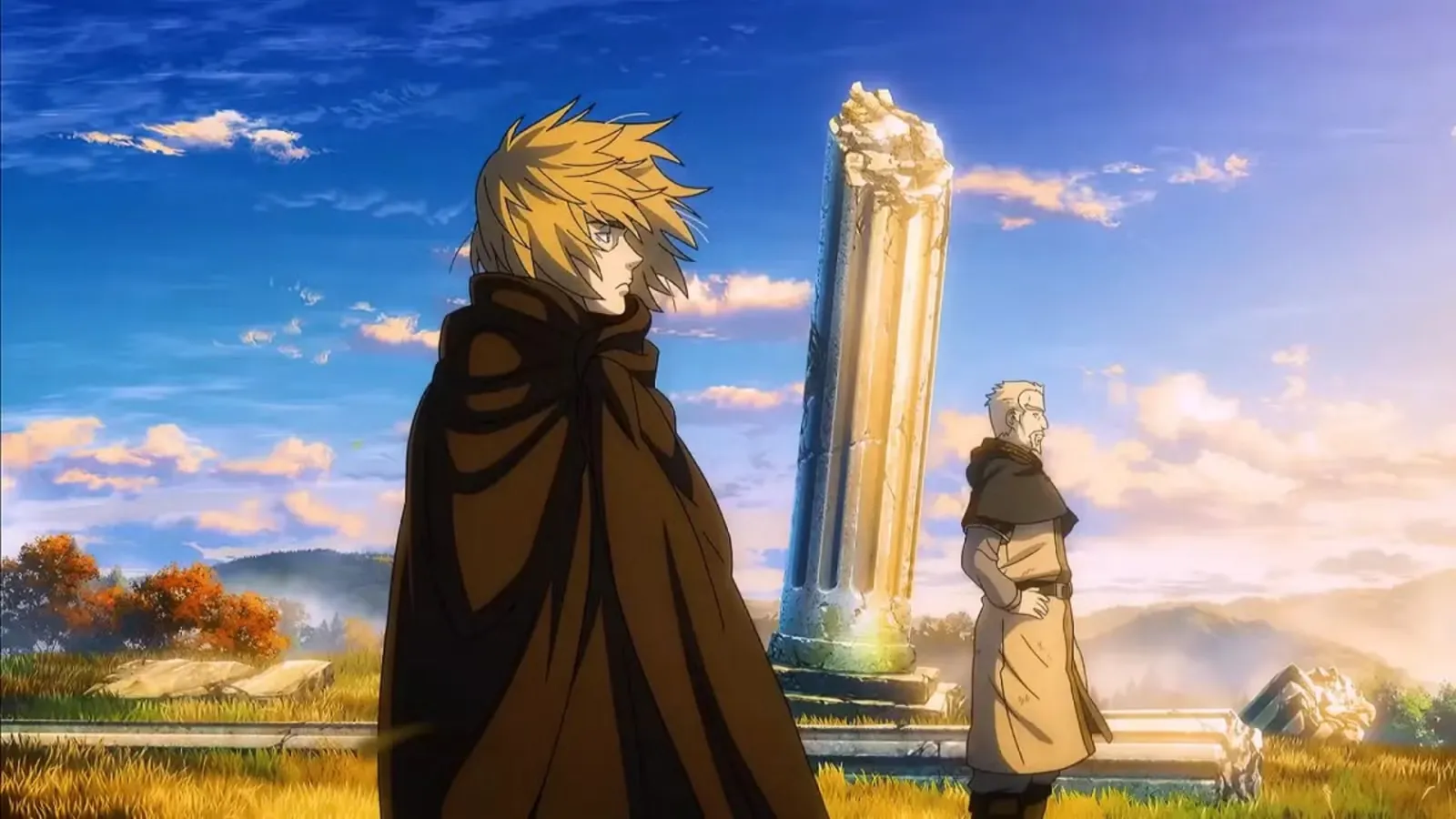

Best Anime to Watch If You Loved Vinland Saga
Home/Anime Lists/Best Anime to Watch If You Loved Vinland Saga

Best Anime to Watch If You Loved Vinland Saga

R

Rushabh Bhosale

6 views
Share:

If you loved Vinland Saga, the best anime recommendations include Attack on Titan for similar war-driven storytelling and character growth, Berserk for dark medieval fantasy with revenge themes, Dororo for supernatural revenge narratives with profound character development, Kingdom for historical warfare and strategic battles, and Rurouni Kenshin for redemption arcs exploring peace after violence. Each series captures different elements that made Vinland Saga exceptional—whether historical authenticity, psychological depth, brutal action, or the transformative journey from vengeance to peace.

Vinland Saga hit differently than most anime.

Thorfinn's journey from revenge-obsessed child soldier to someone seeking genuine peace felt earned through suffering, growth, and brutal self-reflection. The historical setting grounded fantastical character arcs in Viking-era realism. The action was visceral without being gratuitous. The character development was transformative without feeling rushed.

Now that you've finished both seasons—and are waiting for what comes next—you're probably asking: what can possibly match that experience?

The truth is, nothing will perfectly replicate Vinland Saga. But several anime capture specific elements that made Thorfinn's story so compelling. For those curious about the deeper themes that made Vinland Saga resonate, understanding what you connected with helps identify the perfect next watch.

Attack on Titan: War, Transformation, and the Cycle of Violence
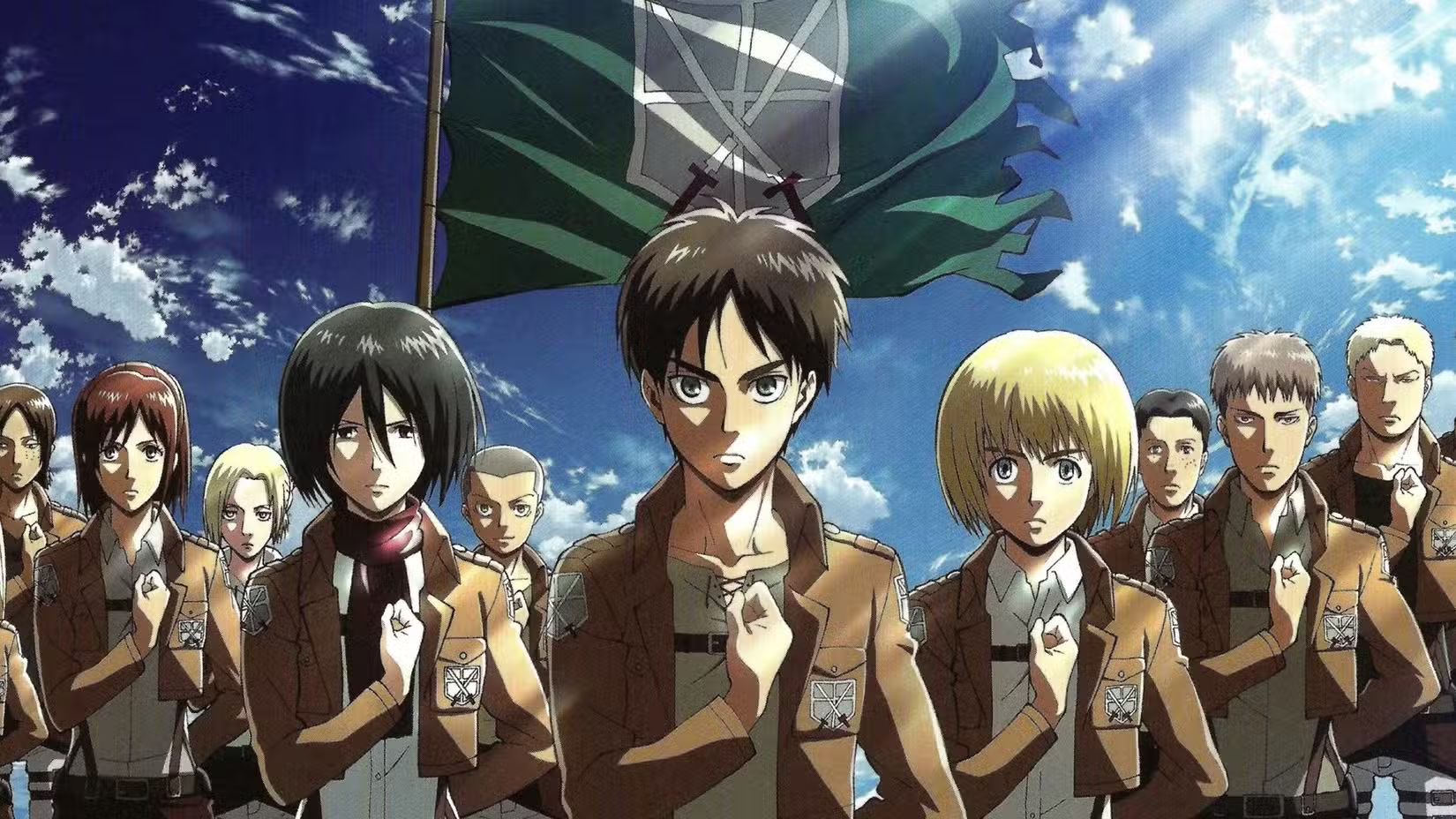
Attack on Titan anime like vinland saga

Why It Matches Vinland Saga

Attack on Titan shares creative DNA with Vinland Saga beyond both being produced by Wit Studio (Season 1).

Both explore how revenge drives young protagonists into cycles of violence they struggle to escape. Both examine war from multiple perspectives, refusing simple hero-versus-villain narratives. Both feature shocking betrayals that recontextualize everything you thought you understood about characters and conflicts.

Eren Jaeger's evolution mirrors Thorfinn's transformation in disturbing ways. What starts as righteous anger against Titans gradually reveals itself as something darker, more complex, and ultimately tragic. The series asks whether breaking cycles of hatred is even possible when trauma runs generational.

What Makes It Different

Attack on Titan operates on a grander scale with fantasy elements Vinland Saga lacks.

The mystery-box storytelling and plot twists create different narrative momentum than Vinland Saga's character-driven focus. Where Vinland Saga grounds itself in historical authenticity, Attack on Titan uses its fantasy setting to explore similar themes through metaphor and allegory.

The action is more supernatural and stylized. You won't get the realistic swordfights and tactical battles—you'll get ODM gear acrobatics and titan transformations. But the emotional weight of violence and its consequences hits with similar force.

All four seasons are available on Crunchyroll and Netflix, making it easily accessible for immediate binge-watching.

Berserk: The Dark Fantasy Standard
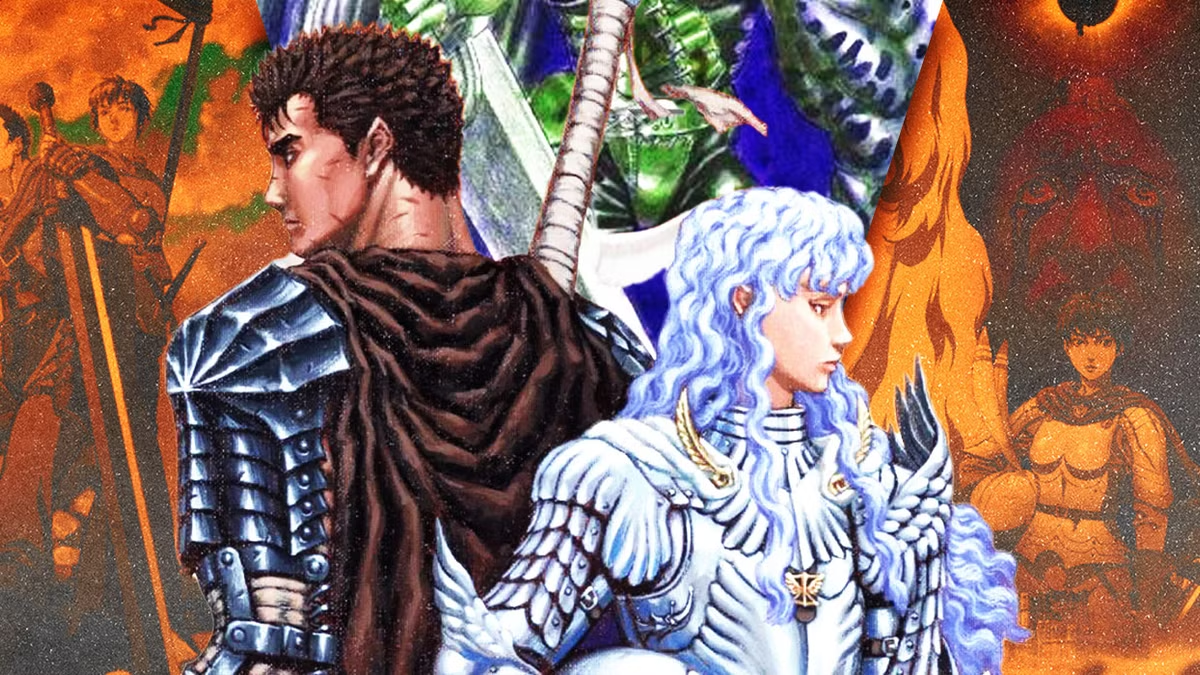
Berserk anime like vinland saga

The Medieval Revenge Epic

Berserk is mandatory viewing for Vinland Saga fans seeking darker, more brutal medieval storytelling.

Both series follow protagonists whose fathers were killed, fundamentally shaping their paths. Both depict war as horrific rather than glorified. Both explore what vengeance costs the person pursuing it—how it hollows them out and makes peace increasingly unattainable.

Guts' journey with the Band of the Hawk parallels Thorfinn's time with Askeladd's crew. Charismatic leaders whose true natures hide behind carefully crafted personas. Mercenary bands operating in morally gray spaces. Brotherhood forged through shared trauma and bloodshed.

The 1997 anime adaptation remains iconic despite outdated animation. For those interested in why Berserk's approach to dark fantasy influenced an entire generation, understanding its historical context reveals why it pairs so well with Vinland Saga's themes.

Fantasy vs. Historical Realism

Unlike Vinland Saga's commitment to historical accuracy, Berserk embraces dark fantasy elements.

Demons exist. Supernatural forces corrupt the world. Magic is real and terrible. This gives Berserk freedom to explore darker themes through fantastical horror that Vinland Saga couldn't justify within its historical framework.

The 1997 anime adaptation remains iconic despite outdated animation. The newer adaptations suffered from poor CGI that fans widely criticized. For the complete experience, many recommend reading Kentaro Miura's manga, though the recent anime attempts are still watchable for newcomers.

Dororo: Supernatural Revenge With a Heart
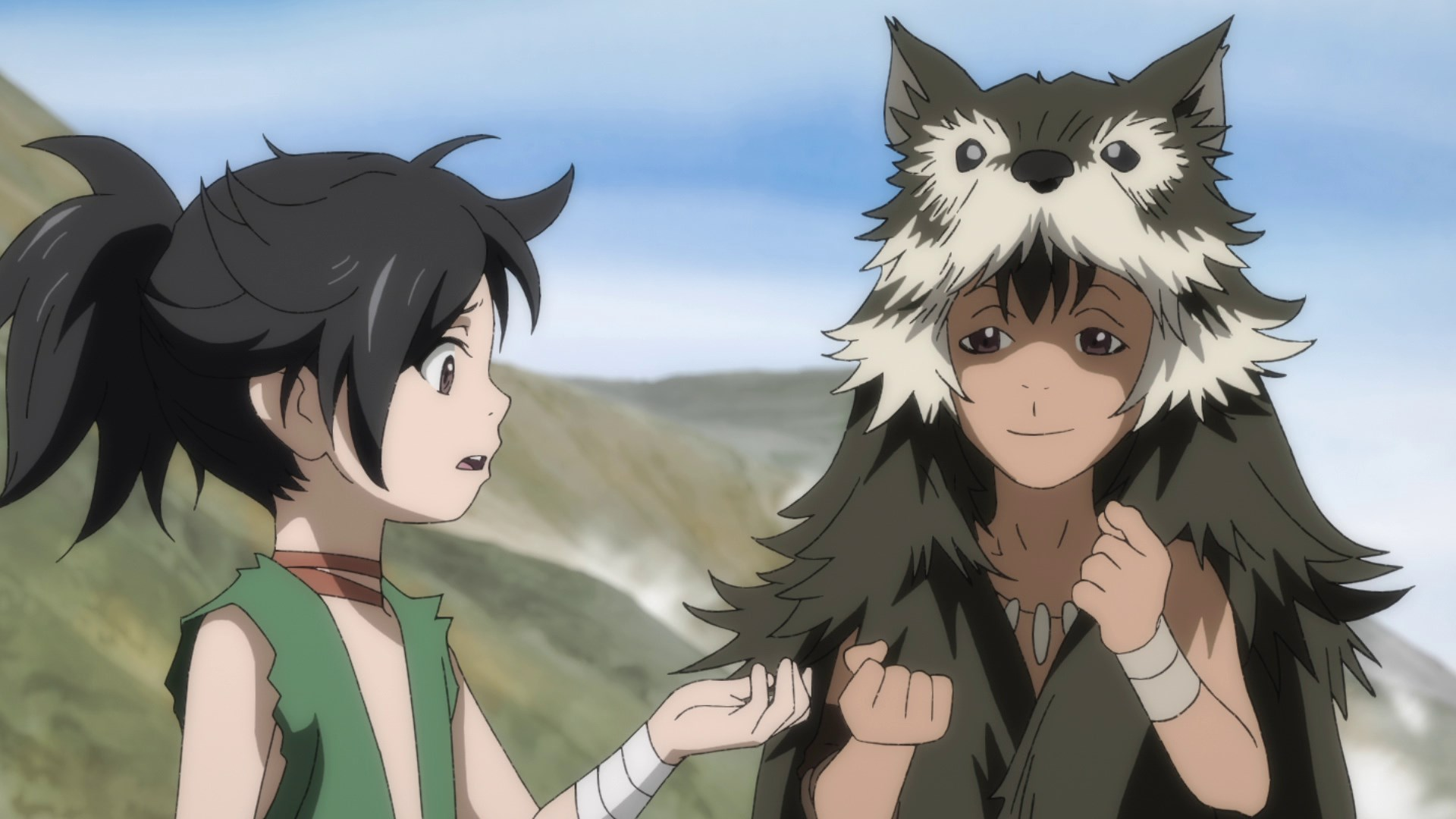
Dororo anime like vinland saga

The Most Direct Parallel

Created by legendary mangaka Osamu Tezuka, Dororo offers the clearest thematic parallel to Vinland Saga.

Hyakkimaru was born without limbs, skin, eyes, ears, or voice after his father traded his body parts to demons for prosperity. Raised by a doctor who gave him prosthetic weapons, he now hunts those demons to reclaim what was stolen. Each victory restores a piece of himself but reveals new complications about revenge and humanity.

The episodic structure differs from Vinland Saga's continuous narrative, but the emotional core remains similar. Both protagonists question whether vengeance will actually satisfy them. Both grapple with what "wholeness" even means after trauma fundamentally reshaped who they are.

The 2019 Adaptation

MAPPA's 2019 Dororo anime modernized Tezuka's 1967 manga beautifully.

The animation quality rivals Vinland Saga's production values. The character designs balance classic manga aesthetics with contemporary sensibilities. The soundtrack, particularly the opening theme, became instantly iconic.

Unlike Vinland Saga, Dororo incorporates supernatural elements while maintaining emotional realism. The demons Hyakkimaru faces represent literal monsters, but also the monstrous nature of human greed, war, and sacrifice. This dual-layer storytelling creates depth without sacrificing accessibility.

Available on Prime Video and Hulu, it's easily accessible and criminally underwatched compared to its quality.

Kingdom: Strategic Warfare in Ancient China
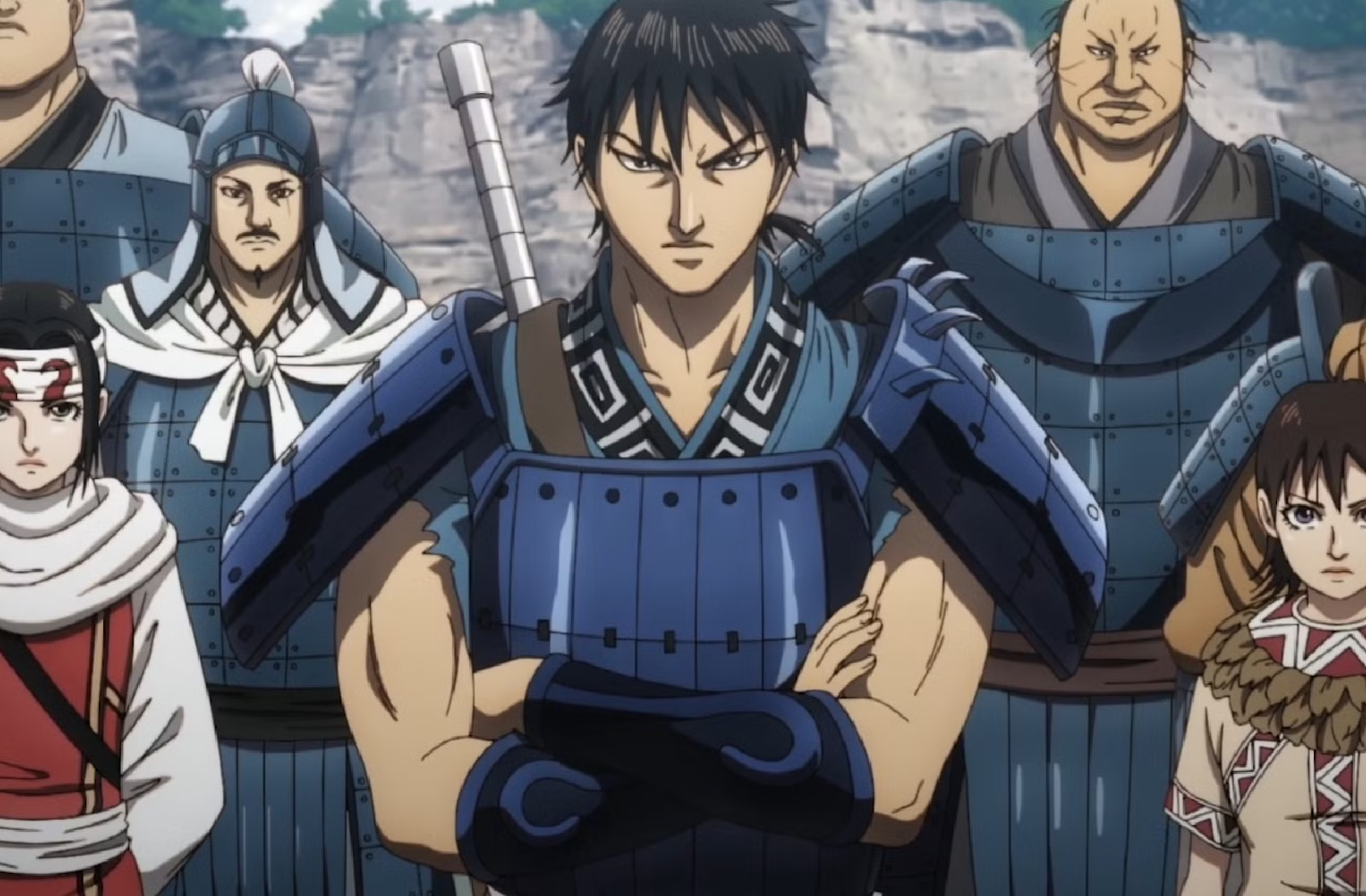
Kingdom anime like vinland saga

Historical Epic Meets Military Strategy

Kingdom delivers what Vinland Saga fans craving large-scale historical warfare need.

Set during China's Warring States period, the series follows war orphan Xin's dream of becoming the greatest general. The political intrigue, battlefield tactics, and historical authenticity create a similar viewing experience to Vinland Saga's depiction of Viking-era conflicts.

The series doesn't shy away from showing war's brutality and cost. Characters you grow attached to die suddenly and anticlimactically because that's what war does—it doesn't wait for narrative-appropriate moments to kill people. Leadership requires morally gray decisions that haunt those who make them.

The Initial Hurdle

Fair warning: Kingdom's early seasons suffered from rough CGI animation that turns many viewers away.

Push through. The storytelling quality justifies the visual compromises, and later seasons significantly improve production values. By Season 3, the animation matches the writing quality, delivering spectacular battles and emotional character moments.

For those unable to tolerate early animation issues, the manga by Yasuhisa Hara is widely considered one of the best historical war manga ever created, with over 100 million copies in circulation.

Rurouni Kenshin: The Path From Violence to Peace
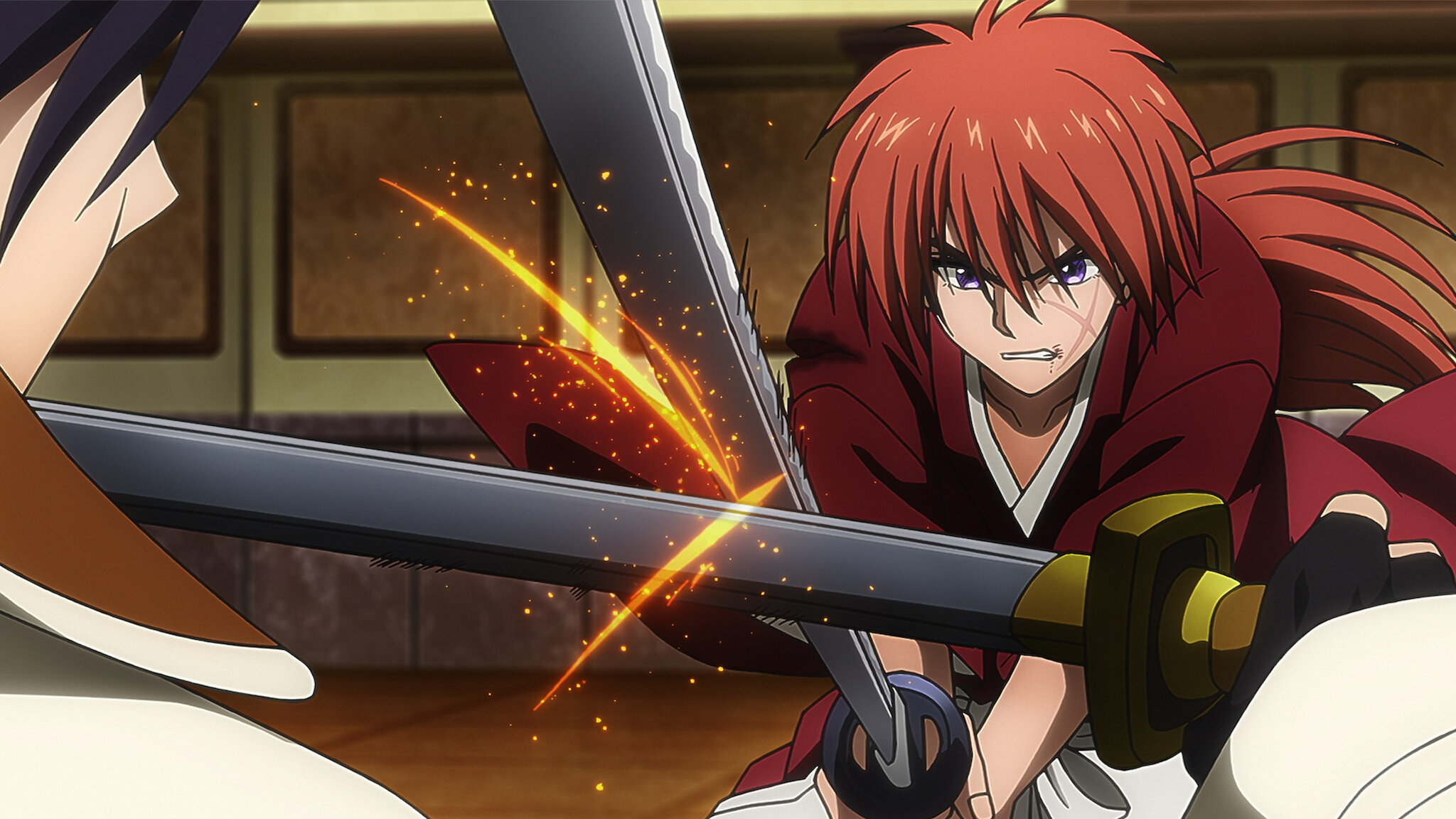
Rurouni Kenshin anime like vinland saga

The Redemption Arc That Defined a Generation

Rurouni Kenshin explores themes Vinland Saga's Farmland Arc perfected: can someone who built their identity on violence truly find peace?

Himura Kenshin was once Hitokiri Battōsai, a legendary assassin whose skills made him feared across Japan. After the war ended, he vowed to never kill again, wandering as a rurouni (masterless samurai) seeking atonement through protecting others with a reverse-blade sword.

The setup parallels Season 2 Thorfinn's rejection of violence and attempts to build something meaningful without bloodshed. Both characters discover that walking away from violence is exponentially harder than embracing it, especially when your past refuses to stay buried.

Historical Setting Meets Character Study

Set during Japan's Meiji Restoration period, Rurouni Kenshin balances historical authenticity with character-focused storytelling.

The sword fights are spectacular and technically grounded despite anime exaggeration. The supporting cast develops beyond typical shounen archetypes. The exploration of whether redemption is even possible for someone with Kenshin's body count creates genuine tension.

The 2023 remake by Studio LIDEN FILMS updates the classic 1996 adaptation with modern production values while staying faithful to Nobuhiro Watsuki's manga. Both versions have merit depending on whether you prefer classic or contemporary animation styles.

More Anime That Capture Vinland Saga's Spirit

For Historical Warfare Fans

Arslan Senki (The Heroic Legend of Arslan) follows a young prince's quest to reclaim his kingdom after betrayal and invasion. Set in a fantasy version of ancient Persia, it delivers political intrigue, large-scale battles, and coming-of-age storytelling similar to Vinland Saga's Viking political landscape.

Golden Kamuy combines historical setting (post-Russo-Japanese War Hokkaido) with treasure hunting adventure and examination of Ainu culture. The violence is brutal and purposeful, never gratuitous. The character dynamics between unlikely allies echo Askeladd's crew.

For Revenge-Driven Narratives

91 Days transplants the revenge formula into 1920s prohibition-era America. Angelo infiltrates the mafia family that murdered his parents, methodically working toward vengeance while questioning whether it will bring satisfaction. The realistic, grounded approach to organized crime mirrors Vinland Saga's historical authenticity.

While Kingdom focuses on large-scale historical warfare, modern sports anime like Blue Lock Season 3 explore conflict through psychological battles instead of armies, pushing characters to confront ego, pressure, and the cost of ambition in similarly brutal ways.

Gankutsuou: The Count of Monte Cristo reimagines Alexandre Dumas's classic revenge tale in a sci-fi setting. The psychological examination of vengeance's corrosive effects on the person pursuing it resonates with Thorfinn's Season 1 arc.

For Character-Driven Drama

Mushishi won't satisfy action cravings, but it captures Vinland Saga Season 2's contemplative pacing and philosophical depth. Episodic stories about a wanderer who investigates supernatural phenomena offer similar meditative reflection on human nature, coexistence, and finding peace.

Samurai Champloo from Cowboy Bebop director Shinichiro Watanabe blends Edo-period Japan with hip-hop aesthetics. The character dynamics between three travelers, the episodic-yet-building narrative structure, and spectacular sword choreography create rewarding viewing for fans appreciating Vinland Saga's journey elements.

What Makes Vinland Saga Unique (And Hard to Replace)

Understanding why finding a perfect replacement is impossible helps appreciate what you're actually looking for.

Vinland Saga's commitment to showing transformation through suffering rather than sudden revelation sets it apart. Thorfinn doesn't have an epiphany that instantly changes him. He breaks down, builds himself back up, fails repeatedly, and slowly—painfully—becomes someone different.

The historical authenticity grounded in actual Viking-era research gives weight to events. When characters reference real historical figures or battles, it connects the story to actual human history rather than pure fantasy. This realism makes the themes hit harder.

The willingness to shift narrative focus dramatically between seasons demonstrated confidence rare in anime. Moving from revenge thriller to farm-life character study risked alienating the action-focused audience but trusted viewers would appreciate the thematic evolution.

Most importantly, Vinland Saga refuses to let violence be consequence-free entertainment. Every fight costs something. Every death matters. The series forces viewers to sit with the weight of what war actually means beyond exciting sword choreography.

Where to Watch These Recommendations

Attack on Titan: Crunchyroll, Hulu, Netflix
Berserk (1997): Crunchyroll, Netflix
Dororo: Prime Video, Hulu, HIDIVE
Kingdom: Crunchyroll, Funimation
Rurouni Kenshin (2023): Crunchyroll
Vinland Saga (Seasons 1-2): Crunchyroll, Netflix, Prime Video

Most streaming services offer free trial periods, making it easy to sample different shows before committing to subscriptions.

The Verdict: Start With Attack on Titan or Dororo

If you loved Vinland Saga's war-driven narrative and character transformation through trauma, Attack on Titan is your next watch. The tonal similarities and production quality make it the smoothest transition.

If you connected more with the revenge-to-redemption character arc, Dororo offers a 24-episode complete story with satisfying closure.

For historical warfare and political intrigue, Kingdom delivers despite rough early animation. For Season 2's peaceful exploration of violence's aftermath, Rurouni Kenshin explores similar redemption themes.

No single anime will perfectly replace Vinland Saga. But each captures what made Thorfinn's journey unforgettable—whether brutal combat, psychological exploration of vengeance, or the difficult path from violence to peace.

Start watching: Pick one based on your mood tonight, not which is "objectively best." Your emotional connection matters more than rankings.

What's Next for Vinland Saga? As of January 2026, creator Makoto Yukimura confirmed Season 3 isn't currently in production, though the completed manga (concluded July 2025) provides all source material needed for future adaptation.
Tags

10 Best Anime With Zero Filler Arcs in 2026
Next in Anime Lists

Next up

10 Best Anime With Zero Filler Arcs in 2026 | No Skippable Episodes

The best anime with no filler or skippable arcs maintain narrative quality throughout their entire run. Fullmetal Alchemist: Brotherhood leads with perfect pacing across 64 episodes, followed by Hunter x Hunter's genre-shifting arcs, and Attack on Titan's consequence-heavy storytelling. Unlike long-running shonen like Naruto or One Piece that pad runtime with filler, these series respect viewer time—every arc advances plot, deepens themes, or develops characters meaningfully. From psychological thrillers like Monster to short masterpieces like Odd Taxi, these anime prove you don't need filler episodes to create lasting impact. This curated list represents the gold standard of narrative consistency in anime. Why Most Anime Struggle With Filler (And These Don't) The weekly anime format created a problem: studios produce episodes faster than manga chapters release. The solution? Filler arcs—original content that stalls the main story while waiting for source material. Naruto has 220 filler episodes. Bleach has 164. One Piece has 94 and counting. But modern anime shifted to seasonal production, releasing 12-24 episode seasons with breaks between them. This format eliminated the need for filler, allowing tighter storytelling. The anime on this list either adopted seasonal production, had complete source material before adaptation, or were original works designed from the start to be filler-free. As of 2026, these remain the gold standard for narrative efficiency. 1. Fullmetal Alchemist: Brotherhood Episodes: 64 | Genres: Action, Adventure, Dark Fantasy The gold standard of long-form anime storytelling. Every arc advances the central plot about the Elric brothers' search for the Philosopher's Stone, deepens themes of sacrifice and equivalent exchange, and builds toward a finale that pays off every setup. Why Every Arc Matters The series begins with Edward and Alphonse Elric attempting human transmutation to revive their mother. It goes horrifically wrong—Ed loses his arm and leg, Al loses his entire body. The first arc establishes the cost of their mistake and their quest to regain what they lost. From there, each arc expands the conspiracy. The Ishvalan War reveals state-sponsored genocide. The Homunculi arc shows the true villains manipulating everything. The Promised Day finale brings together every character, theme, and plotline in one climactic battle. There's no padding. No side quests that don't connect to the main story. Even comedy episodes serve character development, like the beach episode that reveals Hughes' dedication to his family—making his later death devastating. Similar to why Death Note still hits hard years later, Brotherhood maintains tension through meticulous plotting where nothing is wasted. 2. Hunter x Hunter (2011) Episodes: 148 | Genres: Adventure, Action, Fantasy Each arc feels like a different genre experiment, yet all of them matter. From Yorknew's mafia thriller to Chimera Ant's existential horror, nothing exists just to stall the story. The Genius of Arc Variety The Hunter Exam arc is a battle tournament. Yorknew City is a heist thriller. Greed Island is a video game adventure. Chimera Ant is a war story that becomes a meditation on humanity and monstrosity. This variety prevents repetition. When viewers might tire of one genre, the series pivots completely—but always in service of character growth. Gon's journey from innocent kid to someone capable of horrifying self-destruction is earned through every arc's escalation. The Chimera Ant arc is 61 episodes—longer than some entire anime. But it never drags because it's not filler. It's the series' thematic climax, forcing characters to confront what makes humans worth saving. This connects to why Meruem becomes more human than the hunters—the arc's length allows genuine philosophical exploration rather than surface-level action. 3. Attack on Titan Episodes: 87 | Genres: Action, Drama, Dark Fantasy A rare case where later arcs completely recontextualize earlier ones. Every season raises the stakes and reframes the narrative, making rewatches even stronger. When Every Arc Changes Everything The first season sells itself as humans versus titans—straightforward monster-slaying action. Then the Female Titan arc reveals titans are humans. The Uprising arc reveals the government conspiracy. The Return to Shiganshina arc reveals the world beyond the walls. Each revelation doesn't invalidate previous arcs—it deepens them. Rewatch the first season after finishing the series and every line of dialogue carries new weight. Details that seemed random become foreshadowing. The final season transforms the show from action spectacle into moral complexity about cycles of violence, genocide, and whether freedom justifies atrocity. No arc exists without consequence. 4. Steins;Gate Episodes: 24 | Genres: Sci-Fi, Thriller, Drama The slow start is deliberate, not a weakness. Every early episode sets emotional landmines that explode later. Once the shift happens at episode 12, the story never wastes a moment. Why the "Slow" Start Is Perfect Episodes 1-11 feel like slice-of-life comedy about eccentric scientists accidentally inventing time travel. Characters joke around, flirt, build friendships. Viewers complain the show is boring. Then episode 12 happens. Mayuri dies. Okabe discovers he's trapped in a time loop where she always dies. Suddenly every joke from earlier episodes becomes tragedy—those friendships are weapons used against him. The "slow" start wasn't filler. It was building attachment so the suffering matters. Similar to how Frieren feels different by prioritizing quiet character moments, Steins;Gate earns its emotional payoff through patience. 5. Monster Episodes: 74 | Genres: Psychological Thriller, Mystery, Drama A long psychological thriller that never loses its grip. Each arc expands the moral question rather than padding runtime. Patient, focused, relentlessly consistent. The Slow Burn That Never Stops Burning Dr. Tenma saves a child's life instead of a politician's. Years later, that child has become a serial killer. Tenma dedicates himself to stopping the monster he created. At 74 episodes, Monster is longer than most anime on this list. But it's adapted from a completed manga with a planned endpoint. Every arc serves the central question: was Tenma right to value all lives equally, or do some people deserve to die? The Johan arc, the Ruhenheim arc, the library investigation—each peels back another layer of Johan's psychology while forcing Tenma to question his own morality. There's no filler because the show isn't about plot twists. It's about moral examination. 6. Mob Psycho 100 Episodes: 37 (3 seasons) | Genres: Action, Comedy, Supernatural A complete character arc told across three seasons. Every conflict exists to push Mob's emotional growth forward. The story knows exactly when to end and does so perfectly. When Action Serves Emotional Development Mob is the world's most powerful esper, but he doesn't want to use his powers. The series could be about spectacular psychic battles—and those exist—but every fight asks the same question: who is Mob beyond his power? Season 1: Can Mob have normal relationships despite being abnormal? Season 2: Can Mob accept his emotions without destroying everything? Season 3: Can Mob grow beyond who others expect him to be? The finale answers all three, then ends. No sequel bait. No spinoff setup. Just a complete story about a kid learning to accept himself. This parallels how Haikyuu shows effort without promising greatness—Mob's journey isn't about becoming the strongest, it's about becoming himself. 7. Vinland Saga Episodes: 48 (2 seasons) | Genres: Historical, Action, Drama A series that evolves instead of repeating itself. Whether brutal or quiet, each arc serves the same philosophical core about war, revenge, and redemption. The Tonal Shift That Makes It Stronger Season 1 is brutal revenge. Thorfinn dedicates his life to killing Askeladd, the man who murdered his father. The arc culminates not in satisfying vengeance but in hollow victory—Askeladd dies, and Thorfinn realizes revenge was meaningless. Season 2 abandons action entirely. Thorfinn becomes a slave on a farm, learning pacifism and questioning everything he believed. Some viewers hated the shift from action to philosophical drama. But it's not a drop in quality—it's the point. The series asks whether someone raised for violence can choose peace. Season 1 shows the cost of revenge. Season 2 shows the difficulty of change. Similar to how Bakuman reveals the hidden costs of creative ambition, Vinland Saga refuses to glamorize what it depicts. 8. Gintama Episodes: 367 | Genres: Action, Comedy, Parody Comedy-heavy episodes build attachment, making serious arcs hit harder. The tonal whiplash is part of its design, and the major story arcs consistently rank among anime's best. When Filler Isn't Really Filler Gintama is unique on this list because it has "filler"—standalone comedy episodes with no plot relevance. But they serve narrative purpose: making you care about characters so dramatic arcs devastate you. You spend 50 episodes laughing at Gintoki's laziness and sweet tooth. Then the Benizakura arc reminds you he's a war veteran with survivor's guilt. The comedy wasn't filler—it was building contrast. The Courtesan of a Nation arc, Farewell Shinsengumi, and the final Silver Soul arc are masterpieces of character payoff. But they only work because the show spent hundreds of episodes making you love these idiots. 9. Cowboy Bebop Episodes: 26 | Genres: Sci-Fi, Western, Neo-Noir Episodic, but never pointless. Every standalone story reveals something about the characters or the world. Ends exactly where it should, without overstaying its welcome. The Episodic Structure That Works Most episodes are self-contained bounty hunts. Spike and the Bebop crew chase a target, things go wrong, they barely scrape by. No overarching villain. No season-long mystery (until the end). But each episode adds layers. "Jamming with Edward" introduces Ed's hacking skills. "Speak Like a Child" reveals Faye's amnesia. "Hard Luck Woman" shows Ed and Faye's loneliness. The finale brings everything together—Spike confronts his past, the crew scatters, the story ends. At 26 episodes, it could've continued. But it told its story and stopped. Similar to how Odd Taxi proves every detail can matter, Bebop demonstrates that episodic doesn't mean inconsequential. 10. Odd Taxi Episodes: 13 | Genres: Mystery, Psychological, Drama Short, dense, and immaculately planned. Every conversation matters. Every detail pays off. One of the clearest examples of zero wasted episodes in modern anime. When Every Line of Dialogue Is Setup A taxi driver has casual conversations with passengers. The show seems like low-stakes slice-of-life. Then pieces start connecting—the idol, the missing girl, the yakuza, the social media influencer. By episode 13, every throwaway line from episode 1 becomes crucial evidence. The series was reverse-engineered from its ending, ensuring nothing exists without purpose. At 13 episodes, Odd Taxi is the shortest anime on this list. But it accomplishes more than series three times its length because it respects viewer intelligence and never wastes time. Honorable Mentions That Almost Made the List Frieren: Beyond Journey's End - Currently airing, but every episode so far has been essential. Slow pacing serves the themes of time, memory, and legacy. A Place Further Than the Universe - 13 episodes of perfect emotional storytelling about teenage girls traveling to Antarctica. No filler, just character growth. Ping Pong the Animation - 11 episodes that completely deconstruct sports anime. Every match serves character development, not spectacle. These didn't make the top 10 because they're either still incomplete (Frieren) or extremely niche in appeal (Ping Pong's art style), but they're equally filler-free. What "No Bad Arcs" Actually Means This list isn't about anime without filler episodes—it's about narrative consistency across entire runs. An anime can have zero filler and still have bad arcs. Tokyo Ghoul has no filler, but its second season is widely considered a mess. Promised Neverland has no filler, but its second season collapsed so badly fans pretend it doesn't exist. The Three Criteria 1. Every arc advances something meaningful - plot, character development, or themes. No stalling. 2. Quality remains consistent - later arcs don't drop in writing, animation, or pacing. 3. The ending justifies the journey - everything builds toward a conclusion that feels earned. These ten anime meet all three criteria. They're not just filler-free—they're examples of what anime can accomplish when every episode matters. Why This Matters More Than Ever in 2026 Anime is more accessible than ever. Streaming services carry thousands of titles. But viewer time is finite. Recommending a 300-episode series with 100 filler episodes is a hard sell. "Just skip these arcs" isn't a satisfying answer—if arcs are skippable, why were they made? The anime on this list prove you don't need padding to create impact. Fullmetal Alchemist: Brotherhood tells a complete story in 64 episodes. Odd Taxi does it in 13. Longer isn't better. Better is better. And when every arc matters, rewatches become richer instead of tedious. You can recommend these series to newcomers without caveats or filler guides. In 2026's crowded anime landscape, these series stand out precisely because they respect viewer time.

Filed 9 Feb 2026