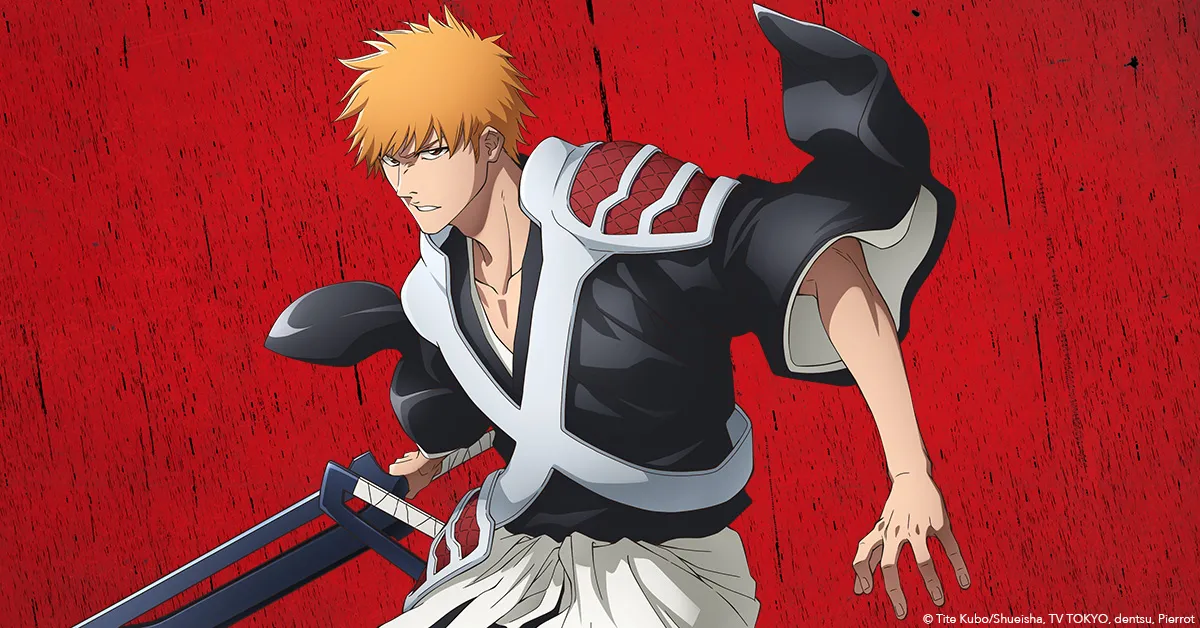

Bleach filler list: exact episodes to skip
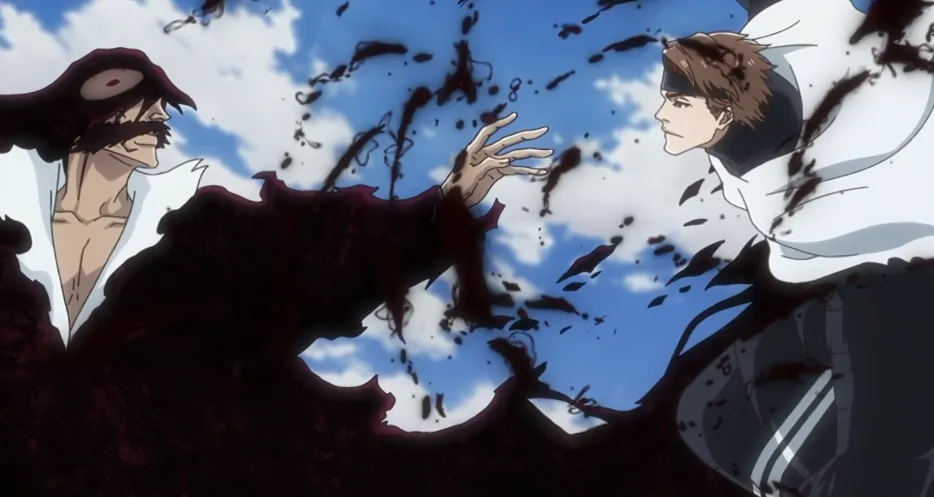
If you want to watch Bleach for Ichigo Kurosaki's main manga storyline, the original 366-episode anime contains 163 episodes commonly classified as filler, approximately 45% of the series. That is a large amount of optional material, mostly concentrated in several full-length anime-original arcs. You can bypass these stretches without losing the major manga plot, then move into Bleach: Thousand-Year Blood War as a separate continuation.
Full Bleach filler list: 33, 50, 64–108, 128–137, 147–149, 168–189, 204–205, 213–214, 228–266, 287, 298–299, 303–305, 311–341, 355. Keep every episode outside these ranges, including episodes labeled mixed manga-canon/filler. These numbers apply to the 2004–2012 original television run, not to Thousand-Year Blood War's separate episode and part numbering. The classifications come from the community-edited Anime Filler List dataset, not an official declaration by Tite Kubo.
How much time will skipping Bleach filler save?
A straightforward estimate is 163 × 24 minutes = 3,912 minutes, or just over 65 hours. That is nearly three days of continuous viewing. The real total depends on whether your streaming service includes recaps, opening themes, previews and credits in the displayed runtime. You may also choose to watch one especially well-liked filler arc, which cuts into the savings but can be a worthwhile trade-off.
The bigger benefit is narrative momentum. The original Bleach anime was produced while the manga was still running, so production sometimes inserted an extended new storyline while readers waited for more source chapters. A viewer who does not know this can be surprised when an urgent Arrancar conflict gives way to a completely different cast of antagonists. Following a filler guide prevents that abrupt shift from feeling like a contradiction in the manga's story.
Bleach filler episode table explained by arc
The first two fillers, episodes 33 and 50, are isolated detours during the earlier part of the anime. The Bount arc, 64–108, is the first massive original block. The smaller 128–137 and 147–149 stretches occur amid the Arrancar-era storyline. The New Captain Shūsuke Amagai arc, 168–189, introduces a new captain and a separate political conflict. 204–205 and 213–214 are short diversions.
The next major run, 228–266, includes the Zanpakutō Unknown Tales or Rebellion material, followed later by individual specials at 287, 298–299 and 303–305. The Gotei 13 Invading Army/Reigai material forms the principal part of 311–341. Finally, 355 is a standalone filler episode. This grouping helps viewers understand why entire chunks can be skipped while leaving mixed scenes untouched.
The Bount arc: Bleach episodes 64–108
The Bount story begins almost immediately after the Soul Society rescue material and follows an anime-original group of beings who require energy from souls to survive. It lasts 45 episodes under the common 64–108 classification, a remarkably long detour for someone eager to learn what happens after the previous arc's revelations. The basic supernatural premise is not incompatible with Bleach, but it does not originate in the manga's core storyline.
Verdict: skip on a first manga-focused watch. There are individual fights and bits of worldbuilding that fans may enjoy later, but committing to the entire arc changes the pacing of the series. A common confusion is whether to skip episode 109 too. Anime Filler List labels 109 as mixed, so our recommended list stops at 108 and keeps 109. That is an example of why a precise episode guide is safer than a shorthand instruction to skip a vague “Bount season.”
Arrancar-era side stories: episodes 128–137 and 147–149
The 128–137 block is an anime-original interruption in the early Arrancar conflict. 147–149, sometimes called the Menos Forest stretch, returns to the atmosphere of Hueco Mundo and gives a little more time to familiar supernatural surroundings. These episodes can feel as if they belong beside the canon material because they share its locations, character types and dangers.
Nevertheless, they are not required for the manga plot. A newcomer interested mainly in Ichigo's relationship with the Espada can safely skip both. A rewatcher curious about additional scenes involving Hueco Mundo might want to sample 147–149 because the setting is appealing. The distinction should be about what you personally enjoy rather than an assumption that anime-original equals automatically low quality.
New Captain Shūsuke Amagai: episodes 168–189
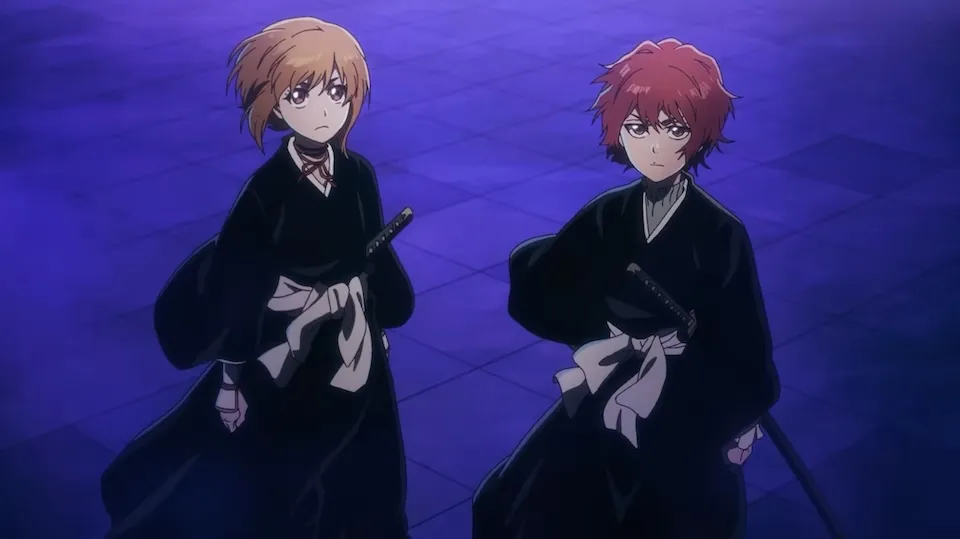
The 168–189 storyline introduces Shūsuke Amagai into Soul Society's command structure. It has its own beginning, motivations and climax, and it asks viewers to invest in a new figure at a moment when the wider Arrancar narrative has already created tension. The arc does not need to be watched to understand Aizen's campaign or Ichigo's next major challenges.
Verdict: skip initially. For someone who loves the Gotei 13 as an organization, it offers a parallel story about authority and suspicion within the Soul Reaper ranks. Yet for a first-time viewer who already faces hundreds of episodes, its narrative independence makes it an easy optional entry. You can return after finishing the main anime without losing context.
Zanpakutō Rebellion: episodes 228–266
The 228–266 stretch is one of the most discussed Bleach filler arcs because it explores the premise of Zanpakutō spirits manifesting and rebelling against their wielders. It turns an established element of Bleach's combat system into the focus of its own story. This naturally creates opportunities for new character interactions and unusual sword-power encounters that the manga did not have room to show in the same way.
Verdict: optional, and one of the better filler arcs to revisit. Its central idea is attractive to readers who like the internal identities of Soul Reaper swords. It remains anime-original, though, so do not use its events as conclusive evidence in debates about canonical Bankai powers. If the sword system is your favorite part of the franchise, our Bleach Bankai guide explains the canonical underlying abilities more directly.
Gotei 13 Invading Army/Reigai: episodes 311–341
The 311–341 run creates an anime-original threat involving replicas and Soul Society's military forces. It is sometimes called the Reigai or Invading Army arc. The premise gives established captains and lieutenants extra battles, including matchups that the canonical story would not naturally arrange. Its length makes it especially easy to notice if you are trying to reach the final original-anime storyline.
Verdict: safe to skip, possible rewatch bonus. The battles can be entertaining as extra action, but the characters' canonical development does not depend on the outcome. Importantly, many shorthand lists incorrectly extend the skip through 342. Under the carefully enumerated community classifications, 342 is mixed canon/filler and should be watched, along with the episodes that follow in the main story.
All the short Bleach filler interruptions
Besides the headline arcs, the list includes 33, 50, 204–205, 213–214, 287, 298–299, 303–305 and 355. These stand-alone specials, comedy detours, recaps or promotional tie-ins are the easiest episodes to skip if speed is your only priority. Episodes 298–299 are frequently associated with the franchise's film promotion, while some other episodes shift temporarily into holiday or playful formats.
You do not need to memorize their titles. A single bookmarked list of numbers is enough. If a streaming platform uses seasons whose boundaries differ from Japanese broadcast numbering, verify the absolute episode number before skipping. One missed digit can create more confusion than simply watching the twenty-minute episode.
What is the correct Bleach canon-only viewing route?
A conservative route is to watch everything except the pure filler ranges listed at the top of this guide. This keeps manga-canon material and mixed episodes together. You can move from original Bleach 63 to 109, for example, and from 167 to 190, but must remember that episode 109 is mixed rather than the beginning of a wholly separate manga-only season.
The same principle applies around later transitions: after 266, return at 267; after 341, return at 342; after 355, return at 356. Do not trim away all mixed episodes based on someone else's compressed “canon-only” list, because adapted scenes may be embedded inside original framing. For an interactive companion, check whether AnimeSparks' filler checker supports the series version you are watching.
Does Bleach: Thousand-Year Blood War have filler?
Thousand-Year Blood War is the later television adaptation of the manga's final large storyline, produced separately from the 366-episode original series. It should not be included in the original show's 163-episode filler count. Unlike the long original-anime detours, its major battles and story structure follow Tite Kubo's final manga arc, although adaptations can add scenes and expand fights.
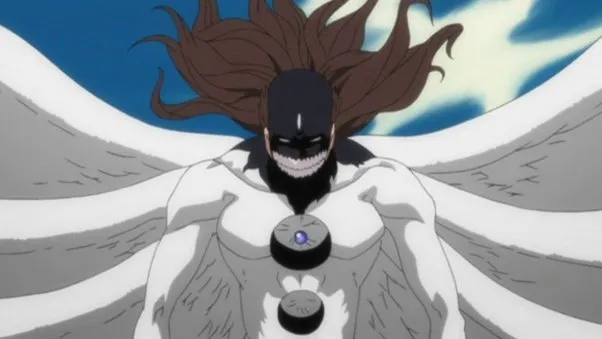
For a viewer who has followed the original canon storyline, the natural next step after episode 366 is Thousand-Year Blood War, not a return to the Bount or Reigai material. If you want a lore refresher before the sequel, AnimeSparks has a Quincy powers guide, a Soul King explainer and a guide to the Hōgyoku.
Is Bleach episode 109 canon or filler?
Episode 109 is considered mixed canon/filler by Anime Filler List. That means it is not part of the pure-filler skip list even though it follows the enormous Bount detour. The easiest practical rule is to skip 64–108, then continue with 109. Some third-party websites group the entire Bount era as 64–109, but using that as a blanket skip can exclude material another guide considers a meaningful transition.
This is not a disagreement about whether the Bount plot itself appears in the manga. It does not. The disagreement is about how to label an episode that combines transitional material and references to anime-original events. When the guide's purpose is to avoid missing canon, keeping a mixed episode is the safer choice.
What about Bleach movies and specials?
The theatrical Bleach films are generally optional side stories rather than mandatory chapters of the main manga adaptation. They can offer spectacular alternate adventures, and fans may enjoy seeing favorite captains or villains in different situations. But a film's promotional tie-in episode appearing in the filler list does not automatically make the movie essential to the main story.
Our advice is to complete the manga-based television story first, then treat movies and anime-original arcs as optional supplements. This keeps the watch order easy to understand. The franchise has enough mythology around Hollows, Arrancar, Quincy and Soul Reapers without mixing parallel film continuity into your first viewing.
How community filler classifications work
“Filler” is normally used to describe a television episode whose story was created for the anime rather than adapted from the manga. Mixed canon/filler describes an episode that includes both sources. Some sites also use “anime canon,” indicating original content they view as part of the television story's continuity. These classifications are helpful but are not official pronouncements from the creator.
Our figures use the 163 pure-filler / 41 mixed / 162 manga-canon breakdown of the original 366 episodes. Other sites may quote 164 or slightly different blocks when they place a borderline episode into a different category. That is why this page names its methodology and shows exact ranges rather than merely claiming a percentage. For a broader explanation, read anime canon versus filler.
Bleach filler list FAQ
How many episodes of Bleach are filler? The widely used Anime Filler List classification identifies 163 pure-filler episodes out of the original 366, approximately 45%.
Can I skip the Bount arc? Yes. Skip 64–108 if you want to follow the manga storyline; keep 109 because it is labeled mixed.
Is the Zanpakutō Rebellion arc canon? No, the anime-original storyline is optional, though the premise makes it one of the more interesting filler choices.
Is Bleach episode 342 filler? The source classification marks 342 as mixed, so it should not be deleted from a conservative viewing route.
Do I need filler before Thousand-Year Blood War? No. Watch the original anime's manga-based material, then proceed to the sequel adaptation.
Which filler arc should I watch for fun? If you want one, episodes 228–266 are a reasonable place to start after completing the core story.
Final recommendation
The best Bleach filler list is the one that does two jobs at once: it provides the exact skip numbers immediately and explains the few cases that cause mistakes. Skip the 163 pure-filler episodes, keep mixed episodes, and watch Thousand-Year Blood War after finishing the original manga storyline. Return to Zanpakutō Rebellion or another anime-original arc only if you want extra adventures. You get a faster, clearer first viewing without making the false claim that optional material cannot be enjoyable.
Frequently asked questions
Frequently asked questions
How many Bleach filler episodes are there?
163 of the original 366 episodes under the cited Anime Filler List methodology.
Can I skip the Bount arc?
Yes. Episodes 64–108 are filler. Episode 109 is classified as mixed and is worth keeping.