The October 2026 announcement of a new Naruto manga by Masashi Kishimoto has revived a familiar debate: is Boruto still canon? The answer is yes in the practical sense that Boruto remains an officially published sequel to Naruto. Neither the new project announcement nor Kishimoto's comments about Mikio Ikemoto establish that the sequel has been removed from continuity. The online rumor mixes genuine news with an unsupported conclusion.
What started the Boruto canon rumor?
On October 10, 2026, a Naruto presentation at New York Comic Con teased a new manga drawn by Kishimoto. The official Naruto website's recap says the teaser featured the Hokage monument, familiar Team Seven characters and a confrontation between Naruto and Sasuke. More information is expected at Jump Festa in December. It did not say that Boruto was cancelled, retconned or replaced. A new story involving Naruto is not, by itself, a continuity reset.
Fans have also revisited earlier interviews in which Kishimoto explained how Boruto's production differs from the original Naruto manga. Some posts treat his comments about Ikemoto's creative responsibility as a declaration that Boruto is unofficial. But authorship and continuity are separate questions: a creator can authorize a sequel led by another artist and writer without personally drawing every page.
Did Kishimoto actually say Boruto is non-canon?
There is no verified official declaration to that effect in the primary-source announcements reviewed for this article. Kishimoto has described Ikemoto as leading Boruto's story and illustrations. That matters for understanding who makes creative decisions, but it does not amount to saying the manga never happened. Readers should be especially cautious of posts that quote a few translated words without linking to the full interview.
The original Boruto: Naruto Next Generations listing at VIZ credits Kishimoto for creation and supervision, Mikio Ikemoto for art and Ukyo Kodachi for script. These credits reflect the earlier publication arrangement and should not be used to claim that Kishimoto writes every current chapter. Nor should changes in who handles the story be treated as automatic proof that the work has become fan fiction.
Is Boruto: Two Blue Vortex an official sequel?
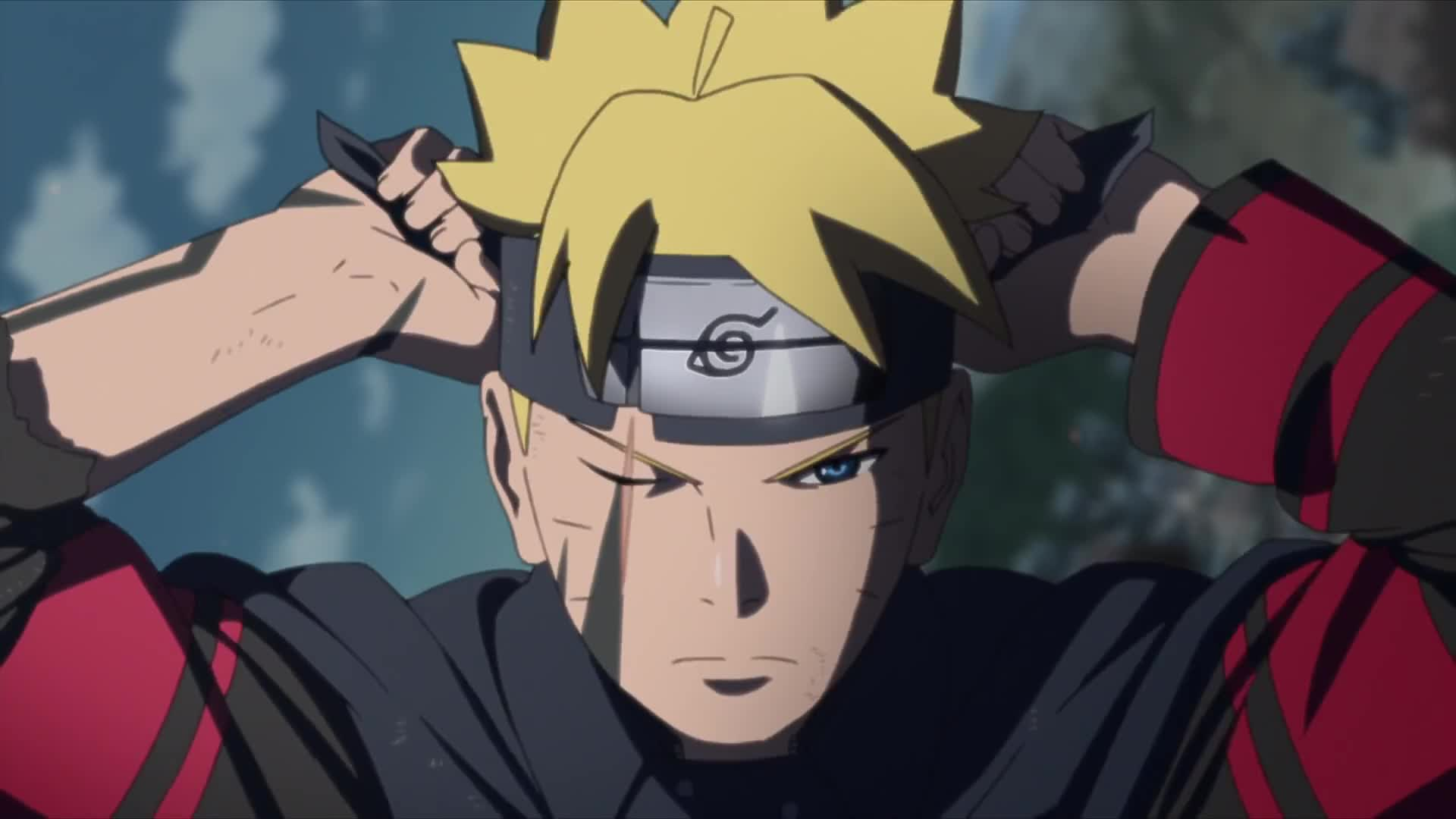
Yes. Two Blue Vortex is part of the officially published Boruto manga line. VIZ continues to market and sell its volumes alongside Naruto Next Generations, while the Naruto official website carries news about its upcoming chapters. In fact, the official site promoted chapter 38 of Two Blue Vortex on October 14, 2026, only days after the new Kishimoto manga announcement. That is particularly strong evidence against claims that the sequel was suddenly discarded.
This does not mean every fan must enjoy the sequel. Some readers object to how Naruto and Sasuke are portrayed, the focus on the Otsutsuki or the shift toward Boruto and Kawaki. Those are reasonable subjects for criticism. Saying a story feels different from Naruto, however, is an opinion; saying the publisher has officially erased it is a factual claim requiring clear evidence.
Does Kishimoto's new Naruto manga replace Boruto?
Nothing announced so far confirms a replacement. The October 10 VIZ press release describes a new manga project among several Naruto franchise announcements, including a Naruto x Ninku anime and international initiatives. The official recap promises more details later. Until the title, setting and chronological placement are confirmed, no one can responsibly say whether the new story takes place before, during or after events already depicted.
A prequel, side story, flashback or untold adventure could exist alongside Boruto without conflict. Even a story focused on Naruto and Sasuke would not necessarily rewrite their later lives. A true reboot or alternate continuity would require evidence in the work itself or a clear editorial announcement. Neither has been established by the teaser alone.
Why the manga and anime canon debates are different
When fans ask whether Boruto is canon, they often mean two different things. One question concerns the manga's position as an official Naruto sequel. Another concerns the anime's many original episodes. The anime adapted manga arcs but also developed additional missions, academy stories and character material. These additions are sometimes called anime canon, while episodes closely following the manga are called manga canon.
Those labels are fan-friendly ways to navigate the series, not a simple official checklist that resolves every episode. An anime-original storyline can expand a character without being referenced in the manga. Equally, an event that appeared on television should not automatically be assumed to control future manga chapters. Viewers who only want the main manga narrative can prioritize adapted arcs, while others may enjoy the extra world-building.
The important point is that disputes over individual anime episodes do not make the entire Boruto manga unofficial. Keeping the two questions separate prevents a common misunderstanding: evidence that some television material is original is not evidence that the sequel manga has been disowned.
Why Kishimoto and Ikemoto's roles matter
Naruto became a global phenomenon under Kishimoto's distinctive storytelling and artwork. It is understandable that readers care deeply about how his characters are handled after the original ending. Ikemoto's approach has its own pacing, character designs and priorities, and comparisons are inevitable. But collaborative manga franchises routinely involve editors, artists, scriptwriters and changing production arrangements.
The official credits and interviews are the best starting point for discussing that process. They let readers identify who is responsible for a particular installment without inventing a hidden declaration about canon. When a viral post says Kishimoto has rejected Boruto, ask whether it links to an actual interview, what was said in context and whether the statement addresses story continuity at all.
What is confirmed as of October 16, 2026?
Four points can be stated confidently. Kishimoto's new Naruto manga was teased at New York Comic Con. The official Naruto website and VIZ have not announced that it replaces Boruto. Two Blue Vortex continues to receive official chapter promotion. And the franchise's published credits show that Boruto's creative responsibilities differ from the original Naruto manga. Everything beyond that, including theories about a reboot or an alternate timeline, should be labeled speculation.
There is a useful distinction between confirmed news and an exciting possibility. The new Kishimoto project is real and deserves attention. Its continuity implications are unknown. The Boruto manga is also real and remains part of the publisher's active Naruto offering. A careful headline should reflect both facts rather than declaring that one has destroyed the other.
Should new fans still read Boruto?
For the central manga storyline, Naruto followed by Boruto: Naruto Next Generations and then Boruto: Two Blue Vortex remains the straightforward reading path. Readers curious about how Naruto's family and the next generation develop will find the relevant material there. Anime viewers can decide whether to watch additional original arcs based on their interest in the supporting cast and setting.
Those who prefer the original series can simply treat its ending as their personal stopping point. That is a valid viewing preference, but it should not be confused with an official publishing decision. As new details emerge about Kishimoto's manga, the most useful question will be where that specific story fits, not whether an unverified rumor can override current publisher information.
The bottom line
Boruto has not been officially declared non-canon. The October 2026 Kishimoto manga reveal renewed attention to a longstanding debate, but the official sources do not announce a cancellation, replacement or continuity reset. For now, treat claims that Boruto has been erased as rumors, follow the official Naruto website and VIZ for new details, and keep authorship discussions separate from claims about what counts in the story.
Frequently asked questions
Did Kishimoto remove Boruto from canon?
No official announcement reviewed here says that he did. His comments about Ikemoto concern creative responsibilities, not a confirmed continuity reset.
Is Boruto: Two Blue Vortex still ongoing?
The official Naruto website promoted its upcoming chapter 38 on October 14, 2026, indicating continued official publication.
Is the new Naruto manga a reboot?
No reboot has been confirmed. The project was teased, with further details expected later.
Is every Boruto anime episode manga canon?
No. The anime includes original material beyond the manga, and individual arcs should be considered separately.
Who creates the Boruto manga?
Mikio Ikemoto leads the story and artwork, while the series' historical publication credits also acknowledge Kishimoto and Ukyo Kodachi.
Frequently asked questions
Frequently asked questions
Did Kishimoto remove Boruto from canon?
No official announcement says so.
Is Two Blue Vortex ongoing?
Yes, official chapter promotion continued in October 2026.
Is the new Naruto manga a reboot?
No reboot has been confirmed.
Are all Boruto anime episodes manga canon?
No, the anime includes original stories.
Who creates Boruto?
Mikio Ikemoto leads the manga's story and art.