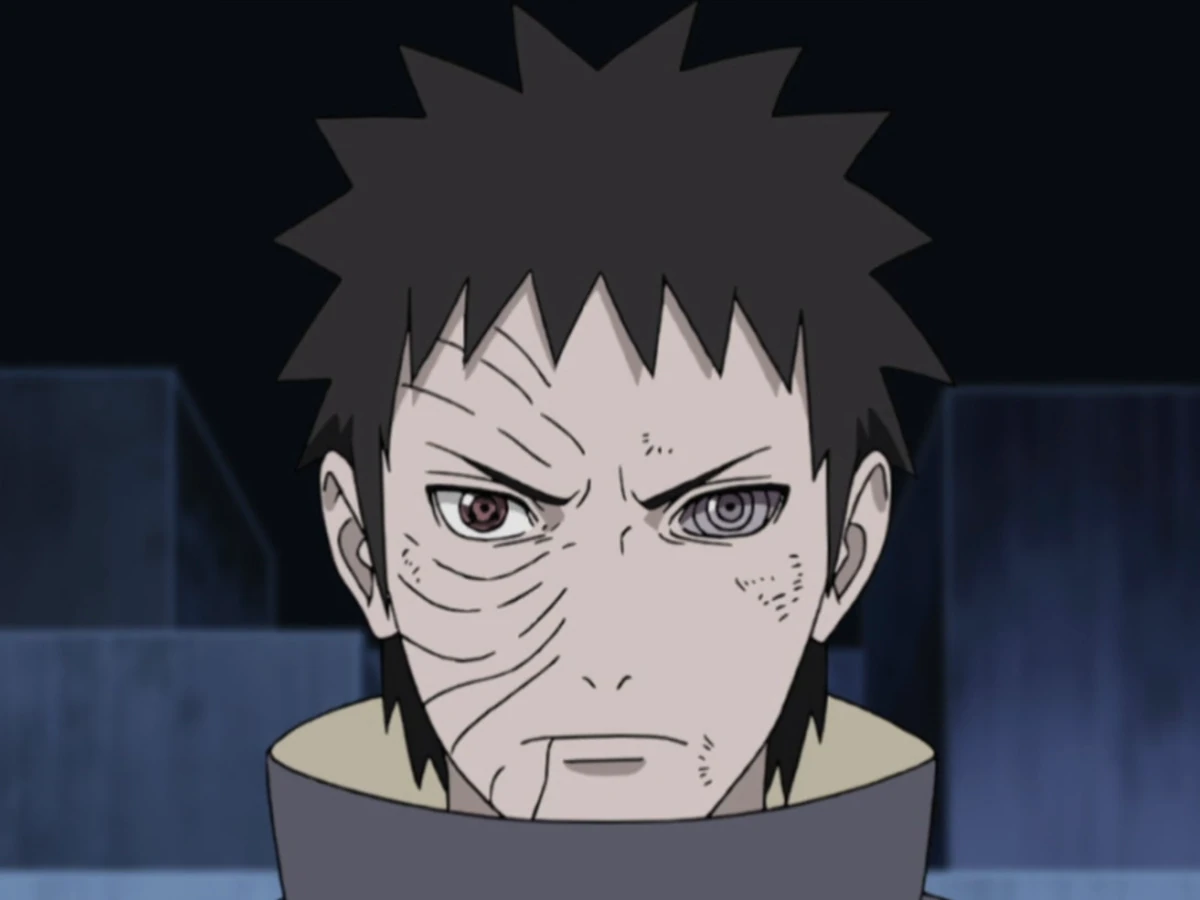
Obito Uchiha did not begin Naruto as a villain. He was an impulsive young ninja who wanted to become Hokage, protect his teammates and earn Rin Nohara's affection. Years later, the same boy appeared behind a mask, manipulated major conflicts and helped ignite the Fourth Great Ninja War. The transformation is one of the series' most tragic stories, but the explanation is more complicated than saying he turned evil because a girl died.
The short answer is that Obito saw Rin die, lost faith in the shinobi world and accepted Madara Uchiha's promise of an illusion where nobody he loved would have to suffer. Madara deliberately engineered the circumstances that broke him. Obito was manipulated, yet he also made devastating choices of his own. This guide separates the events the story confirms from the excuses characters make for them. Major Naruto Shippuden spoilers follow.
Who was Obito before he became the masked man?
Obito was a member of Team Minato alongside Kakashi Hatake and Rin Nohara. He was emotional, frequently late and less accomplished than the prodigy Kakashi, but his defining trait was compassion. He valued rescuing comrades over blindly obeying orders. His dream of becoming Hokage was not a desire to dominate others; he wanted recognition and a chance to protect the people around him.
Rin's kindness mattered to him, and his rivalry with Kakashi often concealed insecurity. Their friendship gradually deepened during the Third Great Ninja War. The official Naruto retrospective traces this early idealism and shows why Obito's later actions are so disturbing: the adult villain was once a child who argued that abandoning a friend was worse than breaking a rule.
How did Obito survive the boulder at Kannabi Bridge?
During a mission to rescue Rin, Obito and Kakashi learned to cooperate. Kakashi lost his left eye, and Obito awakened his Sharingan while fighting to save his team. Then a collapsing rock formation crushed much of Obito's body as he pushed Kakashi out of danger. Believing he was dying, he gave Kakashi his left Sharingan and asked him to protect Rin.
Obito did survive, but not through a miraculous recovery on his own. An elderly Madara Uchiha rescued him and repaired his damaged body using tissue derived from Hashirama's cells. Hidden away and physically recovering, Obito initially wanted only to return to his friends. Madara saw an opportunity to turn that loyalty into a tool for his own plan. At this point, Obito had not yet accepted Madara's worldview.
What happened to Rin, and did Kakashi kill her?
When Obito finally rushed to help Rin and Kakashi, he arrived in time to see Kakashi's Lightning Blade pierce Rin's chest. The sight destroyed his hope of returning to the life he remembered. Obito and Kakashi's Mangekyo Sharingan awakened amid the trauma. However, the scene is misleading if reduced to Kakashi deliberately murdering a teammate.
Rin had been made the host of the Three-Tails as part of a plot that threatened the Hidden Leaf. Rather than allow herself to become a weapon against her village, she deliberately moved into Kakashi's attack. Kakashi was not trying to kill her. The official Kakashi biography confirms Rin's choice and the terrible burden it left him carrying. Obito, watching without that full context, experienced the moment as proof that the world betrayed everything he cherished.
How did Madara manipulate Obito?
Madara did not simply find a grieving boy and offer him comfort afterward. The story reveals that he orchestrated the incident that forced Kakashi and Rin into their fatal encounter. By controlling the circumstances, Madara ensured Obito would witness a catastrophe capable of shattering his faith in reality. The official Obito character retrospective explicitly identifies Madara as the architect of that tragedy.
Madara then supplied an explanation that transformed grief into a mission: the existing world was irreparably cruel, so a perfect dream world would be preferable. He taught Obito to reject his former identity and pursue Project Tsuki no Me, also called the Eye of the Moon Plan. The official Madara profile describes how Madara passed his name and ambitions to the younger Uchiha. This was manipulation rooted in real pain, not mind control that removed every choice.
What was Obito trying to achieve with the Infinite Tsukuyomi?
The plan sought to cast humanity into a vast illusion, the Infinite Tsukuyomi, in which people would experience idealized lives. Obito imagined a world where Rin still existed and the losses of war could be undone. He convinced himself that imposing a dream on everyone was more merciful than allowing anyone to live through suffering. His desire for peace became a justification for denying others the freedom to choose their lives.
That contradiction is essential. Obito once risked his life because individual comrades mattered more than rigid orders. As an adult, he was willing to sacrifice countless real people to create an artificial reality. He treated actual relationships as disposable while pursuing an imagined version of them. The official anime synopsis for World of Dreams connects Rin's death directly to his decision to follow Madara's plan.
Why did Obito call himself Madara and become Tobi?
After abandoning his old identity, Obito operated under disguises, including the playful persona Tobi and the intimidating name Madara Uchiha. Claiming to be the legendary Madara gave him influence and concealed the truth that Kakashi's supposedly dead teammate was still alive. His mask also reflected his determination to erase the vulnerable boy who had once wanted to be Hokage.
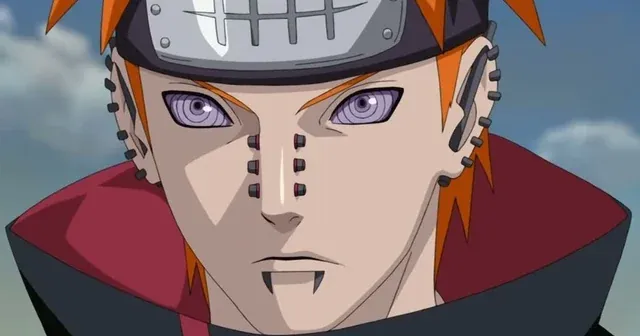
He influenced the Akatsuki's direction, pursued the tailed beasts and escalated a conflict that ultimately engulfed the shinobi nations. His actions intersected with the organization responsible for the Pain invasion of Konoha. He also helped Itachi during the Uchiha clan massacre, demonstrating that his transformation had consequences long before the final war. These choices were not spontaneous outbursts of grief; they were sustained campaigns involving deception and violence.
Did Obito start the Fourth Great Ninja War?
Yes, Obito played a central role in bringing about the war, although he was not its only architect. His demand for the remaining tailed beasts and commitment to the Eye of the Moon Plan put him against the Five Kage and the allied villages. Madara's long-running scheme and Kabuto's involvement also shaped the conflict. Saying Obito acted entirely alone would ignore those alliances, but saying he was merely Madara's helpless puppet would ignore his leadership.
The Naruto anniversary war recap covers the masked man's unmasking and his history with Madara. The VIZ synopsis for Volume 64 also places the reveal of Obito's identity amid the threat of the Ten-Tails. Later, Obito became the Ten-Tails' jinchuriki himself, bringing his plan terrifyingly close to success. His pursuit of a world without pain had produced one of the greatest sources of pain in the series.
Was Obito evil only because he loved Rin?
No. Rin's death was the immediate breaking point, but it was not the whole reason. Obito was traumatized by war, deceived by Madara, convinced that the shinobi system would always destroy the innocent and increasingly unwilling to accept a world that could not restore what he lost. His attachment to Rin symbolized the kind of world he wanted to preserve, while Madara turned that longing into an ideology.
Reducing the character to a man who started a war over a crush overlooks his beliefs and the years he spent acting on them. It also risks excusing atrocities as inevitable consequences of heartbreak. Naruto's story is interested in how grief can become hatred when people isolate themselves from everyone who might challenge their conclusions. Obito's suffering explains his vulnerability; it does not justify his decisions.
How did Naruto change Obito's mind?
Naruto confronted Obito not only with greater power but with an uncomfortable resemblance to his younger self. Both had dreamed of becoming Hokage, experienced loneliness and valued their comrades. The difference was that Naruto kept choosing real bonds, including painful and imperfect ones, rather than escaping into a manufactured world. Their conflict forced Obito to remember the person he had tried to erase.
The Allied Shinobi Forces ultimately pulled the tailed beasts from Obito, and his certainty began to collapse. He recognized that the ideals he once held still mattered and eventually helped Naruto and Kakashi against Madara and Kaguya. The official finale retrospective follows his last acts, including protecting Kakashi and passing his dream of becoming Hokage to Naruto. His change of heart was meaningful precisely because it came after choices he could not undo.
Was Obito redeemed, or was he still a villain?
Both descriptions capture different parts of his story. Obito was responsible for terrible violence, manipulation and suffering. His eventual willingness to help others and sacrifice himself shows that he could recover some of the compassion he once possessed. But a final heroic act does not erase the people harmed by the war or restore the lives lost along the way.
That moral tension is why Obito works as a tragic antagonist. He resembles other Naruto characters who discover that revenge and secrecy can corrupt even protective intentions. Our analysis of Sasuke's betrayal of Konoha explores another response to inherited grief, though Sasuke's decisions and circumstances were different. Obito's ending offers recognition and atonement, not a claim that every action before it was acceptable.
Where to watch or read Obito's backstory
For the manga, begin with Kakashi's childhood story in Volume 27, then read the revelations around Volume 63 and the conflict that follows in Volumes 64 through 71. The official Obito retrospective cites chapters 599 through 607 for his survival, Rin's death and the turn toward Madara's plan. The VIZ Volume 67 listing covers his transformation into the Ten-Tails' jinchuriki.
For the anime, the masked man's identity and Obito's past are revisited in Naruto Shippuden episodes commonly listed on streaming platforms as 343 through 346. The official Naruto site uses a different combined episode count, including 564 for Obito and Madara and 566 for World of Dreams. Episode titles are safer than numbers when comparing regional catalogs. Streaming availability varies by country.
The real reason Obito became a villain
Obito turned against the world because Rin's death shattered his trust, Madara deliberately exploited that trauma and the promise of a painless dream made his cruelty seem purposeful to him. None of those factors acted alone. The boy who believed in saving friends chose a plan that would imprison everyone in an illusion. His final decision to protect real people instead of chasing that illusion is what completes his story, without wiping away its cost.
Frequently asked questions
Frequently asked questions
Why did Obito become evil?
Rin's death devastated him, and Madara manipulated the circumstances and convinced him to pursue an illusionary world where nobody would suffer. Obito then chose to support that plan through violence.
Did Kakashi intentionally kill Rin?
No. Rin deliberately moved into Kakashi's Lightning Blade after being made the Three-Tails' host, seeking to prevent her village from being endangered.
Did Madara plan Rin's death?
Yes. Naruto's official retrospective confirms Madara orchestrated the incident that drove Obito toward despair and the Eye of the Moon Plan.
Was Tobi really Obito Uchiha?
Yes. Obito used the identity Tobi and impersonated Madara while pursuing the tailed beasts and Project Tsuki no Me.
Does Obito become good again?
Obito eventually rejects Madara's plan and helps Naruto and Kakashi. His sacrifice represents remorse and a return to his old ideals, not an erasure of his crimes.