Every long-running shonen anime has that one arc where stakes escalate beyond anything seen before. For Naruto Shippuden, that arc was Pain's Assault on Konoha—a brutal, emotionally devastating story that pushed the series into genuinely dark territory. The Hidden Leaf Village reduced to rubble. Kakashi dead. Hinata beaten within an inch of her life. Naruto losing control and nearly unleashing the Nine-Tails' full power.
This wasn't typical shonen battle arc where heroes triumph through determination and friendship speeches. Pain's Invasion showed the true cost of war, forced characters to confront moral complexity, and delivered consequences that felt permanent—at least until the controversial ending. It remains Naruto's darkest moment, showcasing destruction, loss, and psychological trauma on a scale the series had never attempted before.
The Pain Invasion Arc (episodes 152-175/chapters 413-453) is considered Naruto's darkest arc because it features the complete destruction of Konoha village, multiple major character deaths including Kakashi, Hinata's near-fatal sacrifice, and Naruto's terrifying Nine-Tails rampage that nearly destroyed everything. Unlike typical shonen arcs, Pain's Assault showed graphic violence, genuine consequences, and forced Naruto to confront complex questions about revenge, peace, and the cycle of hatred—making it Naruto Shippuden's most emotionally brutal storyline.
The Setup: Jiraiya's Death Sets the Tone
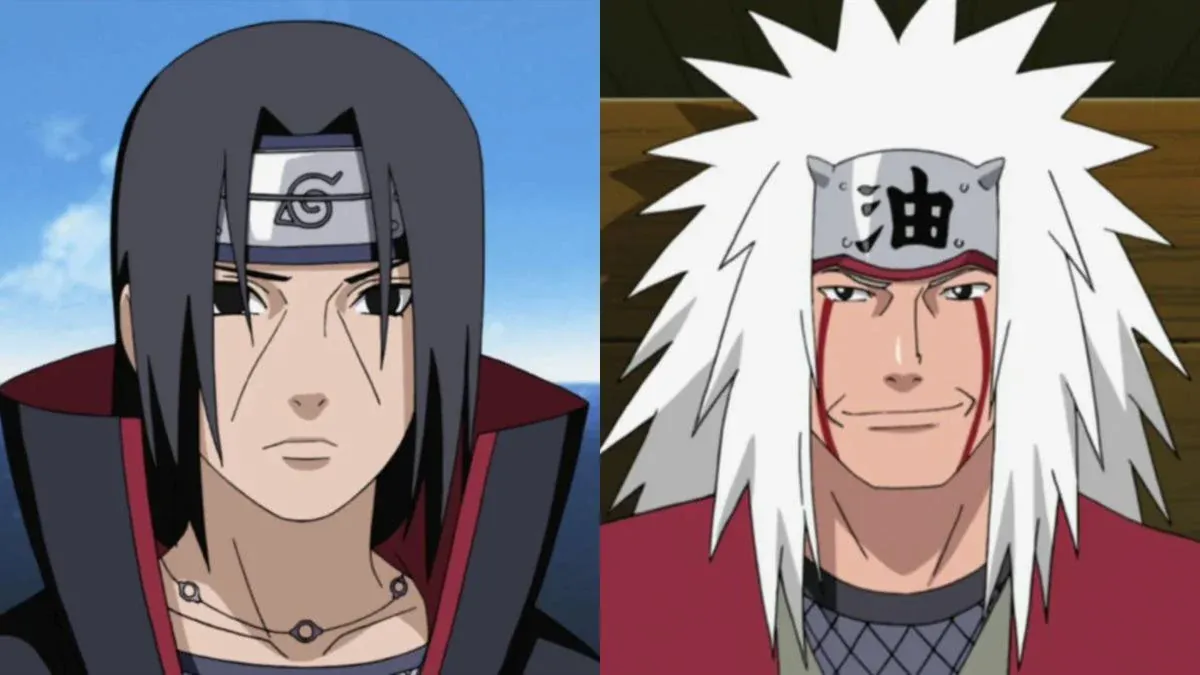
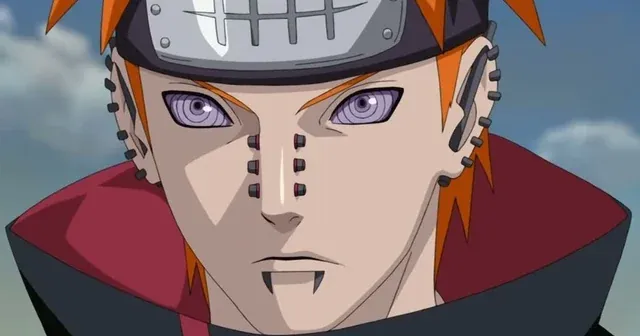
The darkness begins with Jiraiya infiltrating Hidden Rain Village to investigate Akatsuki's leader. He discovers Nagato—his former student—controlling six bodies through the Rinnegan. The fight is one-sided. Despite Sage Mode abilities, Jiraiya is overwhelmed. He dies alone, drowning in the rain while writing a coded message in his own blood.
This isn't dramatic sacrifice with heroic music. It's ugly and final. Jiraiya dies with his book unfinished, legacy uncertain. Similar to how Monster creates psychological horror, this death signals narrative safety rails have been removed.
Pain's motivation adds moral complexity. Nagato genuinely believes creating ultimate weapon using all Tailed Beasts will force humanity to understand pain, ending warfare through mutually assured destruction—nuclear peace through fear.
"The World Shall Know Pain": Konoha's Destruction
Pain's Six Paths rampage through Konoha. Kakashi fights the Deva Path, using everything to buy time for Choji to escape with crucial information. Kakashi succeeds—then gets killed using his last chakra to protect Choji. His death scene shows him reuniting with his father Sakumo in vision. It's beautiful and heartbreaking.
Then Pain ascends above the village. "The world shall know pain. Shinra Tensei." The Almighty Push obliterates everything. Buildings crumble. The landscape becomes a crater. An entire village—homes, centuries of history—gone in one attack. This level of destruction was unprecedented for Naruto.
Naruto's Heroic Return and Sage Mode Debut
Naruto arrives via reverse summoning wearing the Sage Mode cloak with massive scroll. Learning Kakashi is dead changes everything. He tells everyone to stay back because protecting them while fighting would be impossible—showing maturity.
The fight showcases Sage Mode beautifully. Naruto systematically defeats five of Pain's six bodies using strategy and natural energy. When he defeats the Asura Path in one blow, it feels earned. But victory feels hollow with Konoha in ruins and people dead.
Hinata's Confession and Naruto's Nine-Tails Rampage
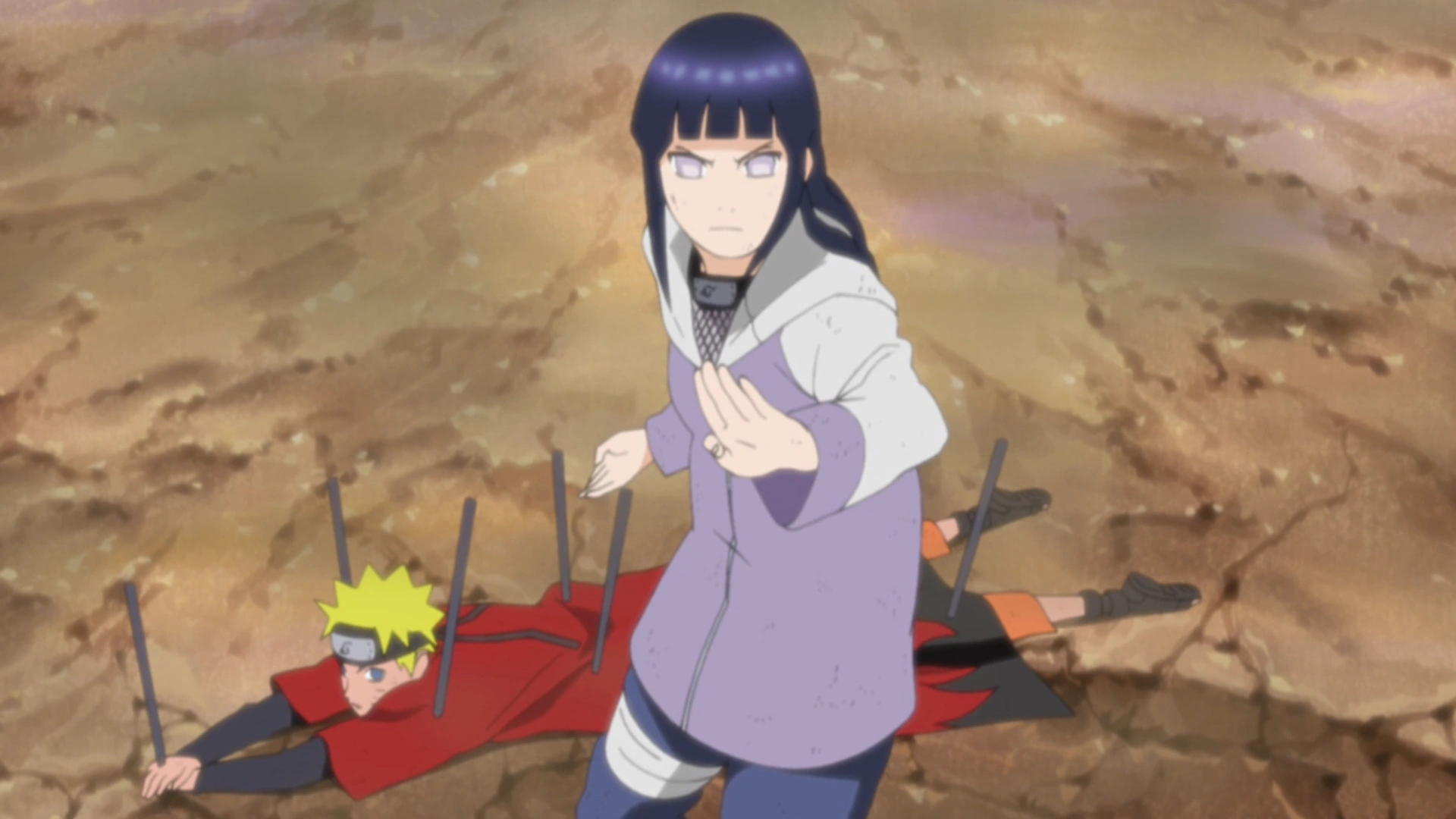
With Naruto pinned by chakra rods, Hinata intervenes despite knowing she can't win. Her confession—"I love you, Naruto"—comes while Pain brutally beats her. Hinata collapses seemingly dead.
The Nine-Tails' chakra explosion is terrifying. Naruto enters Six-Tails form, then Eight-Tails, becoming an incomplete Nine-Tails barely resembling human. This rampage feels dangerous to everything. Minato's spirit intervenes, reinforcing the seal. Without him, Naruto would have died becoming what he feared—an uncontrollable monster.
This shares thematic DNA with Chainsaw Man, where protagonist strength comes with loss of humanity.
The Confrontation with Nagato: Talk-no-Jutsu at Its Best
After defeating all six bodies, Naruto finds the real Pain—an emaciated man sustained by chakra and hatred. Naruto could kill him. Should kill him. But he hesitates and asks why.
Nagato explains his tragic past—watching parents die, seeing Yahiko killed, becoming convinced peace required forcing humanity to understand suffering. Naruto recognizes the cycle: killing Pain continues endless hatred. He chooses to believe in Jiraiya's dream, sparing Nagato.
Moved by this choice, Nagato uses Samsara of Heavenly Life Technique, resurrecting everyone killed during invasion while sacrificing his life. Deaths reverse. Ultimate consequence is undone.
Pain vs Other Naruto Villains: What Makes This Arc Different
Pain stands apart from other Naruto antagonists through philosophical depth and genuine threat level. Zabuza was sympathetic but ultimately small-scale. Orochimaru was creepy but scattered in goals. Itachi turned out to be a secret good guy.
Pain vs Sasuke: Revenge with Consequences
Both Pain and Sasuke seek revenge for wrongs committed against them. Sasuke's revenge arc feels more personal—targeting individuals directly responsible for his clan's massacre. Pain's revenge encompasses entire village systems, making him more nihilistic.
But where Sasuke's arc eventually becomes about his internal struggle and redemption, Pain's arc examines whether revenge itself can ever be justified. The destruction of Konoha forces viewers to confront whether collective punishment for systemic wrongs makes sense—or if it's just more violence.
Pain vs Madara: Ideological vs Power-Hungry
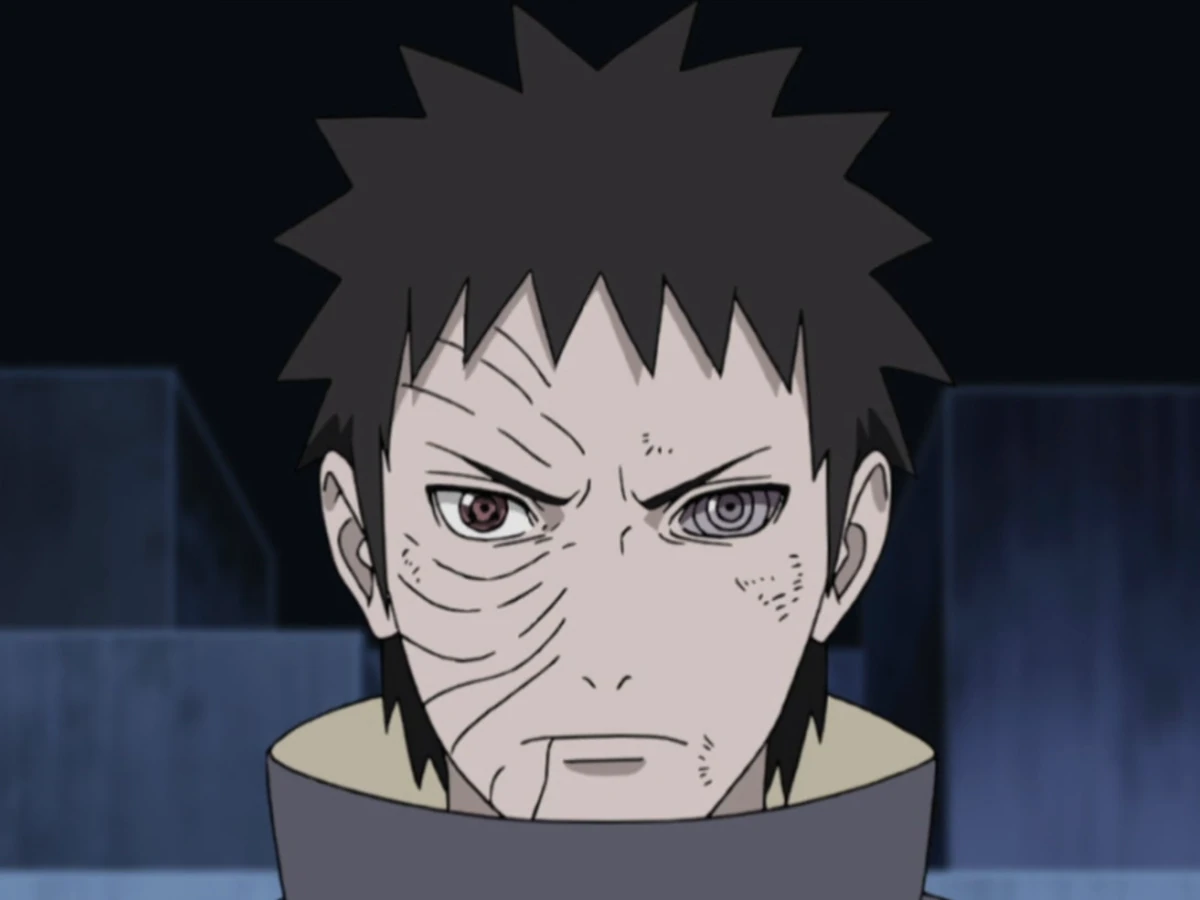
Madara Uchiha, revealed as true mastermind behind Akatsuki, shares Pain's goal of world peace through force. But Madara's Infinite Tsukuyomi plan is explicitly about control—trapping humanity in illusion rather than forcing understanding through pain.
Pain genuinely believes his brutal methods serve greater good. His plan's logic (however twisted) comes from genuine suffering. Madara's plan stems from arrogance—belief that he knows better than everyone and they should be grateful for eternal dreams.
This distinction makes Pain more compelling. He's not megalomaniacal villain—he's broken idealist who couldn't find better answer than creating bigger stick to threaten humanity into submission.
The Controversial Ending: Revival Undermining Stakes?
The mass revival remains contentious years later. Arguments against it are strong: undoing all deaths robs the arc of permanent consequences, reduces Nagato's threat, and makes future death scenes less impactful because resurrection jutsu apparently exists.
Defenders argue the revival serves thematic purpose. Nagato choosing to resurrect victims proves Naruto's philosophy worked—breaking the revenge cycle convinced the villain to undo his sins. It's not about erasing consequences but about redemption being possible even after horrific acts.
The problem is execution. The revival happens so quickly there's barely time to process loss before it's reversed. Imagine if the series had ended Pain arc with dead staying dead—Kakashi gone, massive casualties, Konoha in ruins. The war arc that follows would have drastically different stakes with weakened village and fewer experienced ninja.
Perhaps Kishimoto felt permanent consequences would make the series too dark or limit future storytelling options. But the revival undermined what made the arc special—the sense that actions mattered and consequences were real.
This narrative choice parallels issues in Tokyo Revengers, where time travel mechanisms can undermine emotional stakes if overused. The difference is pain's revival happens once as climactic choice, not repeatedly erasing consequences.
Why This Arc Still Matters in Naruto's Legacy
Pain's Invasion represents Naruto Shippuden's peak for many fans, balancing action with emotional weight, philosophy with combat, and power-ups with meaningful growth.
The arc asks difficult questions: Can violence bring peace? Is collective punishment justified? When does justice become revenge? Naruto's victory isn't defeating powerful enemy—it's choosing mercy over vengeance. That choice defines who he becomes as Hokage.
Like how Sasuke's betrayal stems from complex motivations, Pain's actions come from understandable place even when indefensible. This moral complexity makes Naruto's choice dramatically satisfying.
The Moment Naruto Became the Hero
When Naruto returns carrying unconscious Kakashi, nearly collapsing from exhaustion, the entire village waits. They chant his name. Celebrate him. Thank him.
This culminates Naruto's entire character arc. The outcast everyone feared became the hero who saved them all—not through Nine-Tails' power, but through choosing peace over revenge. After hundreds of episodes of rejection, he's finally acknowledged. This hits harder than any fight because it's been earned.
Why It's Still Naruto's Darkest Arc
Several later arcs feature darker individual moments, but none match Pain's Invasion for sustained darkness and emotional devastation. The arc dedicates dozens of episodes to destruction, death, suffering, and moral complexity without pulling punches.
Most importantly, darkness serves thematic purpose rather than shock value. Every brutal moment reinforces questions about cycle of hatred and whether revenge can be justified. Like 86 Eighty-Six's examination of war, Pain's assault uses darkness to explore meaningful themes about conflict.
The controversial revival doesn't fully erase this darkness—it provides hope that redemption remains possible even after atrocity. When Naruto spares Nagato despite everything, it proves that even in darkest moments, choosing hope over hatred remains possible.
Want more dark anime analysis? Check out why Eren started the Rumbling or explore best anime like Vinland Saga for series examining war and moral complexity.
Frequently asked questions
Frequently asked questions
Why Did Pain Destroy Konoha?
To force the world to understand suffering and break the cycle of hatred through fear.
Did Kakashi Really Die in the Pain Arc?
Yes, but he was later revived by Nagato’s Samsara of Heavenly Life Technique.
Why Is the Pain Arc So Popular?
Because it combines large-scale destruction, emotional character moments, philosophical conflict, and Naruto’s most powerful transformation.