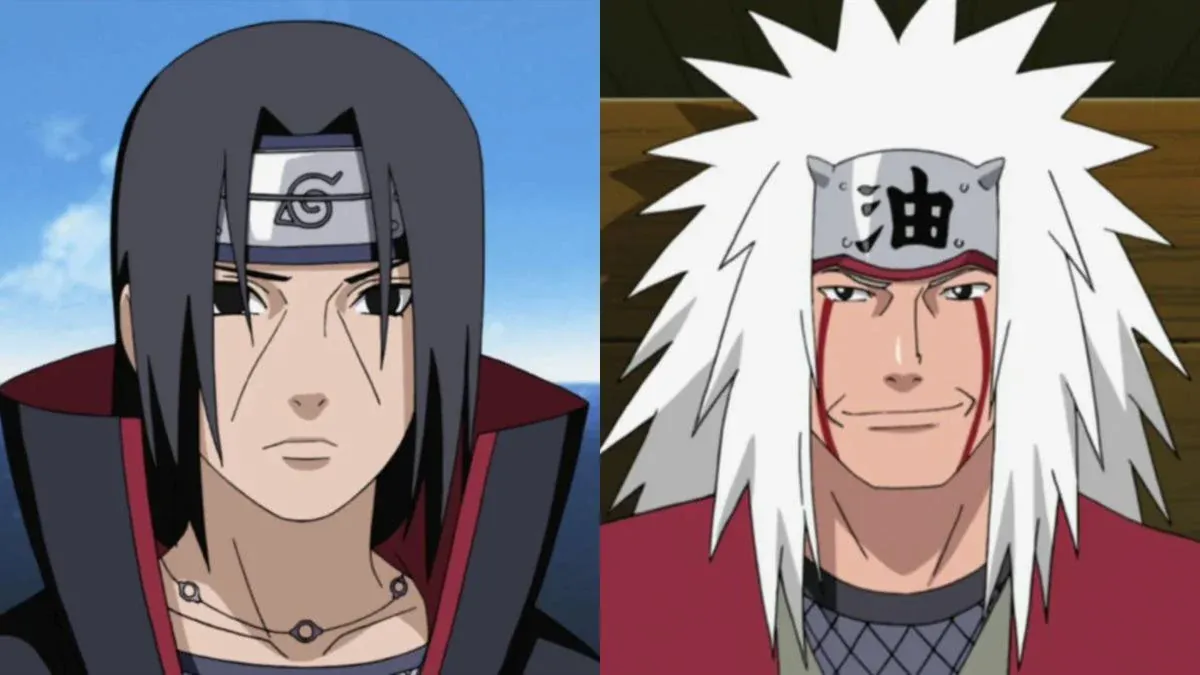

Itachi Uchiha held the edge in a direct confrontation due to his Mangekyo Sharingan abilities—particularly Tsukuyomi, Amaterasu, and Susanoo—which provided overwhelming offensive and defensive options. However, Jiraiya's Sage Mode, vast combat experience, and massive chakra reserves made this matchup far closer than many fans acknowledge. The fight's outcome hinged on whether Jiraiya could activate Sage Mode before Itachi incapacitated him with genjutsu.
Understanding the Canon Context
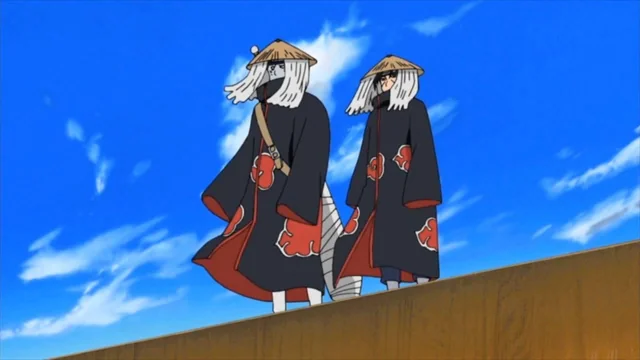
When Itachi and Kisame infiltrated Konoha in Part I, they deliberately avoided confronting Jiraiya. Itachi explicitly told Kisame they would "both die" if they fought the Sannin. This statement fuels the debate, but context matters—Itachi was operating covertly, suffering from his terminal illness, and couldn't risk exposure.
This wasn't fear. It was tactical intelligence. Itachi recognized that even a victory would compromise his hidden agenda of protecting Konoha and Sasuke. Still, the statement proves Jiraiya posed a legitimate threat to two Akatsuki members simultaneously.
Itachi’s decisions were never just about power. Much like Sasuke’s choice to abandon the Leaf Village, they were shaped by secrecy, trauma, and calculated sacrifice. If you want to understand how deeply Itachi’s actions influenced Sasuke’s path, read Why Did Sasuke Leave Konoha? The Real Reasons Behind His Departure From the Leaf Village.
Itachi's Overwhelming Arsenal
Genjutsu Dominance
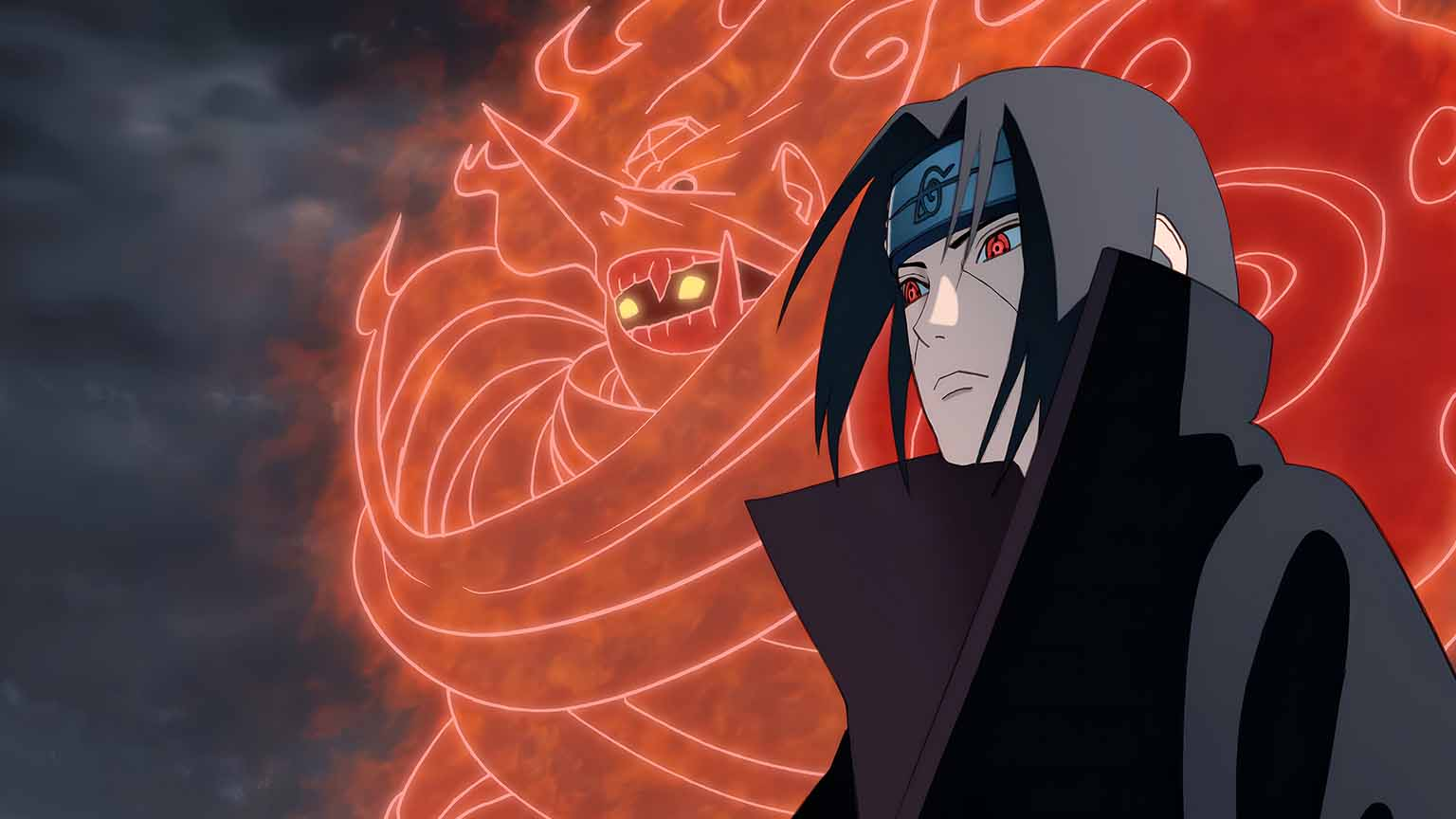
Tsukuyomi remains one of Naruto's most broken abilities. A single glance traps opponents in an illusory world where Itachi controls time itself. Victims experience days of psychological torture in milliseconds. Even skilled shinobi like Kakashi were completely disabled by it.
Jiraiya had no direct counter to this level of genjutsu. While Sage Mode enhances sensory perception, it doesn't grant automatic immunity to ocular jutsu. Itachi's strategic mind meant he'd exploit this opening before Jiraiya could complete the lengthy preparations for Sage Mode.
The Susanoo Advantage
Itachi's Susanoo wasn't just defense—it was an instant win condition. The Yata Mirror reflects all attacks regardless of nature, while the Totsuka Blade seals whatever it pierces into an eternal genjutsu. These ethereal weapons created scenarios where Jiraiya's most powerful techniques—Sage Art: Massive Rasengan, Toad Oil Flame Bullet—became irrelevant.
Physical attacks couldn't penetrate the Yata Mirror. Ninjutsu couldn't bypass it either. The Totsuka Blade didn't require contact—just proximity. This combination gave Itachi both invulnerability and a guaranteed sealing method.
Battle Intelligence
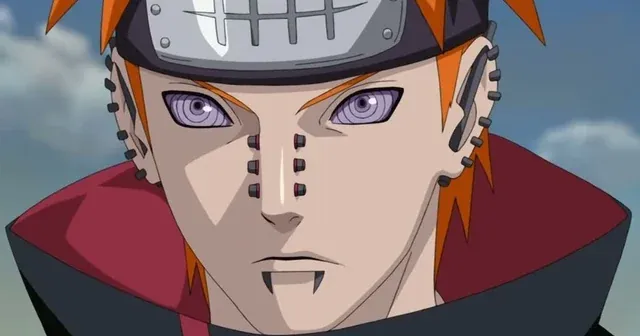
Itachi's analytical skills were exceptional even by Uchiha standards. He countered Nagato's Chibaku Tensei—a planetary devastation technique—through quick thinking and minimal effort. Against Kabuto, he adapted to Izanami's conditions mid-battle. This pattern recognition and strategic adaptation consistently outpaced opponents with superior raw power.
Can Jiraiya Beat Itachi in Sage Mode?
The Sage Mode Factor
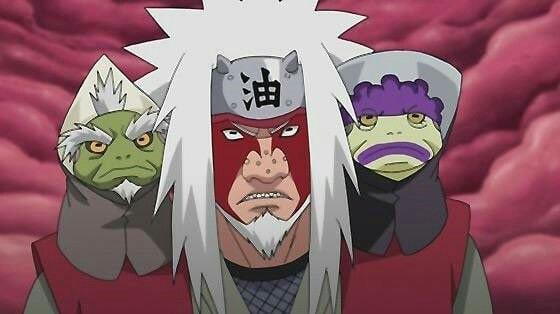
Sage Mode fundamentally changed Jiraiya's capabilities. His physical strength increased exponentially, his sensory abilities extended far beyond normal limits, and he gained access to devastating senjutsu techniques. The frog kata fighting style used natural energy to damage opponents even without direct contact.
Crucially, Sage Mode users can sense and react to threats with their eyes closed. This theoretically negates the Sharingan's genjutsu advantage, since eye contact becomes unnecessary for combat. Jiraiya demonstrated this against Pain, fighting effectively even when blinded.
Experience and Stamina
Jiraiya survived the Second and Third Great Ninja Wars. He fought countless S-rank threats, mastered multiple summoning contracts, and developed intelligence networks across nations. This veteran experience meant he'd faced diverse combat scenarios Itachi never encountered.
His chakra reserves dwarfed Itachi's. Where Itachi's Mangekyo Sharingan drained him rapidly—often leaving him exhausted after using Susanoo—Jiraiya could maintain prolonged battles. Against Pain's Six Paths, he gathered intelligence and adapted strategies across multiple phases before being overwhelmed by numbers.
The Gamabunta Factor
Ma and Pa, the Two Great Sage Toads, provided support that multiplied Jiraiya's effectiveness. Their sensory abilities covered his blind spots, their combination techniques amplified his attacks, and their presence meant Itachi faced multiple high-level combatants simultaneously.
Gamabunta added another dimension—a massive summon capable of pressuring even tailed beasts. While Itachi could counter with his own summons or Amaterasu, it forced him to divide his attention and expend chakra managing multiple threats.
Why Did Itachi Avoid Fighting Jiraiya?
The retreat wasn't about raw power—it was about risk calculation. Itachi operated under severe constraints that don't exist in hypothetical battles:
His illness was progressing. Extended combat accelerated his deterioration. Using Mangekyo Sharingan techniques repeatedly would've left him vulnerable even in victory.
His mission required secrecy. Revealing his full capabilities to Konoha would've compromised years of undercover work. Jiraiya's intelligence network meant any information gathered during their fight would spread.
Collateral damage was unacceptable. Itachi couldn't destroy parts of Konoha or harm civilians while maintaining his cover. This restricted his tactical options severely.
Kisame's presence complicated things. Fighting alongside someone who didn't know his true allegiance meant Itachi couldn't hold back without raising suspicion.
Itachi vs Jiraiya Power Comparison
Speed and Reactions
Itachi consistently demonstrated elite-tier speed. He matched KCM Naruto's movements during the war, reacted to Kirin—a lightning-speed technique—and kept pace with Sage Mode Kabuto. His Sharingan predicted movements before they occurred.
Jiraiya's speed was respectable but not exceptional. He relied more on experience and battlefield awareness than raw velocity. In Sage Mode, his reactions improved dramatically, but they still lagged behind Sharingan-enhanced perception.
Offensive Power
Amaterasu provided Itachi with inextinguishable flames that could vaporize nearly anything. Combined with Susanoo's Totsuka Blade, he had multiple instant-kill options that required no extended setup.
Jiraiya's offense peaked with Sage Mode combinations—Massive Rasengan, Toad Oil Flame Bullet, and Needle Jizo. These techniques packed tremendous destructive force, but they required preparation time. Against an opponent who could seal him in one motion, this preparation became his greatest vulnerability.
Defensive Capabilities
Susanoo made Itachi nearly untouchable. The Yata Mirror's reflection ability meant even surprise attacks failed. His only weakness was chakra depletion from maintaining it.
Jiraiya had defensive techniques—Needle Jizo, summoning defensive toads—but nothing approaching Susanoo's absolute protection. He relied on evasion, durability, and healing support from Ma and Pa rather than impenetrable barriers.
The Realistic Battle Outcome
Scenario Analysis
If Jiraiya entered Sage Mode before engagement, the fight became competitive. His enhanced physicals could potentially pressure Itachi before Susanoo activated, and fighting with eyes closed negated basic Sharingan genjutsu.
However, Tsukuyomi didn't require prolonged eye contact—a single glance sufficed. Itachi's combat intelligence meant he'd create that opening through feints, distractions, or environmental manipulation. Once Tsukuyomi landed, the fight ended immediately.
If Itachi activated Susanoo early, Jiraiya lacked counters. The Totsuka Blade's sealing couldn't be blocked or evaded conventionally. Even Orochimaru—who'd prepared for years against Itachi—was sealed in one strike. Jiraiya had no reason to expect or defend against an ethereal sword that sealed souls.
The Stalemate Potential
Itachi's statement about mutual death suggests a specific scenario: prolonged combat where both fighters pushed their limits. Jiraiya's stamina advantage meant he could outlast Itachi's Mangekyo techniques. If Itachi exhausted himself without landing a decisive blow, Sage Mode Jiraiya could overwhelm him.
This required Jiraiya to survive the initial exchanges—avoiding Tsukuyomi, evading Amaterasu, and staying outside Totsuka Blade range. Possible, but increasingly unlikely as the fight progressed and Itachi analyzed his patterns.
Final Verdict
Itachi Uchiha possessed superior abilities that provided more paths to victory. His Mangekyo Sharingan techniques—especially Tsukuyomi and Susanoo—created scenarios where Jiraiya's considerable strengths became irrelevant. Battle intelligence, instant-win conditions, and defensive invulnerability gave Itachi the edge in most confrontations.
Yet Jiraiya was far from helpless. His Sage Mode, combat experience, and massive chakra reserves meant he could potentially outlast and overwhelm a fatigued Itachi. The matchup wasn't a stomp—it was a high-level confrontation where preparation, timing, and execution determined the outcome.
Itachi himself acknowledged the danger. That respect, more than any hypothetical analysis, reveals the truth: Jiraiya was one of the few shinobi who could've pushed Itachi to his absolute limits.
Frequently asked questions
Frequently asked questions
Was Jiraiya stronger than Itachi overall?
No. While Jiraiya exceeded Itachi in stamina, experience, and chakra reserves, Itachi's abilities provided superior win conditions. Strength isn't just power—it's the capacity to win fights.
Did Itachi respect Jiraiya as a shinobi?
Absolutely. Itachi's avoidance and acknowledgment of the danger demonstrated genuine respect. He understood Jiraiya represented a significant threat despite his own superior techniques.
Who would win: Prime Itachi or Prime Jiraiya?
Prime Itachi likely wins 7/10 times. His abilities fundamentally counter Jiraiya's strengths. The 3/10 scenarios favor Jiraiya occur when he survives long enough to exploit Itachi's stamina limitations.
Why do people think Itachi can easily beat Jiraiya?
Itachi's Mangekyo abilities create instant-win scenarios that overshadow conventional power scaling. Fans often overestimate these hax abilities while underestimating Jiraiya's tactical adaptability.
Could Sage Mode Jiraiya defeat Itachi?
Potentially, but unlikely. Sage Mode closed the gap significantly, but Itachi's Susanoo and Tsukuyomi remained threats Jiraiya couldn't reliably counter. Victory required perfect execution and favorable circumstances.