
Why Did Sasuke Betray Konoha? The Real Story Explained
Rushabh Bhosale
Why Did Sasuke Really Leave Konoha?
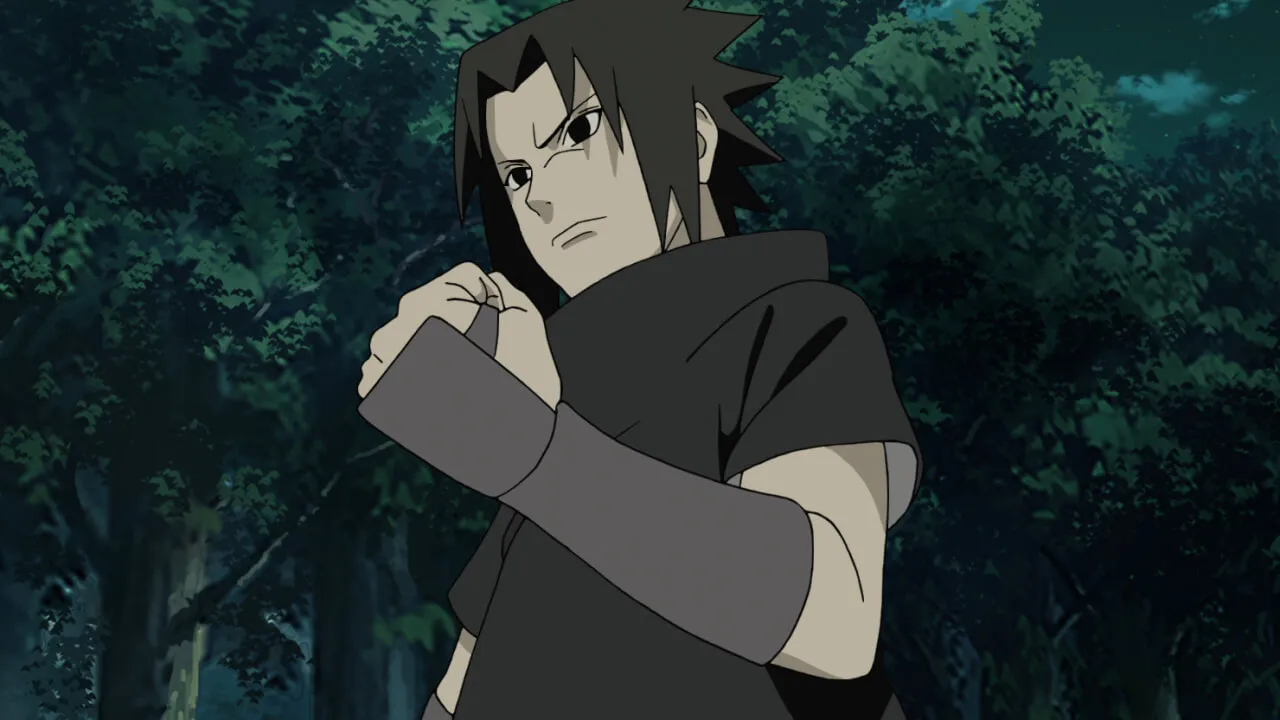
Sasuke Uchiha left Konoha to gain power from Orochimaru so he could kill his brother Itachi and avenge the Uchiha clan massacre. He felt Konoha's training was too slow, his bonds with Team 7 were holding him back, and Orochimaru's forbidden jutsu offered the fastest path to revenge. His departure in Episode 109 marked the series' biggest turning point.
Why Did Sasuke Leave the Leaf Village for Orochimaru?
The Uchiha Massacre: Sasuke's Primary Motivation for Leaving
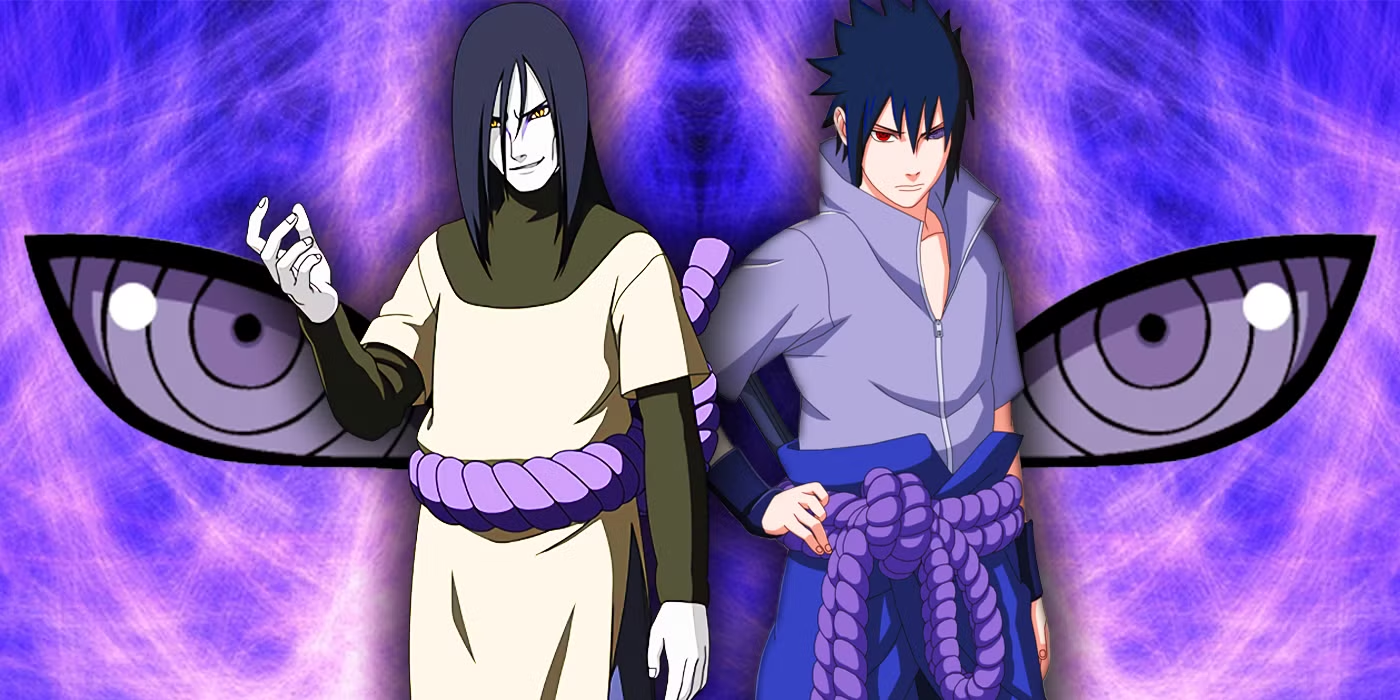
At the heart of Sasuke's departure was one traumatic night—witnessing Itachi slaughter the entire Uchiha clan. This massacre became Sasuke's sole purpose: gain enough power to kill Itachi and restore his clan's honor. Every decision he made filtered through this obsession.
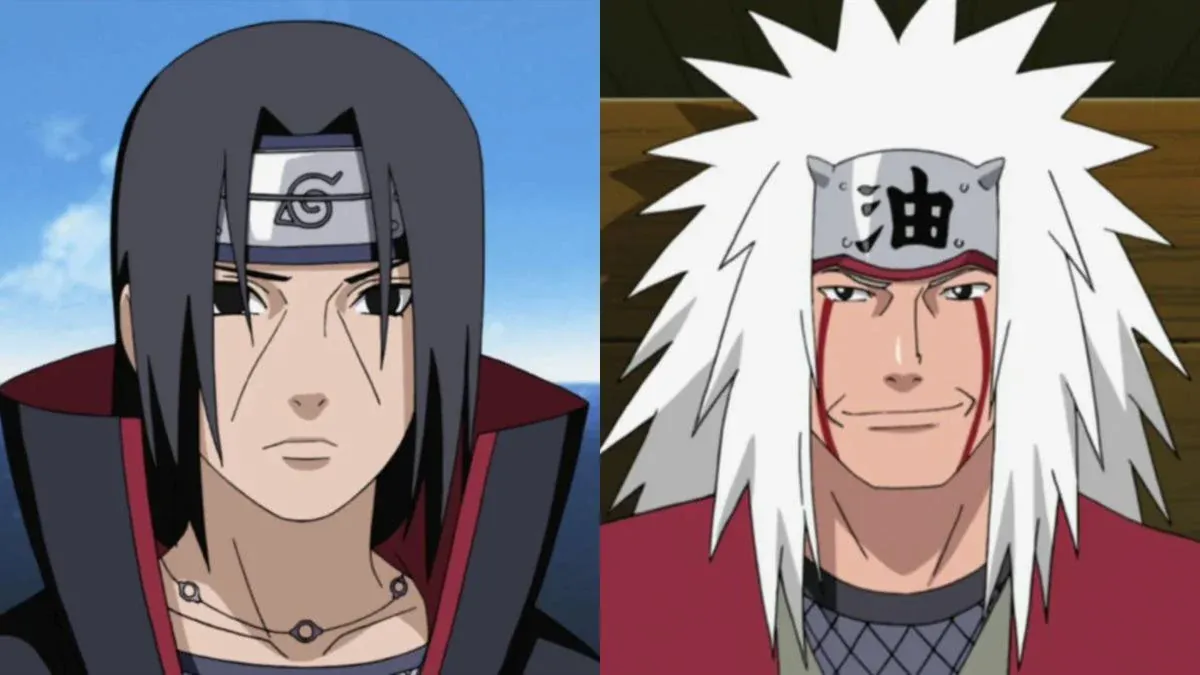
Itachi’s influence on Sasuke wasn’t limited to emotional trauma—it was also shaped by power and fear. Understanding just how dangerous Itachi truly was helps explain why Sasuke felt desperate enough to abandon Konoha altogether. We break this down in detail in Itachi vs Jiraiya Who Was Stronger in Naruto, where Itachi’s true combat ceiling becomes clear.
Itachi's final words to young Sasuke—"hate me more and get stronger"—created a destructive cycle. Sasuke believed his existence meant nothing without revenge, making him vulnerable to anyone promising quick power gains.
Why Sasuke Thought Konoha Training Wasn't Enough
Many fans wonder: "Why did Sasuke leave for power when Konoha had legendary shinobi like Kakashi, Jiraiya, and Tsunade?" The answer reveals Sasuke's psychological state:
Naruto's rapid growth threatened Sasuke's identity as the prodigy. When Naruto began matching his abilities, particularly after learning Rasengan, Sasuke's inferiority complex intensified dramatically.
Kakashi's divided attention meant Sasuke wasn't receiving exclusive training. Orochimaru offered personalized instruction focused solely on making Sasuke stronger through forbidden techniques.
The Cursed Seal's temptation gave Sasuke a taste of exponential power. After Orochimaru marked him during the Chunin Exams, Sasuke experienced strength that normal training couldn't match quickly.
Impatience with traditional methods stemmed from his second encounter with Itachi. The power gap seemed insurmountable through conventional means, creating desperate urgency.
What Episode Does Sasuke Leave Konoha? The Sound Four's Role
Sasuke leaves the Leaf Village in Episode 109 of Naruto (Chapter 181 in the manga), triggered by the Sound Four's arrival. They exploited his insecurities perfectly:
- Demonstrated the Cursed Seal's second stage transformation
- Emphasized how far behind Naruto he'd fallen
- Offered immediate access to Orochimaru's forbidden jutsu
- Promised power sufficient to defeat Itachi
Their psychological manipulation worked because Sasuke already doubted Konoha's ability to make him strong enough fast enough.
Why Did Sasuke Break His Bonds With Team 7 and Sakura?
The Valley of the End: Choosing Power Over Friendship
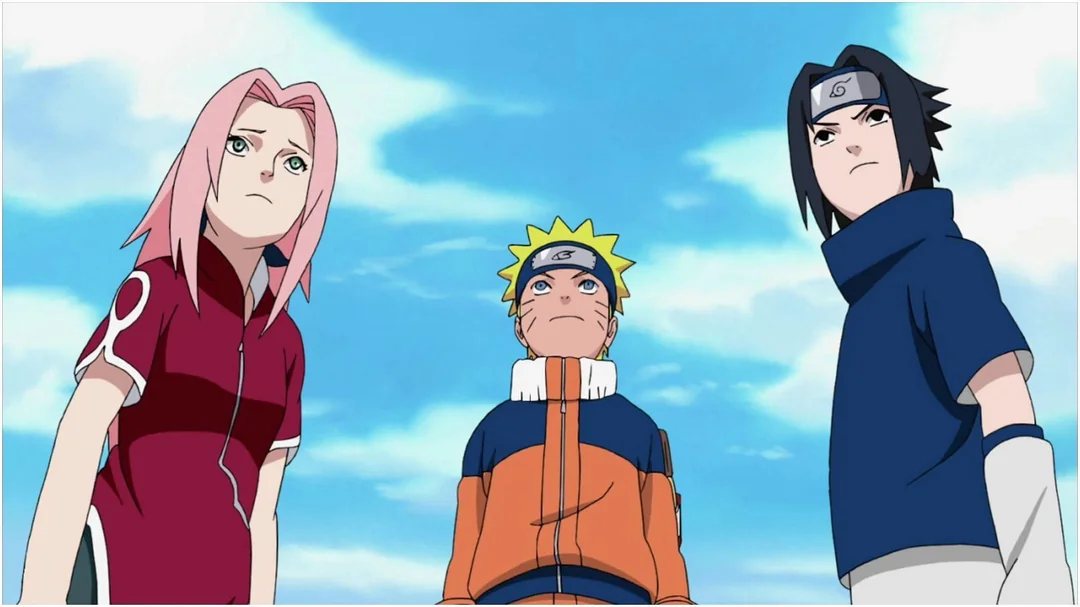
Sasuke's battle with Naruto at the Valley of the End represents his conscious choice to abandon his bonds for revenge. This wasn't just about leaving geographically—it was emotional severance.
Itachi's teaching convinced Sasuke that bonds made him weak. To unlock the Mangekyo Sharingan, Itachi claimed Sasuke needed to kill his closest friend—a twisted lesson that poisoned Sasuke's view of relationships.
Sakura's confession before he left showed Sasuke's internal conflict. He thanked her before knocking her unconscious, proving he cared but believed emotions were obstacles to vengeance.
Fear of attachment drove Sasuke's isolation. He worried that caring about Team 7 would create hesitation when facing Itachi, preventing him from fulfilling his purpose as an avenger.
Despite having the opportunity to kill Naruto and potentially unlock the Mangekyo Sharingan, Sasuke chose not to—revealing that some part of him still valued their bond, even as he walked away.
What Happened After Sasuke Left: Training With Orochimaru
During three years with Orochimaru (between Naruto and Shippuden), Sasuke transformed from talented genin into one of the world's most dangerous shinobi:
- Mastered advanced Chidori variants like Chidori Stream and Kirin
- Developed his Sharingan to predict and counter nearly any jutsu
- Learned sword techniques and assassination skills
- Resisted Orochimaru's attempts at body possession
- Eventually absorbed Orochimaru's power rather than becoming his vessel
This period gave Sasuke the strength he sought but deepened his isolation and darkness.
Why Does Sasuke Leave the Village After Shippuden and in Boruto?
Sasuke's Post-War Departure: Redemption Instead of Revenge
After the Fourth Great Ninja War, Sasuke left Konoha again—but for completely different reasons:
Atonement mission: Rather than seeking revenge, Sasuke traveled the world protecting Konoha from external threats as the village's "Shadow Hokage."
Self-imposed exile: He didn't feel worthy of living peacefully after attacking the Five Kage Summit and plotting to destroy Konoha.
Intelligence gathering: Sasuke investigated Kaguya-level threats and dimensional enemies that required his Rinnegan's unique abilities.
Why Did Sasuke Leave Sakura and Sarada?
In Boruto, Sasuke's prolonged absences from his wife Sakura and daughter Sarada stem from:
Critical missions investigating Otsutsuki clan members and threats that could destroy the entire shinobi world.
Protective distance from enemies who might target his family to manipulate him.
Emotional struggle with normalcy after years as a rogue ninja. Sasuke found domestic life difficult after so much isolation.
This departure wasn't selfish like his original choice—it was sacrifice, though it still hurt those he loved.
Did Sasuke Ever Destroy the Leaf Village?
Sasuke never destroyed Konoha, though he declared this intention after learning the truth about Itachi. When Sasuke discovered Konoha's leadership ordered the Uchiha massacre, his rage turned toward the village itself. His final battle with Naruto prevented this destruction and led to his redemption.
Understanding the Psychology: Why Did Sasuke Really Leave?
The Curse of Hatred and Generational Trauma
Sasuke's departure wasn't just about revenge—it reflected deep psychological trauma:
Post-Traumatic Stress Disorder from witnessing his family's murder created intrusive memories and emotional numbness.
Survivor's guilt for being spared by Itachi while everyone else died made Sasuke feel obligated to avenge them.
Obsessive thoughts about revenge consumed his identity, leaving no room for healing or normalcy.
Attachment issues prevented healthy relationships, making isolation seem preferable to vulnerability.
Sasuke’s descent mirrors other trauma-driven anime protagonists who believe destruction is the only form of justice, a pattern also seen in characters like Eren Yeager.
The Uchiha "Curse of Hatred" wasn't mystical—it was generational trauma manifesting through violence and revenge cycles.
Key Lessons: What Sasuke's Departure Teaches Us
Revenge consumes everything: Sasuke's single-minded pursuit nearly destroyed him and everyone he cared about.
Shortcuts have hidden costs: Orochimaru's power came with manipulation, moral compromise, and near-possession.
Isolation isn't strength: Despite believing he needed to be alone, Sasuke's greatest growth came through connections with others.
Redemption requires facing the past: Sasuke eventually found peace not through revenge but by protecting what mattered and accepting help.
Final Answer: Why Did Sasuke Leave Konoha?
Sasuke left Konoha because a traumatized child was given an impossible burden and chose the darkest path to fulfilling it. His departure combined:
- Obsessive need for revenge against Itachi
- Feelings of inadequacy compared to Naruto
- Belief that bonds were weaknesses preventing power
- Orochimaru's temptation of forbidden jutsu and quick strength
- Desperation to close the overwhelming power gap with Itachi
Understanding Sasuke's departure means recognizing it wasn't just about power—it was about a broken person making broken choices, believing revenge would make him whole. His journey from leaving Konoha in Episode 109 to eventually returning as its protector remains one of anime's most compelling character arcs.
Tags
Frequently Asked Questions
Why did Sasuke leave Konoha in Naruto?
Sasuke Uchiha left Konoha to gain power from Orochimaru so he could kill Itachi and avenge the Uchiha clan massacre. He believed the Leaf Village’s training was too slow and that emotional bonds were holding him back.
What episode does Sasuke leave Konoha?
Sasuke leaves Konoha in Episode 109 of the original Naruto series, titled “An Invitation from the Sound.” In the manga, this happens in Chapter 181.
Why did Sasuke go to Orochimaru specifically?
Sasuke chose Orochimaru because he offered forbidden jutsu, personalized training, and immediate power growth. Orochimaru promised a faster path to defeating Itachi than traditional shinobi training.
Did Sasuke betray the Leaf Village?
Yes, Sasuke technically betrayed Konoha when he defected, but his decision was driven by trauma, revenge, and desperation rather than hatred for the village at that time.
Why did Sasuke fight Naruto at the Valley of the End?
Sasuke fought Naruto to sever his emotional bonds and prove he could walk the path of revenge alone. The fight symbolized his choice of power over friendship.
When does Sasuke return to Konoha?
Sasuke returns to Konoha after the Fourth Great Ninja War in Naruto Shippuden, following his final battle with Naruto and his decision to seek redemption.
Why does Sasuke leave again in Boruto?
In Boruto, Sasuke leaves Konoha frequently to investigate Otsutsuki threats and protect the village from the shadows as its “Shadow Hokage.”
Next up
Bakugo's Rivalry with Deku Is About Identity, Not Competition
Bakugo and Deku's rivalry in My Hero Academia isn't about who's stronger—it's about who they are when strength stops defining them. Bakugo's entire identity was built on being superior to everyone, especially Quirkless Deku. When Deku gains One For All and starts surpassing him, Bakugo doesn't just face defeat in competition—he faces the collapse of his entire sense of self. The rivalry explores what happens when your worth is tied to being the best, when the person you looked down on becomes your equal, and when you're forced to rebuild who you are from scratch. Unlike typical shonen rivalries driven by power scaling, Bakugo and Deku's relationship asks: if you're not the strongest, who are you? Bakugo didn’t lose to Deku. He lost the story he told himself about who he was. Streaming on Crunchyroll and Funimation. The Rivalry That Doesn't Follow the Rules Most shonen rivalries follow a template: two powerful characters push each other to greater heights through competition. Goku and Vegeta. Naruto and Sasuke. The formula works because both rivals start roughly equal. Bakugo and Deku break this completely. Their rivalry begins when one has everything and the other has nothing—built on the assumption that gap will never close. The Childhood That Set Everything Bakugo gained an inflated ego from being praised excessively for his powerful Explosion Quirk, leading him to bully Quirkless Izuku Midoriya. But the bullying wasn't just cruelty. It was self-defense. When they were children, Deku tried to help Bakugo after he fell into a river. Bakugo was offended that a weakling like Deku tried to save him and assumed he was looking down on him. This moment reveals everything. Bakugo's entire identity rested on being superior. A Quirkless kid offering help shattered that hierarchy—so Bakugo rebuilt the wall with violence and contempt. The nickname "Deku" (meaning useless) wasn't just an insult. It was Bakugo's attempt to permanently define someone who threatened his sense of self. When Your Identity Is Built on Being Better Katsuki started out believing his worth was tied to how strong he was. In My Hero Academia's society, Quirks determine value. Heroes are celebrities. Power equals worth. Bakugo absorbed this completely—his Explosion Quirk made him special, and being special became his entire personality. The Problem With Conditional Self-Worth When your identity depends on external validation—being the strongest, smartest, most talented—you're building on sand. Any threat to that superiority threatens your entire existence. Deku represented the ultimate threat: proof that Bakugo's superiority wasn't inherent. If a Quirkless nobody could become his equal, then Bakugo was never special—he just got lucky with genetics. This connects to how comparing yourself to others destroys you in The Pet Girl of Sakurasou—when your worth depends on being better than someone else, you're always one comparison away from collapse. The Identity Crisis Disguised as Competition In Episode 8, Deku defeated Bakugo in a practice exercise. But Bakugo lost not because of his power but because of his arrogance and inability to work as a team. This wasn't just a loss in training. It was existential annihilation. Bakugo's entire worldview rested on a hierarchy where he stood at the top and Deku at the bottom. When Deku wins—not through luck but through qualities Bakugo dismissed as weakness (teamwork, strategy, empathy)—the entire structure collapses. What Bakugo Actually Lost He didn't lose a fight. He lost the story he'd been telling himself about who he was. After he loses to Deku, feels he can't measure up to Todoroki, gets kidnapped, and fails his Licensing Exam, he suffers a massive identity crisis that knocks down his fragile confidence. Each defeat chips away at the foundation. If strength doesn't guarantee victory, what does it guarantee? If being talented doesn't make you special, what does? Similar to how Haikyuu explores effort without a promise of greatness, Bakugo discovers that natural talent without growth is a dead end. Why Bakugo Can't Just "Get Stronger" In a typical shonen rivalry, the solution to falling behind is training harder. Get a new technique. Unlock a transformation. Close the gap through effort. Bakugo does train harder. He does get stronger. It doesn't fix anything. The Problem Isn't Power—It's Perspective If he isn't the strongest and he isn't meant to achieve immediate greatness, then what is his role? It's something that Quirkless Midoriya had to evaluate for many years as a child. What is his purpose in a world that seems destined to leave him behind? Bakugo is forced to ask the same question Deku asked his entire childhood: who am I if I'm not what I thought I was? For Deku, that question led to discovering identity beyond Quirks—heroism as action, not status. For Bakugo, it requires dismantling everything he built his personality on. What Deku Has That Bakugo Doesn't The series explicitly contrasts their approaches to All Might, their shared idol. While Deku admired All Might's ability to save lives with a smile, Bakugo admired his strength and ability to defeat anyone. This difference is everything. Two Different Definitions of Heroism Deku sees heroism as connection—reaching people, protecting them, making them feel safe. Bakugo sees heroism as dominance—being strong enough that threats don't matter, proving yourself through victory. Neither is wrong, but only one is complete. Endeavor has a powerful quirk and is skilled at rescuing civilians, but the reason why he's unable to surpass All Might is because he fundamentally does not care about the people he's saving. Bakugo mirrors Endeavor—technically excellent, strategically brilliant, but missing the emotional core that makes All Might irreplaceable. The rivalry with Deku forces Bakugo to develop what he lacks: empathy, collaboration, the ability to see strength in vulnerability. The Fight That Changes Everything Their second major fight—where Bakugo finally admits his feelings—is when the rivalry transforms completely. Bakugo breaks down. He admits he feels responsible for All Might's retirement. He admits he doesn't understand how Deku got his Quirk. He admits he feels left behind. Vulnerability as Strength For someone whose entire identity was built on never showing weakness, this moment is death and rebirth. Bakugo's ceaseless drive forces Midoriya to become more assertive, and he eventually welcomes the rivalry. Meanwhile, Midoriya's attitude forces Bakugo into a previously unforeseen habit of contemplation. They're not just making each other stronger. They're making each other more complete. Deku learns confidence and assertiveness from Bakugo's refusal to back down. Bakugo learns empathy and teamwork from Deku's instinctive heroism. This parallels how Kids on the Slope shows that relationships force us to grow in unexpected ways—growth doesn't require perfection, just willingness to change. The Ending: Choosing to Redefine Yourself By the series' conclusion, Bakugo's transformation is complete—not because he's the strongest, but because he's rebuilt his identity on different foundations. Bakugo has been a proponent in crafting technology that allows Midoriya to potentially take a physically active role in superheroism again, meaning that the boy who once insulted a character without "powers" has now evolved into a man who wishes to find a way to bring those abilities back. From Contempt to Support The Bakugo who bullied Quirkless Deku now dedicates himself to helping Quirkless Deku become a hero again. Not because he pities him. Because he respects him. His identity is no longer built on being superior to Deku. It's built on being Deku's equal—someone who pushes him forward not through competition but through collaboration. The rivalry doesn't end. It evolves into partnership. Similar to how Bakuman shows the hidden costs of creative ambition, Bakugo discovers that identity built on relationships is stronger than identity built on dominance. What the Rivalry Actually Teaches Bakugo and Deku's relationship isn't about friendship conquering all or rivals becoming brothers. It's about what happens when the person you built your entire identity around surpasses you—and you're forced to decide who you are without that hierarchy. The Uncomfortable Truth About Conditional Identity Most people build identity on external markers: job titles, achievements, being better than peers. When those markers shift—when you get fired, when someone younger surpasses you, when your talent stops being enough—you face the same crisis Bakugo does. Who are you when the thing that made you special becomes common? When your worth can't be measured by comparison? The series doesn't offer easy answers. Bakugo's growth takes the entire series. He relapses into old patterns. He struggles with anger management. But he rebuilds anyway—slowly, imperfectly, honestly. This connects to why Eren started the Rumbling beyond just protecting Paradis—real growth is messy, incomplete, and driven by complex motivations beyond simple heroism. The Rivalry That Saved Both of Them Both young heroes look at the world's number 1 hero for inspiration. While their end goals were the same, the two determined they needed different things to get to their goals. However, as the story progresses both begin to realize that they each lack what the other has. Deku needed Bakugo's confidence, his refusal to accept limits, his aggressive drive to win. Bakugo needed Deku's empathy, his collaborative spirit, his instinct to save rather than defeat. Neither could become a complete hero alone. The rivalry forced them both to develop what they lacked—not through competition, but through recognition. By the end, they're not trying to surpass each other. They're trying to become worthy of standing beside each other. That's not a rivalry about competition. That's a rivalry about identity—and it's exactly why it works.