Is Mikey a Villain in Tokyo Revengers? The Real Answer
Rushabh Bhosale
Updated
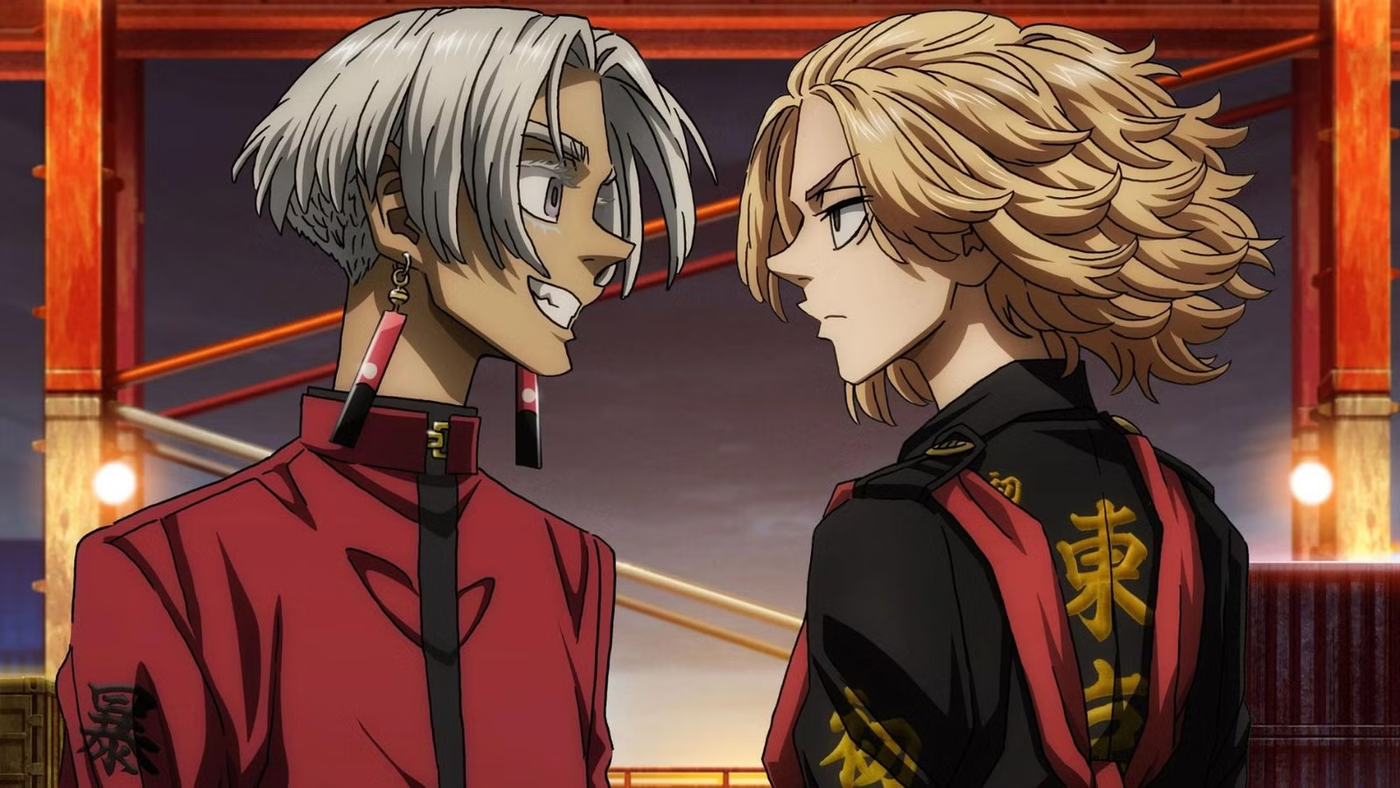
Mikey is not a straightforward villain in Tokyo Revengers. He becomes an antagonist and commits terrible acts in several timelines, but the manga ultimately presents him as a fallen hero shaped by loss, manipulation and the supernatural dark impulses tied to his past. That distinction is what makes Manjiro "Mikey" Sano so difficult to reduce to either hero or villain.
Quick Answer
Mikey in Tokyo Revengers is neither a pure hero nor a true villain. He is a fallen hero shaped by trauma, loss, and manipulation, whose actions become destructive despite his original good intentions.
The honest answer is neither. And both. Mikey is something more interesting than either label allows. He's a character study in how trauma, loss, and the absence of healthy support systems can turn a good person into a destructive force — and how love alone isn't always enough to save someone from themselves.
Let's break down why Mikey defies easy categorization and what makes him one of the most compelling characters in modern anime.
The Mikey You Meet First
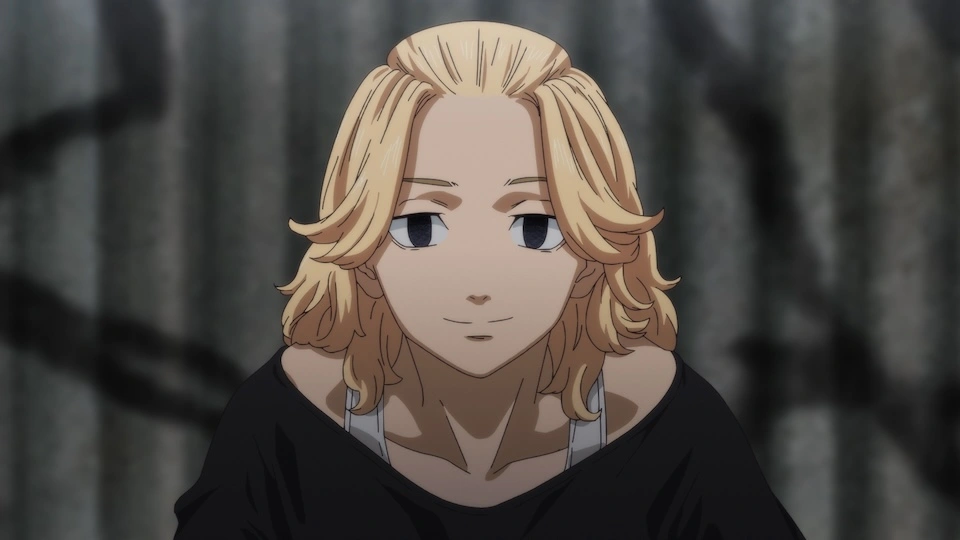
Early Tokyo Revengers presents Mikey as magnetic. He's the kind of leader people follow not because they're afraid, but because they genuinely believe in him. He founds Toman with his closest friends to create an era where delinquents can thrive — outcasts building something for themselves. His charisma is effortless. His fighting ability is legendary. And underneath the tough exterior, he's a kid who falls asleep everywhere, loves dorayaki, and needs his best friend Draken to wake him up every morning.
This version of Mikey is undeniably heroic. When a Toman member's friend and girlfriend are attacked, Mikey rallies the entire gang to get justice. When Peh-yan punches him during a dispute, Mikey refuses to fight his former friend and instead asks him to come home. He protects the people around him with a ferocity that feels genuine, not performative.
The early arcs establish Mikey as someone worth saving. And that's important — because the entire emotional engine of Tokyo Revengers runs on the question of whether Takemichi can actually save him.
The Darkness That Was Always There
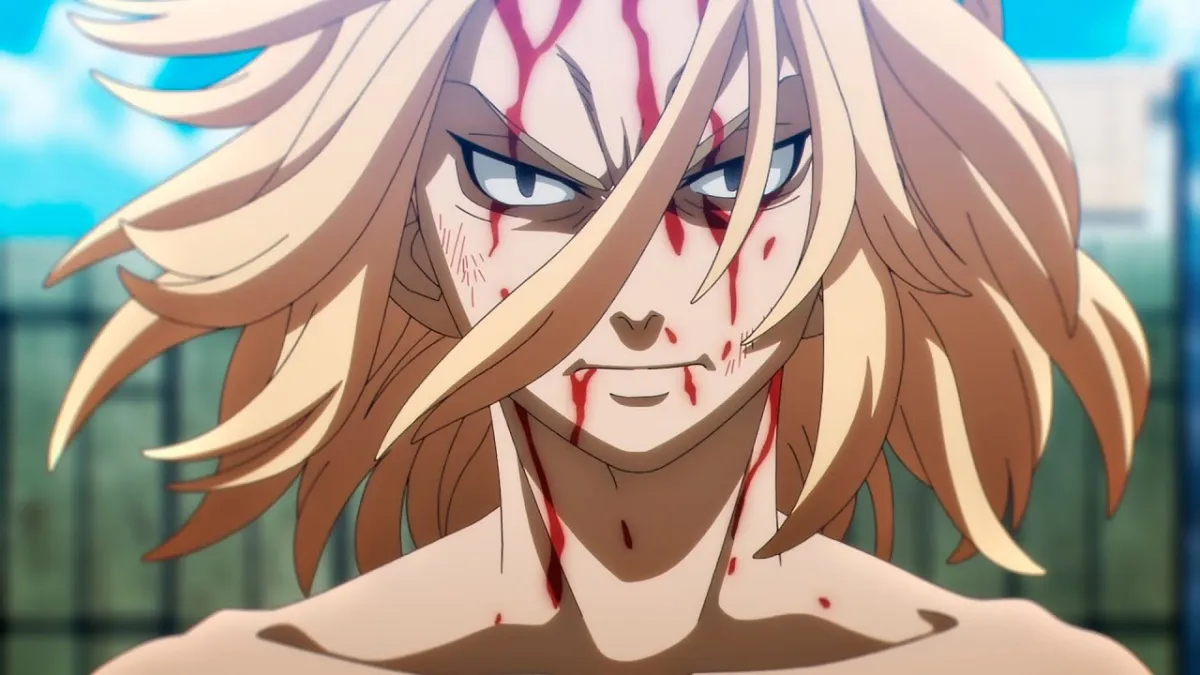
Here's what makes Mikey's character so uncomfortable: the darkness wasn't sudden. It was always present, waiting for the right trigger.
The series reveals that Mikey's "dark urges" stem from a curse tied to his brother Shinichiro's time-leaping sacrifice. Shinichiro altered reality to save Mikey from a fatal childhood accident, and the cost of that intervention rippled through every timeline. But even beyond the supernatural explanation, the psychological groundwork is clear. Mikey experienced devastating loss repeatedly — his brother, his best friend Baji, his half-sister Emma — and had no healthy way to process any of it.
Each loss stripped away another layer of the person Mikey was. And what emerged was someone colder, more violent, and increasingly willing to cause the kind of pain he'd been absorbing. That pattern — grief turning inward and then exploding outward — is one of the most realistic portrayals of emotional deterioration in anime. NHK approaches it through isolation and depression. Tokyo Revengers approaches it through power and violence. The root is the same: a person drowning without anyone who can actually reach them.
Chapter 241 made fans confront this head-on when it revealed that young Mikey brutally ripped Sanzu's mouth over a model airplane his brother had spent months building. It's a horrifying act — and it complicated every sympathetic reading of his character. Was this a traumatized kid lashing out, or evidence that something darker existed long before the losses piled up?
The manga never gives you a clean answer. And that's the point.
Every Timeline Makes It Worse
The time-travel structure of Tokyo Revengers lets you see Mikey across multiple futures, and every single one is bleak. In one timeline, he leads a criminal empire. In another, he's responsible for the deaths of people he once called family. The Bonten timeline shows him as a full-blown crime lord — cold, detached, and capable of gunning down former friends without visible emotion.
Takemichi's entire journey is motivated by trying to find a timeline where Mikey doesn't fall. And the brutal reality the story keeps reinforcing is that no matter what changes, Mikey's descent seems inevitable. Remove one corrupting influence and another fills the void. Save one person he loves and he loses someone else. The universe seems determined to break him.
This inevitability is what pushes Mikey into villain territory for many fans. When someone causes catastrophic harm across multiple realities, intentions stop mattering as much as outcomes. And Mikey's outcomes are consistently catastrophic.
But the story complicates this reading by showing you exactly why it keeps happening. Mikey isn't choosing darkness — he's being consumed by it. He tries to distance himself from friends to protect them. He attempts suicide rather than continue hurting people. These aren't the actions of a villain who enjoys power. They're the actions of someone who knows they're becoming a monster and can't stop it.
What Kisaki Reveals About Mikey
You can't fully understand Mikey without understanding Tetta Kisaki — the actual primary antagonist of Tokyo Revengers. Kisaki is everything Mikey isn't: calculated, manipulative, and genuinely evil by choice rather than circumstance.
Kisaki exploited Mikey's trust and vulnerability. He positioned himself within Toman specifically to corrupt the organization from inside, pulling strings that led to deaths, betrayals, and Mikey's deeper descent. The fact that Mikey was manipulable isn't a mark against his character — it's evidence of how desperately he needed someone he could trust, and how that desperation left him open to the worst possible influence.
This dynamic mirrors how anime often explores the gap between strength and wisdom. Mikey is physically invincible. Nobody can beat him in a fight. But emotional intelligence, the ability to process grief, the capacity to ask for help — those are the skills he never developed. His strength becomes a prison. People are too afraid to challenge him, too intimidated to reach him, and too in awe of his power to see the kid underneath who's falling apart.
The Final Arc: Villain or Victim?
The manga's final arc pushes Mikey fully into antagonist territory. He forms the Kanto Manji Gang, becomes one of the central threats in the Three Deities Arc, and ultimately serves as the final obstacle Takemichi must overcome. During this stretch, Mikey commits acts that are genuinely villainous — hurting and nearly killing people he once loved.
But even here, the story refuses to let you write him off completely. Mikey's attempted suicide is framed not as a dramatic gesture but as a genuine belief that the world would be better without him. That level of self-awareness — knowing you're the problem but being unable to fix yourself — is devastating. It's the kind of character writing that stays with you because it refuses to simplify complex human behavior into neat categories.
Takemichi's solution is to travel even further back in time — to when they were children — and prevent the original events that cursed Mikey. In the final timeline, Mikey appears free of his darkness. His loved ones are alive. He's happy. It's a hopeful ending, though many fans felt it was too convenient — erasing consequences rather than confronting them.
So: Hero or Villain?
Mikey is a fallen hero. That's the most accurate label, and it's the one the story earns.
He starts with good intentions, genuine love for his friends, and a dream of building something meaningful. External forces — loss, manipulation, a literal supernatural curse — corrode those intentions over time until the person who remains barely resembles the one who started. He doesn't choose evil. Evil is imposed on him by circumstances and then reinforced by his inability to process what's happening to him.
But fallen heroes still cause real harm. The people Mikey hurts don't suffer less because his motivations were originally good. The timelines he ruins aren't redeemed by his childhood charisma. Intentions explain behavior — they don't excuse it. Mikey is simultaneously sympathetic and dangerous, pitiable and terrifying. That's what makes him so compelling.
He exists on the same spectrum as characters like Sasuke from Naruto, whose betrayal of Konoha was driven by trauma, manipulation, and grief in ways that made him both antagonist and victim at the same time. Or Megumi Fushiguro in Jujutsu Kaisen, whose possession by Sukuna stripped him of agency and turned him into a weapon against the people he loved. These characters aren't heroes or villains. They're people shaped by forces beyond their control who become cautionary tales about what happens when the support systems fail.
Mikey is one of the best-written characters in modern shounen because he makes you hold both truths at once: he deserved better, and he still did terrible things. The Tokyo Revengers anime's final arc will bring this full story to screen, and watching how the adaptation handles Mikey's conclusion will tell us whether the anime can match the emotional complexity the manga achieved.
The answer to "Is Mikey a hero or villain?" is yes. And that's what makes Tokyo Revengers worth watching in the first place.
Tags
Frequently Asked Questions
Is Mikey the strongest in Tokyo Revengers?
Physically, yes. Mikey is considered the strongest fighter in the series, capable of defeating virtually anyone in hand-to-hand combat. His weakness is emotional — his inability to process grief makes him vulnerable to manipulation and self-destruction.
Does Mikey become good again?
In the manga's final timeline, Takemichi travels back to childhood and prevents the events that cursed Mikey. The ending shows Mikey happy and free of his dark urges, though some fans found this resolution too convenient.
Why does Mikey turn evil?
Mikey's descent is caused by cumulative grief — losing his brother Shinichiro, his friend Baji, and his sister Emma — combined with Kisaki's manipulation and a curse created by Shinichiro's time-leap to save Mikey's life as a child.
Is Mikey the main villain of Tokyo Revengers?
Not exactly. Mikey serves as the primary antagonist in later arcs, but the series' true villain is Tetta Kisaki, who manipulates events behind the scenes. Mikey is better described as a tragic fallen hero whose darkness stems from loss, trauma, and a supernatural curse.
Next up
Chainsaw Man’s Four Horsemen Explained: Who Are They?
Who are the Four Horsemen in Chainsaw Man? Control, War, Famine and Death explained, including Makima, Nayuta, Yoru, Fami, their powers and Pochita connection.