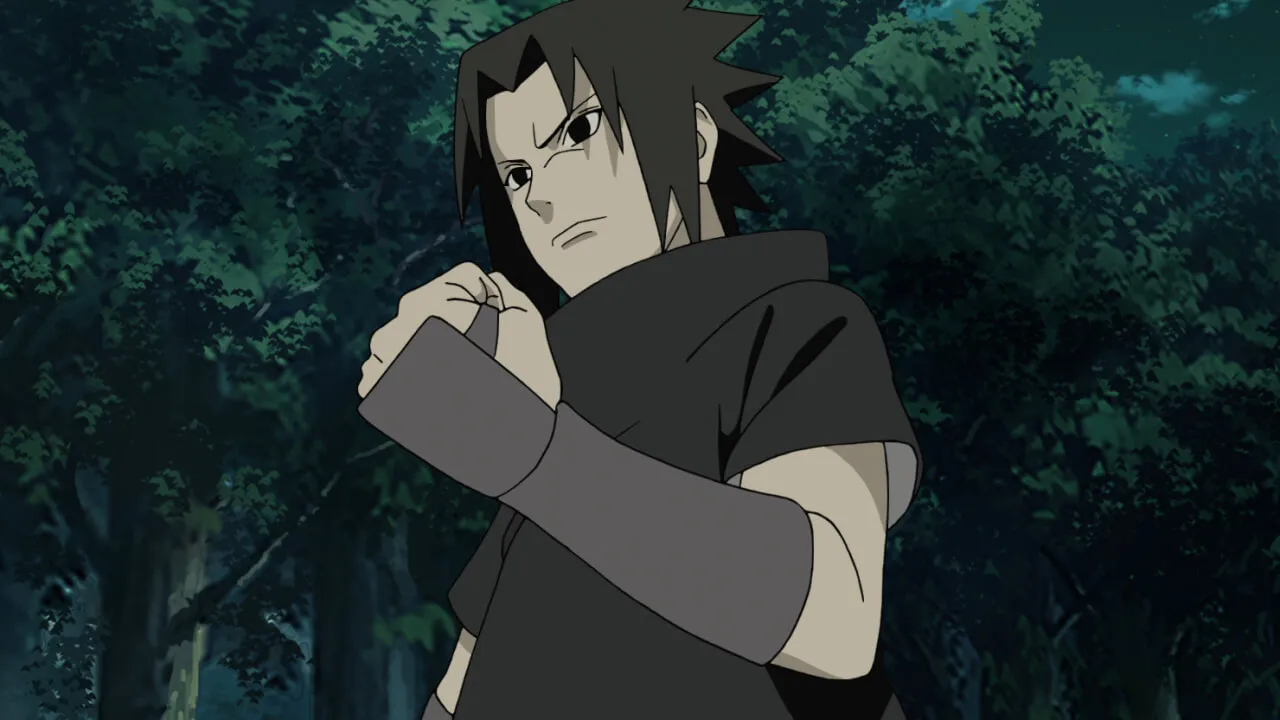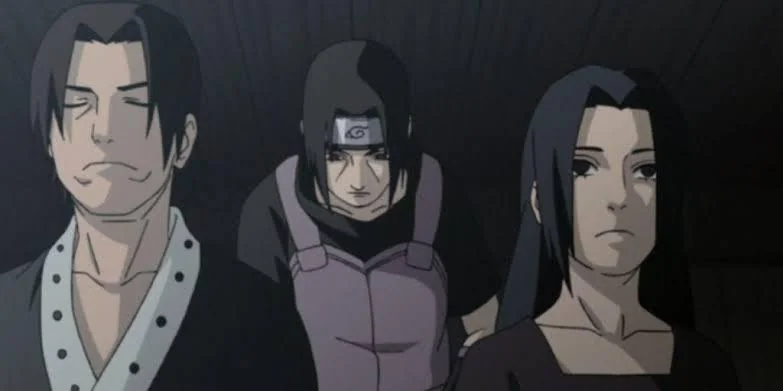
Itachi Uchiha killed most of his own clan because Konoha's leadership feared an impending Uchiha coup would trigger a civil conflict and possibly a wider war. Itachi was caught between the village he wanted to protect, the family that raised him, and a younger brother he refused to sacrifice. He chose to carry out the massacre and accept the blame, believing it would prevent a greater disaster. That is the explanation Naruto eventually reveals, but it is not the same as saying his decision was justified.
The truth changes the meaning of Sasuke's entire story. The brother he thought was a power-hungry murderer had actually been working as a double agent. Yet Itachi's secrecy, the village's treatment of the Uchiha, and the violence inflicted on innocent people make this one of Naruto's most troubling moral conflicts. Spoiler warning: this guide covers major revelations from Naruto Shippuden and the original manga.
The short answer: Itachi was ordered to stop a coup
The Uchiha were preparing to overthrow the Hidden Leaf's government. As an ANBU operative with access to both sides, Itachi learned how close the confrontation had become. The village's hard-line faction treated elimination of the clan as the way to prevent the coup. Itachi accepted the mission, while securing Sasuke's survival.
The official Naruto character retrospective directly describes Itachi as a spy for both the Uchiha and Konoha and identifies the annihilation of his clan as a secret assignment. This matters: he did not simply wake up one night and decide that killing his family would make him stronger. The massacre was a political act carried out by a young shinobi under extreme pressure.
Why did the Uchiha clan plan a rebellion?
The conflict did not begin with Itachi. The Uchiha had long felt distrusted and marginalized by the village they helped found. Suspicion intensified after the Nine-Tails attack, when authorities associated the Sharingan with the possibility that an Uchiha had controlled the beast. The clan's separation from the center of power fed resentment, while Konoha's leaders saw its growing anger as a security threat.
Fugaku Uchiha, Itachi and Sasuke's father, led the clan and supported plans for a coup. From the rebels' perspective, seizing power could end their exclusion. From the village's perspective, an armed uprising could fracture Konoha and invite attacks from rival nations. Naruto does not present either fear as imaginary, but it also shows how mutual suspicion made compromise increasingly difficult.
Importantly, planning a coup did not make every Uchiha a combatant or a willing conspirator. The massacre destroyed an entire community, not just its leaders. That distinction is central to understanding why Itachi's sacrifice is tragic rather than a simple victory for peace.
How Itachi became a double agent
Itachi was unusually gifted and joined the ANBU while still young. Fugaku wanted him to pass information about the village to the clan. At the same time, Konoha's leadership used him to learn what the Uchiha were planning. His access made him valuable to both factions, but it also left him isolated from people who might have helped him question the choices being presented.
Having witnessed the brutality of war as a child, Itachi prioritized avoiding another conflict. He also valued the village as a home for people beyond his bloodline. His ideals were sincere, yet his position as a double agent meant every conversation became a test of loyalty. Rather than resolving the dispute, the system placed its most devastating decision on a teenager.
What was Danzo's role in the massacre?
Danzo Shimura represented the harshest approach within Konoha's leadership. He believed the Uchiha uprising had to be neutralized before it began, and he pushed Itachi toward an ultimatum. The threat to Sasuke helped make that ultimatum unbearable. Itachi was not acting in a political vacuum, and describing the massacre as his independent choice erases the pressure applied by those with far more authority.
The Third Hokage, Hiruzen Sarutobi, favored a peaceful solution but failed to stop the crisis in time. It is misleading to flatten the leadership into one person issuing one unanimous order. Danzo's coercive role, Hiruzen's inability to prevent the outcome, and the wider village's discriminatory policies all contributed differently.
After the massacre, Konoha largely benefited from the public believing Itachi was a rogue criminal. That secrecy protected the village's reputation at the expense of the truth. The official Shisui retrospective makes clear that Danzo had already sabotaged a possible alternative before the killings.
Could Shisui Uchiha have prevented it?
Shisui, Itachi's closest friend, was trying to prevent the coup without exterminating the clan. His Mangekyo Sharingan technique, Kotoamatsukami, could influence a target's decisions without the target realizing it. The possibility of using that power to change the political course offered a desperate alternative to violence.
Danzo stole one of Shisui's eyes, destroying trust in the plan and leaving Shisui convinced the situation had become hopeless. Before dying, Shisui entrusted his remaining eye and his hopes for the village and clan to Itachi. His death awakened Itachi's Mangekyo Sharingan. It did not prove that every peaceful option had been exhausted; it showed how one promising intervention was undermined by the very people claiming to defend Konoha.
Did Itachi act alone, or did Obito help?
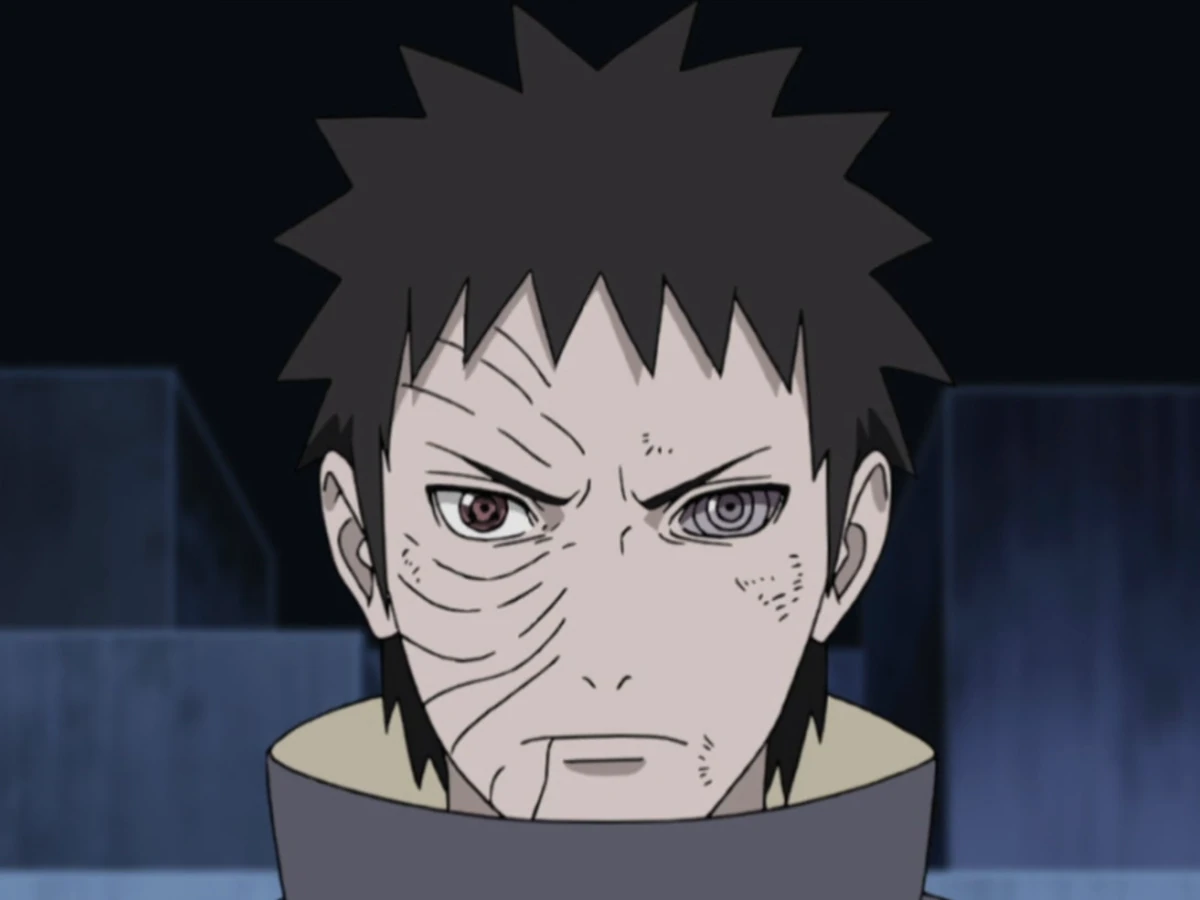
Itachi did not carry out the entire operation alone. He enlisted the assistance of the masked man later revealed to be Obito Uchiha, who was operating under Madara's identity. The revelation complicates the familiar image of one brother personally killing every member of his clan. Itachi still bears responsibility for agreeing to the plan and participating in the killings, but another powerful actor was involved.
The masked man's involvement also exposes how the crisis became entangled with ambitions far beyond the Uchiha's immediate dispute with Konoha. Readers should distinguish this confirmed participation from fan theories that assign every detail of the massacre to one character without support.
Why did Itachi spare Sasuke?
Sasuke was the one person Itachi would not kill. His love for his younger brother was stronger than his willingness to obey the mission completely. By keeping Sasuke alive, Itachi preserved part of the family he had destroyed and gave himself a reason to endure being hated.
He then told Sasuke a false story about seeking greater power and encouraged him to become strong enough to take revenge. Itachi hoped Sasuke would grow into a capable shinobi, defeat him, and eventually be celebrated as the person who avenged the Uchiha. In other words, Itachi tried to make his own death the final chapter of Sasuke's suffering.
The plan backfired. Sasuke built his identity around revenge, pursued dangerous alliances, and became increasingly detached from the life Itachi had wanted for him. Our explanation of why Sasuke turned against Konoha follows what happens when he discovers that his brother's story was a lie.
Why did Itachi pretend to be evil afterward?
After the massacre, Itachi left Konoha and joined the Akatsuki. Publicly, he became the traitor who slaughtered his clan. Privately, the truth about his mission remained hidden, allowing the village to avoid admitting how the Uchiha crisis had been handled. Itachi believed carrying that hatred was part of protecting Sasuke and preserving the peace.
His frightening reputation was also useful for keeping Sasuke focused on him rather than the people who had manipulated the situation. That strategy depended on controlling Sasuke's understanding of the world, however, and it denied his brother the chance to make informed choices. Itachi's intentions and the harm caused by his methods cannot be separated.
When does Sasuke learn the truth?
After the brothers' final battle, the masked man tells Sasuke about the Uchiha's political history and Itachi's secret mission. The reveal appears in the manga around Volume 43, especially the chapters following their confrontation. Sasuke's victory suddenly feels hollow: the enemy he hated was also the person who had tried hardest to keep him alive.
Later, during the Fourth Great Ninja War, the reanimated Itachi speaks to Sasuke directly. Their final exchange, covered in Volume 62 and the Shippuden episode titled I Will Love You Always, is especially important because Itachi acknowledges his mistakes. He admits that withholding the truth and trying to direct Sasuke's future were failures, even if his love was genuine. The VIZ editorial discussion of Volume 62 highlights how this admission reframes his earlier choices.
Was Itachi a hero, a villain, or both?
Naruto invites sympathy for Itachi without erasing the horror of what he did. He was manipulated by political leaders, faced an impossible-seeming choice, and sincerely feared a war that could kill far more people. Those facts help explain his decision. They do not make the murder of an entire clan morally clean.
Calling him only a villain ignores his motives and the institutions that cornered him. Calling him a flawless hero ignores the victims and the damage he caused Sasuke. The more useful reading is that Itachi is a tragic character whose loyalty was exploited, and who later understood that love cannot justify controlling another person's life through deception.
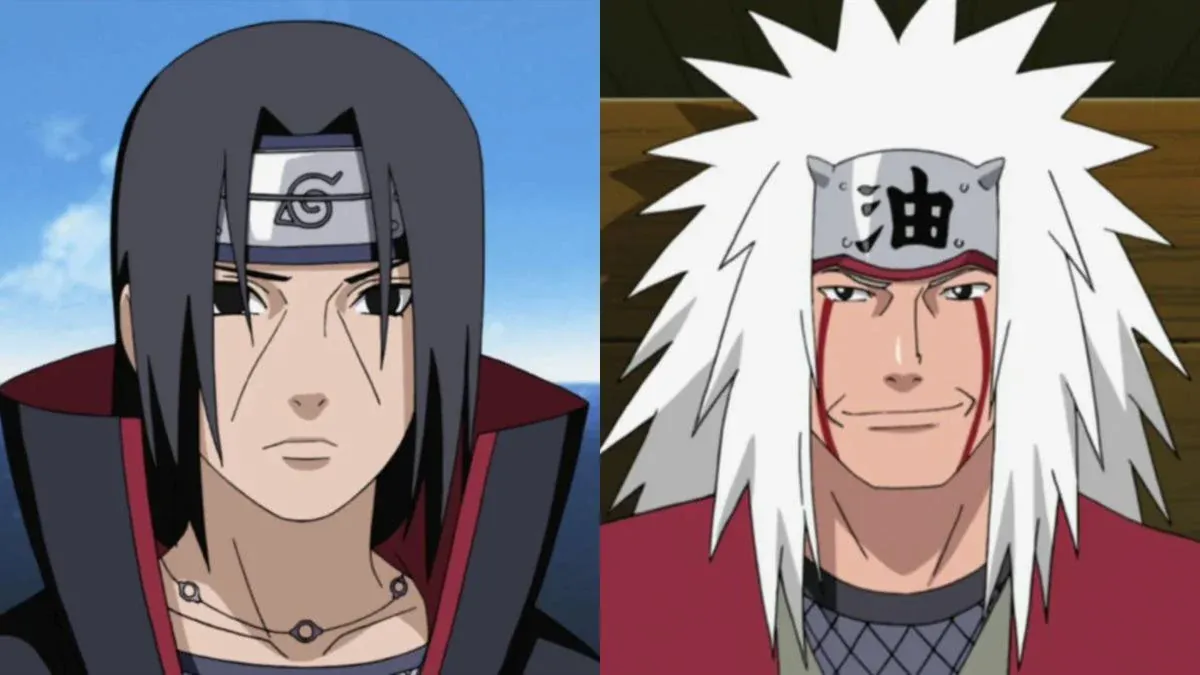
Naruto repeatedly returns to this question of whether protecting a village can excuse sacrificing individuals. The Pain Invasion arc analysis explores another confrontation with that same cycle of violence, while our Itachi versus Jiraiya comparison looks at the brothers' wider world through a different lens.
Where to watch or read the Uchiha truth reveal
For the clearest version, read Naruto Volume 43 for the aftermath of Itachi and Sasuke's battle, then Volume 62 for Itachi's later account and farewell. The manga gives the political explanation and emotional reckoning in separate stages, which is why watching only the first reveal can leave his story feeling incomplete.
In the anime, the truth emerges after the brothers' fight and is revisited during the Fourth Great Ninja War. The official Naruto site lists I Will Love You Always as Shippuden episode 559 in its combined episode numbering; streaming services sometimes display different season or episode labels. Searching by the episode title is more reliable than assuming every platform uses the same number.
The real tragedy of Itachi's choice
Itachi killed the Uchiha to prevent a coup and protect Sasuke, but the outcome exposed the cost of solving political conflict through secrecy and violence. Konoha avoided one immediate confrontation, yet Sasuke inherited a lifetime of grief, and the underlying injustice was never answered by the massacre. Itachi's final lesson is not that sacrifice automatically makes a person right. It is that even someone who loves deeply can make catastrophic choices when they believe they must carry every burden alone.
Frequently asked questions
Frequently asked questions
Why did Itachi kill his own clan?
He acted to stop the Uchiha coup against Konoha after village leaders, especially Danzo, pushed him toward exterminating the clan. He believed doing so would prevent a civil war and protect Sasuke.
Who ordered Itachi to kill the Uchiha?
The massacre was a secret mission backed by Konoha's hard-line leadership, with Danzo central to the coercion. Hiruzen sought a peaceful resolution but failed to stop the outcome.
Did Itachi kill Sasuke's parents?
Yes. Fugaku and Mikoto were among the victims. Itachi spared only his younger brother Sasuke, whom he loved and wanted to protect.
Did Obito help Itachi kill the Uchiha?
Yes. The masked man later revealed as Obito assisted with the massacre. Itachi was not the only person involved in the killings.
What episode reveals the truth about Itachi?
The initial truth is revealed after Sasuke and Itachi's battle. Their later direct farewell is in Shippuden's I Will Love You Always, listed as episode 559 by the official Naruto website; platform numbering may differ.
Sources & references8 sources
- Official Naruto: Itachi Birthday Retrospective
- Official Naruto: Shisui Birthday Retrospective
- Official Naruto: Uchiha Truth in the 20th Anniversary Retrospective
- VIZ Naruto Volume 43
- VIZ Naruto Volume 62
- VIZ Naruto Volume 62 Editorial
- Official Naruto Shippuden: I Will Love You Always
- VIZ Naruto Chapter 400