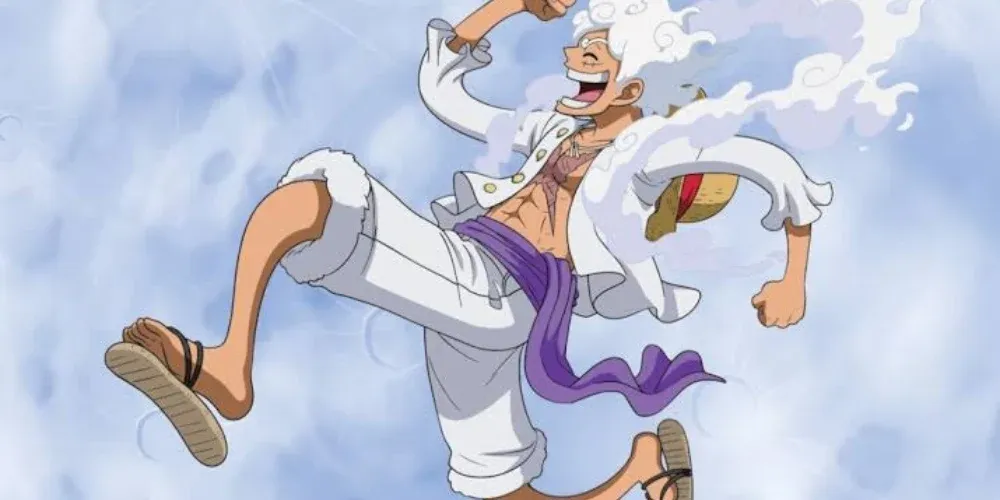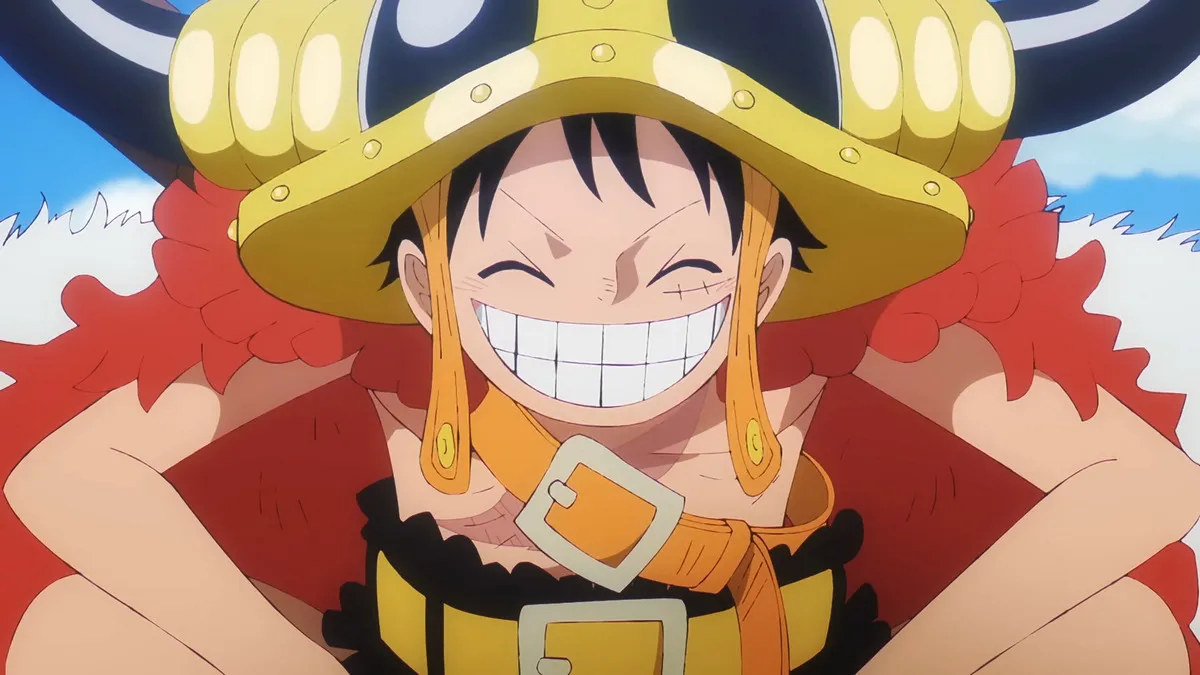

Monkey D. Luffy's Gear 5 has revived a fascinating One Piece debate: is he inspired by Hanuman from Hindu tradition, Sun Wukong from China's Journey to the West, or both? The answer is not a confirmed one-to-one origin story. Luffy has a direct Hanuman-associated reference in his Bajrang Gun attack, shares traits with the rebellious Monkey King, and also reflects Eiichiro Oda's stated love of classic cartoon movement. The strongest reading separates those connections from fan speculation.
Why fans see Hanuman in Luffy
Hanuman is a central figure in the Ramayana, celebrated for courage, devotion, extraordinary strength and the ability to change size. One Piece fans have noticed that Gear 5 Luffy can become gigantic, fight with seemingly impossible freedom and wield a massive punch whose name echoes Hanuman's traditions. These are suggestive parallels, but an ability shared by two figures does not establish a direct adaptation.
Bajrang Gun is the clearest link
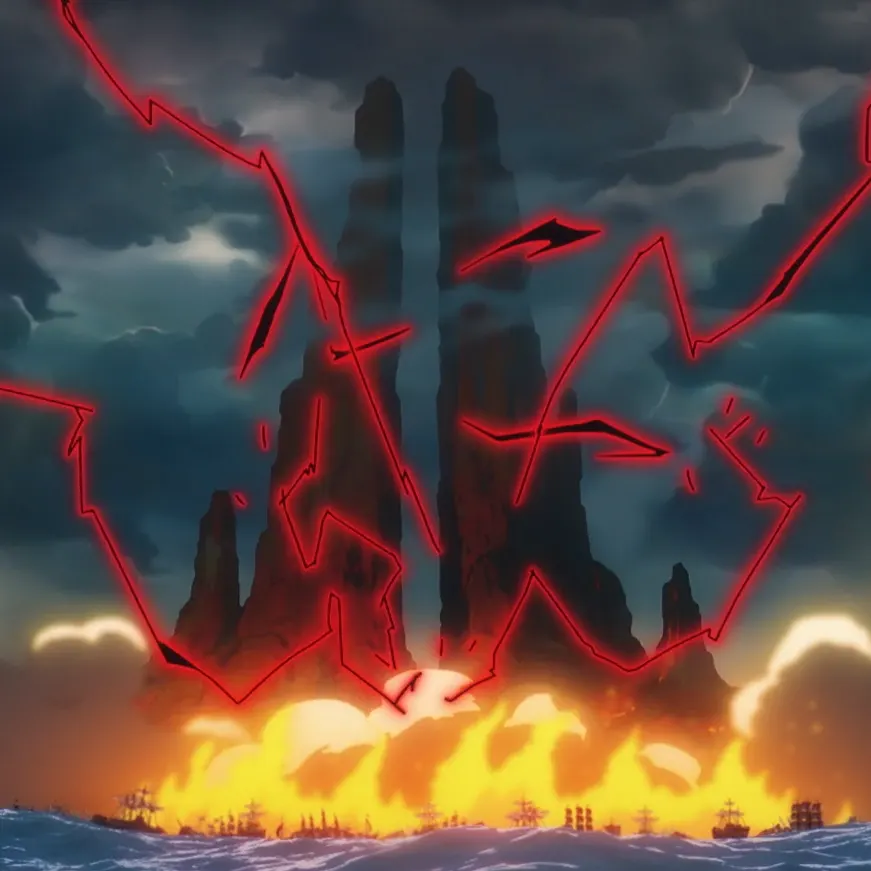
The strongest specific connection is Luffy's Gum-Gum Bajrang Gun, the enormous attack used against Kaido. Bajrang is associated with Bajrangbali, a name for Hanuman, and the technique's Japanese naming evokes a monkey god. This is a real naming connection rather than a resemblance fans imagined after the fact. It supports the idea that Hanuman-related imagery informed at least one attack, not the much broader claim that every aspect of Luffy or Nika is Hanuman.
Hanuman's childhood story of leaping toward the sun, mistaking it for a fruit, also resonates with fans because Luffy's awakened Devil Fruit is associated with Sun God Nika. Yet Hanuman is not simply the sun god of Hindu tradition, and the fictional Nika has a distinct role in One Piece. The sun-and-fruit resemblance is an interpretive parallel, not a canonical identification.
Why Sun Wukong is an equally compelling comparison
Sun Wukong, the Monkey King of Journey to the West, is powerful, mischievous, resistant to heavenly authority and capable of extraordinary transformations. Luffy also challenges rulers and treats supposedly untouchable authority with irreverence. Their personalities can look strikingly similar when Luffy laughs while defying the World Government or refuses to obey an emperor.
There is a crucial difference in motivation. Wukong's early rebellion often concerns his status, pride and refusal to accept a subordinate role. Luffy's resistance is usually rooted in friendship and freedom. He does not want to rule the world or gain recognition from heaven. Similar rebellious energy does not make the characters interchangeable.
Does Gear 5 prove a Monkey King inspiration?
Gear 5 makes Luffy's body and surroundings behave in wildly elastic ways. His transformations can recall supernatural tricksters, including Wukong, but Oda has also discussed classic cartoons such as Tom and Jerry as an inspiration for Gear 5's visual comedy. Its exaggerated faces, absurd physical gags and playful motion are therefore not evidence of mythology alone. Multiple artistic traditions can shape one character.
The Monkey King also influenced manga long before One Piece. Dragon Ball's Son Goku draws openly from Sun Wukong, and Oda has spoken of his admiration for Akira Toriyama. That offers a plausible wider creative context, though an indirect influence through manga history should not be presented as proof of Oda's specific intent for Gear 5. Read also: Devil Fruits in One Piece.
Hanuman vs Sun Wukong: which comparison is stronger?
For explicit naming, Hanuman has the clearer case: Bajrang Gun is a concrete textual link. For temperament, Wukong is a closer comparison: mischievous confidence, a refusal to bow to authority and extraordinary transformations. Both figures are associated with monkey imagery and remarkable power. Neither fully matches Luffy's goals, fictional powers or story. Read also: Gear 5 and Nika awakening guide. Read also: Joy Boy and Luffy.
The best comparison also respects what makes Hanuman distinctive: devotion and service, not merely strength or size-changing. Likewise, Wukong's journey involves discipline and transformation beyond his early rebelliousness. Reducing either figure to a collection of combat abilities misses why these stories have endured.
Is Sun God Nika actually Hanuman or Wukong?
No official One Piece revelation identifies Nika as either mythological figure. In the story, Luffy's fruit is the Human-Human Fruit, Model: Nika, and Nika is linked to liberation and laughter. A technique named for a monkey god does not rename the Devil Fruit, and a resemblance to Journey to the West does not prove a secret Wukong form. Future chapters could deepen the imagery, but any claim about an unrevealed transformation remains speculation.
Readers looking for the established mechanics can consult our Gear 5 and Nika awakening guide; for the story's historical dimension, our Joy Boy and Luffy article examines the connection without treating mythological theories as confirmed canon.
Final verdict
Luffy is not confirmed to be based exclusively on Hanuman or Sun Wukong. Hanuman-associated imagery is especially visible in Bajrang Gun, while Sun Wukong provides a persuasive personality comparison and a major precedent in manga history. Oda's cartoon influences add another important ingredient. The result is a distinct One Piece hero whose defining ideal is freedom, not a straightforward retelling of either myth.
Frequently asked questions
Is Bajrang Gun named after Hanuman?
Bajrang is associated with Bajrangbali, a name for Hanuman. That is the clearest specific connection between Luffy's techniques and Hanuman imagery.
Did Oda confirm Luffy is Sun Wukong?
No confirmed statement establishes Sun Wukong as Luffy's sole or direct model. Their similarities are meaningful comparisons, not proof of a canonical identity.
Is Nika a Hindu or Chinese deity?
Nika is a fictional figure in One Piece. Comparisons to Hanuman and Sun Wukong are interpretive, and neither identification has been confirmed in the story.