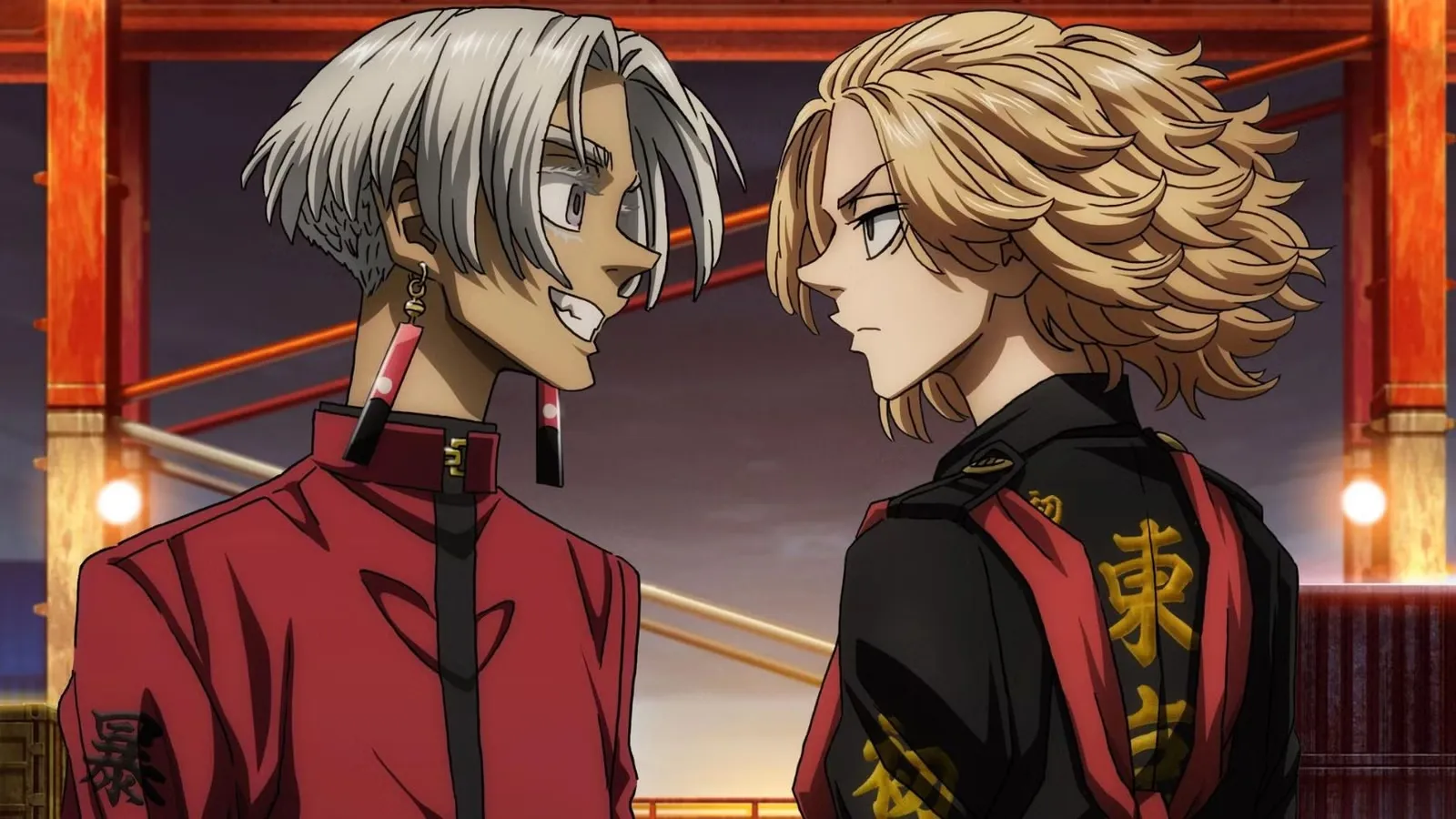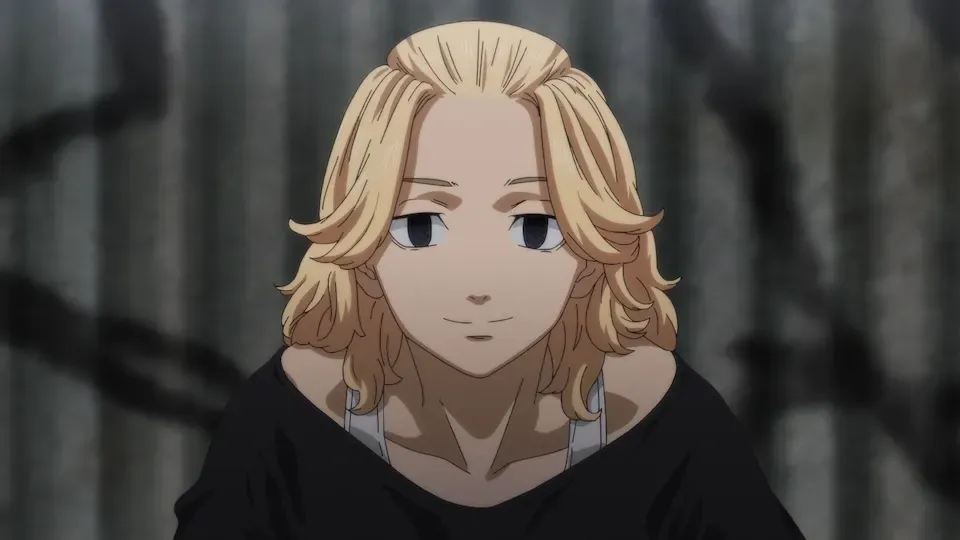

Mikey does not become evil all at once in Tokyo Revengers. The manga shows a gradual collapse: repeated loss, a supernatural "dark impulse" that is always present, and a manipulator, Tetta Kisaki, who pushes him further each time he is vulnerable. By the final arc he leads the Kanto Manji Gang and is the main obstacle Takemichi must stop. That does not make him a simple villain. The story presents him as a fallen hero.
Spoiler warning: this article covers the full manga, including the final arc and ending.
The short answer
Three things turn Manjiro "Mikey" Sano from the charismatic founder of Toman into the antagonist of the final arc:
- Loss he never gets to grieve. He loses his brother Shinichiro, his friend Baji and his half-sister Emma, and nobody around him can help him process any of it.
- The dark impulses. The manga ties his violent, uncontrollable side to a curse that began with Shinichiro's time-leap sacrifice, so the darkness was always there waiting for a trigger.
- Kisaki's manipulation. Kisaki exploits Mikey's trust and grief on purpose, which deepens his fall in every timeline.
Who Mikey is at the start
Early on, Mikey is the leader people follow because they believe in him, not because they fear him. He founds Toman with his closest friends, he is legendary in a fight, and he is also the kid who falls asleep anywhere and relies on Draken to keep him grounded. Takemichi's whole mission rests on the idea that this Mikey is worth saving.
Reason 1: loss after loss
Mikey's descent follows a pattern: someone he loves is taken from him, he closes off, and he becomes colder and more violent. The deaths of Shinichiro, Baji and Emma are the points the manga returns to again and again. Because Mikey is physically the strongest person in the series, people are too intimidated to challenge him and too in awe to see how much he is struggling. His strength isolates him instead of protecting him.
Reason 2: the dark impulses
The manga does not leave his darkness as pure psychology. His dark urges are tied to a curse linked to Shinichiro's sacrifice, which is why the change feels less like a choice and more like something consuming him. Chapter 241 adds an uncomfortable detail: young Mikey brutally hurts Sanzu over a model airplane, which suggests the violence was present long before the losses piled up. The manga never settles whether that was a traumatised child or the impulses at work, and that ambiguity is deliberate.
Reason 3: Kisaki's manipulation
Kisaki is the real primary antagonist of Tokyo Revengers, and he deliberately works inside Toman to corrupt it. He exploits Mikey's need for someone to trust, and the betrayals and deaths he engineers push Mikey further each time. Remove one corrupting influence and another fills the gap, which is why Takemichi's attempts to fix a single event keep failing to save Mikey.
How the timelines show the fall
Across the time-travel structure Mikey is shown at his worst. In the Bonten timeline he is a cold, detached crime lord who can turn on former friends without visible emotion. In the final arc he forms the Kanto Manji Gang, becomes a central threat in the Three Deities arc and is the last obstacle Takemichi has to overcome.
Even then, the manga frames his attempt to end his own life as a belief that the world would be better without him. He knows he is becoming a monster and cannot stop it, which is why many readers see a victim as much as a villain.
Does Mikey become good again?
Yes, in the final timeline. Takemichi travels back to childhood and prevents the events that cursed Mikey. In the resulting timeline Mikey is free of his darkness, his loved ones are alive and he is happy. Some fans find the ending too convenient because it erases consequences instead of confronting them, but it confirms what the story argued from the start: the evil was never who Mikey was.
Is Mikey actually a villain?
He commits terrible acts, and the people he hurts suffer regardless of his reasons. But the story consistently shows why it happens, and it assigns the real malice to Kisaki. If you want the full hero-or-villain argument, read our breakdown: Is Mikey a Villain in Tokyo Revengers? The Real Answer.
For the anime's final stretch, see Tokyo Revengers Season 4: release date, trailer and final arc explained.
Frequently asked questions
Frequently asked questions
Why did Mikey turn evil in Tokyo Revengers?
Repeated loss (Shinichiro, Baji and Emma), dark impulses tied to a curse, and Kisaki’s manipulation combine to push Mikey toward the antagonist role in the final arc.
Is Mikey evil in the end?
No. In the final timeline Takemichi prevents the events that cursed Mikey, and he ends up free of his darkness with his loved ones alive.
Who is the real villain of Tokyo Revengers?
Tetta Kisaki is the primary antagonist. He deliberately manipulates Toman and exploits Mikey’s grief and trust.