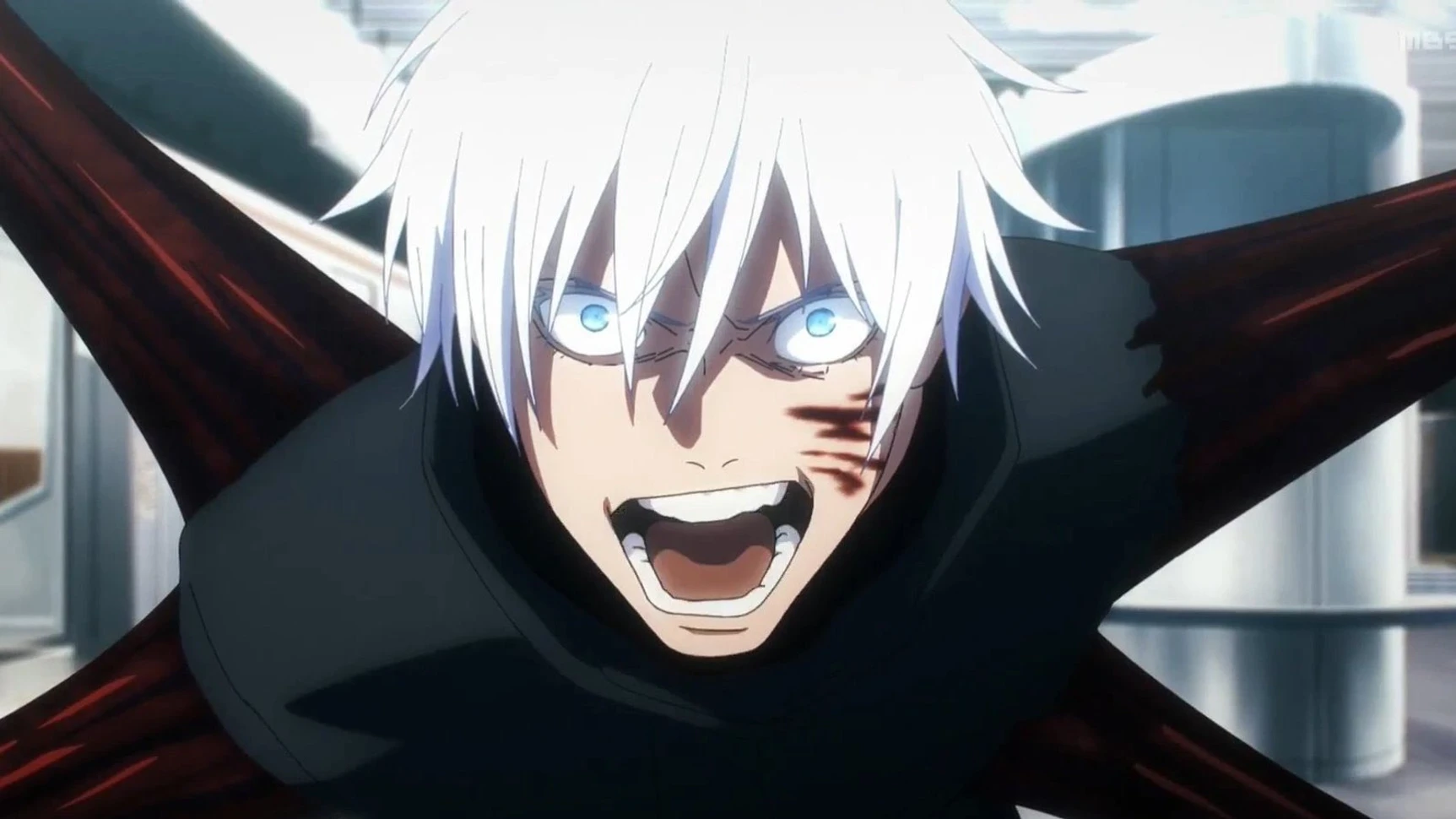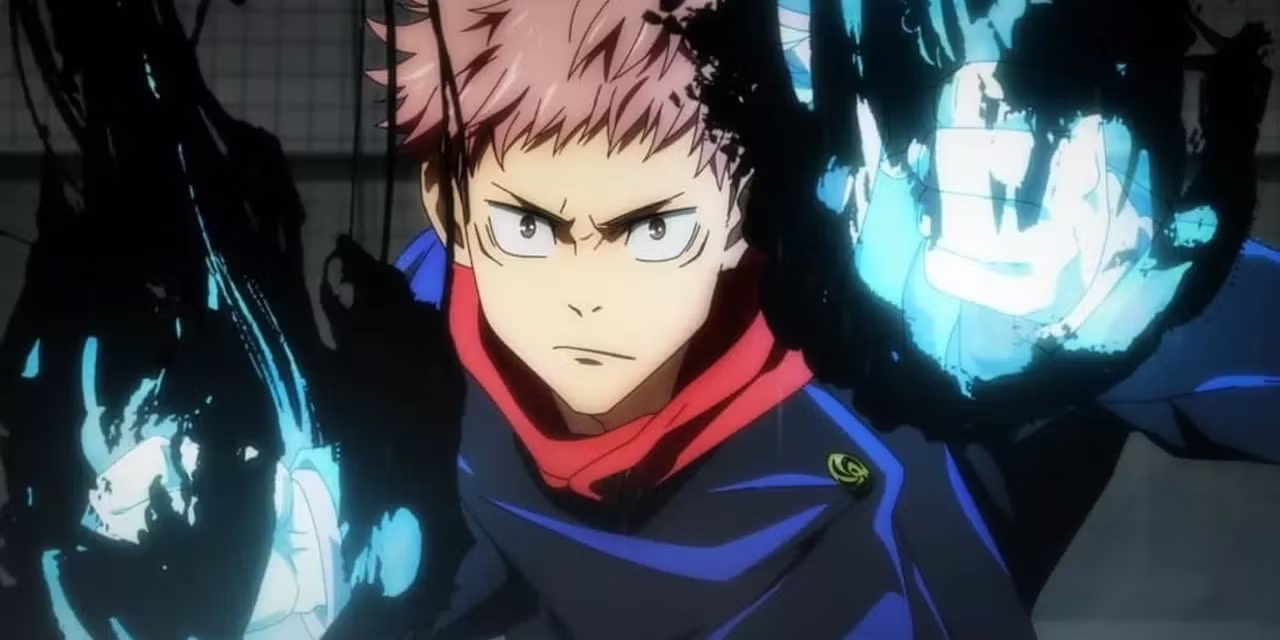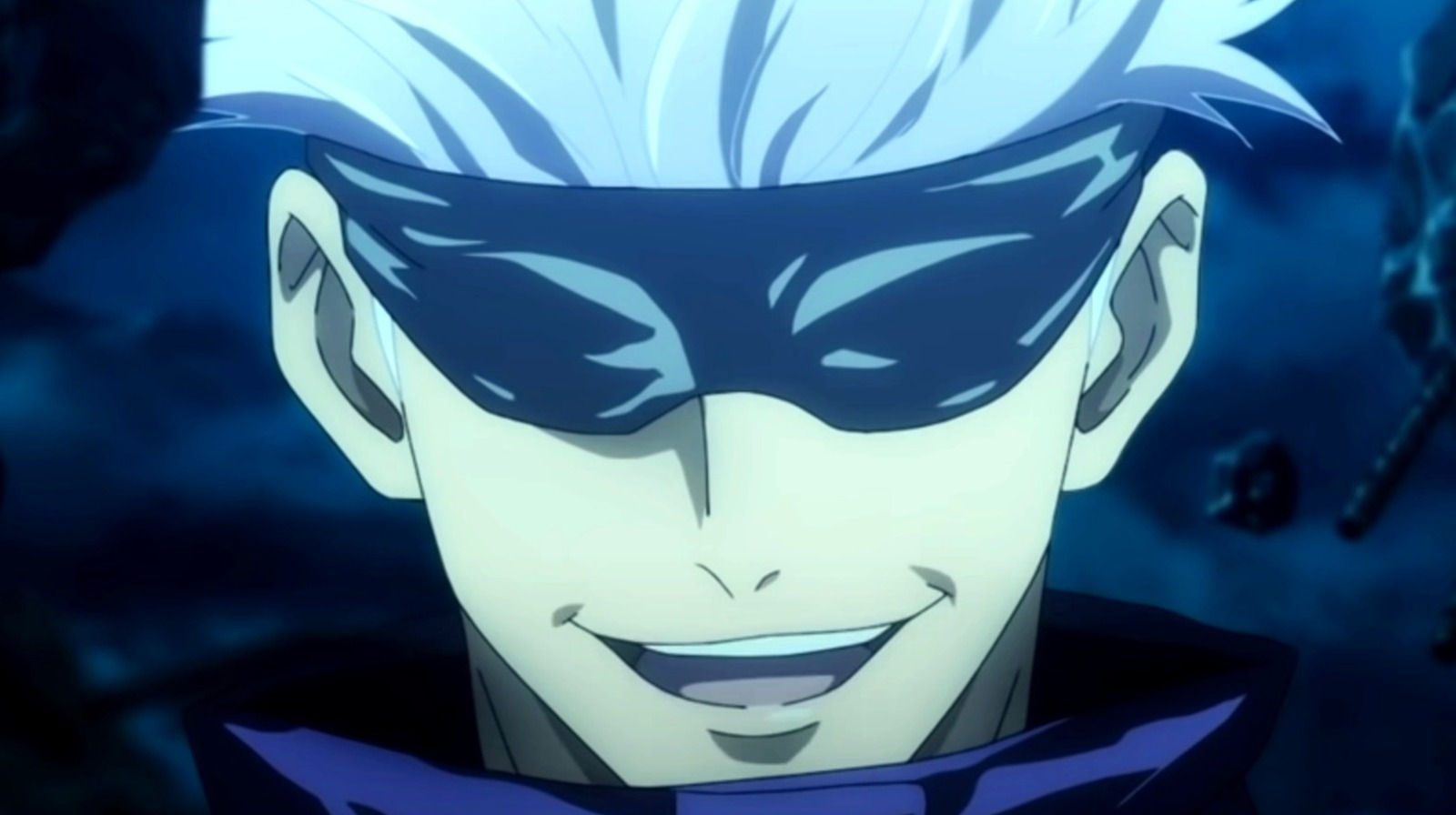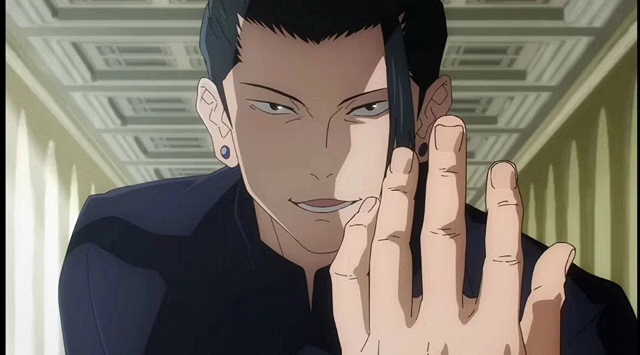

Suguru Geto did not begin Jujutsu Kaisen as someone who hated ordinary people. He was a talented student who believed sorcerers had a responsibility to protect people who could not see curses. By the time of Jujutsu Kaisen 0, he had become a murderous extremist determined to create a world inhabited only by jujutsu sorcerers. What changed was not one sudden revelation. Geto's collapse came from grief, exhaustion, disgust with the system he served, and an increasingly dangerous answer to the problem of cursed spirits.
This article contains major spoilers for the Hidden Inventory and Premature Death storyline, Jujutsu Kaisen 0, and the Shibuya Incident. The short answer is that Riko Amanai's death shattered Geto's faith, but it did not immediately turn him into a villain. The year afterward, his isolation and the mistreatment of two young sorcerers pushed his doubts into a violent ideology.
What did Geto believe before he became a villain?
When Gojo and Geto were students at Tokyo Jujutsu High, they were both exceptionally strong, but their outlooks were different. Geto argued that protecting non-sorcerers was a sorcerer's duty. Gojo, less interested in moral lectures, challenged that certainty. Their disagreements mattered because Geto's identity depended on the belief that suffering had a purpose: sorcerers fought dangerous curses so ordinary people could live without knowing the threat existed.
The job was also physically and psychologically punishing. Geto's Cursed Spirit Manipulation technique required him to ingest captured curses to control them. He repeatedly describes the experience as revolting. That detail is not a magical explanation for his later crimes; it shows how his supposedly noble work demanded a constant personal cost. For readers who want the underlying rules, our cursed energy explainer describes why curses emerge and why sorcerers must confront them.
Riko Amanai's death broke his faith in protecting people
Gojo and Geto were assigned to escort Riko Amanai, the Star Plasma Vessel who was expected to merge with Master Tengen. Their mission became more than a routine assignment when they came to know Riko as a person with her own hopes and fears. The two students were prepared to support her choice rather than treat her as a disposable component of jujutsu society.
Toji Fushiguro assassinated Riko before she could make that choice. His ability to operate without cursed energy made him an unusually dangerous opponent, as explained in our guide to Heavenly Restriction. Gojo eventually defeated Toji, but winning the fight could not reverse Riko's death. More disturbing for Geto was the sight of members of the Star Religious Group applauding what had happened.
Those spectators did not represent every non-sorcerer. Yet Geto was already vulnerable to the idea that the people he protected were capable of cruelty toward those who protected them. The applause gave his anger a target. It also exposed a contradiction in his earlier moral certainty: he had risked his life for people who could celebrate a girl's murder.
Why didn't Geto turn evil immediately?
The story is more tragic because Geto continued working after Riko's death. He did not instantly abandon Jujutsu High or announce a plan to exterminate humanity. Instead, he became quieter, increasingly isolated, and less convinced that the work was worthwhile. Meanwhile, Gojo grew powerful enough to take missions alone. His extraordinary mastery of Limitless and the Six Eyes widened the practical and emotional distance between the friends; our Gojo blindfold explainer covers those abilities in detail.
Geto's downward spiral is therefore not simply a story about jealousy of Gojo's strength. Gojo's growth meant the pair no longer shared the same daily burdens. Geto was left to absorb curses and ask himself whether the endless cycle could ever end. He could not reconcile the horrors he saw with the principle that sorcerers should always sacrifice themselves for non-sorcerers.
What did Yuki Tsukumo tell Geto?
A conversation with special-grade sorcerer Yuki Tsukumo gave Geto a framework for his frustration. Yuki wanted to address the source of cursed spirits rather than endlessly destroy individual curses. She discussed two theoretical approaches: enabling humanity to control cursed energy or removing cursed energy from people altogether. In the ordinary population, leaked cursed energy contributes to the birth of curses; sorcerers generally have better control over it.
Geto considered a brutal shortcut: if only sorcerers remained, there would be far fewer uncontrolled emissions of cursed energy and, in his reasoning, the cycle of curses could end. Yuki did not instruct him to murder non-sorcerers or endorse genocide. The important distinction is that Geto took a discussion of possible mechanisms and converted it into a moral permission slip. His proposed solution was his own choice, not an unavoidable consequence of jujutsu science.
How did Haibara's death and the village incident change him?
Yu Haibara's death on a mission deepened Geto's despair. Haibara was a younger student whose enthusiasm represented something Geto had lost: a belief that their work could be meaningful despite its danger. Seeing another young sorcerer die reinforced the feeling that the system consumed its own people while expecting them to protect everyone else.
The decisive break came during a mission to a village where residents blamed two young girls, Mimiko and Nanako, for supernatural incidents. The villagers confined and abused the children even though the girls were sorcerers, not the source of the problem. Geto saw a familiar pattern: vulnerable people with jujutsu abilities suffering at the hands of frightened non-sorcerers. This time he chose mass murder instead of protection.
Geto killed the villagers and rescued the girls. He subsequently killed his own non-sorcerer parents, a horrific act that demonstrated the consistency and cruelty of his new ideology. These actions were not defensive necessities. Saving Mimiko and Nanako did not require slaughtering a village, and the abuse they suffered could not justify targeting an entire population. The story shows how Geto transformed real grievances into collective punishment.
What was Geto trying to accomplish?
Geto's stated goal became a society of jujutsu sorcerers without ordinary humans. In his mind, eliminating non-sorcerers would eliminate the principal source of cursed spirits and spare sorcerers from endless deaths. The reasoning is seductive only if the people he intends to kill are reduced to an abstract cause of suffering. He increasingly used dehumanizing language to make that reduction easier.
The flaw is moral as well as practical. Sorcerers can still harm one another, and the story offers no reason to think a world created through mass killing would become peaceful. More importantly, the existence of a dangerous supernatural system cannot turn innocent people into legitimate targets. Geto's empathy narrowed from everyone who needed protection to the sorcerers he considered his own.
Why did Gojo and Geto become enemies?
When Gojo confronted Geto after the village massacre, their friendship could no longer bridge the gap between them. Gojo understood his friend's pain, but he could not accept the decision to kill non-sorcerers. Geto also challenged Gojo's unique position as the strongest: an impossible plan might look different if the person considering it had Gojo's overwhelming power. Their confrontation reveals that Geto's ideology was partly a response to his own powerlessness, not merely an attempt to solve the curse problem.
Gojo let him walk away at that moment. The choice makes their later conflict painful because the story never suggests they stopped knowing one another. They simply could no longer live by the same principles. Geto continued building a following, including sorcerers who felt rejected by mainstream society, and his eventual campaign culminated in the Night Parade of a Hundred Demons in Jujutsu Kaisen 0.
Was Geto evil, or was he a tragic character?
Both descriptions can apply, but they answer different questions. His history explains how a once-principled teenager became radicalized. It does not absolve him of murder. The strongest reading of his character is not that suffering inevitably creates monsters; it is that a person can recognize genuine injustice and still choose a monstrous response. Geto saw the exploitation of young sorcerers clearly, then extended that criticism into hatred of millions of people who had never harmed him.
The contrast with Gojo is revealing. Gojo also witnessed Riko's death and the failures of jujutsu society. Rather than attempt to erase ordinary humanity, he eventually focused on educating a new generation of sorcerers. Their different responses to a shared trauma are what make the friendship central to Jujutsu Kaisen rather than just a villain origin story.
Is the Geto in the Shibuya Incident the real Suguru Geto?
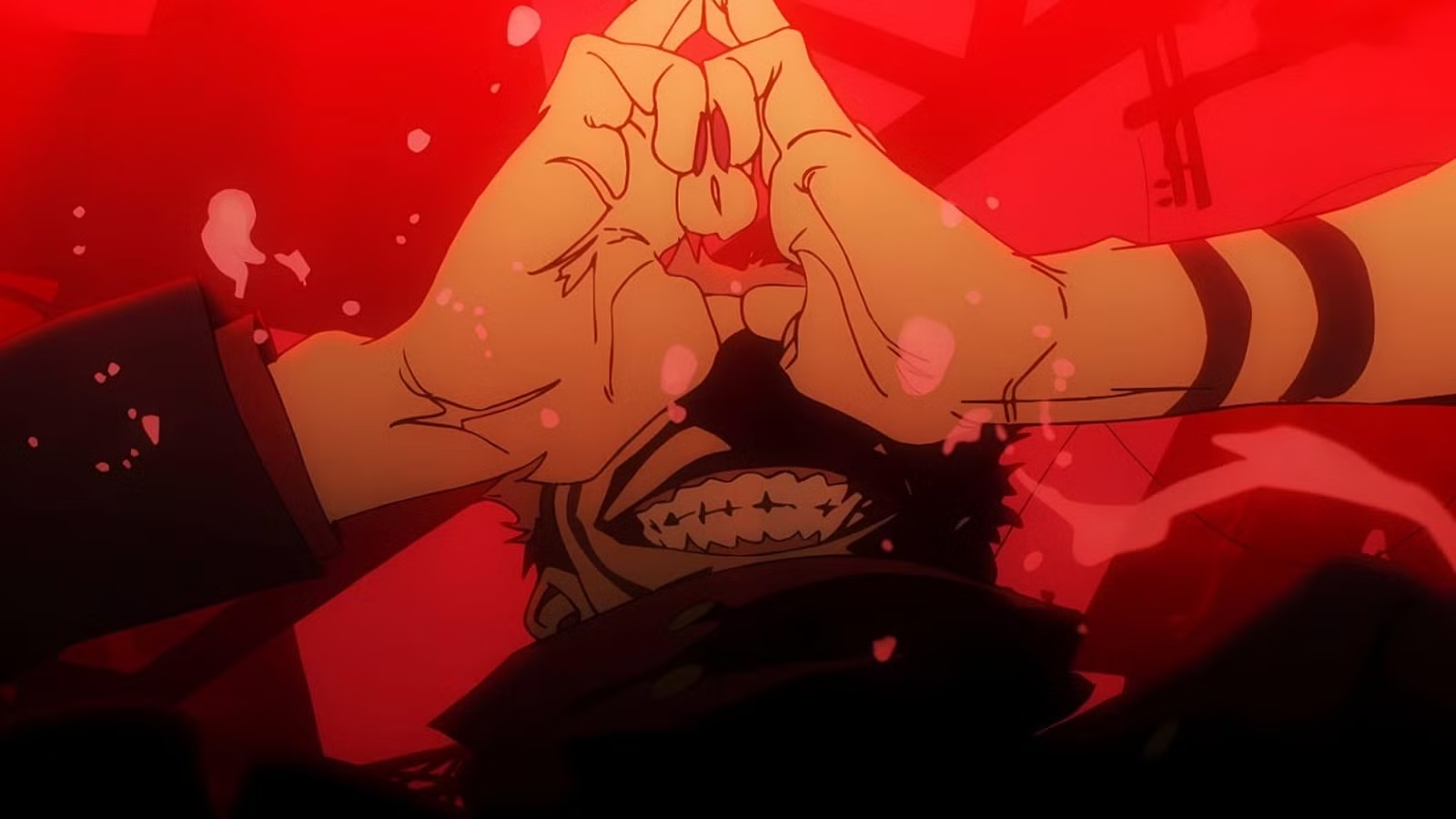
No. This is a separate twist that often confuses viewers who watch the series out of order. The real Suguru Geto is defeated by Yuta Okkotsu during Jujutsu Kaisen 0 and is subsequently killed by Gojo. The figure who later appears using Geto's body is Kenjaku, an ancient sorcerer with a body-switching technique. Kenjaku has access to Geto's appearance and Cursed Spirit Manipulation, but he is not the same person and does not share Geto's original life story.
The distinction matters when judging responsibility. Geto's crimes before his death are his own. Kenjaku's later plans, including the Shibuya operation, belong to Kenjaku. Conflating the two makes Geto seem responsible for events he did not personally direct and obscures how Gojo's unresolved grief was exploited.
Where can you watch or read Geto's backstory?
The essential backstory appears in Jujutsu Kaisen Season 2's opening Hidden Inventory and Premature Death episodes, adapted primarily from manga chapters 65–79. Jujutsu Kaisen Volume 9 contains the turning point and its aftermath. Jujutsu Kaisen 0 shows the consequences of Geto's new ideology and the end of his friendship with Gojo. For the later body-identity reveal, continue through Season 2's Shibuya Incident. Streaming catalogs and subtitles vary by country, so check the service available in your region rather than assuming a single worldwide platform.
The real reason Geto fell
Geto's downfall is a chain of choices, not a switch flipped by Toji or Yuki. Riko's murder destroyed his confidence in the people he protected. The applause at her death poisoned his sense of duty. Repeated missions and Haibara's loss drained his hope. The village incident gave his anger a final focus, and he responded by deciding that whole categories of people no longer deserved to live. Jujutsu Kaisen makes that descent understandable without presenting it as justified, which is why Geto remains one of its most unsettling antagonists.
Frequently asked questions
Frequently asked questions
Why did Geto start hating non-sorcerers?
Riko Amanai's death, the public reaction to it, repeated sorcerer losses and the abuse of young sorcerers led him to blame non-sorcerers for the cycle of curses.
Did Yuki Tsukumo make Geto evil?
No. Yuki discussed possible ways to end the creation of curses, but Geto independently chose mass murder as his proposed solution.
What happened to Mimiko and Nanako?
Geto found the two young sorcerers imprisoned and mistreated in a village. He rescued them while massacring the villagers, an act that marked his break with Jujutsu High.
Did Gojo kill Suguru Geto?
Yes. After Yuta defeated Geto in Jujutsu Kaisen 0, Gojo killed his former friend. The later Geto-like figure is Kenjaku using his body.
Which episodes explain Geto's past?
Jujutsu Kaisen Season 2's Hidden Inventory and Premature Death episodes tell the core backstory; Jujutsu Kaisen 0 shows the later conflict.