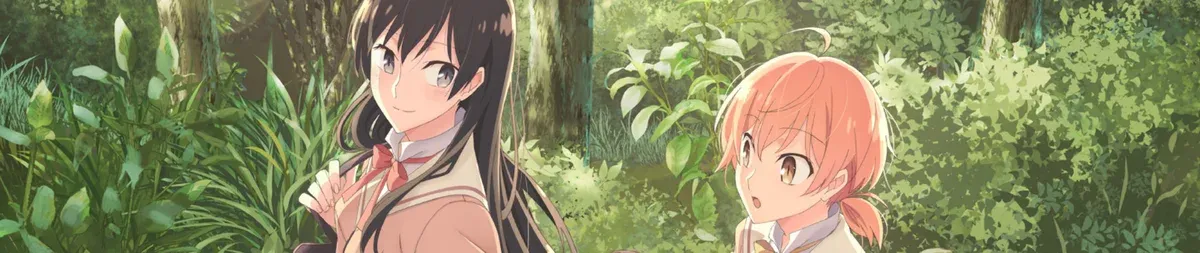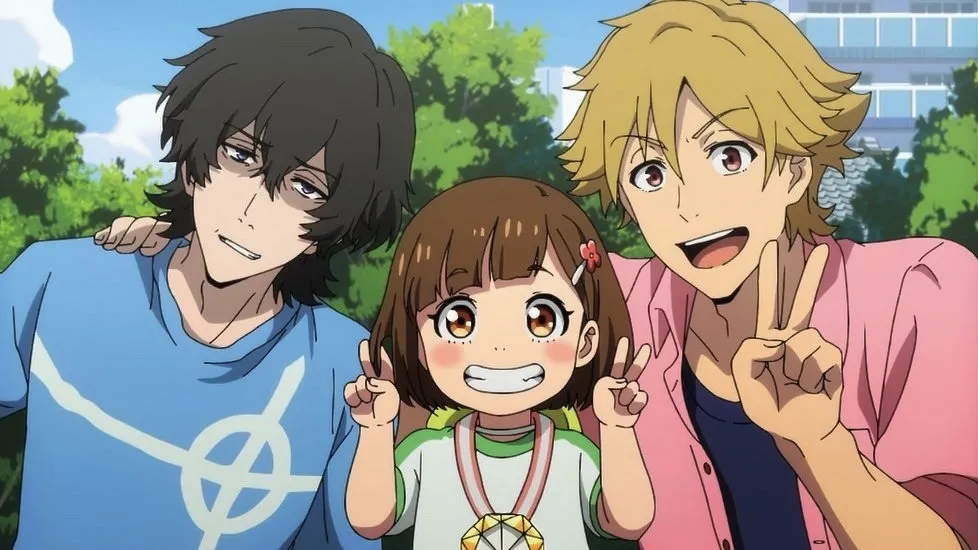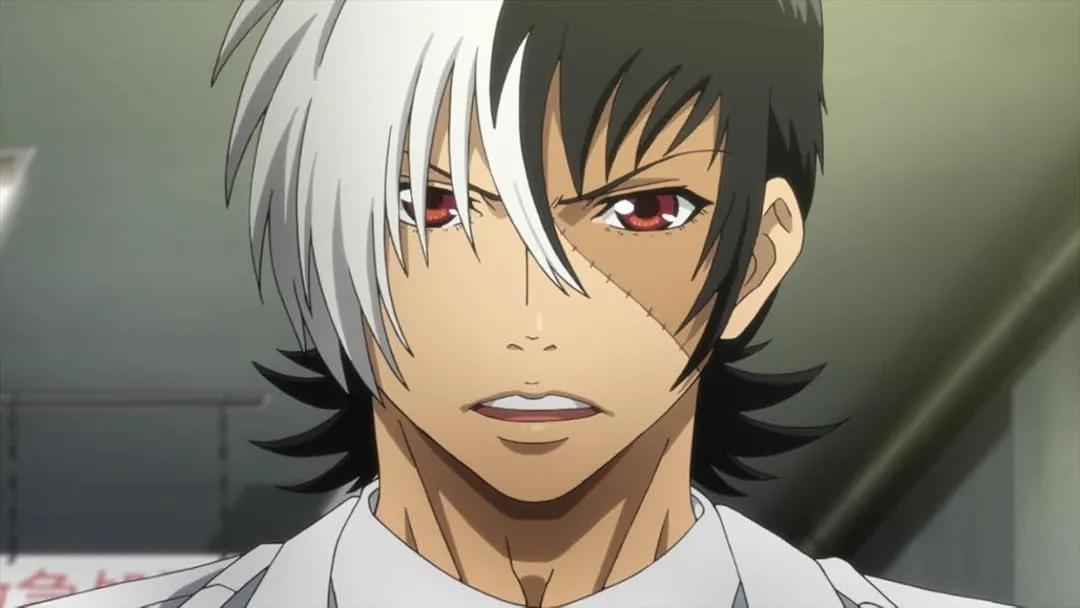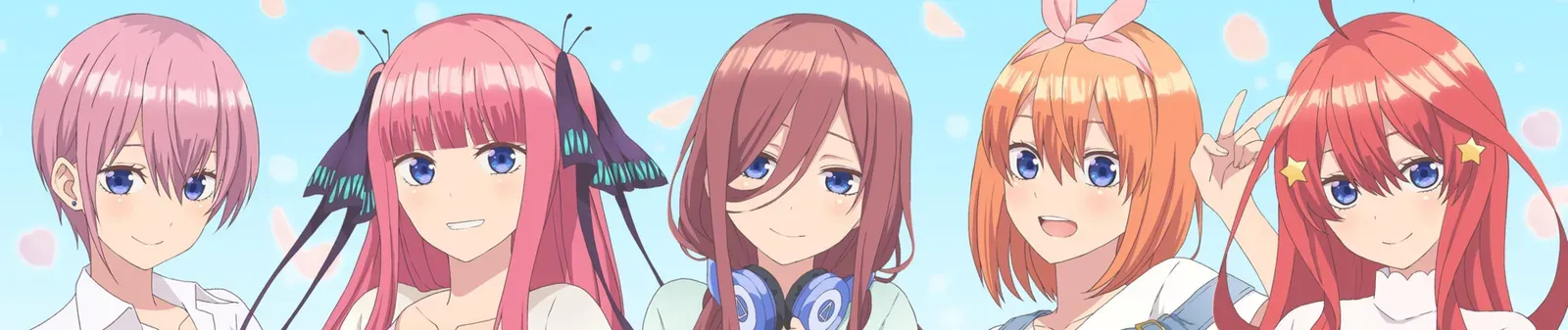

The best harem anime give you a reason to care about the cast beyond guessing who will end up together. Start with The Quintessential Quintuplets for a clear romantic mystery, The World God Only Knows for a clever supernatural setup, or Saekano for creative ambition tangled with romance. For a reverse-harem comedy, choose Ouran High School Host Club.
These 15 recommendations cover conventional harems, reverse harems and a few clearly labeled variations. Each entry explains the hook and the main limitation, so you can choose a series that fits your patience for romantic delays, comedy or fantasy action. Final partner reveals are omitted.
Best harem anime: quick picks
- A romantic mystery to follow: The Quintessential Quintuplets.
- A lead who thinks he understands romance: The World God Only Knows.
- Creative work and competing expectations: Saekano.
- Reverse-harem comedy: Ouran High School Host Club.
- A mixed-gender group of admirers: My Next Life as a Villainess.
- A deliberate parody of endless romantic competition: The 100 Girlfriends.
- A shared workplace and household: The Café Terrace and Its Goddesses.
What makes an anime a harem anime?
A harem anime organizes a substantial part of its story around one central character and several potential romantic interests. A reverse harem commonly uses a female lead with several male admirers. The category describes a relationship structure; it doesn't tell you how explicit, funny or emotionally serious the show will be.
A large cast alone isn't enough. Neither is a love triangle. For contrast, our My Dress-Up Darling romance analysis examines a story centered on a pair. Some series sit near the category because they use multiple admirers to parody dating conventions rather than to stage a straightforward competition. Those exceptions are labeled below.
The recommendations prioritize distinct character roles, a premise that creates interaction and a story worth following between confessions. Our funniest romance anime guide takes a closer look at comedy where the relationship itself drives the jokes. This is an editorial watch guide, not a popularity poll or a promise that every anime fully adapts its source.
1. The Quintessential Quintuplets
Futaro Uesugi takes a tutoring job with five sisters who have very different ways of resisting him. The central wedding mystery supplies a destination, while studying and family relationships give the cast ordinary reasons to spend time together.
The sisters work best as a group with an existing history. Helping one can change his relationship with another, and romance can put pressure on bonds that existed before he arrived. That makes choosing a favorite only part of the experience.
Watch for: an accessible romantic setup with a question the story expects you to follow. Main limitation: the anime condenses parts of the source, so it doesn't reproduce every piece of the manga's development.
Start with the first television season. Kodansha's official overview confirms the tutoring premise; avoid later-volume blurbs if you want to preserve the bride mystery.
2. The World God Only Knows
Keima Katsuragi is confident in dating simulation games and much less interested in ordinary social life. A supernatural obligation forces him to apply his game-derived thinking to people whose emotions don't stay inside a predictable set of choices.

The series gets its energy from that mismatch. Keima's ability to recognize a pattern can help him, but reducing a person to a pattern also creates blind spots. Each focused character arc lets the story vary its comic rhythm and emotional problem.
Watch for: a protagonist with a specific method, rather than one who merely waits for attention. Main limitation: the anime isn't a complete adaptation of the manga, and later material assumes some developments beyond a simple uninterrupted television sequence.
Begin with season one. The licensed Crunchyroll series page describes Keima's starting point; its existence does not guarantee availability in every country.
3. Saekano: How to Raise a Boring Girlfriend
Tomoya wants to create a visual novel and recruits people with the skills he lacks. That gives the cast a shared task, with deadlines and creative disagreements that would matter even without romantic tension.
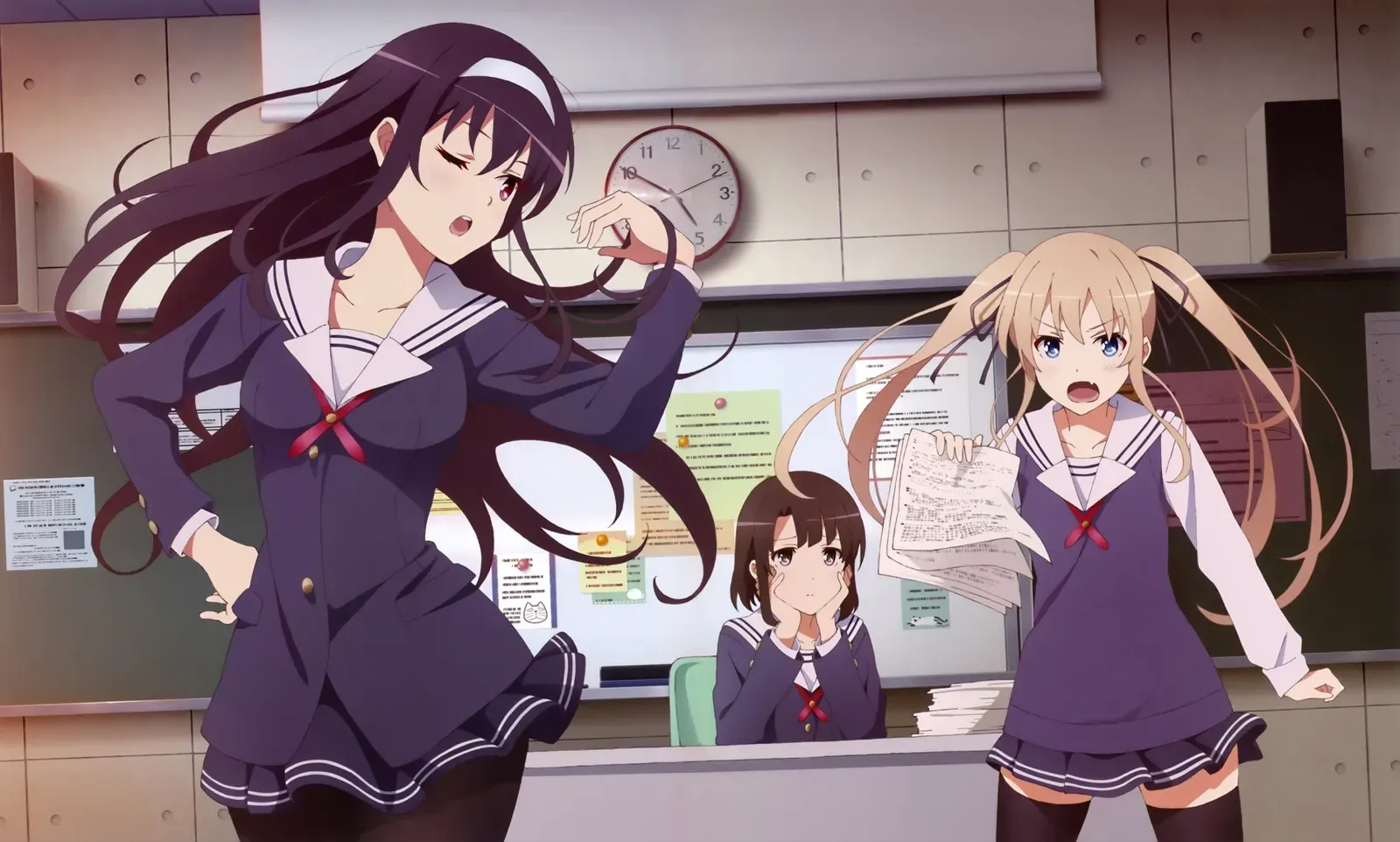
The strongest relationships involve incompatible expectations. Someone may want recognition as an artist, attention as a person or a clear answer that Tomoya is avoiding. Megumi's understated presence becomes useful because the show surrounds her with people skilled at performing recognizable roles.
Watch for: dialogue, creative work and the gap between imagining a heroine and listening to a person. Main limitation: the series uses fanservice and self-aware genre jokes that can be irritating if you want a restrained romance.
Start with the first television season; the later film is a conclusion, not an introductory alternative. The official licensed listing supplies the English title.
4. Ouran High School Host Club
Haruhi Fujioka becomes involved with a school host club whose members turn familiar romantic types into elaborate performances. The reverse-harem setup is useful because the show can make fun of those performances while allowing the people underneath them to become more sympathetic.
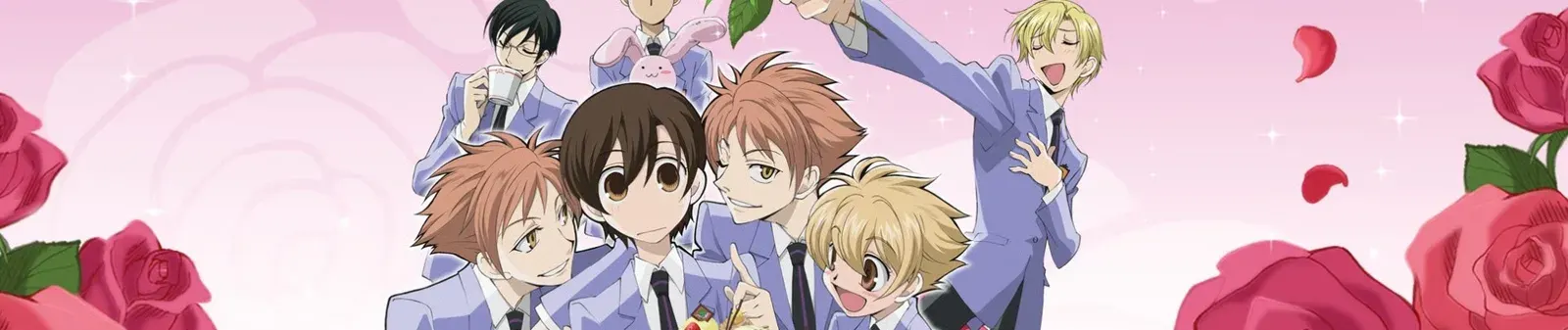
Haruhi's practical outlook gives the comedy an anchor. Wealth, status and theatrical charm don't automatically impress a lead who is often thinking about the immediate inconvenience in front of her.
Watch for: ensemble comedy, affectionate parody and a female lead with a clear perspective. Main limitation: some jokes reflect the period in which the series was made, and the anime doesn't cover the manga's full romantic resolution.
Start with the television anime. Choose it for the club's changing relationships rather than a guarantee of a complete on-screen endgame.
5. My Next Life as a Villainess: All Routes Lead to Doom!
Catarina believes she has been reborn as a game character destined for disastrous outcomes. She tries to avoid those outcomes by changing how she treats the people around her, frequently misunderstanding the feelings that result.
The admirers include both men and women, so “reverse harem” alone doesn't fully describe the group. Its main appeal is Catarina's ability to turn a hostile role into a source of connection while remaining comically poor at reading the situation.
Watch for: warm ensemble comedy built around disrupting a game's expected routes. Main limitation: romantic misunderstanding is a continuing comic device; expect an ensemble attachment story rather than fast movement toward one couple.
Start with the first season. Calling Catarina a “villainess” describes her expected game role, not a promise that the anime follows an actively cruel protagonist.
6. We Never Learn: BOKUBEN
Nariyuki Yuiga's route to a scholarship depends on tutoring students who are gifted in some areas and struggling in the subjects they actually want to pursue. That contrast gives the cast goals beyond attracting the central character.
The tutoring is useful because helping someone can require respecting an ambition that looks inefficient from the outside. Different academic problems create different kinds of intimacy, and the comedy comes from the friction between practical support and awkward feelings.
Watch for: a gentle school comedy with distinct aspirations across its cast. Main limitation: the anime's handling of an ending should not be confused with a complete presentation of the manga's later route structure.
VIZ's publisher page establishes the core academic setup. Begin with season one and keep manga-ending discussions separate if you don't want spoilers.
7. Nisekoi: False Love
Raku Ichijo and Chitoge Kirisaki must pretend to date because their feuding families need a truce. The fake relationship creates pressure from the start: they have reasons to cooperate even when they don't understand or like each other.

The wider romantic mystery adds more possibilities, while SHAFT's visual presentation makes small reactions and comic pauses unusually conspicuous. It is a good choice when you enjoy the performance of a romantic comedy as much as the final answer.
Watch for: forced cooperation, exaggerated reactions and competing attachments. Main limitation: the television anime does not adapt the entire manga or settle every part of its central mystery.
Start at the first season. The official VIZ overview states the family-truce premise. Choose this expecting an entertaining journey with a source-reading continuation, rather than a complete anime conclusion.
8. Tenchi Universe
Tenchi is pulled into a household and adventure populated by strong personalities with competing interests. The science-fiction setting gives the romantic ensemble something to do beyond repeating school-life misunderstandings.
Its older comic rhythm can feel different from recent harem series. The appeal lies in the cast's ongoing friction and the way an ordinary home becomes entangled with a much larger space adventure.
Watch for: a foundational style of science-fiction harem comedy and a cast that functions as a chaotic group. Main limitation: the wider Tenchi franchise contains separate continuities, so similarly named series aren't necessarily direct sequels.
For this recommendation, start with Tenchi Universe itself. Don't assemble an episode order from every title bearing “Tenchi Muyo!” without first choosing a continuity. That small decision prevents much of the franchise's entry-point confusion.
9. Date A Live
Date A Live combines supernatural danger with dates that have practical stakes. Shido's efforts to connect with powerful Spirits sit inside a larger mystery, giving the relationship structure a fantasy-action purpose.
The setup works best when a Spirit's individual problem changes the approach the story needs. It is weaker if you want ordinary romantic realism, since the premise deliberately makes affection part of a spectacular mechanism.
Watch for: ongoing fantasy plots, an expanding ensemble and a central lead who has to act. Main limitation: the balance of action, comedy and fanservice varies, and the franchise requires a longer commitment than a short school rom-com.
Begin with the first season. Don't treat a later season's production style or a compilation of action scenes as a reliable introduction to the characters' original conflicts.
10. Yamada-kun and the Seven Witches
A body-swapping discovery turns a school into a supernatural puzzle. The cast's abilities create reasons to investigate one another, which keeps the central relationships tied to information and trust.
This is a qualified harem recommendation: it has an ensemble of heroines and romantic complications, but a central relationship has a stronger role than the phrase “everyone competes equally” would suggest. That focus can be an advantage if you dislike endless romantic stalling.
Watch for: a compact supernatural-school setup with a more defined emotional center. Main limitation: the anime compresses material and doesn't reproduce the manga's entire later story.
Start with the television series. The mystery is easier to follow if you learn each ability as the characters encounter it rather than reading the full list of witches beforehand.
11. The Café Terrace and Its Goddesses
Hayato inherits his grandmother's café and discovers that its future matters to several women already living and working there. The shared business gives the group a practical reason to stay involved with one another.
The café is the useful distinction. Work, money and the meaning of a home can generate conflict before romance even enters the conversation. Characters have to cooperate with someone who may also be a rival or a source of irritation.
Watch for: a shared household, workplace comedy and relationships shaped by everyday responsibility. Main limitation: the series includes substantial fanservice and familiar harem misunderstandings; the work setting doesn't make it a restrained adult drama.
Begin with the first season. Kodansha's series page confirms the inheritance and café premise without requiring a romantic-outcome spoiler.
12. Hayate the Combat Butler
Hayate's new work as a butler throws him into wealthy households, exaggerated danger and a growing group of complicated relationships. The series' comic vocabulary includes parody and abrupt shifts in scale, so an ordinary task can become a ridiculous event.
Its appeal is broader than romantic competition. Hayate's competence and unfortunate circumstances keep generating situations, while the ensemble gives the jokes different personalities to bounce against.
Watch for: parody-heavy comedy with a harem structure inside a larger comic world. Main limitation: adaptation order and continuity become less straightforward across later installments, and the anime isn't a simple full-manga adaptation.
Start with the original television series. If you mostly want fast romantic payoff, the detours are likely to frustrate you; if you enjoy the cast's daily chaos, those detours are much of the attraction.
13. Haganai: I Don't Have Many Friends
A club intended to help socially isolated students make friends becomes a place where clashing personalities repeatedly fail to communicate. The romantic setup grows inside that inability to maintain ordinary friendships.
The interesting question is whether sharing loneliness is enough to make people kind to one another. The series often answers with friction, competitive behavior and awkwardness rather than an instantly supportive found family.
Watch for: messy club dynamics and a more abrasive school ensemble. Main limitation: crude humor, fanservice and mean-spirited interactions are central enough that disliking them will outweigh the premise. The anime also doesn't provide a full source-story conclusion.
Start at the first season. This is a useful choice for viewers who deliberately want imperfect relationships, not the safest recommendation for someone seeking a comforting romance.
14. The 100 Girlfriends Who Really, Really, Really, Really, REALLY Love You
The premise turns the usual question of selecting one partner into an absurd logistical and emotional challenge. Rentaro approaches the expanding group with a level of commitment that makes the exaggeration the joke.
This is a parody of romantic scarcity. Instead of treating every new cast member purely as an obstacle to someone else's ending, the series looks for increasingly extravagant ways to include another relationship. Whether that works for you depends on your tolerance for its extreme tone.
Watch for: energetic parody and a lead who is enthusiastically involved in the premise. Main limitation: the humor is loud, the relationship configurations can be uncomfortable, and fanservice is part of the package.
Begin with the first season. The title's number is the premise, not a statement that the anime has already introduced or adapted every promised relationship.
15. Romantic Killer
Anzu wants her ordinary pleasures back after a magical intervention tries to steer her life into a romance scenario. The reverse-harem structure becomes something the heroine actively resists rather than passively accepts.
That resistance gives the show an appealing viewpoint. Anzu's relationships become more interesting when she responds to people as friends with problems rather than as predetermined romantic options. The comedy eventually makes room for more serious material.
Watch for: a female lead who questions the setup and an ensemble with meaningful friendships. Main limitation: this is a reverse-harem-adjacent parody, and later stalking-related material changes the mood from the opening comedy.
Start with the anime's first episode. Don't choose it solely for a conventional “who wins?” ending; its most satisfying interest is in Anzu's refusal to treat people as assigned routes.
Harem anime versus ecchi anime
Harem describes the arrangement of romantic possibilities. Ecchi describes a style of suggestive humor or fanservice. They can overlap, but neither label guarantees the other. A reverse-harem comedy and a supernatural action series may share a multi-admirer structure while feeling very different to watch.
For a separate guide centered on that content style, see our ecchi anime recommendations. If you mainly want one relationship to progress, our romance anime with happy endings is a more direct starting point.
Choosing your first harem anime
Start with a premise you would enjoy even if your favorite character didn't become the eventual partner. Tutoring gives The Quintessential Quintuplets a recurring task; making a game gives Saekano creative disagreements; a club gives Ouran a comic routine to disrupt.
Then decide whether you need an ending. A finished manga, a television season finale and a full anime adaptation are three different things. Nisekoi and We Never Learn are enjoyable recommendations with important adaptation qualifications; those qualifications belong in the decision, not hidden after a glowing verdict.
Which harem anime is best for beginners?
The Quintessential Quintuplets is an accessible starting point because its tutor-and-five-sisters setup is immediately clear. Choose Ouran High School Host Club if you prefer reverse-harem comedy, or Romantic Killer if you want the heroine to push back against the format.
Are all harem anime explicit?
No. The relationship structure doesn't determine the content level. Check the specific series' local rating and advisories; several recommendations here include mature humor or disturbing themes even when their basic premise sounds light.
Where can I watch these series?
Use the official distributor or licensed platform listing for your country. Catalogs, subtitles, dubs and season coverage change by region. A publisher link can verify a premise without proving that a particular streaming service currently carries the anime where you live.