
Most romance anime follow a formula. Two people meet. Misunderstandings keep them apart. They blush for twelve episodes. Confession happens in the finale. Roll credits.
My Dress-Up Darling looked at that formula and threw it in the trash.
Shinichi Fukuda's manga adaptation, animated by CloverWorks, became one of the most talked-about romance anime of the 2020s — not because it reinvented the wheel, but because it remembered what makes romance actually work. Mutual respect. Genuine enthusiasm for each other's passions. Chemistry that feels earned rather than manufactured. And a complete refusal to treat its characters like props in a will-they-won't-they machine.
Here's why My Dress-Up Darling isn't just a good romance anime. It's a quiet reset of what the genre can be.
The Premise Sounds Generic. The Execution Isn't.
On paper, the setup is standard. Shy boy meets outgoing girl. Their worlds collide through a shared interest. Feelings develop.
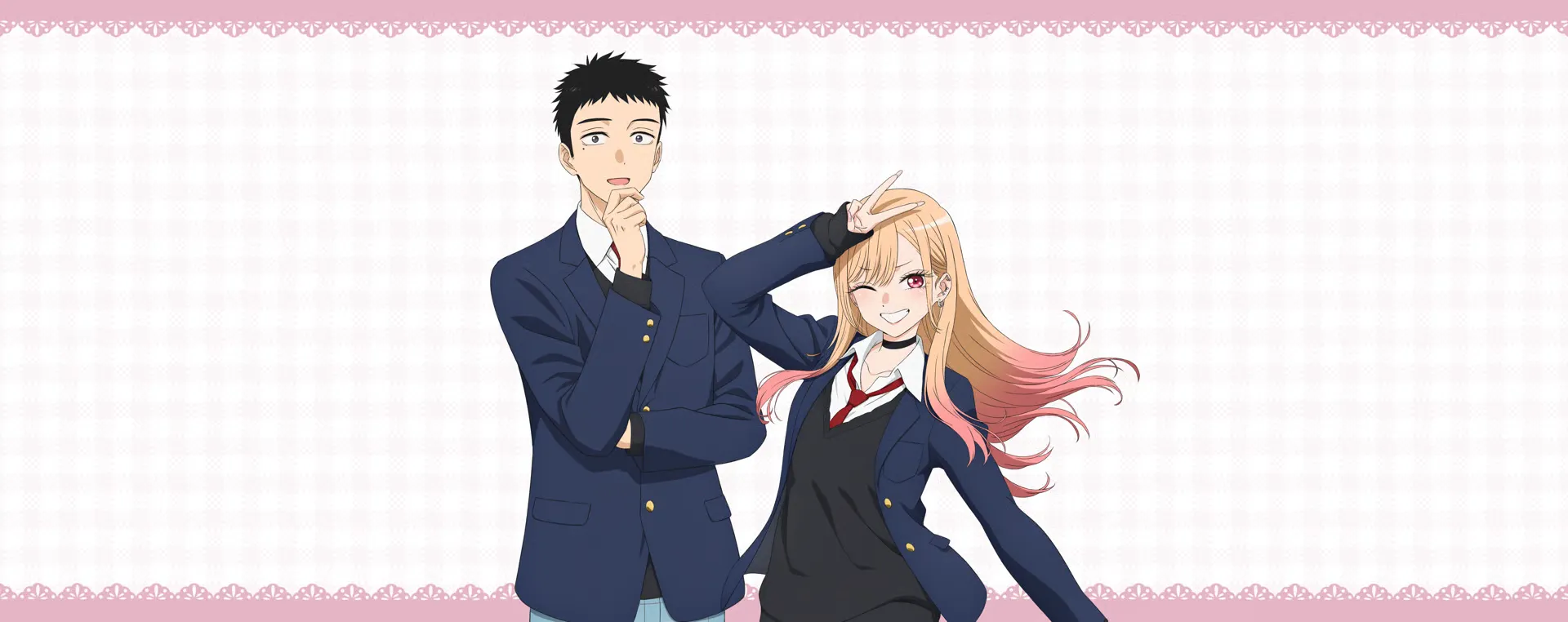
Wakana Gojo is an introverted high schooler obsessed with traditional Japanese hina doll craftsmanship — a passion so niche that he's been bullied into hiding it. Marin Kitagawa is the opposite in every visible way: popular, confident, fashionable, and loudly passionate about anime, manga, and cosplay. When Marin discovers that Gojo can sew, she recruits him to make her cosplay costumes. What starts as a transactional arrangement becomes something deeper.
The genius is in how the show handles their dynamic from the very first interaction. Marin doesn't judge Gojo's doll obsession. Not even a little. She thinks it's cool that he cares about something this deeply. And Gojo, despite his shyness, never patronizes Marin's cosplay hobby. He approaches her costume requests with the same craftsmanship he brings to his dolls — because he recognizes that her passion deserves the same seriousness as his.
That mutual respect is the foundation of everything that follows. And it's shockingly rare in romance anime.
It Doesn't Weaponize Misunderstanding
Romance anime loves miscommunication as a plot device. Characters overhear half a conversation and spend three episodes spiraling. Someone sees their crush talking to another person and assumes the worst. The entire emotional arc depends on people not having a single honest conversation.
My Dress-Up Darling doesn't do that. When Marin and Gojo misread a situation, it's resolved quickly and naturally — through actual communication. The show trusts that two people getting to know each other authentically is more interesting than watching them fumble through contrived obstacles.
This sounds simple. In practice, it's revolutionary for the genre. The tension in My Dress-Up Darling comes not from manufactured drama but from genuine vulnerability — Gojo's fear that his passion makes him weird, Marin's anxiety about whether her cosplay looks good enough, the slow realization that the person you're spending all this time with might mean more to you than you originally admitted.
That kind of emotional honesty is what the best romance in anime has always been about — connection that feels real, not scripted. Kaiba explores love through identity and memory loss. My Dress-Up Darling explores it through creativity and acceptance. Different genres, same truth: the best love stories are about seeing someone fully and choosing them anyway.
Passion as the Love Language
Here's what My Dress-Up Darling understands that most romance anime misses: shared enthusiasm is the most attractive quality a person can have.
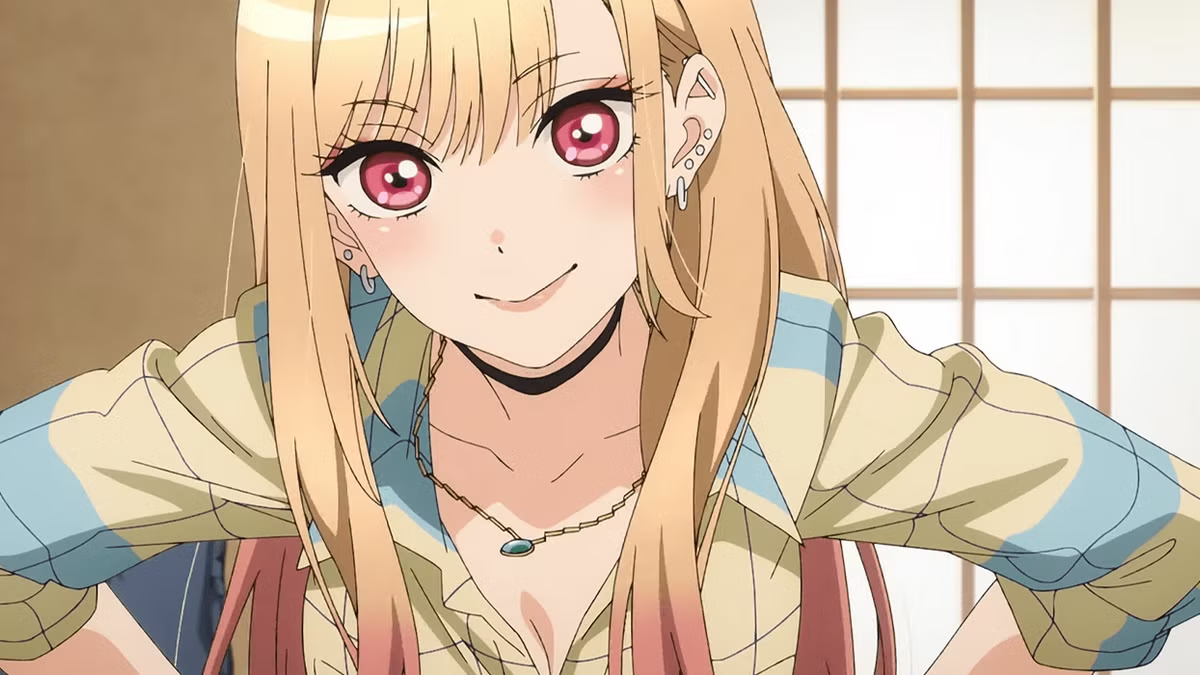
Gojo doesn't fall for Marin because she's conventionally beautiful (though the show certainly doesn't pretend she isn't). He falls for her because she's unfiltered in her excitement. She screams about her favorite anime characters. She plans cosplay projects months in advance. She cries when a costume turns out exactly right. Marin is passionate without apology, and watching someone be that openly excited about something is infectious.
The reverse is equally true. Marin doesn't develop feelings for Gojo because he's helpful. She develops them because she watches him work — the concentration on his face while sewing, the way he loses track of time perfecting a detail nobody else would notice, the quiet pride he takes in his craft. She falls for his passion before she falls for him.
This is a genuinely mature understanding of attraction. People are most compelling when they care deeply about something. My Dress-Up Darling builds its entire romance around that idea, and it works because both characters have inner lives that exist independently of each other. They're not defined by the relationship. The relationship enhances who they already are.
The Fan Service Debate (Let's Be Honest About It)
Any conversation about My Dress-Up Darling has to address the fan service, because it's there. Marin's cosplay fittings involve measurements, costume adjustments, and scenes that are very clearly designed to be visually appealing.
Some viewers find this undercuts the show's emotional sincerity. Others argue it's a natural part of the cosplay process being depicted honestly. The truth probably sits somewhere in between.
What prevents the fan service from derailing the show is context. These scenes happen within a narrative framework where Gojo is actively trying to be respectful and professional. His embarrassment is genuine, not played as a joke at Marin's expense. And Marin's comfort with her body is framed as confidence, not objectification for the viewer's benefit.
The show walks a tightrope, and whether it succeeds depends entirely on the viewer. But it's worth noting that My Dress-Up Darling's fan service exists alongside genuine character development — not instead of it. That distinction matters.
Cosplay Culture Gets Real Representation
My Dress-Up Darling might be the best depiction of cosplay in any anime.
Most shows treat cosplay as a visual gag or a one-off episode. My Dress-Up Darling treats it as a craft. The audience watches Gojo research fabrics, test dye methods, draft patterns, and problem-solve construction challenges. The show makes the creative process as engaging as the finished product.
More importantly, it depicts the community aspect of cosplay without cynicism. When Marin attends events, the interactions feel genuine — people complimenting each other's work, sharing tips, bonding over shared fandoms. It's a portrayal that cosplayers themselves have praised as authentic.
This matters because it reflects a broader shift in how anime depicts otaku culture. Where older series often mocked or fetishized fandom, My Dress-Up Darling celebrates it. Being enthusiastic about anime, manga, and cosplay isn't treated as a character flaw to overcome. It's the foundation of the entire love story. The entertainment industry's relationship with fans and creators is something Oshi no Ko dissects from a darker angle — but My Dress-Up Darling approaches the same territory with warmth and optimism.
What It Changed for Romance Anime Going Forward
My Dress-Up Darling's commercial success — the manga surpassed 11 million copies in circulation, the anime trended globally on Crunchyroll — sent a clear signal to the industry. Audiences are ready for romance anime where the leads actually like each other from early on. Where the conflict comes from internal growth rather than external obstacles. Where both characters have passions and identities that exist outside the relationship.
You can see its influence in newer romance anime that prioritize mutual respect and genuine chemistry over prolonged will-they-won't-they tension. Shows like You and I Are Polar Opposites and The Angel Next Door Spoils Me Rotten carry echoes of the same philosophy — couples who are kind to each other from the start, with drama that comes from emotional vulnerability rather than manufactured conflict.
That shift is significant. For years, romance anime defaulted to tsundere dynamics, love triangles, and confession as the climax. My Dress-Up Darling helped prove that audiences will show up for something gentler, more honest, and more emotionally mature. It's the same energy that Yona of the Dawn brought to fantasy romance — relationships built on mutual admiration and shared growth rather than dramatic gestures.
Where Season 2 Stands
As of early 2026, My Dress-Up Darling Season 2 has not been officially announced. The manga continues to serialize with plenty of material beyond what season one covered, and the commercial success of the anime makes a continuation likely — but nothing is confirmed.
The wait has been long enough that fans are understandably anxious. But considering the quality of CloverWorks' first season, a delay that ensures the same standard is preferable to a rushed follow-up. The romance anime landscape in 2026 is richer than ever, with plenty of underrated gems worth exploring while you wait.
The Real Legacy
My Dress-Up Darling didn't reinvent romance anime overnight. But it reminded the genre of something it had been forgetting: the most compelling love stories are about two people who make each other braver.
Gojo becomes more confident in his passion because Marin validates it. Marin pushes her cosplay further because Gojo's craftsmanship gives her costumes she never thought possible. They don't complete each other — they amplify each other. That's not a fairy tale. That's how healthy relationships actually work.
And in a genre that often romanticizes dysfunction, jealousy, and emotional withholding, a show that says "just be kind to each other and care about each other's dreams" is genuinely radical.
Frequently asked questions
Frequently asked questions
Is My Dress-Up Darling appropriate for younger viewers?
The anime is rated TV-14. It contains fan service during cosplay fitting scenes and some suggestive content. The emotional themes are mature but accessible.
Where can I watch My Dress-Up Darling?
Season 1 is streaming on Crunchyroll with both sub and dub options.