
Every anime season gets at least one "kicked out of the hero's party" show. It's basically its own subgenre at this point — protagonist gets unfairly dismissed, turns out to be secretly powerful, builds something better without the people who wronged him. The formula is reliable. Whether any individual show does something interesting with it is another question entirely.
Stream it on Crunchyroll. New episodes drop Wednesdays at 7:00 a.m. PT.
Jack of All Trades: Party of None arrived in Winter 2026 with solid backing — over 3.7 million copies in circulation across its light novel and manga before the anime even launched. It came in with genuine buzz, partially because fantasy fans were looking for something to fill the gap left by Solo Leveling. Nearly a full season in, it's a show that's easier to like than it is to defend.
What's the Story?
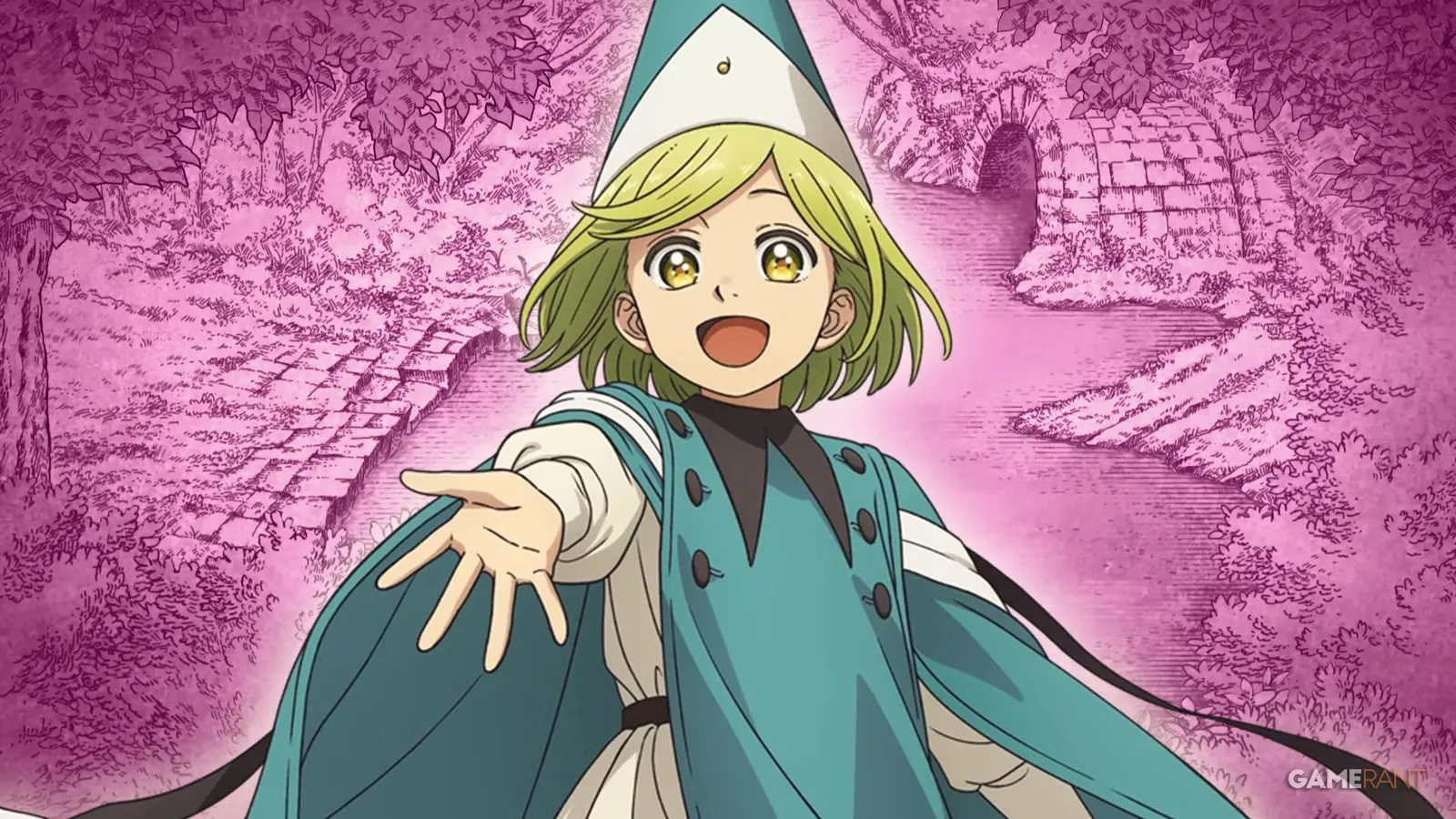
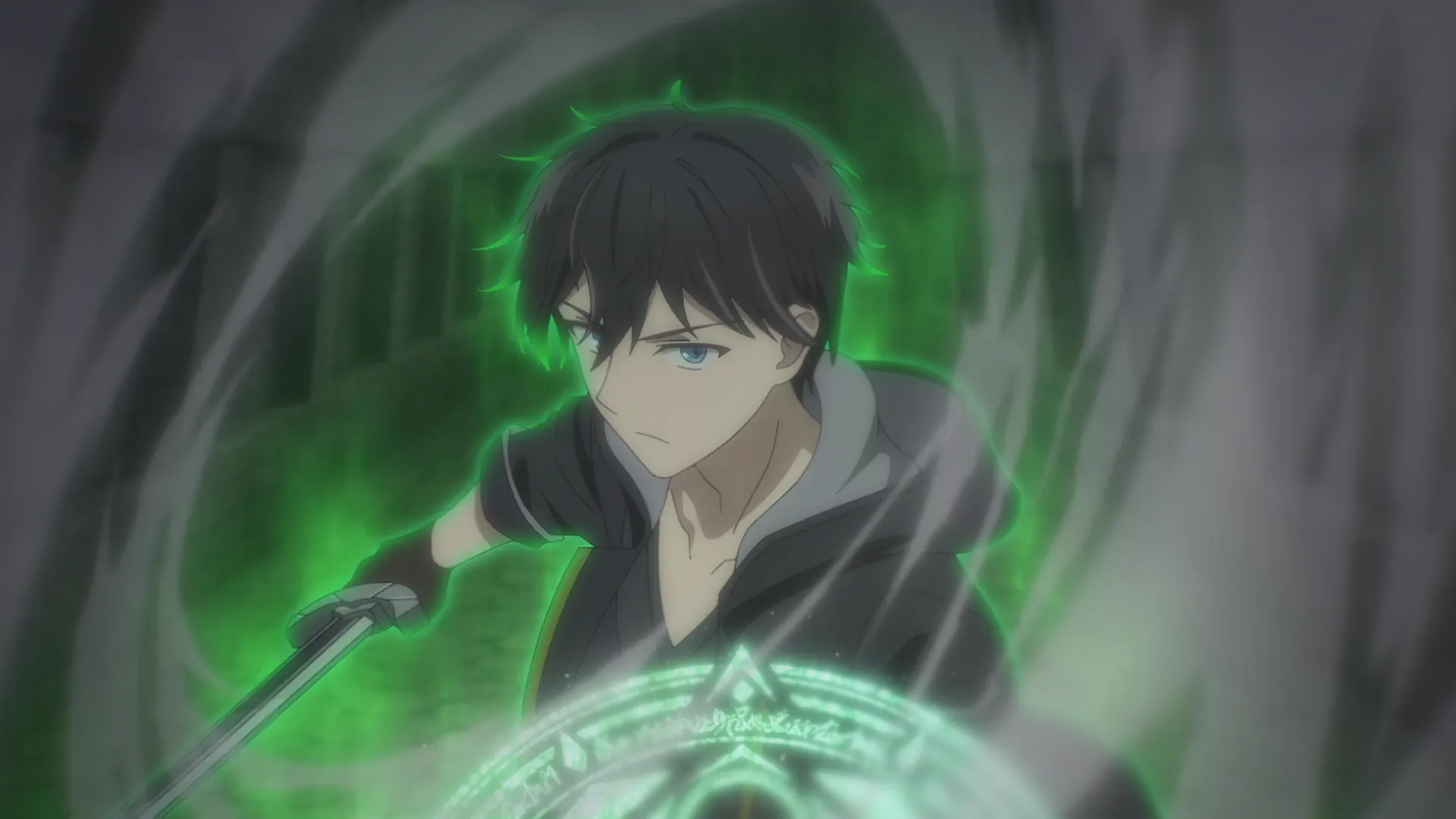
Orhun Dura spent years as an enchanter for the S-Rank Hero Party — a role he didn't even choose. He was originally a swordsman who switched specializations just to fill a gap nobody else would. He quietly developed "Original Magic," a personal buff system he built from scratch that stacks enhancements to a degree none of his party members ever understood. Their entire combat effectiveness was running, unknowingly, on his work.
Then his childhood friend and party leader Oliver kicks him out anyway. Too average. Not specialized enough. A jack-of-all-trades, master of none.
Without Orhun, the Hero Party collapses almost immediately. With him gone, he starts from scratch — mentoring rookie adventurers under a new guild, the Night Sky Silver Rabbits, rediscovering his identity as a swordsman, and slowly building toward something the people who dismissed him never saw coming.
It's a genuinely good premise. The execution is where the conversation gets complicated.
The Mentor Dynamic Is the Best Thing About It
When the show slows down and lets Orhun actually be a person rather than a walking proof of concept, it's surprisingly warm. He's not brooding. He's not plotting revenge. He reads situations quickly, treats the people around him with genuine respect, and leads through competence rather than spectacle.
There's a Frieren-ish quality to his character — an experienced adult who's done enough to stop needing to prove himself, now finding purpose in helping others grow. The scenes where he's guiding Sophia and the guild rookies, breaking down tactics and showing patience with beginners, are the most distinctive moments the show has. They're the parts that feel like they couldn't exist in a different anime.
That angle also makes the hero economy worldbuilding quietly interesting. Heroes in this world have sponsors. Parties operate like commercial brands. Orhun's departure doesn't just hurt them tactically — it affects their income, their reputation, their infrastructure. That texture is underused, but it's there.
Where It Loses the Thread
The problem is that the show doesn't trust any of this enough. It rushes past its own best ideas to get to the "isn't Orhun impressive" moments, and those moments aren't earned the way they should be.
The opening expulsion scene — the emotional anchor the entire series is built on — falls flat. The Hero Party is written so cartoonishly villainous that the betrayal reads more like a punchline than a wound. You don't feel the weight of Orhun losing people he cared about. You feel the setup of a redemption arc being ticked off a checklist.
The pacing wobbles throughout. Episode two in particular is almost entirely recap, retreading events the audience just watched as though the writers didn't trust viewers to follow along. Several mid-season episodes lean heavily on narration rather than action or character work, which strips out what little visual storytelling the show has going for it. Anime News Network's preview guide called the magic system bog-standard and the characters underdeveloped, and that assessment mostly holds.
The CGI becomes increasingly visible from episodes five and six onward, particularly in the Black Dragon sequences. Budget constraints are real and understandable, but when the show's most expensive-looking moments are also its least convincing, it undercuts the payoff the story has been building toward.
Orhun Is Likeable but Never Quite Real
Orhun himself is easy to root for, which matters more than it might sound. He's a decent anchor to follow across 12 episodes even when the writing around him isn't doing its job.
But the show never puts him under genuine pressure. He's always ahead of every situation. Supporting characters exist mainly to react to him with wide-eyed admiration. The emotional stakes of his comeback — the reason you'd care whether he succeeds — never feel high enough for the victories to land with real weight.
This is exactly where The Eminence in Shadow manages something Jack of All Trades doesn't. Cid Kagenou is also an overpowered protagonist who operates in a world that keeps underestimating him — but the show is fully aware of its own absurdity and weaponizes it. The comedy and the power fantasy are inseparable. Jack of All Trades wants you to take Orhun's journey seriously, but it doesn't give you enough friction to make the seriousness feel earned.
Compare it to the top tier of the isekai genre, where the best entries earn their emotional moments through genuine consequences — and the difference in ambition becomes clear. Jack of All Trades isn't bad. It just rarely reaches for anything beyond comfortable.
It's a Better Show Than Its Weakest Episodes Suggest
Episode five is the clearest evidence that this show has real potential hiding inside uneven execution. It's the one moment in the season where something is thrown at Orhun that his general skill set can't immediately resolve. The animation tightens up. The pacing finally has urgency. You get a glimpse of what the series could look like if it committed to stakes more consistently.
Episode eight, which pulls back the curtain on Orhun's connection to Shion and hints at a darker reading of his backstory, does something similar. The moment where she believes him dead while unknowingly tracking him suggests a larger conspiracy underneath the mentor-of-the-week structure. It arrives late in the season, but it's the most interesting thing the show does narratively.
The source material has nine light novel volumes and eighteen manga volumes of story still ahead. There's clearly more to this world than one 12-episode season can hold. Whether a second season tightens the writing or just delivers more of the same is the more interesting question than whether this first one is worth watching.
So, Is It Worth Watching?
If you watch seasonal fantasy anime regularly and enjoy the rhythm of an overpowered protagonist building something new after being wronged, yes. It's easy, it's warm, and Orhun is hard to actively dislike. The occasional stronger episode reminds you there's a better show hiding inside the inconsistent execution.
If you're coming in expecting sharp character writing, airtight world logic, or the kind of anime that lingers — the kind that hits harder the more you think about it — this probably isn't your season. The core idea is genuinely good. A man who spent years quietly doing everything asked of him, undervalued and unseen, finally building something on his own terms. That setup has real emotional potential. Season one plants the seed. Whether it actually grows into something is still an open question.
It sits at a 7.0 on IMDb, and that feels honest. Not a disappointment — just a show that hasn't yet found the ceiling of what it could be.