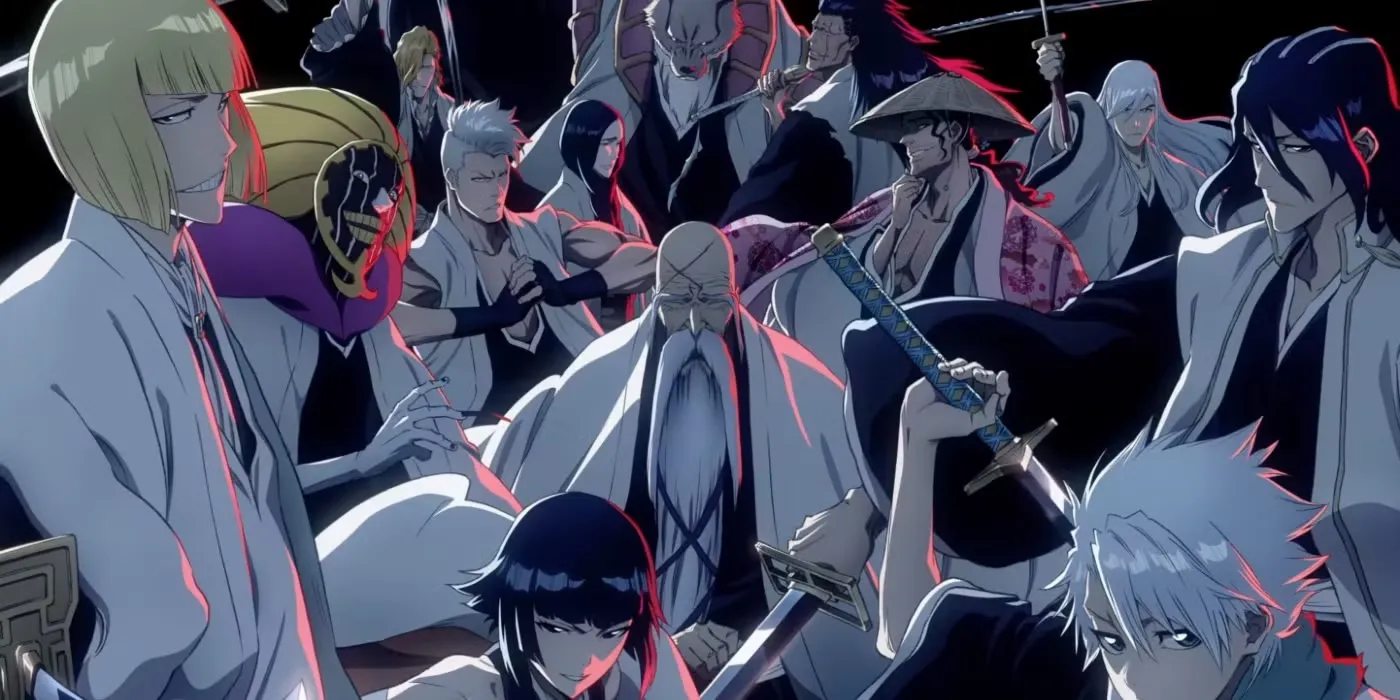

After a decade-long absence, Bleach returned in October 2022 with the Thousand-Year Blood War arc—the final chapter that the original anime never adapted. For fans who watched Ichigo Kurosaki's journey end abruptly in 2012 without proper closure, this revival felt like vindication. Studio Pierrot didn't just bring back a beloved shonen series; they elevated it with modern animation, faithful manga adaptation, and the creative freedom to fix the source material's rushed ending.
The Bleach revival anime represents more than nostalgia. It's proof that older franchises can return successfully when given proper resources and respect. The Thousand-Year Blood War adaptation has reignited interest in the Soul Reaper saga while setting precedent for other incomplete anime to receive similar treatment.
Bleach: Thousand-Year Blood War is the long-awaited anime adaptation of the manga's final arc, premiering in October 2022 after a 10-year hiatus. The four-cour series adapts volumes 55-74 of Tite Kubo's manga, introducing the Quincy invasion led by Yhwach that threatens Soul Society's existence. With upgraded animation from Studio Pierrot, improved pacing, and anime-original content fixing the manga's rushed conclusion, this final arc redemption has been praised as one of the best anime comebacks in shonen history.
Why Bleach Needed This Return
The original Bleach anime ran from 2004 to 2012, ending without adapting the final Thousand-Year Blood War arc despite being part of Shonen Jump's "Big Three." Filler arc fatigue and production scheduling issues led to its cancellation, leaving fans without closure.
When the manga concluded in 2016, reception was mixed. Readers appreciated expanded lore and Quincy mythology but criticized rushed pacing caused by Tite Kubo's health issues and publisher pressure. Plot threads felt incomplete, character arcs underdeveloped, and the final battle resolved through convenient devices.
This created unique opportunity. Unlike most adaptations that must faithfully reproduce manga, Bleach's return could improve upon source material. Studio Pierrot had Kubo's permission to expand battles, develop characters properly, and deliver satisfying conclusion the manga couldn't provide.
The Animation Upgrade: Old-School Charm Meets Modern Excellence
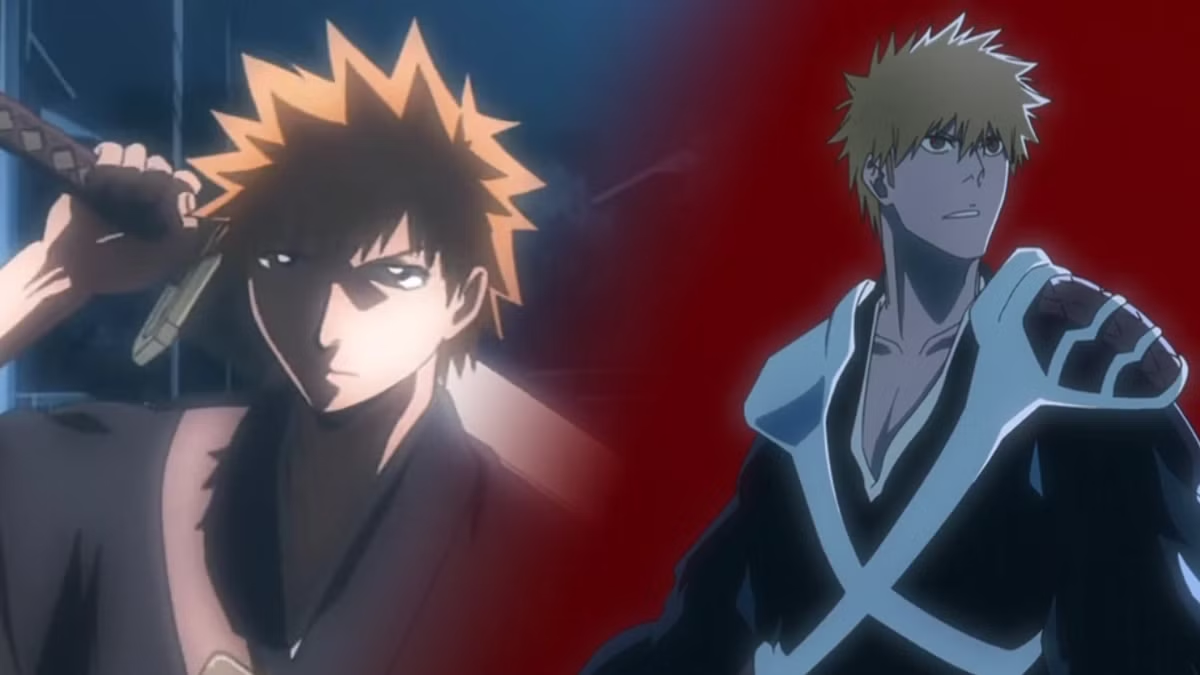
Thousand-Year Blood War's visual presentation is spectacular. Studio Pierrot maintained Bleach's distinctive art style while incorporating modern animation techniques making action sequences breathtaking.
The original anime featured solid animation for its time but occasionally struggled with budget constraints. The revival shows how far technology has evolved. Fight scenes flow with fluid sakuga. Bankai releases explode with dynamic camera work and particle effects. Character models remain detailed during rapid movement.
Similar to how Neon Genesis Evangelion uses visual symbolism, Bleach's return leverages advanced animation conveying emotional weight alongside spectacle. The art direction balances nostalgia with innovation—longtime fans recognize the aesthetic while new viewers see modern shonen competing visually with current series.
Yhwach and the Quincy Threat: Escalating Beyond Aizen
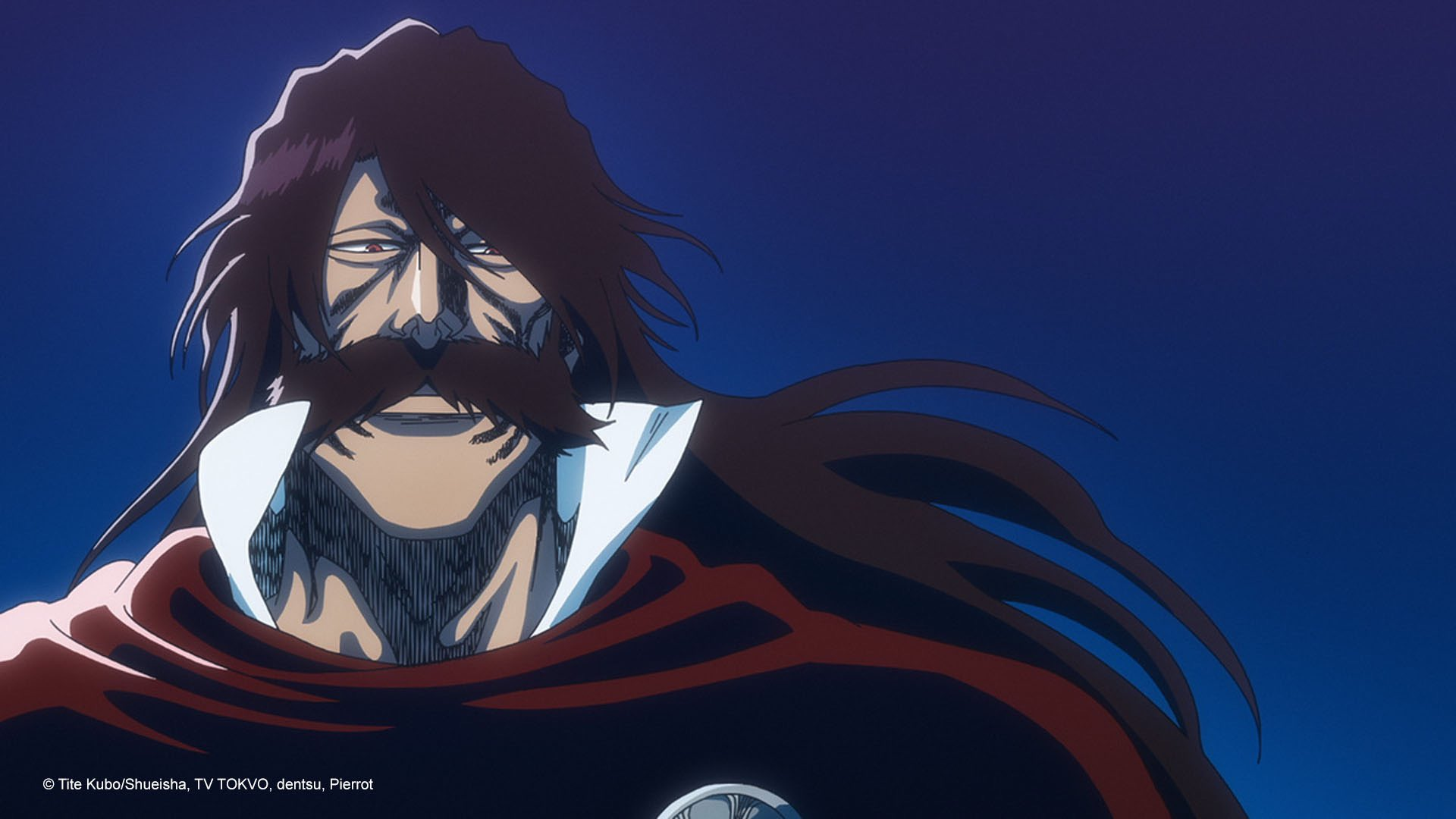
The Thousand-Year Blood War introduces Yhwach, the Quincy King, as final antagonist. After Sosuke Aizen's defeat felt like narrative climax, introducing even greater threat risked feeling repetitive or escalating power levels absurdly. Yet Yhwach works because the conflict operates differently.
Yhwach vs Aizen: Different Villain Archetypes
Where Aizen sought transcendence and godhood through the Hogyoku, Yhwach represents inevitable fate and destruction. Aizen was theatrical, manipulative, and desired to reshape reality according to his vision. Yhwach is cold, pragmatic, and believes destiny already determined everything—including his victory.
Aizen's immortality and overwhelming power made him terrifying. Yhwach's Almighty ability—seeing all possible futures and altering any future he chooses—makes him conceptually unbeatable. This creates different tension. Aizen's defeats came through finding weaknesses in his arrogance. Defeating Yhwach requires overcoming someone who can see every strategy before you execute it.
The Quincy army also differs from Aizen's Arrancar. The Espada served Aizen but pursued their own interests. The Sternritter are fanatically loyal to Yhwach, viewing him as almighty emperor. Their abilities—granted through Yhwach's blood—make them extensions of his power rather than independent forces.
This distinction makes the war feel more hopeless. Soul Society isn't just facing powerful enemy; they're fighting army that knows their every move against leader who cannot be surprised. The strategic impossibility creates genuine tension even for viewers familiar with shonen protagonist victory formula.
Like how Yhwach represents systemic threat, the Quincy invasion challenges Soul Society's fundamental existence rather than just defeating individual Soul Reapers.
The Four-Cour Structure: Pacing the Final Battle
Thousand-Year Blood War is structured across four seasonal blocks (2022-2026): Cour 1 introduces the Quincy invasion. Cour 2 follows Ichigo training while Soul Society regroups. Cour 3 features Squad Zero battles and major reveals. Cour 4 (2026) concludes Ichigo vs Yhwach and provides series epilogue.
This four-year schedule creates anticipation while allowing Studio Pierrot to maintain animation quality. Unlike weekly anime suffering production burnout, the seasonal structure ensures appropriate budget and attention per episode. The extended timeline builds community engagement through theories, rewatches, and discussion keeping Bleach conversation alive.
Anime-Original Content Fixing Manga Problems
The revival's smartest decision is incorporating anime-original scenes addressing manga weaknesses. Kubo's health issues forced accelerated pacing leaving character arcs incomplete.
The anime expands significantly: Squad Zero Bankais get full showcase, battles that concluded in pages receive full episodes, supporting cast members receive proper development. Kubo's direct involvement ensures additions feel authentic—he provides storyboards, approves changes, and draws new designs.
Cour 4's promise of "far more original content" suggests Studio Pierrot will restructure the ending entirely, potentially delivering satisfying conclusion the manga couldn't provide.
The Nostalgic Appeal and Cultural Impact
For fans who grew up watching Bleach on Adult Swim during the 2000s-2010s, the revival represents more than entertainment—it's cultural event. Bleach shaped an anime generation, influencing fashion, music, and visual style throughout Western anime fandom.
The series introduced many viewers to darker shonen storytelling. While Naruto emphasized bonds and One Piece focused on adventure, Bleach explored mortality, existential purpose, and life after death. Similar to how March Comes in Like a Lion provides therapeutic narrative, the revival offers closure for audiences invested in Ichigo's journey.
The revival also introduces new generation to what made Bleach special, showing why it was part of the Big Three.
What Bleach's Success Means for Anime Revivals
Thousand-Year Blood War's success has massive implications. If Bleach—which ended a decade ago—can return successfully, other incomplete anime might follow. Hunter x Hunter is the obvious candidate, potentially returning for the Succession War arc.
Bleach's four-cour seasonal structure provides template. Rather than continuous weekly production, studios can release 13-episode cours with months between, maintaining quality while managing costs. This suits modern streaming where seasonal anticipation drives engagement.
The willingness to improve source material sets important precedent. Studios aren't obligated to reproduce manga panel-for-panel if better storytelling serves the adaptation.
The Final Cour: What to Expect in 2026
Cour 4 "The Calamity" releases in 2026, concluding Bleach's 22-year journey. Fans can expect restructured Ichigo vs Yhwach confrontation with proper buildup, extended epilogue showing character futures, and anime-original content filling gaps the manga's rushed ending left.
The biggest question is whether Kubo will incorporate elements from his 2021 one-shot "No Breaths From Hell," potentially setting up future Bleach projects while providing proper closure.
Comparing Bleach Revival to Other Big Three Returns
Bleach isn't the only Big Three series experiencing resurgence. One Piece continues ongoing with major arcs like Wano receiving theatrical-quality animation. Naruto concluded but spawned sequel series Boruto continuing the universe.
Bleach vs Boruto: Conclusion vs Continuation
Boruto extends Naruto's world but divides fans. Some appreciate seeing new generation; others feel it undermines Naruto's satisfying ending. Bleach's approach—adapting unadapted content and concluding definitively—avoids this pitfall. The story has clear endpoint rather than indefinite continuation.
Bleach vs One Piece: Revival vs Ongoing
One Piece never stopped, but its anime struggled with pacing issues from catching up to manga. Recent arcs like Wano adopted seasonal production improving quality significantly. Both Bleach and One Piece demonstrate that taking production time yields better results than weekly grind.
What distinguishes Bleach is the decade gap. One Piece and Naruto/Boruto maintained continuous presence even with breaks. Bleach vanished, then returned triumphantly. This creates different energy—the hunger for continuation rather than comfort of continuity.
Just like how the Pain Invasion Arc represented Naruto's darkest moment, Bleach's Thousand-Year Blood War shows Soul Society facing existential annihilation, pushing stakes beyond anything in the original series.
Why This Matters Beyond Nostalgia
Strip away nostalgia and the revival still works on merits. The Quincy mythology expands lore meaningfully—revealing Soul Reapers nearly exterminated Quincies, that Yhwach is Soul King's son, and that Soul Society's foundation involves morally questionable choices adds complexity beyond simple good vs evil.
Character development elevates beyond typical shonen. Ichigo reconciles with Quincy heritage, Byakuya grows from rigid traditionalist into protective leader, Renji achieves Bankai mastery through necessity rather than training arc.
Most importantly, the revival demonstrates commitment to proper storytelling over profit. Studio Pierrot invested in four-cour structure, high budgets, and creator collaboration ensuring quality over expediency.
When the final episode airs in 2026, Bleach will have received the conclusion it always deserved. For fans who waited a decade, for a medium showing incomplete series can be redeemed, and for proof that good stories deserve good endings—the return of Bleach: Thousand-Year Blood War represents triumph worth celebrating.
Want more major anime analysis? Explore Top 10 Isekai Anime ranked in 2026 or discover best anime with zero filler arcs for quality storytelling.
Frequently asked questions
Frequently asked questions
When did Bleach Thousand-Year Blood War release?
Bleach TYBW premiered in October 2022, marking the anime’s return after a 10-year hiatus.
Is Bleach Thousand-Year Blood War the final arc?
Yes. It adapts the final storyline of Tite Kubo’s manga, concluding Ichigo’s journey.
How many episodes will Bleach TYBW have?
The adaptation is planned as a four-cour series released between 2022 and 2026.