
Most anime set in organized crime lean on supernatural powers or exaggerated violence. Then there's 91 Days—a Prohibition-era revenge thriller that strips away anime tropes to deliver something rare: a grounded, brutal mafia story that feels more like The Godfather than typical gangster anime.
Released in 2016 by Studio Shuka, this 12-episode series flew under the radar while Re:Zero and Mob Psycho 100 dominated that summer. 91 Days quietly delivered one of the decade's most mature narratives, treating its subject with the weight and realism it deserves.
Quick Answer
91 Days is considered one of the best mafia anime because it delivers a grounded Prohibition-era revenge story without supernatural elements, focusing on moral ambiguity, realistic violence, and a tragic character-driven narrative. Unlike typical gangster anime, it treats organized crime with the same psychological complexity and mature themes found in classic American crime films like The Godfather and Goodfellas.
The Prohibition-Era Setting That Brings Authenticity
91 Days takes place in Lawless, a fictional American town during Prohibition. The Vanetti family controls illegal liquor trade alongside rival families, creating volatile criminal tensions. This crime thriller anime captures bootlegging culture with remarkable historical detail.
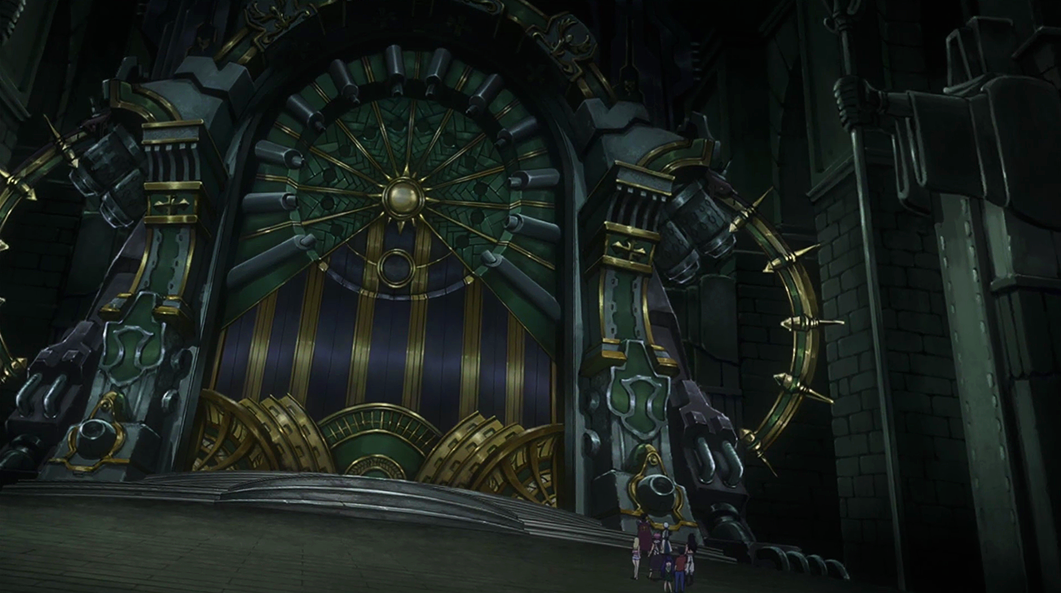
What distinguishes this gangster anime series is commitment to period authenticity. Character designs, architecture, and violence feel lifted from classic American crime films. There's no anime aesthetic bleeding through—no Japanese references, no high school flashbacks, no comedic relief. Similar to how Made in Abyss creates an immersive world, 91 Days commits fully to its harsh realities.
The muted color palette—browns, grays, sepia tones—reinforces the somber atmosphere. Shadow and lighting constantly obscure characters, reflecting the moral ambiguity permeating every relationship in this psychological crime anime.
Angelo's Revenge: Calculated and Devastating
Seven-year-old Angelo Lagusa watches the Vanetti family murder his parents and younger brother during his birthday party. Years later, using the alias Avilio Bruno, he receives an anonymous letter listing the four responsible men. His goal: infiltrate the Vanetti family and kill everyone involved in this revenge anime storyline.
Angelo's plan requires befriending Nero Vanetti, the Don's son—one of his targets. What makes Angelo compelling as a revenge thriller protagonist is his coldness. He's methodical, patient, willing to sacrifice anyone. He manipulates rival families into warring. He lets innocent people die when it serves his plans.
This psychological crime drama never asks you to condone Angelo's actions. Instead, it shows revenge corroding his soul. Each step strips away more humanity. By the time he's embedded in the organization, you wonder if the person Angelo was still exists.
Nero Vanetti: The Enemy You Root For
The series' greatest achievement is making Nero Vanetti sympathetic without softening his criminality. He's a mafia son who orders executions and is complicit in the system that murdered Angelo's family.
But he's also charismatic, loyal to subordinates, and genuinely protective of his family. His friendship with Angelo develops organically. They share drinks, survive ambushes, form a bond built on mutual respect. Nero treats Avilio like a brother, never suspecting the truth.
This creates devastating dramatic irony. We know Avilio manipulates every interaction and will betray Nero. But watching their friendship deepen makes the inevitable conclusion gutting. You question who deserves sympathy—the boy whose family was slaughtered, or the man born into this life?
Violence Without Glamour
Unlike anime that stylize combat into spectacle, 91 Days presents violence as ugly and final. Characters collapse, bleed slowly, sometimes beg. The series doesn't glorify gunfights.
The theater shootout exemplifies this—panicked confusion where you can barely tell who's shooting whom. People die pointlessly from friendly fire. It's violent chaos, not choreographed action.
This realism gives deaths actual weight. Similar to how Chainsaw Man uses violence to convey emptiness, 91 Days shows killing doesn't bring catharsis—just more killing. Angelo's revenge generates cascading bloodshed where deaths beget more deaths endlessly.
91 Days vs Other Mafia Anime: What Makes It Different
91 Days exists in rare territory among crime thriller anime. Most anime featuring organized crime incorporate supernatural elements (Baccano!), turn it into action spectacle, or use yakuza rather than Italian mafia.
91 Days vs Baccano: Grounded vs Chaotic Storytelling
While both series share Prohibition-era American settings, they couldn't be more different in execution. Baccano! treats its 1920s backdrop as playground for supernatural chaos—immortal alchemists, time-jumping narratives, and fantastical violence. It's energetic, fun, and deliberately over-the-top.
91 Days commits to grim realism. No alchemy, no immortality, no plot armor. When characters die in this gangster anime series, they stay dead. The violence isn't stylized entertainment—it's ugly and final. Where Baccano! entertains through spectacle, 91 Days devastates through authenticity.
Both are excellent anime, but 91 Days offers the purer mafia experience for viewers seeking psychological depth over supernatural thrills.
Comparisons to The Godfather
The Godfather trilogy clearly inspired many story beats—family power struggles, weddings turned violent, the toll organized crime takes on relationships. But rather than copying Coppola, this revenge anime uses that framework to explore corruption across cultural contexts. The series examines dark themes with sophistication, similar to Monster's approach to psychological horror.
The Original Anime Advantage
As an original anime rather than adaptation, 91 Days benefits from a complete, planned narrative. Writer Taku Kishimoto (Erased, Haikyu!!) crafted the story specifically for 12 episodes, allowing tight pacing without filler.
The 91-day timeframe isn't literal—episode titles like "Day 1," "Day 2" serve as narrative markers emphasizing the countdown to inevitable tragedy. Director Hiro Kaburagi's visual storytelling elevates the material through careful attention to relationships examined through betrayal and violence.
The Soundtrack Enhances Atmosphere
Composer Shogo Kaida blends jazz influences with somber strings and melancholic piano, creating atmosphere without overwhelming dialogue. The opening "Signal" by TK from Ling Tosite Sigure (Tokyo Ghoul's "Unravel") mirrors Angelo's internal turmoil. The ending "Rain or Shine" by ELISA provides necessary emotional catharsis, suggesting redemption even as Angelo sinks deeper.
The Ambiguous Ending That Divided Fans
After achieving revenge, Angelo sits with Nero—the last target. They drive to a beach. Nero points a gun at Angelo's head. Angelo confesses he had opportunities to kill Nero but didn't want to. The screen cuts black. A gunshot rings out.
Did Nero shoot Angelo? Did he shoot himself? The anime intentionally leaves this ambiguous. The ambiguity is the point—Angelo achieved revenge but found it hollow. Whether Nero grants mercy doesn't change that the person Angelo was died long before that beach.
Why It Deserves More Recognition
91 Days never achieved mainstream popularity. It aired during stacked summer 2016 against heavy hitters. Its serious tone made it less marketable. Now streaming on Hulu after Crunchyroll removed it in October 2025, accessibility remains a barrier.
But for viewers seeking mature storytelling, 91 Days delivers something rare: anime treating audiences like adults. It trusts viewers to understand moral complexity without explaining who to root for. Just as Ranking of Kings challenges conventional strength definitions, 91 Days challenges what mafia stories accomplish within anime.
Flaws Worth Acknowledging
Animation quality fluctuates—budget constraints sometimes show. Some character decisions strain believability, though never egregiously. Female characters feel underutilized despite being better than some period pieces. Pacing occasionally slows during middle episodes, though these build crucial relationships for the ending.
Final Verdict: A Masterclass in Mature Storytelling
Despite flaws, 91 Days stands as one of the best mafia anime ever created—arguably the best for realism and emotional depth. It's a series respecting its source material (classic American gangster films) while using anime's strengths to enhance rather than distract.
For viewers tired of teenagers saving the world or overpowered isekai protagonists, this Prohibition-era anime offers refreshingly adult storytelling. It's tragedy in the classical sense—we know from episode one how this must end, yet watch helplessly as characters march toward inevitable destruction.
This psychological crime anime asks difficult questions without easy answers. Is Angelo's revenge justified? Does Nero deserve to die for his father's crimes? At what point does the pursuer of justice become worse than those he hunts?
If you've wanted anime capturing The Godfather's moral ambiguity and psychological complexity, 91 Days delivers. It's not always pretty or comfortable, and doesn't provide expected catharsis. But it's honest, brutal, and unforgettable—exactly what great mafia storytelling should be.
By the time the gunshot echoes on that beach, 91 Days has already made its point: revenge doesn't restore the past. It only erases whatever future was left.
Looking for more mature anime? Check out why Perfect Blue still feels uncomfortable or discover 10 underrated anime you probably missed for more hidden gems.
Frequently asked questions
Frequently asked questions
Is 91 Days Based on a True Story?
No, but it draws heavy inspiration from real Prohibition-era America and classic mafia films.
Is 91 Days Worth Watching?
Yes, especially if you prefer realistic crime thrillers over supernatural anime.
Why Is It Called 91 Days?
The title references the narrative countdown structure marking Angelo’s revenge timeline.