
Have you ever worked incredibly hard at something, only to watch someone else succeed effortlessly? That crushing feeling when your best isn't good enough? The Pet Girl of Sakurasou knows exactly how that feels—and it's not afraid to make you feel it too.
This 2012 anime from J.C.Staff might look like a lighthearted romantic comedy on the surface. The title suggests quirky slice-of-life shenanigans at an arts school dormitory. But hidden beneath the comedy and cute character designs, The Pet Girl of Sakurasou delivers one of the most brutally honest explorations of talent versus hard work in anime.
What Is The Pet Girl of Sakurasou About?
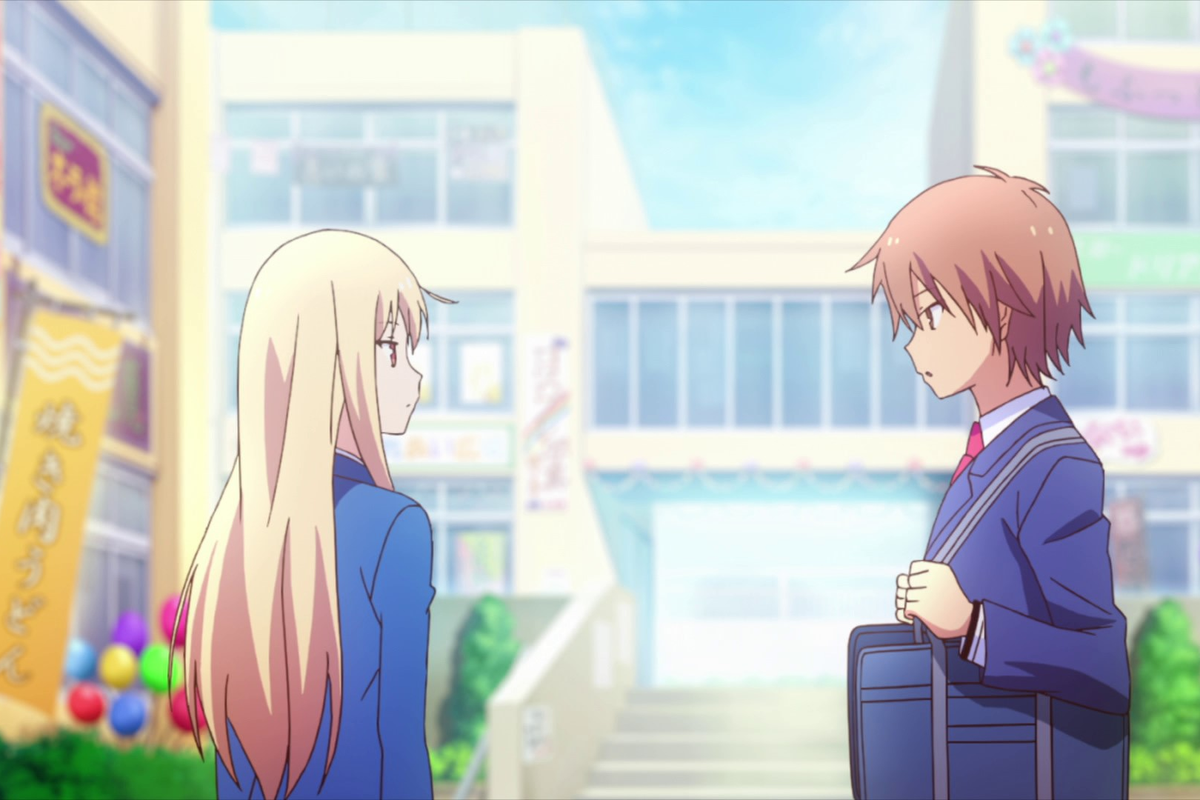
The Pet Girl of Sakurasou follows Sorata Kanda, an ordinary high school student forced to live in Sakura Hall after getting kicked out of regular dorms for keeping stray cats. Sakura Hall is the school's "problem student" dormitory—home to eccentric geniuses who excel in their artistic fields.
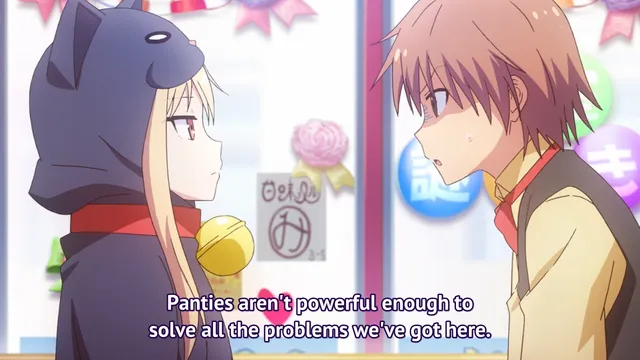
Sorata feels completely average surrounded by these talented individuals. Then world-renowned artist Mashiro Shiina transfers from England, and Sorata gets assigned as her caretaker. Despite her extraordinary painting talent, Mashiro can't perform basic life tasks like choosing underwear or making breakfast.
The anime follows their daily lives as Sorata cares for Mashiro while pursuing his own dream of becoming a game designer. Alongside them are other residents: Misaki, an animation prodigy; Jin, a talented scriptwriter; Ryuunosuke, a programming genius; and Nanami, a hard-working aspiring voice actress.
Talent vs Hard Work: The Core Theme of Sakurasou
What makes Sakurasou stand out from typical romantic comedies is its unflinching examination of talent gaps in creative fields. The anime presents a harsh reality: some people are born with natural abilities that hard work alone cannot match.
Mashiro represents raw, unfiltered genius. Her artwork is internationally recognized. She doesn't need to try—excellence comes naturally. When she decides to draw manga instead of painting, her first submission gets selected for serialization almost immediately.
Meanwhile, Sorata represents the "normal" person. He has ambition and dreams but no innate talent. He works hard on his game proposals, pouring time and effort into presentations. Yet he faces rejection after rejection from companies.
The anime doesn't sugarcoat this dynamic. It shows how painful and demoralizing it feels to stand next to someone whose natural ability surpasses your years of effort.
Episode 4: When Comparison Becomes Crushing
One of the most emotionally devastating moments comes in episode 4. Sorata is preparing to leave Sakura Hall, convinced he doesn't belong among such talented people. Then Mashiro's manga contest results arrive—she didn't win first place.
Sorata's immediate reaction? Relief. Then jealousy.
He feels relieved that even someone as talented as Mashiro can fail. But he also feels jealous because despite failing, Mashiro is still miles ahead of where he could ever be. These contradictory emotions tear him apart because he cares about Mashiro but can't separate his affection from his insecurity.
The anime brilliantly captures this internal conflict. Jin tells Sorata it's okay to feel jealous and worried at the same time. These messy, uncomfortable emotions are part of being human—especially when your dreams collide with harsh reality.
Why Nanami's Story Hits Differently
If Sorata represents someone with average talent, Nanami Aoyama represents pure determination. She left home without her parents' permission to pursue voice acting. She works multiple part-time jobs to support herself while attending school and practicing constantly.
Nanami works harder than anyone else in the series. She sacrifices sleep, social life, and comfort for her dream. The anime shows her exhaustion, her late-night practice sessions, her financial struggles.
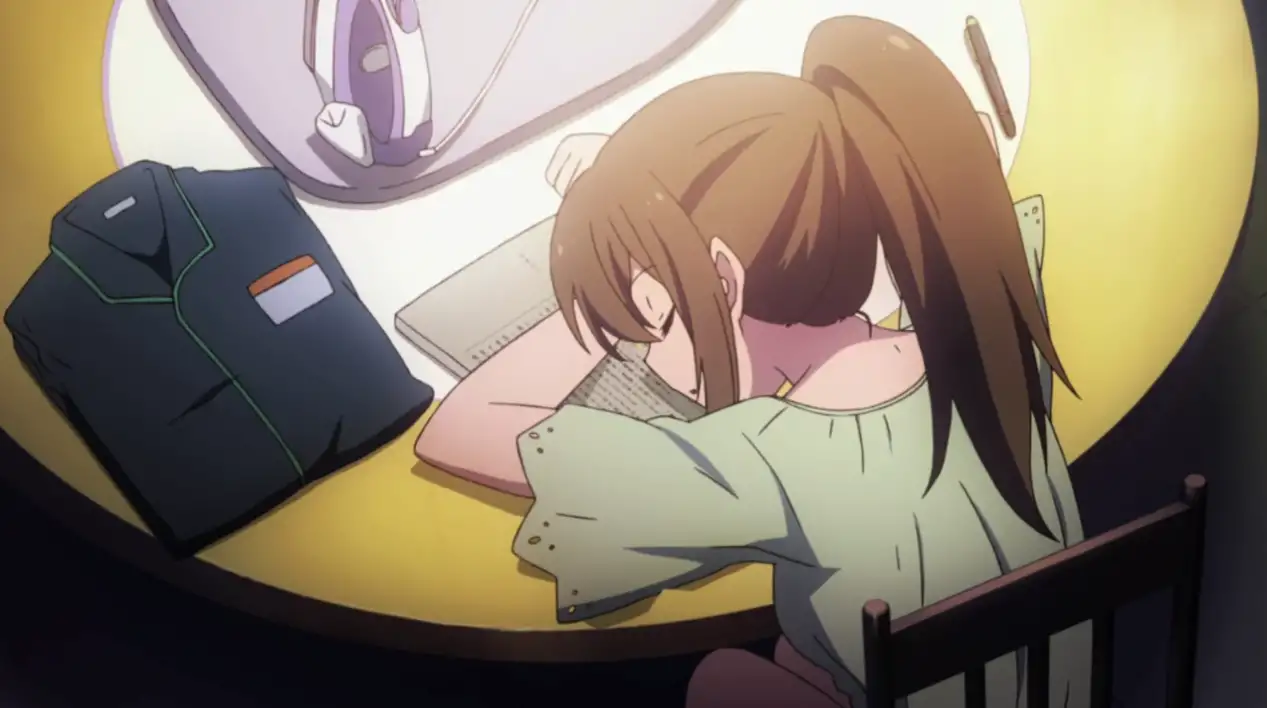
Then she fails her big audition anyway.
Her storyline deconstructs the "hard work always pays off" narrative that dominates shonen anime. Sometimes you do everything right and still don't succeed. Sometimes talent, timing, or luck matters more than effort. This reality is crushing, and Sakurasou doesn't shy away from showing that pain. Like Barakamon's exploration of creative burnout, Nanami's arc captures what happens when passion meets harsh reality.
Viewers who've experienced similar situations—studying for tests others ace without trying, practicing skills that come naturally to peers, grinding toward goals that seem effortlessly achieved by others—find Nanami's arc painfully relatable.
Sorata's Breakdown and the Lie That Hard Work Always Wins
The series reaches an emotional climax when Sorata completely breaks down. After another rejection, he lashes out with a devastating monologue about how unfair the world is.
He talks about how normal people don't stand a chance. How you can tear yourself apart working hard, but that work amounts to nothing. How hard work doesn't actually pay off for anything or everything.
This isn't a triumphant underdog moment. This is raw, ugly despair. Sorata isn't inspiring—he's broken. He's confronting the truth that determination alone won't bridge the gap between him and genuinely talented people.
The anime validates these feelings rather than dismissing them. Much like Oshi no Ko, which exposes the uncomfortable realities behind talent, success, and the entertainment industry, Sakurasou’s realism creates discomfort because it mirrors real experiences. It acknowledges that yes, the comparison hurts. Yes, it’s unfair. Yes, watching talented people succeed while you struggle is emotionally devastating.
Rita's Confession: When Jealousy Drives You Away
Rita Ainsworth, Mashiro's former roommate from England, provides another perspective on how comparison damages relationships. Rita was also an aspiring artist who lived with and cared for Mashiro.
In episode 10, Rita admits she hated Mashiro because of her talent. Rita worked hard at art, but watching Mashiro effortlessly create masterpieces while needing help with basic life skills bred resentment.
Rita even encouraged Mashiro to switch from painting to manga hoping to see her fail. When Mashiro succeeded at that too, Rita's jealousy became unbearable. She couldn't stand being around someone whose existence highlighted her own inadequacy.
This storyline shows how talent gaps don't just hurt the less talented person—they create loneliness for the talented one too. Mashiro loses friends and handlers because people can't handle the comparison. Her social isolation stems partly from others' insecurity.
The Intelligence Equals Isolation Phenomenon
The anime explores how Mashiro's talent isolates her. People hang around her briefly, get jealous of her natural abilities, then distance themselves to protect their self-esteem. This includes Sorata.
There's a recurring pattern where people close to Mashiro struggle with their feelings. They genuinely care about her but battle resentment toward her talent. This creates a painful dynamic where the talented person becomes isolated not despite their abilities but because of them. The comparison spiral becomes inescapable—similar to the self-destructive patterns explored in Welcome to the NHK, where characters become trapped by their own insecurities.
Chihiro-sensei, the dorm supervisor, represents what happens when you're talented but not talented enough. She wanted to become a professional artist and worked hard at art school. Her dreams didn't materialize for unknown reasons, and she became cynical and lazy as a teacher instead.
Her character arc suggests that failing despite having some talent might be even more painful than never having talent at all. At least Sorata knows he lacks natural ability. Chihiro had enough talent to dream big but not enough to achieve those dreams.
Episode 23: The Emotional Graduation Speech
Episode 23 delivers one of the most emotionally gripping moments in the series. At the graduation ceremony, Misaki gives a heartfelt speech about Sakura Hall and the memories created there.
She talks about dreams coming true, the hot pot traditions, sneaking into the school pool, and the cultural festival. She thanks each resident for the role they played in her life.
Then she breaks protocol. Against the school administration's wishes, Misaki publicly begs everyone to support their campaign against demolishing Sakura Hall. When officials try to remove her from the stage, Sorata grabs the microphone. Nanami and Mashiro join in. The student body stands unanimously in support.
By this point, Sorata breaks down crying, overwhelmed by their collective support. This scene works because the series spent 22 episodes building these relationships and showing how Sakura Hall became a sanctuary for misfits and dreamers.
The emotion resonates because viewers understand what Sakura Hall represents—a place where talented people don't have to hide their abilities and struggling people don't have to feel ashamed of their limitations.
The Message About Self-Worth and Growth
Despite its harsh portrayal of talent gaps, Sakurasou ultimately argues that comparison, while painful, shouldn't define your self-worth or kill your dreams.
Sorata learns that he doesn't need to match Mashiro's talent to pursue game design. His journey isn't about becoming as good as the geniuses around him. It's about finding his own path and measuring success by his own standards rather than others'.
The anime suggests that being around talented people can inspire growth rather than just breeding jealousy. Sorata starts working on game design because Mashiro's dedication to manga motivates him. Her passion is infectious, even if her natural ability is unreachable.
Jin's relationship with Misaki demonstrates this balance. He feels inadequate compared to her animation talent, which initially makes him avoid commitment. Eventually, he realizes he can love her while pursuing his own scriptwriting goals. Her talent doesn't diminish his worth.
Why Comparison Hurts But Isn't Everything
The Pet Girl of Sakurasou doesn't offer easy answers to talent inequality. It doesn't claim everyone can achieve their dreams through hard work. It doesn't pretend talent doesn't matter.
Instead, it argues that while talent gaps are real and painful, they're not the only thing that matters. Relationships, growth, finding meaning in the journey, supporting each other—these things have value independent of achievement.
Mashiro's talent makes her successful but doesn't make her happy. She struggles with emotions, relationships, and understanding herself. Her genius in art doesn't translate to wisdom in life.
Sorata lacks her talent but develops emotional intelligence, empathy, and the ability to connect with others. These qualities matter, even if they don't show up on competition results or professional achievements.
The Realism That Makes It Hurt
What makes Sakurasou emotionally devastating is its realism. This isn't a fantasy where the underdog surpasses the genius through determination. This isn't a story where hard work guarantees success.
Some characters achieve their dreams. Others don't. Some talented people succeed. Some struggle despite talent. Some hard workers get rewarded. Others burn out without recognition.
This mirrors real life in creative fields. Not everyone who wants to be an artist, musician, writer, or designer will make it professionally. Talent, opportunity, timing, and luck all play roles alongside effort.
The anime validates the pain of this reality while suggesting you can still find fulfillment even if you're not the best. You can still create, improve, and find joy in your pursuits without being exceptional.
The Character Development Through Comparison
Each character's arc involves grappling with comparison in different ways.
Sorata learns to stop measuring himself against Mashiro and instead focus on his own progress. He accepts that being average doesn't mean being worthless.
Nanami learns that failure doesn't mean giving up. She reconciles with her parents and regroups after her audition failure, recognizing that one rejection doesn't end her dreams.
Mashiro learns that talent without emotional connection leaves you isolated. She develops feelings, friendships, and a life beyond art.
Jin overcomes his fear of inadequacy and commits to Misaki, accepting that they can both pursue excellence in their fields while being together.
These arcs show growth happening not despite the pain of comparison but through processing it. The characters become better versions of themselves by confronting their insecurities rather than avoiding them.
Why Sakurasou Resonates With Artists, Developers, and Creators
The Pet Girl of Sakurasou resonates particularly with people in creative fields because it captures experiences rarely addressed in media.
Every artist has encountered someone more naturally talented. Every musician has heard someone play effortlessly what they struggled to master. Every writer has read work that makes their own seem amateurish.
These experiences breed insecurity, jealousy, and self-doubt. You question whether you should continue. You wonder if hard work matters when others achieve more with less effort.
Sakurasou acknowledges these feelings without judgment. It says: yes, this hurts. Yes, it's unfair. Yes, you're allowed to feel frustrated and jealous. These emotions don't make you a bad person.
But the anime also shows characters continuing anyway. They keep creating, keep trying, keep growing—not because they'll definitely succeed, but because the alternative is giving up entirely.
The Bittersweet Ending and What It Means
The anime ends on a bittersweet note. Sakura Hall isn't demolished. Relationships continue. Sorata and Mashiro's connection deepens. But not all problems are solved.
Sorata still faces an uncertain future in game design. Nanami's voice acting career remains unclear. The characters graduate without guaranteed success in their chosen fields.
This ending feels honest rather than satisfying. Life doesn't wrap up neatly. Pursuing creative dreams means accepting uncertainty and continuing despite it.
The final episode introduces new residents to Sakura Hall, suggesting the cycle continues. New dreamers will face the same struggles with talent, comparison, and self-doubt. But they'll also find the same support, friendship, and growth opportunities.
Should You Watch If Comparison Triggers You?
This is a valid concern. The Pet Girl of Sakurasou can be emotionally difficult if you're sensitive to themes of inadequacy and comparison.
The anime doesn't sugarcoat how much it hurts to feel less talented than peers. It shows multiple characters breaking down emotionally. It depicts jealousy, resentment, and despair honestly.
However, it also ultimately provides a hopeful message about finding value beyond talent. If you can handle emotionally heavy content, the series offers catharsis and validation for feelings many creative people experience but rarely discuss.
The comedy and romance elements balance the heavy themes. The series isn't relentlessly depressing—it has genuinely funny moments, heartwarming friendships, and satisfying character development.
The Lasting Impact on Viewers
Many viewers report that The Pet Girl of Sakurasou changed how they view their own creative pursuits. The series gave them permission to feel jealous without shame. It validated their struggles while encouraging them to continue anyway.
The anime's honest portrayal of talent gaps helps viewers process their own experiences with comparison. Seeing characters navigate these emotions provides a framework for understanding personal insecurities.
Some viewers find it motivating—if the characters can continue despite their struggles, so can they. Others find it comforting—knowing these painful experiences are universal rather than personal failings.
Final Thoughts: The Beauty in Imperfection
The Pet Girl of Sakurasou hurts if you compare yourself to others because it holds up a mirror to those painful feelings. It doesn't offer false hope that hard work conquers all or that talent doesn't matter.
Instead, it suggests something more nuanced: comparison is inevitable and painful, but it doesn't have to define your journey. You can acknowledge others' superior abilities while still finding value in your own path.
The series reminds us that being "ordinary" or less talented doesn't mean being worthless. Sorata's journey matters even though he's not a genius. His growth, relationships, and determination have value independent of comparison.
As Sorata says late in the series: "I realized... It wasn't that the days were boring. It was being just like everyone else." His journey is about finding color and meaning in his own story rather than measuring it against others.
That's perhaps the most important lesson The Pet Girl of Sakurasou offers: your worth isn't determined by how you compare to the most talented person you know. It's determined by what you do with your own unique combination of abilities, limitations, and dreams.
And sometimes, that's enough.
Frequently asked questions
Frequently asked questions
Is The Pet Girl of Sakurasou a depressing anime?
It can be emotionally heavy, but it balances despair with hope, comedy, and growth.
Is Sakurasou realistic about talent and hard work?
Yes. It openly admits that effort does not always beat natural ability.
Is The Pet Girl of Sakurasou worth watching today?
Yes. Its themes feel even more relevant in creative and competitive careers.
Does Sakurasou have a happy ending?
It has a bittersweet ending. Life continues, dreams remain uncertain.