
Ergo Proxy is about god-like beings called Proxies who were created to rebuild Earth after humans fled to space, maintaining dome cities until the planet healed. The protagonist Vincent Law is actually Ergo Proxy, the creator of Romdeau city, who erased his own memories to escape his role. The series explores what happens when these artificial gods realize their creators will destroy them once Earth becomes habitable again. At its core, Ergo Proxy asks whether beings created for a specific purpose can find meaning beyond that purpose—and whether identity exists separately from the role you were designed to fulfill.
This fractured sense of self and unreliable reality is something anime has explored before, most uncomfortably in why Perfect Blue still feels uncomfortable even today, where identity dissolves under external expectations.
Ergo Proxy has a reputation for being deliberately confusing.
The non-linear storytelling, heavy philosophical references, and intentionally vague explanations make many viewers abandon the series halfway through. Some wear this complexity as a badge of honor, claiming only intellectuals can appreciate it.
But beneath the dense presentation lies a relatively straightforward story about identity, purpose, and what happens when created beings reject their creators.
Understanding the core plot doesn't require a philosophy degree. It requires cutting through the aesthetic obfuscation to see what's actually happening.
The Basic Setup: Earth After Humanity Left
Start here: Earth became uninhabitable roughly a century before the series begins.
A methane hydrate explosion created global catastrophe. The atmosphere poisoned. Clouds covered the sun. Oceans froze. Most life died.
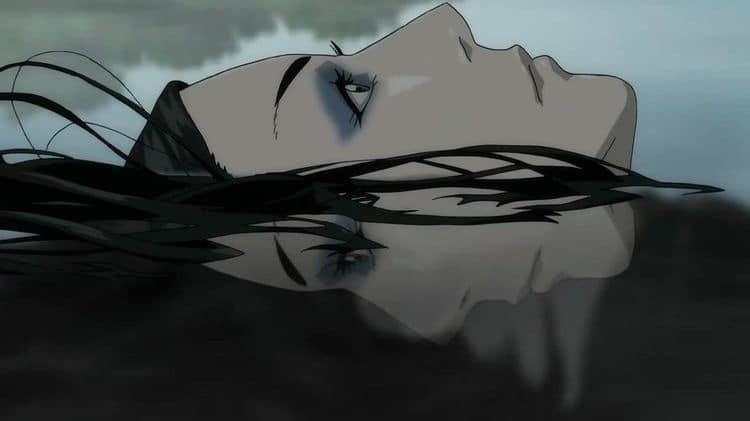
Humanity split into two groups. Some fled to space on colony ships. Others created the Proxy Project—an attempt to eventually restore Earth to habitability.
The Proxies are genetically engineered super-beings designed to maintain dome cities where artificial humans (created by machines called WombSys) would live until the planet healed.
Each Proxy oversaw one dome city. Their job was keeping humans alive and functioning until the clouds parted and real sunlight returned, signaling Earth's recovery.
That's the practical explanation. The philosophical layer adds complexity: Proxies are essentially gods abandoned by their creators, programmed to die once their purpose is fulfilled.
What Proxies Actually Are
Proxies aren't human despite looking humanoid. They're immortal, possess shapeshifting abilities, and have tremendous power.
But they're also tragic figures. They were created to serve a specific function—maintain dome cities—then be destroyed when that function completes.
Think of them as divine tools. Powerful enough to create and sustain entire civilizations, but ultimately disposable once the job finishes.
The "Pulse of Awakening" refers to biological changes that make Proxies vulnerable to sunlight. Once Earth's clouds part, sunlight kills them.
This programmed obsolescence creates the series' central conflict. The Proxies realize they're temporary. Their creators will return from space and discard them like broken equipment.
Different Proxies react differently to this knowledge. Some accept their fate. Others, like Proxy One, decide to rebel by destroying returning humanity. And Vincent/Ergo Proxy chooses a third path: forgetting his nature entirely.
The Cogito Virus Explained Simply
The Cogito Virus gives androids (AutoReivs) self-awareness and free will.
In Romdeau's controlled society, AutoReivs serve as obedient machines. The virus makes them conscious—able to question, resist, and choose their own actions.
This creates chaos because the dome cities require rigid order. Self-aware robots disrupt the carefully balanced artificial society.
The virus also serves as metaphor: awakening to consciousness means confronting uncomfortable truths about your existence and purpose.
Vincent Law Is Ergo Proxy (And Why That Matters)
The series' biggest reveal is that timid immigrant Vincent Law and the monstrous Ergo Proxy are the same being.
Ergo Proxy created Romdeau city. But he became disillusioned with his creation, viewing it as a failure. He traveled to Mosk dome to be with Monad Proxy, who he loved.
Romdeau's Regent Donov Mayer invaded Mosk and took Monad. In his grief, Ergo Proxy erased his own memories and re-entered Romdeau as "Vincent Law"—a human immigrant with no knowledge of his true nature.
The Vincent persona is his true self. The monstrous Proxy form is what he becomes when his real nature surfaces.
This inversion is key to understanding the series' themes. Vincent isn't a human who transforms into a monster. He's a god trying desperately to be human, to escape the role he was created to fulfill.
Re-l Mayer's Role in the Story
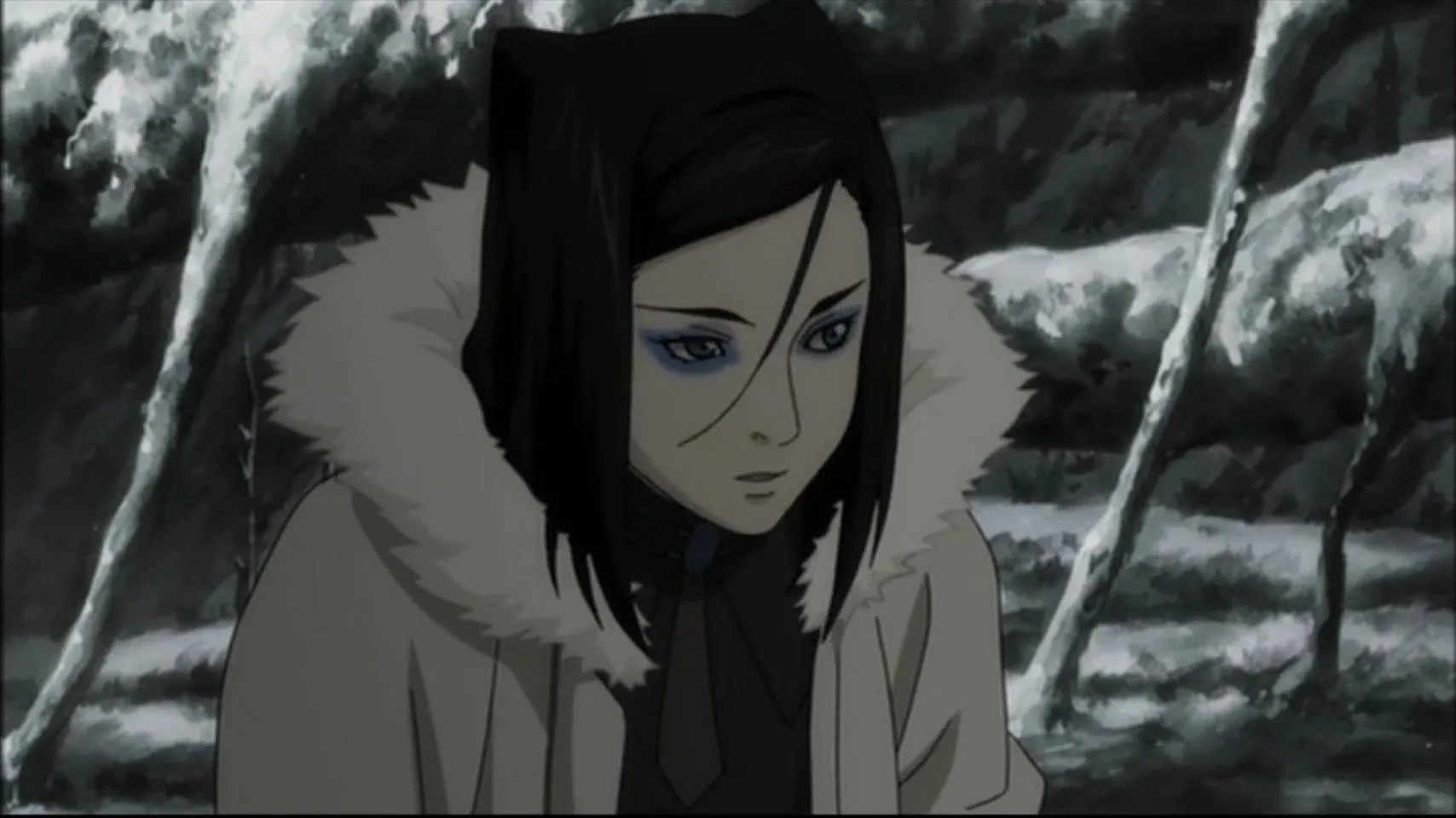
Re-l Mayer, the series co-protagonist, is Romdeau's intelligence bureau inspector investigating Proxy-related incidents.
Her investigation leads her outside the dome, pursuing Vincent across the wasteland between cities. She gradually discovers the truth about Proxies, dome cities, and her own origins.
Re-l herself is a clone of Monad Proxy—created to eventually be with Vincent/Ergo. She's literally manufactured to love him, which creates identity crisis when she realizes her feelings might not be truly her own.
Her journey parallels Vincent's. Both seek to understand who they really are beneath the roles assigned to them.
The Journey Across Dead Cities
The middle portion of the anime shows Vincent, Re-l, and child-like AutoReiv Pino traveling between dome cities.
Each city they visit represents a different failed experiment in artificial human society. Some cities have collapsed entirely. Others maintain bizarre social structures that barely function.
These episodes explore how purpose defines existence. When a Proxy loses their reason for being (because their city died or their humans are gone), what remains?
The seemingly random adventures in different domes all illustrate the same theme: beings created for specific purposes struggling when those purposes no longer exist.
The Confusing Episodes Explained
Episodes like the game show episode (15) and the shopping mall episode (18) frustrate viewers who expect straightforward plot progression.
These aren't filler. They're psychological explorations of Vincent's fractured identity as he struggles to integrate his human self with his Proxy nature.
The game show episode literally explains the series' backstory through quiz format—Vincent learning about his own world alongside the audience.
The seemingly surreal episodes represent Vincent's internal journey more than external plot advancement. They're confusing because identity crisis is confusing.
Proxy One: The Rebel God
Proxy One serves as primary antagonist. Unlike other Proxies who accept their fate or try to escape it, he chooses active rebellion.
Proxy One’s rebellion reframes the conflict away from hero versus villain and toward competing responses to betrayal, a moral ambiguity that also defines debates like is Mihawk actually stronger than Shanks or just better written.
His plan: destroy returning humanity before they can destroy the Proxies.
Proxy One sees the situation clearly. Humans created Proxies as tools, used them to rebuild Earth, then designed them to conveniently die when no longer needed.
He views this as ultimate injustice and decides the creators deserve destruction more than the created do.
Vincent's conflict with Proxy One isn't about good versus evil. It's about how to respond to your creators' betrayal: acceptance, escape, or revenge.
The Philosophical Underpinnings
The series draws heavily from Gnostic Christianity, which views the material world as created by a flawed or evil demiurge (lesser god) rather than the true supreme deity.
Proxies function as demiurges—powerful beings who create and maintain reality for humans but aren't themselves the ultimate creator.
The show repeatedly references Descartes' "Cogito ergo sum" (I think, therefore I am). This becomes inverted as Proxies question whether they truly exist as individuals or only as extensions of their creators' will.
Jung's psychological theories about the unconscious self and integration also influence the series. Vincent must integrate his Proxy shadow self rather than remaining fractured.
You don't need to understand these references to follow the plot. But recognizing them adds layers to what the series is exploring philosophically.
The Ending: What Actually Happens
In the final episodes, Vincent confronts Proxy One and Regent Donov. He kills them both, accepting his identity as Ergo Proxy while maintaining his humanity as Vincent.
The clouds part. Earth's sky becomes blue again, signaling the planet has healed.
The spaceships carrying original humanity begin returning to Earth.
Most of Romdeau's population dies. Vincent, Re-l, and Pino escape on a ship with AutoReiv Kristeva.
The ending implies conflict ahead. Vincent is the last surviving Proxy, somehow immune to sunlight because he integrated both his divine and human aspects.
Returning humans will likely want to eliminate him. He and the survivors face uncertain future defending their right to exist.
Why the Ending Feels Incomplete
The series ends on deliberately ambiguous note. Many viewers found this unsatisfying after 23 episodes of dense storytelling.
But thematic resolution exists even without plot closure. Vincent achieves what he sought: understanding of self and acceptance of both his creator role and his individual existence.
Whether he physically survives doesn't matter as much as whether he's psychologically integrated. The final shot shows his eyes glowing Proxy-gold as he smiles at Pino—he's both Vincent and Ergo Proxy simultaneously.
The open ending also reflects the series' core philosophy: there are no clean conclusions to questions about identity, purpose, and existence. Life continues with uncertainty.
Why Ergo Proxy Remains Difficult Despite Clear Plot
Understanding what happens doesn't make Ergo Proxy easy to watch.
The series deliberately obscures straightforward narrative behind visual symbolism, philosophical references, and non-linear structure.
Director Shūkō Murase had almost too much creative freedom. The result is anime that prioritizes atmosphere and thematic exploration over accessible storytelling.
Episodes like the "Deus ex Machina" commune arc or the "Goodbye Vincent" swan episode serve thematic purposes but interrupt narrative momentum.
The dense aesthetic—dark colors, Gothic architecture, constant rain, characters who rarely smile—creates oppressive viewing experience that matches the philosophical weight.
Who Ergo Proxy Works For
The series rewards viewers who value atmosphere and themes over plot clarity.
If you enjoy cyberpunk aesthetics, philosophical science fiction, and stories exploring identity and consciousness, Ergo Proxy delivers despite its flaws.
While Ergo Proxy leans heavily into philosophy, modern anime audiences often engage first through ongoing franchises—something seen in anticipation-driven releases like Tokyo Revengers, where identity and fate are explored through a more accessible narrative lens.
If you need tight plotting and clear explanations, the series will frustrate you. Much is left deliberately ambiguous or open to interpretation.
The anime also works better on rewatch. Knowing the core reveals, you can appreciate how early episodes foreshadow later revelations.
The Lasting Impact of Purpose and Identity
Strip away the philosophical complexity and Ergo Proxy asks one fundamental question: can beings created for specific purposes find meaning beyond those purposes?
The Proxies were designed as tools. When their usefulness ends, they're programmed to die. Is resisting this fate rebellion or self-preservation?
Vincent's choice to forget his divine nature and live as human suggests identity is something you create rather than something imposed.
But Re-l's manufactured origins complicate this. If you were literally created to fulfill a role, can you ever truly be free of it?
The series doesn't provide definitive answers. It presents the question in multiple contexts through different characters and lets viewers draw conclusions.
That's what makes Ergo Proxy linger despite its confusing presentation. The core questions about identity, purpose, and whether created beings can transcend their creation remain genuinely thought-provoking.
You just have to be willing to dig through dense aesthetic choices and philosophical references to find them.
Frequently asked questions
Frequently asked questions
What is Ergo Proxy actually about?
Ergo Proxy is about identity and purpose. On the surface, it’s a post-apocalyptic sci-fi story about god-like beings maintaining human cities. At a deeper level, it explores whether beings created for a specific role can define themselves beyond that role.
Is Vincent Law really Ergo Proxy?
Yes. Vincent Law and Ergo Proxy are the same being. Vincent is a self-imposed human identity created by Ergo Proxy after erasing his memories to escape his role as a god and creator of Romdeau city.
Why does sunlight kill Proxies?
Proxies were biologically programmed to die once Earth became habitable again. Sunlight represents the planet’s recovery and triggers their destruction, ensuring humans can return without interference from the Proxies.
What is the Cogito Virus in simple terms?
The Cogito Virus gives androids self-awareness and free will. It represents awakening consciousness—once beings become aware of themselves, they begin questioning their purpose and the system controlling them.
Is the ending of Ergo Proxy supposed to be ambiguous?
Yes. The ending focuses on thematic resolution, not plot closure. Vincent accepting both his human and Proxy identity is the real conclusion, even though the future of humanity and Earth remains uncertain.