
The best ecchi anime still need something worth watching between the fanservice. Food Wars! has a competitive cooking structure, Kill la Kill offers highly stylized action, and My Dress-Up Darling builds its romance around making costumes. Those are the strongest starting points here if story, comedy or character relationships matter to you.
This guide discusses ten series as entertainment and criticism, without explicit scene descriptions. Ecchi is an inconsistent label across catalogs, so each entry explains what kind of show it actually is. Content levels vary substantially; the local rating and advisory are more useful than the genre tag alone.
Best ecchi anime by story and tone
- Competitive momentum: Food Wars!: Shokugeki no Soma.
- Stylized action and a complete central anime story: Kill la Kill.
- Craft and relationship development: My Dress-Up Darling.
- An absurd sports structure: Keijo!!!!!!!!.
- A supernatural faction-and-battle setup: High School DxD.
- Dark farce and escalating mistakes: Prison School.
These are different viewing experiences, not interchangeable alternatives. Someone who enjoys a costume-making romance may have little interest in a zombie survival series or an abrasive satire. The descriptions below make those differences explicit.
What does ecchi mean in anime?
In anime discussion, ecchi usually describes suggestive humor, sexualized presentation or recurring fanservice within a story that also has another genre identity. It isn't a reliable age rating or a precise measure of content. Distributors and databases don't always apply the tag to the same titles.
That distinction matters for this list. Kill la Kill is often discussed alongside ecchi titles because of its presentation, while its licensed Crunchyroll listing emphasizes action, adventure and other genres and separately lists content advisories. Both pieces of information help you decide what to watch.
This is also different from harem. A harem is a relationship structure involving several romantic possibilities around a lead. Ecchi describes presentation and humor. For recommendations organized around the relationship structure, use our best harem anime guide.
1. Food Wars!: Shokugeki no Soma
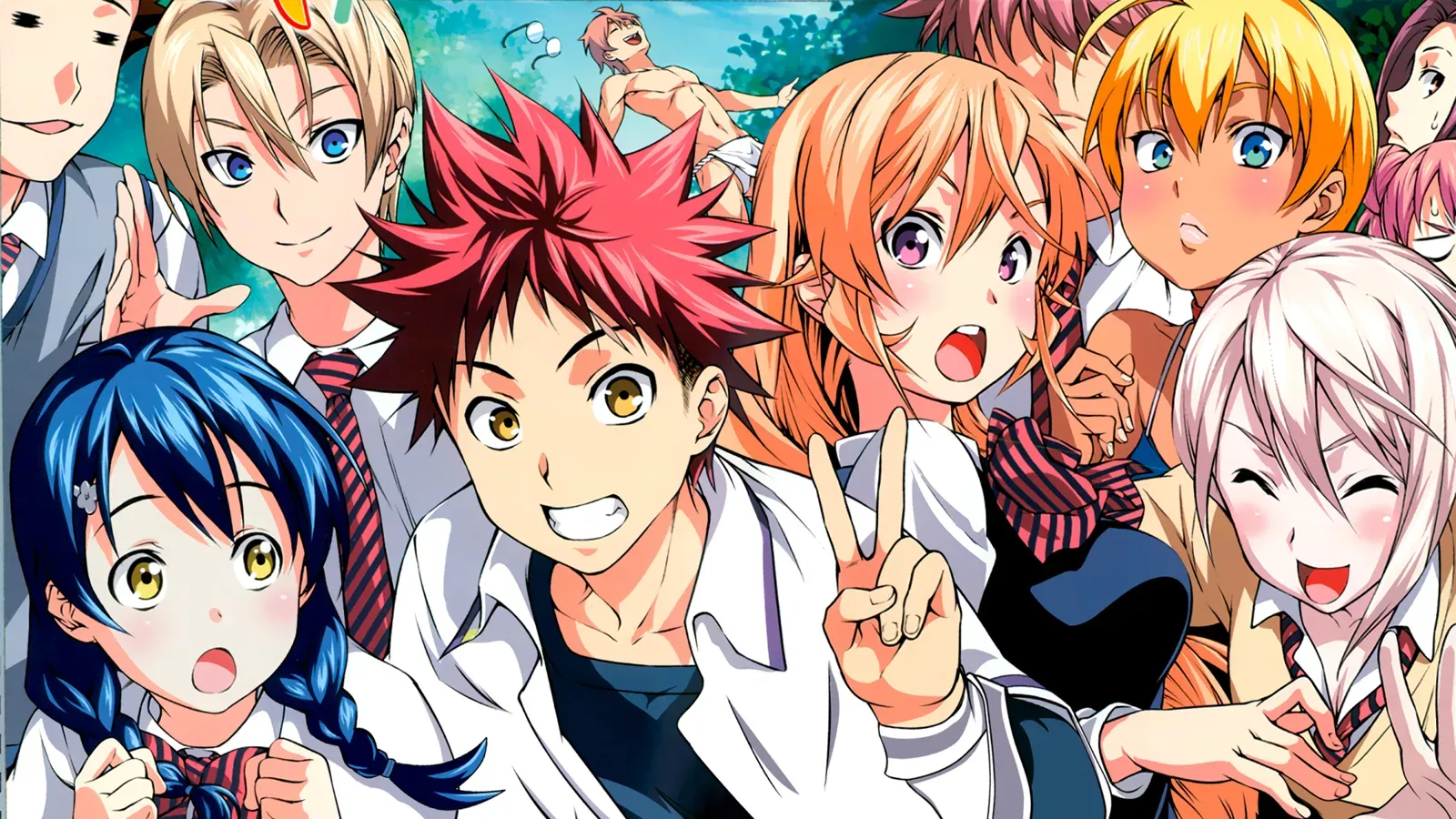
Soma Yukihira enters a culinary school where competition turns cooking decisions into dramatic confrontations. The series is easiest to enjoy when you are interested in how a dish solves a particular problem: an unfamiliar ingredient, an opponent's specialty or a constraint imposed by a contest.
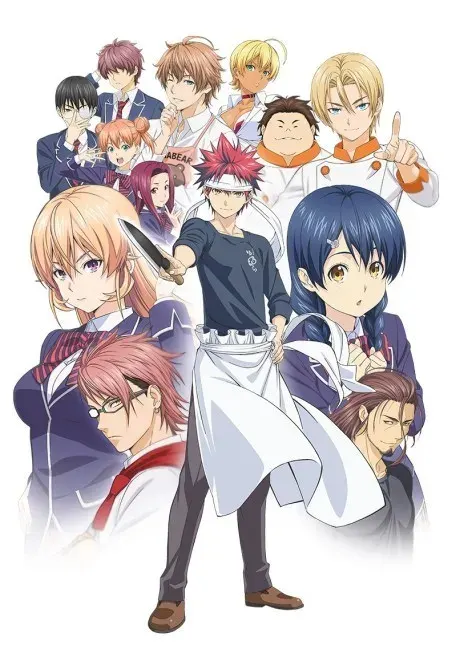
Its food-reaction imagery is conspicuous and frequently suggestive. That can overwhelm the opening impression, but the recurring competitive structure gives the story a separate engine. Rivals have different philosophies, and a new technique matters because someone has to defend a choice in front of others.
Watch for: tournament momentum, kitchen problem-solving and an ensemble with recognizable specialties. Main limitation: if the exaggerated reaction comedy bothers you immediately, it continues to be part of the show's vocabulary. Later arcs also change the scale and plausibility of the contests.
Start with the first season. VIZ's official publisher page confirms the culinary-school premise and creators. Treat recipes and techniques as entertainment rather than assuming every dramatic claim is a practical cooking lesson.
2. Kill la Kill
Ryuko Matoi arrives at Honnouji Academy while searching for the truth about her father's death. Clothing and school hierarchy become part of the conflict, giving the series a visual system as aggressive as its fights.

Its strongest quality is movement. A confrontation can shift scale abruptly, while exaggerated framing and performances keep the tone theatrical. The story also makes its clothing imagery part of a broader interest in control, social rank and the ownership of a body.
Watch for: expressive animation, fast reversals and a central television story with a clear destination. Main limitation: nudity, sexual violence and abuse are part of the material. The fact that a scene is stylized or satirical doesn't make it comfortable viewing.
Start with the television anime. The official licensed synopsis and advisories are a better expectation check than describing it only as “action ecchi.” It is also one of the few recommendations here whose primary identity is an original anime story rather than a partial adaptation of a much longer source.
3. My Dress-Up Darling
Wakana Gojo's craft skills and Marin Kitagawa's enthusiasm for cosplay give this romance a practical foundation. A costume needs research, materials, measurements and time. Each project gives the pair a reason to listen to one another and solve a problem together.
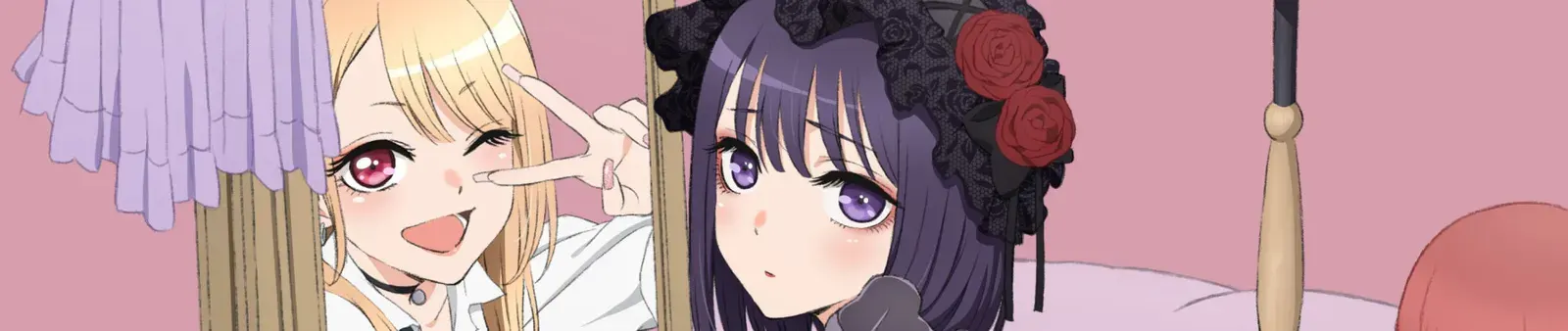
That shared work is the recommendation. It makes encouragement concrete: someone notices a skill, takes an interest seriously or commits time to a difficult task. The relationship grows through that attention as much as through the more obvious romantic moments.
Watch for: a supportive central pair, costume-making detail and affection expressed through collaboration. Main limitation: the presentation includes recurring fanservice and can feel intrusive if you prefer a more restrained romance.
Begin with the first season. Our My Dress-Up Darling romance analysis explores the craft-and-acceptance angle further. Genre labels vary, so choose it for the relationship and creative process rather than expecting a conventional multi-admirer harem.
4. Keijo!!!!!!!!
Keijo!!!!!!!! builds an exaggerated sports anime around a fictional competitive event. Its premise and visual presentation are deliberately provocative, but the narrative adopts familiar sports mechanics: specialized techniques, training, rivalry and tactical responses to an opponent.
The humor comes from how seriously the series treats that framework. It names abilities, analyzes matchups and raises the stakes with the confidence of a much more conventional tournament show. The absurdity works best when the competition still feels internally legible.
Watch for: sports-anime parody that commits to its own rules. Main limitation: the central visual joke is inseparable from the viewing experience; finding it tiresome is a good reason to choose another recommendation.
Start with the television series. The licensed series listing identifies the anime, but its existence shouldn't be read as a claim about current availability in your region. Expect a short adaptation, not the entire source manga animated from beginning to end.
5. High School DxD
High School DxD has an ongoing supernatural-action framework involving devils, angels and other factions. Team membership and abilities give its battles recurring stakes beyond a sequence of isolated comic situations.
That continuing structure is the reason to consider it. A viewer interested in powers, rival groups and a central cast that grows together can find a sustained plot beneath the presentation. Its humor is also very direct, so the show makes its general approach clear early.
Watch for: supernatural battles, faction relationships and a long-running central ensemble. Main limitation: sexualized presentation is frequent and fundamental to the show. This is a poor choice if you want that element to remain occasional or unobtrusive.
Start with the first season and distinguish anime installments from the larger light novel series. A season ending isn't evidence that every source arc has been adapted. The recommendation rests on its action structure; it doesn't require describing explicit material or treating fanservice as a measure of quality.
6. Prison School
Prison School uses confinement, secrecy and a cascade of bad decisions to build a dark farce. Its characters repeatedly believe they can manage the consequences of an earlier mistake, only to create a more difficult situation.
The comedy depends on timing and pressure. Information reaches the wrong person, an escape plan needs another lie, and a small advantage can disappear because someone misreads an ally. That machinery is more useful in deciding whether to watch than a vague claim that the show is “wild.”
Watch for: tightly escalating comic problems and extreme reactions. Main limitation: humiliation, crude humor, sexual content and coercive situations are central. Viewers who dislike abrasive comedy are unlikely to be won over by the plotting.
Begin with the television anime if that tone appeals to you. It adapts only part of the manga, so don't expect a full account of every later relationship or consequence. Its presence here recognizes its farce construction, not an endorsement of the characters' behavior.
7. To Love Ru
An unexpected encounter brings alien royalty into Rito Yuki's ordinary life. The science-fiction premise supplies a reason for new inventions, visitors and misunderstandings to disrupt an otherwise familiar romantic-comedy setting.
The appeal is episodic variety and an expanding ensemble. A problem can arrive from outside the everyday setting rather than needing another conventional school misunderstanding. It is a useful choice if you enjoy recurring character types and don't require every installment to make decisive romantic progress.
Watch for: alien-invention comedy and a large cast. Main limitation: repeated accident-based fanservice is a central device, and later franchise entries can intensify that emphasis. The show is a weak fit for anyone looking for restrained presentation or quick relationship resolution.
Start with the original To Love Ru anime before later titles. Keep anime continuity and adaptation choices separate from the manga; a list of all related titles doesn't automatically give you an accurate source-faithful viewing sequence.
8. Trinity Seven
Arata enters a magical academy after a supernatural catastrophe disrupts his world. The academy's specialized mages and larger mystery provide an action-fantasy structure around the ensemble.
The character dynamic differs from a romance built around a permanently embarrassed lead. Arata tends to answer provocation directly, which changes the comic rhythm even when the situations are familiar. Whether that confidence is entertaining or tiresome will influence your reaction to the entire show.
Watch for: a magical-school ensemble, recurring abilities and a central mystery. Main limitation: the fanservice and flirting are persistent, and the anime is an entry into a larger source story rather than a complete adaptation.
Start with the television series before the films. Yen Press's official Trinity Seven page is a source-series reference. Its manga listing helps identify the work, but it should not be used to imply that the anime covers all of those volumes.
9. Highschool of the Dead
Highschool of the Dead is a zombie survival story whose ensemble has to move through a society losing its ordinary rules. Weapons, transport, shelter and group trust provide concrete problems from scene to scene.
Its action and horror can generate urgency, while its fanservice often interrupts or competes with that urgency. That clash is worth stating plainly. A viewer who wants consistent horror atmosphere may find the presentation disruptive even when the immediate survival problem is effective.
Watch for: an action-horror setup and a group forced into practical cooperation. Main limitation: graphic violence and recurring sexualized presentation make the tone unusually uneven. It is also not a complete anime telling of a finished source story.
Begin with the television series. Choose it because the survival-action premise interests you, with the tonal warning in mind. It isn't the first recommendation here for viewers whose main priority is coherent romance or a fully resolved ending.
10. SHIMONETA: A Boring World Where the Concept of Dirty Jokes Doesn't Exist
SHIMONETA imagines a society where restrictions on sexual expression have become an intrusive system of control. Its resistance group uses deliberately crude provocation, making the premise a satire about censorship as well as a source of jokes.
The interesting tension is that restricting information doesn't remove curiosity, ignorance or harmful behavior. The show's humor repeatedly attacks the distance between the state's public image of morality and the consequences of its rules.
Watch for: an abrasive censorship satire with a clear target. Main limitation: sexual harassment and coercive situations are also used as comedy. Those choices can undermine the satire for viewers who find the treatment alienating.
Start with the television anime only if the premise and tone suit you. The official licensed page includes content advisories. This is a more useful check than assuming the comic presentation makes it light or universally approachable.
How to pick an ecchi anime you will actually enjoy
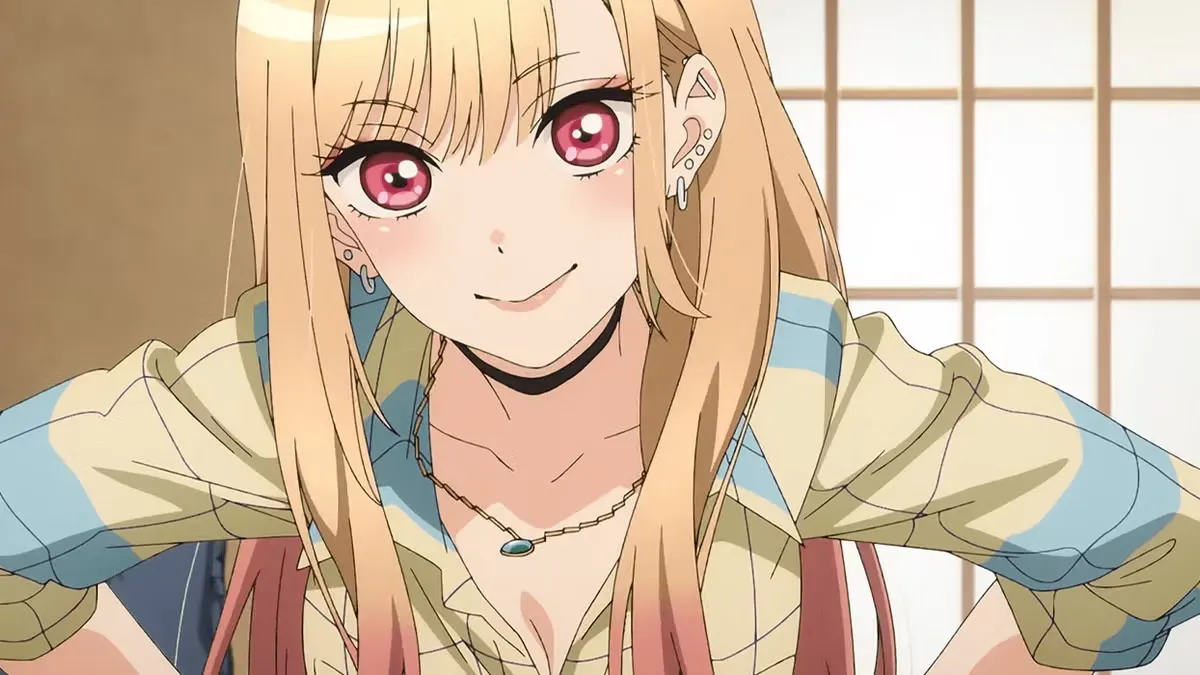
Ask what remains if you remove the fanservice. In Food Wars!, it is a cooking competition with specialized rivals. In My Dress-Up Darling, it is the work of making costumes and learning to value another person's interests. In Trinity Seven, it is a magical mystery and ensemble action plot.
Then consider tone. Suggestive romance, slapstick embarrassment, dark farce and horror aren't the same experience. Recommendations that group them together without explanation make it harder to choose well. The most useful review tells you both the attraction and the recurring feature that may make you stop watching.
Finally, check adaptation scope. A title can be enjoyable and still end before its source story does. If a complete central anime narrative matters more to you than a particular premise, Kill la Kill has a clearer fit among these recommendations. If a continuing source is acceptable, several other entries offer longer worlds to explore.
For more relationship-driven comedy, our funniest romance anime guide focuses on how the jokes support the romance.
Questions about ecchi anime
Are ecchi anime and harem anime the same thing?
No. Ecchi concerns suggestive presentation and humor; harem concerns a central character with multiple romantic possibilities. High School DxD overlaps the two, while My Dress-Up Darling centers on a pair and Keijo!!!!!!!! uses a sports structure.
Which ecchi anime has the strongest story?
For a complete central anime plot, Kill la Kill is the clearest pick here. For sustained competition, choose Food Wars!. For relationship development through a shared craft, choose My Dress-Up Darling. “Strongest” depends on whether you value closure, momentum or intimacy.
Does “uncensored” mean a different story?
Not necessarily. Broadcast, streaming and home-video editions can differ in presentation, but the label alone doesn't tell you what changed or whether a version is officially available. Check the licensed release details for your country rather than trusting an unofficial upload title.
Where should I check age ratings and availability?
Use the licensed platform or local home-video distributor's listing for the exact title and edition. Ratings and catalogs vary by country, and a broad genre tag doesn't replace an advisory for violence, nudity, coercion or other mature subjects.