

The best psychological drama anime do more than spring a clever twist. They make a character’s fear, guilt or loneliness feel like something you have to live with. Start with Monster for a long moral thriller, March Comes in Like a Lion for a compassionate portrait of isolation, or Perfect Blue for a disturbing film about identity. The eight choices below span grounded drama, suspense and surreal storytelling, with spoiler-light notes on who each one suits.
What makes a psychological drama different from a thriller?
A thriller usually asks what will happen next. Psychological drama also asks what an experience does to the people living through it. That distinction matters: some of the most affecting entries here contain no mastermind to defeat. We selected these titles for character decisions, emotional consequences, direction and the questions they leave behind, not for shock value alone. The order is a viewing recommendation, not an objective score.
1. Monster: the moral cost of saving a life

Dr. Kenzo Tenma chooses to save a child rather than follow his hospital’s priorities. Years later, the consequences of that decision lead him into a sprawling pursuit of Johan Liebert. Monster is gripping not because its antagonist has supernatural abilities, but because seemingly ordinary people can be persuaded, frightened or compromised. Its patient pacing gives secondary characters room to challenge Tenma’s convictions. At 74 episodes, it demands commitment; that slow accumulation of choices is also its greatest strength. Best for viewers who want a serious crime drama rather than constant action.
2. March Comes in Like a Lion: loneliness without easy fixes

Rei Kiriyama is a gifted teenage shogi player who struggles to connect with other people. The series uses stark empty rooms, water imagery and sudden warmth in the Kawamoto household to express feelings that Rei cannot easily say aloud. His progress is uneven, which makes it convincing. Later stories also address bullying and the courage required to ask for help. You do not need to understand shogi to follow the emotional stakes. This is the gentlest recommendation on the list, though its depiction of depression and family pressure can be painful.
3. Perfect Blue: identity under a spotlight
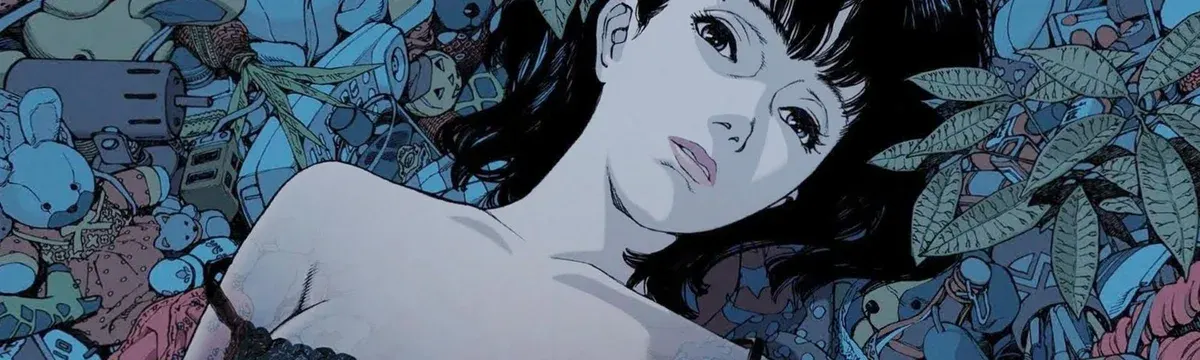
Satoshi Kon’s film follows Mima, a former pop idol trying to build an acting career while her public image and private life begin to fracture. The editing makes the viewer question whether a moment belongs to a performance, a memory or reality. That formal uncertainty is the point: the story makes celebrity ownership and invasive attention feel frighteningly personal. Perfect Blue is much more intense than a conventional character study, with stalking, violence and sexualized material. Its compact feature-film format is ideal for viewers seeking one unforgettable, unsettling watch.
4. Death Parade: judgment is never as simple as it looks

In a mysterious bar, visitors play games that expose their emotions and past choices. The premise sounds like a competition series, but Death Parade gradually turns its attention to the limitations of judging another person from a few moments of extreme distress. Decim’s detached perspective becomes part of the ethical question. Some episodes feel like self-contained tragedies, while an overarching story builds emotional weight. Choose it for short, morally complicated encounters rather than a single long conspiracy. Themes include death, suicide and grief.
5. Ping Pong the Animation: talent, pride and the fear of losing

Its rough, expressive drawing style can be surprising at first. Give it time. Ping Pong the Animation uses a sports rivalry to explore how differently people respond to expectations: one player hides behind indifference, another treats achievement as an obligation, and others discover that passion is not always enough. Matches are animated as emotional arguments rather than just displays of technique. The short series moves quickly without flattening its cast into winners and losers. It is an excellent choice for anyone who thinks psychological drama must be dark or supernatural.
6. Welcome to the NHK: isolation with an uncomfortable sense of humor

Tatsuhiro Satou, a socially withdrawn young man, tries to make sense of his life through conspiracy thinking and awkward attempts at change. The comedy can be abrasive, and the series does not pretend that a new friendship automatically cures entrenched habits. Its strongest moments come when self-deception and genuine distress are difficult to separate. The depiction of social withdrawal, anxiety and unhealthy relationships may hit close to home. Watch it for flawed characters and painfully recognizable rationalizations, not for a tidy self-help message.
7. Paranoia Agent: a city looking for someone to blame
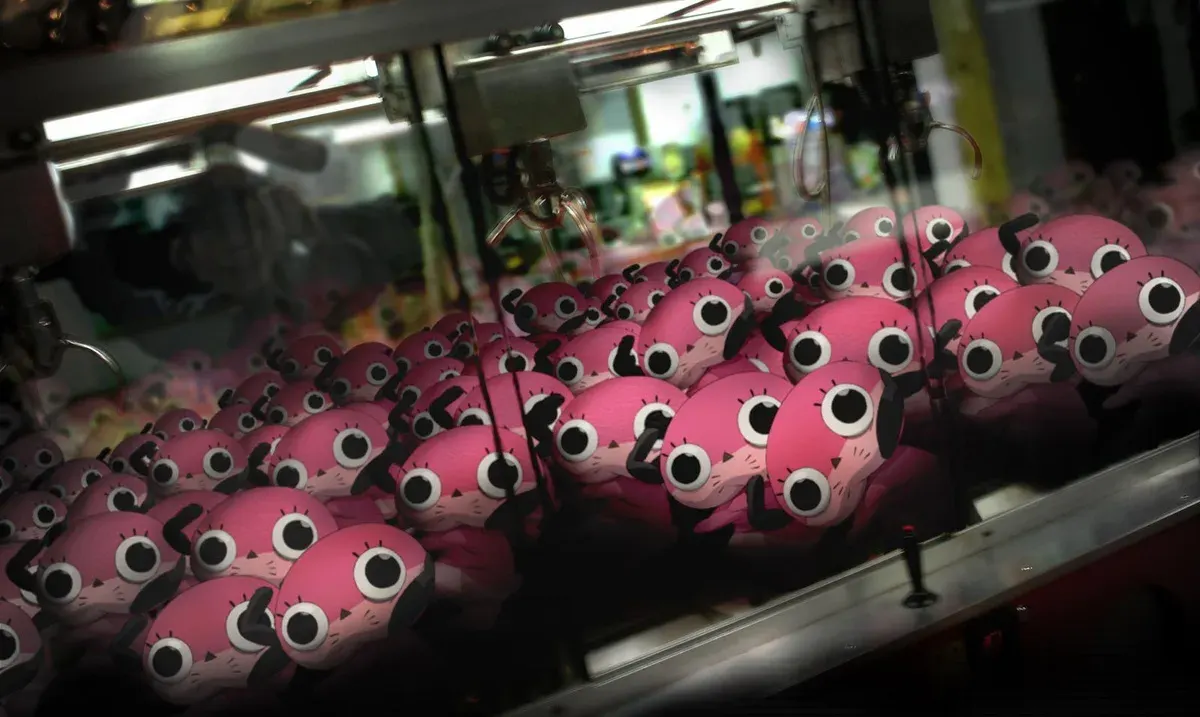
A series of attacks by a mysterious assailant becomes the connecting thread between people carrying private anxieties. Satoshi Kon uses that premise to examine rumor, social pressure and the temptation to escape responsibility. Episodes shift perspective and tone, so the experience is closer to an unsettling social mosaic than a straightforward detective mystery. It is worth watching without trying to solve everything immediately. If you enjoyed the unstable perspective of Perfect Blue, this is a broader, stranger companion piece.
8. Serial Experiments Lain: what remains of the self online?
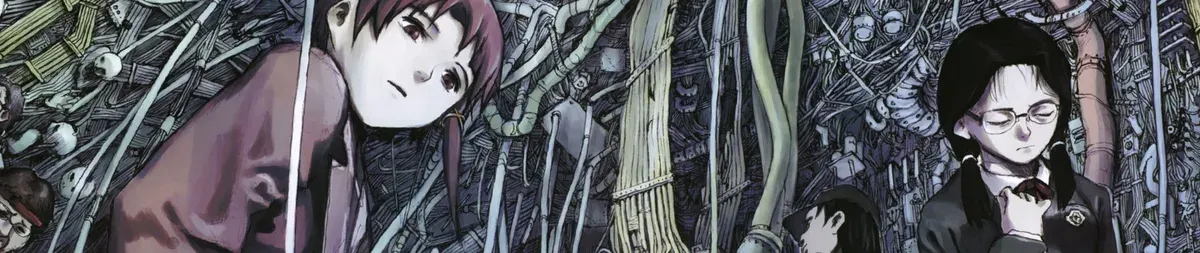
Lain Iwakura’s growing involvement with a network called the Wired unsettles the boundary between her everyday identity and the versions of herself that others perceive. Sparse dialogue, electronic noise and deliberate repetition create an atmosphere of disconnection. The show is demanding and intentionally ambiguous; it will frustrate viewers who want every question resolved. Its appeal lies in the unsettling relationship between connection, memory and personhood. Choose Lain when you want a psychological drama that rewards reflection more than immediate answers.
Which psychological drama anime should you start with?
For a first step, pick Death Parade if you want a relatively short series with a clear hook, or March Comes in Like a Lion if emotional realism matters more than suspense. Monster is the strongest long-form moral thriller here. Perfect Blue is the best one-night choice for viewers comfortable with disturbing material. Ping Pong is an unexpectedly accessible alternative. For more focused discussion, our Death Note review examines another famous moral duel; our Perfect Blue feature explores the film’s lasting discomfort; and our Steins;Gate essay considers a different kind of psychological pressure through science fiction.
A note on content and availability
These titles vary widely in tone and age suitability. Perfect Blue and Paranoia Agent include disturbing material; Welcome to the NHK and March Comes in Like a Lion explore mental-health struggles; Death Parade addresses death and self-harm. Check content advisories before watching. Streaming rights change by country, so a service listing in one region is not a guarantee of availability elsewhere. This guide is a curated editorial assessment, not a clinical description of mental illness.
Sources and further reading
Netflix’s official Monster listing: https://www.netflix.com/title/70205011 . Crunchyroll’s March Comes in Like a Lion series page: https://www.crunchyroll.com/series/GRVNXWQZY/march-comes-in-like-a-lion . Crunchyroll’s analysis of its depiction of isolation: https://www.crunchyroll.com/news/features/2016/10/13/feature-head-space-march-comes-in-like-a-lion-drowning-in-despair . Crunchyroll’s coverage of its bullying storyline: https://www.crunchyroll.com/news/latest/2017/10/3/march-comes-in-like-a-lion-speaks-out-against-bullying . Rankings and viewing judgments are editorial opinions.