
Introduction
Some of the most memorable anime villains are compelling not because their plans are reasonable, but because their grievances are recognizable. They identify injustice, hypocrisy, exploitation or suffering, then propose solutions that sacrifice innocent people. Understanding a motive is not endorsing a crime. This spoiler-heavy ranking compares ten antagonists by the clarity of their grievance, the credibility of their development, the consequences of their choices and whether their stories seriously challenge their arguments.
Our methodology
This is a qualitative editorial ranking, not a fan poll or power scale. A tragic backstory does not automatically make someone morally justified. We distinguish the original harm from the villain's chosen response, and consider what alternatives the narrative makes imaginable. Characters can rank highly while being responsible for atrocities. The emphasis is on writing and moral tension, not sympathy alone.
10. Stain in My Hero Academia
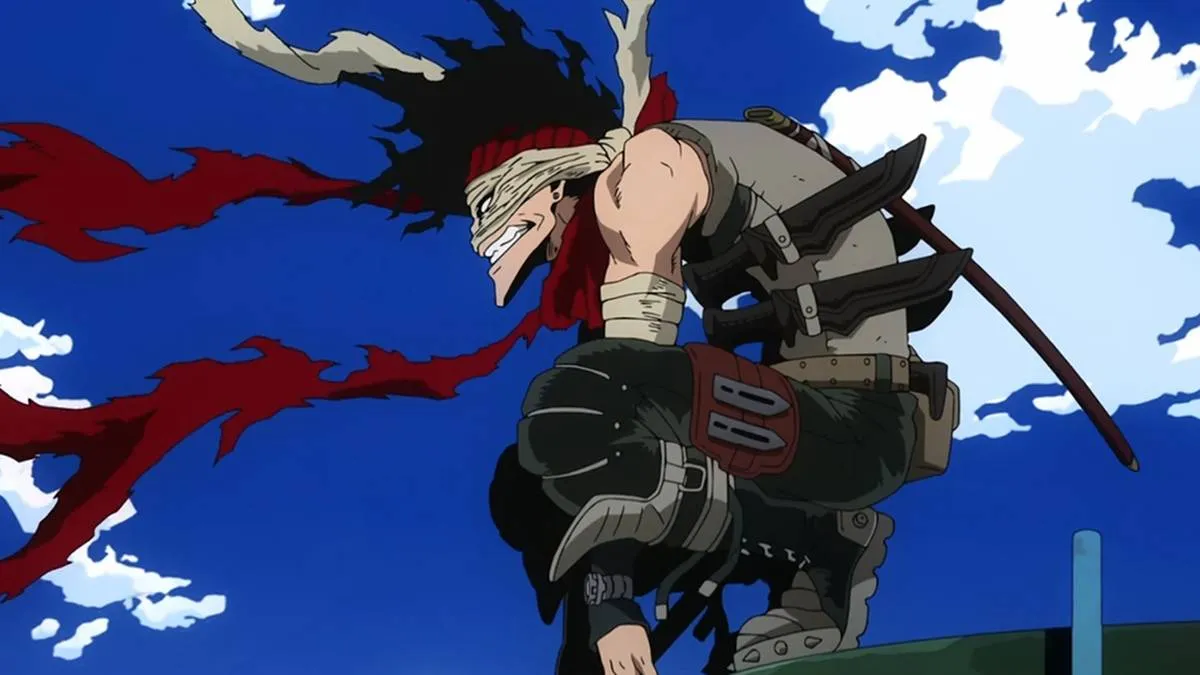
Stain believes that professional heroism has been corrupted by fame, money and status. It is a recognizable criticism of institutions that reward appearances as much as service. His demand for authentic self-sacrifice challenges heroes and viewers to think about what public service should mean. But Stain decides that he alone can determine who deserves to be called a hero. His violence against people he judges insufficiently pure contradicts his concern for justice. The series can acknowledge hypocrisy in hero culture without making a murderer the solution. He ranks tenth because his grievance is persuasive but his personal moral standard is particularly arbitrary.
9. Kyubey in Puella Magi Madoka Magica
Kyubey frames the magical-girl system as a mechanism for collecting energy on a cosmic scale. Its logic treats individual suffering as a small price for a supposedly vast benefit. That argument is disturbing because it resembles an extreme calculation of collective welfare rather than ordinary sadism. The problem is the absence of meaningful informed consent. Girls enter contracts without understanding the full consequences, and Kyubey regards their emotional vulnerability as an exploitable feature. The series asks whether an apparently beneficial outcome can justify manipulation. Kyubey is memorable because its detached language makes exploitation sound like responsible administration.
8. Reiner Braun in Attack on Titan
Reiner grows up within a militarized system that teaches children to seek recognition through obedience and war. His mission brings him into close contact with the people he has been taught to hate, making the difference between propaganda and lived experience impossible to ignore. His divided loyalties and guilt show the psychological consequences of indoctrination. None of this erases the destruction in which he participates. Understanding how a child becomes a weapon should make us more attentive to responsibility, not less. Reiner is included because the story refuses to flatten him into either a blameless victim or an inhuman monster.
7. Light Yagami in Death Note
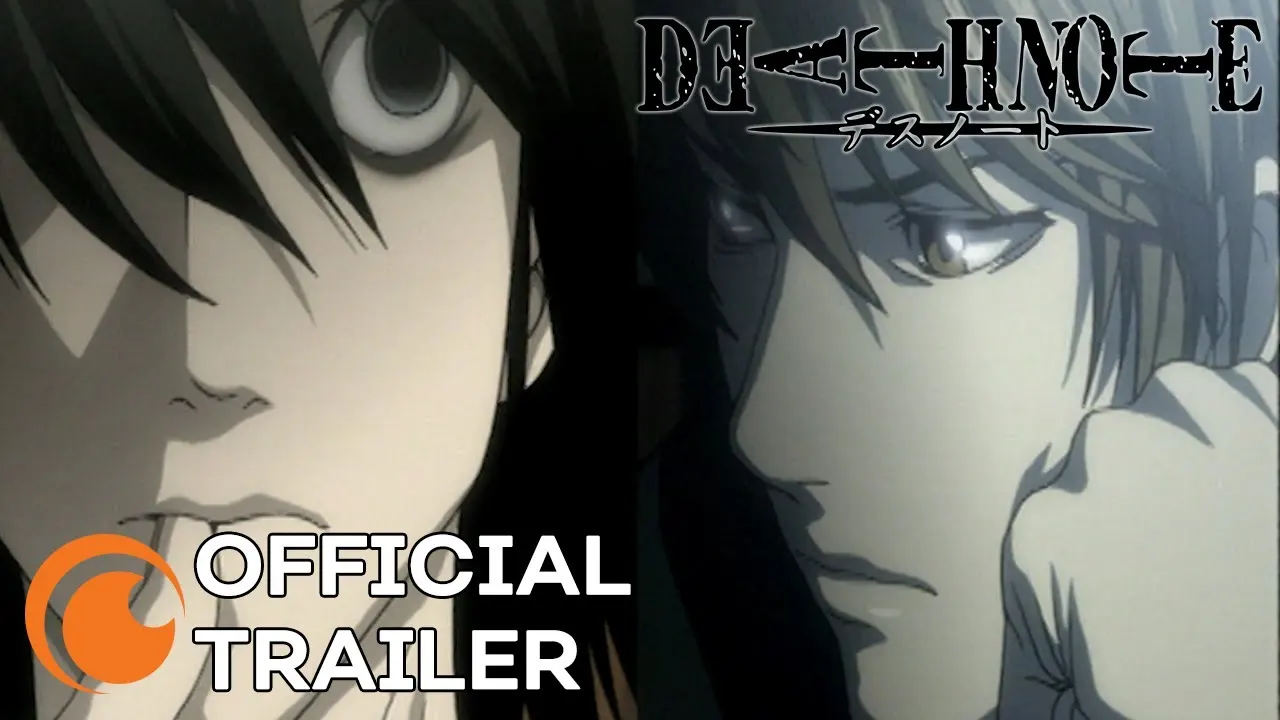
Light begins by promising to eliminate crime through the supernatural power of the Death Note. His stated goal can initially sound like a fantasy of public safety. Yet he quickly appoints himself the sole authority over life and death, and his concern for justice becomes inseparable from protecting his position. Investigators and other obstacles become targets even when they are not criminals. The contradiction is clear: a supposedly fair world is built on one person's unaccountable judgment. Light is a protagonist, but narrative viewpoint does not make his actions heroic. AnimeSparks' Death Note review examines why his corruption remains so gripping.
6. Shogo Makishima in Psycho-Pass
Makishima opposes a society that delegates decisions about human worth and danger to the Sibyl System. His criticism of pervasive surveillance and algorithmic authority raises serious questions about freedom, accountability and the right to be different. Those concerns do not make his campaign of manipulation and violence a legitimate liberation movement. He treats other people as instruments for proving his philosophy, mirroring the system's tendency to reduce individuals to categories. The most interesting feature of Psycho-Pass is that the authoritarian order and its murderous critic can both be wrong. Viewers must evaluate the argument independently of the person making it.
5. Suguru Geto in Jujutsu Kaisen
Geto once believed that sorcerers should protect people who cannot see curses. His experiences of loss, exhaustion and cruelty gradually weaken that belief. He begins to think the ordinary population imposes intolerable costs on those who defend it. His pain is understandable, and the story carefully depicts his isolation rather than inventing an instant transformation. But Geto chooses collective punishment, proposing to eliminate non-sorcerers instead of protecting vulnerable people or challenging the institutions that failed him. His motive is compelling precisely because his earlier compassion becomes selective. Our detailed Geto character analysis explains the turning points behind his descent.
4. Zeke Yeager in Attack on Titan
Zeke's plan grows from despair about inherited suffering and the persecution of Eldians. He proposes preventing future Eldian births, treating the eventual disappearance of a people as a merciful end to pain. His argument has the form of compassion but removes choice from the people whose future he intends to erase. A world without future victims is not the same as a world where present injustice has been confronted. Zeke's history helps explain why he sees existence itself as a burden, yet that history cannot authorize an irreversible decision for everyone else. He is a particularly unsettling antagonist because his proposed cruelty is presented as kindness.
3. Scar in Fullmetal Alchemist Brotherhood
Scar survives the devastation inflicted on Ishval and seeks revenge against State Alchemists associated with a brutal military campaign. His anger is rooted in real state violence, not imagined persecution. The story makes it impossible to dismiss his demand for accountability. But his early attacks fail to distinguish adequately between individual responsibility and membership in an institution. Indiscriminate revenge repeats the logic that allowed innocent people to be targeted in the first place. Scar's story becomes richer when he is forced to confront that contradiction. Our Fullmetal Alchemist alchemy guide explains the system of powers and military expertise surrounding his conflict.
2. Squealer in From the New World
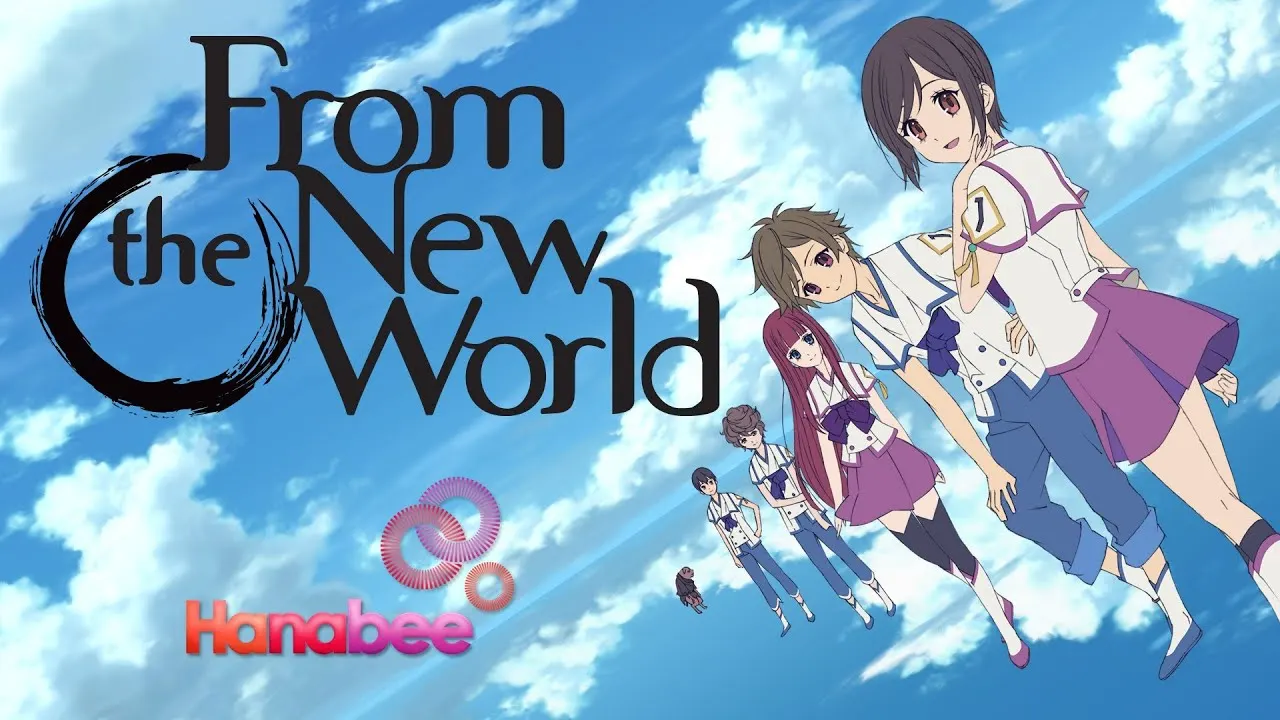
Squealer, also called Yakomaru, operates within a social hierarchy whose true history changes the audience's understanding of oppression and resistance. The series initially encourages viewers to accept an established order, then gradually reveals reasons to question its legitimacy. Squealer's rebellion arises from a grievance much deeper than simple personal ambition. Nevertheless, the violence of his methods raises questions about the limits of resistance and the suffering of people who are not individually responsible for the system. He ranks near the top because the story challenges the viewer's assumptions about who gets to define justice. This entry contains major premise spoilers.
1. Nagato in Naruto Shippuden
Nagato experiences war as a child in a smaller nation repeatedly harmed by struggles among powerful countries. His desire to end that cycle is understandable, and his philosophy challenges the comfortable belief that peace can be achieved by defeating one more enemy. He concludes that overwhelming shared pain will force humanity to reject war. Yet his assault on Konoha inflicts suffering on civilians who did not individually create the system that traumatized him. He condemns collective violence while reproducing it. Naruto's response matters because it challenges both revenge and Nagato's proposed peace through terror. Our Pain invasion analysis explores the arc's consequences and controversial resolution.
Why motives matter more than tragic backstories
A sad origin story tells us why a character might be angry. A well-developed motive explains why that anger becomes a particular political or personal project. Stain sees hypocrisy and chooses punishment. Makishima sees coercion and chooses violent experimentation. Scar sees state crimes and initially chooses revenge. Nagato sees war and chooses terror as deterrence. The audience can recognize the problem in each case without accepting the proposed remedy. This separation is what allows morally complicated antagonists to remain interesting after the fights are over.
Questions to ask when comparing anime villains
First, what harm actually occurred in the story? Second, who does the villain hold responsible, and is that attribution fair? Third, who would pay the price if the villain succeeded? Fourth, does the narrative present alternatives that the villain rejects? These questions reveal more than whether someone is powerful or popular. They also protect against a common fandom mistake: treating an explanation of cruelty as proof that cruelty was necessary.
Frequently asked questions
Which anime villain has the most understandable motive? This ranking chooses Nagato because the series gives his response to war a clear history and directly tests his proposed solution. Are these the strongest villains? No. Combat strength is irrelevant here. Is Light Yagami a villain even though he is the main character? Yes, a protagonist can commit villainous acts. Does a sympathetic motive make a villain right? No. Moral justification requires examining methods, victims and alternatives, not merely the original grievance.
Sources and editorial note
This ranking is original interpretive criticism based on the depicted stories, not an official franchise hierarchy or statistical study. Competitor research included WatchMojo's list of villains with justifiable motives, Ranker's villain motivation discussion and ComicBook's relatable-antagonist feature. Their rankings did not determine ours. Readers should consult the licensed anime and official publisher material for primary narrative context. Interpretations are clearly distinct from events shown in canon.