
Why the best female anime characters are more than popularity picks
A great female anime character is not defined by strength alone, beauty alone, or the number of memorable scenes she receives. The best characters make decisions, change relationships, expose contradictions in the story and retain a recognizable voice even when the plot moves away from them. This ranking focuses on writing and narrative impact, not visual attractiveness. It includes teenagers and adults, because the evaluation is about storytelling rather than romantic or sexual appeal.
We considered character agency, development, relationships, thematic importance and whether each person's choices have consequences. That produces a different list from a poll of favorite designs. An understated protagonist can rank above a spectacular fighter, and an antagonist can be brilliant without being admirable. These selections span action, science fiction, fantasy, drama and romance. There are mild premise and character-arc spoilers, but we avoid revealing the most important endings.
The criteria behind this ranking
Agency means a character makes meaningful choices rather than merely responding to a lead character. Development means experiences change her perspective or test established convictions. Specificity means she has a voice and motivations that could not easily be replaced with another person's. Finally, thematic impact asks what her presence allows the series to say about identity, family, justice, memory, loss or freedom.
These are editorial judgments, not mathematical scores. A series' tone matters: a quiet relationship drama has a different narrative vocabulary from a battle shonen. Our ranking aims to reward characters who are indispensable to their stories, even if their personalities or decisions divide audiences.
14. Riza Hawkeye — Fullmetal Alchemist: Brotherhood
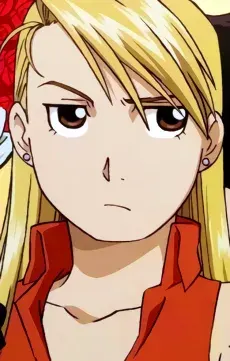
Riza's writing succeeds through restraint. Rather than requiring constant dramatic speeches, the story establishes her judgment through loyalty, professional competence and carefully chosen moments of resistance. Her relationship with Roy Mustang is anchored in responsibility: she understands the dangers of his ambition and refuses to confuse devotion with blind obedience.
That creates real tension whenever authority, revenge and duty collide. A lesser version of the character might exist only to support a more prominent man. Riza instead has a clear moral framework, an informed perspective on past wrongdoing and an ability to act when circumstances demand it. Her consistency makes small decisions carry unusual weight.
13. Winry Rockbell — Fullmetal Alchemist: Brotherhood
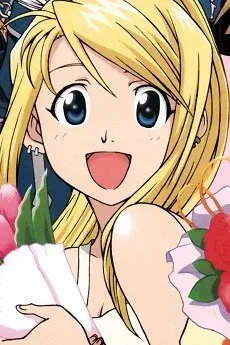
Winry gives Fullmetal Alchemist a necessary alternative to alchemy and military conflict. She works with automail, repairs what violence has damaged and sees the physical consequences of the protagonists' adventures more clearly than most of their allies. Her technical skill is not a quirky accessory; it is how she contributes to the world and protects the people she loves.
Her arc also asks what someone does with anger when revenge becomes possible. By making that decision consequential, the series lets Winry occupy the moral center of a story crowded with powerful fighters. For the science and ethical limits that shape her world, see our Fullmetal Alchemist equivalent exchange guide.
12. Mikasa Ackerman — Attack on Titan
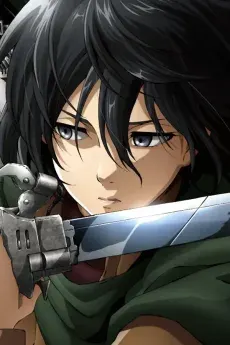
Mikasa is often described through combat ability, but her central conflict is emotional: how much of one's identity can be built around protecting another person? The series repeatedly asks whether love and loyalty can coexist with independent judgment. Her reserved personality makes every decisive break from routine feel significant.
She is not the most verbally expressive character in Attack on Titan, and that is part of both the appeal and the limitation of her writing. Yet the story's ultimate questions about freedom and attachment cannot be discussed honestly without considering Mikasa. Her role rewards careful attention to the decisions made in silence.
11. Faye Valentine — Cowboy Bebop
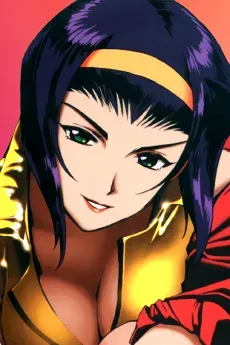
Faye initially behaves like a classic hard-boiled trickster: skeptical, self-interested and convinced that attachment is dangerous. Cowboy Bebop gradually reveals that her abrasive behavior is connected to disorientation and a fragmented personal history. The series rarely forces her to explain herself directly; gestures and arguments do the work instead.
What makes this writing effective is the mismatch between external swagger and internal uncertainty. Faye wants security but is frightened of needing anyone. Her relationship with the Bebop's makeshift crew becomes a study of belonging rather than a straightforward redemption story. The series' episodic structure lets her change without losing her contradictions.
10. Balsa Yonsa — Moribito: Guardian of the Spirit
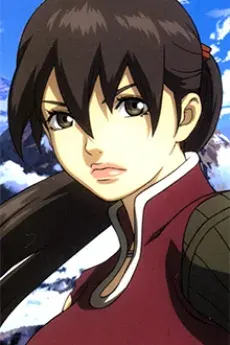
Balsa is one of anime's most persuasive adult action protagonists because experience shapes everything she does. She is a skilled spear-wielding bodyguard, but her story is not interested in treating violence as an effortless expression of coolness. The physical and emotional costs of protecting another person remain visible.
Her guardianship of Prince Chagum establishes a relationship built on responsibility rather than sentimentality. Balsa has a past that matters, an understanding of danger and a preference for preserving life when possible. As a result, her strength feels earned. She demonstrates that a mature heroine can be decisive without being invulnerable or emotionally detached.
9. Homura Akemi — Puella Magi Madoka Magica
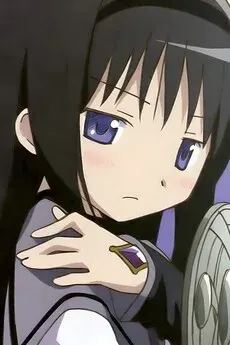
Homura's early appearances are deliberately difficult to read. She seems calculating and secretive, often acting against the wishes of the other magical girls. The story gradually transforms the meaning of those choices, making earlier scenes feel entirely different on reflection.
She is an example of characterization built through structure. The series withholds context for a reason: viewers must reconsider what sacrifice, control and love mean once they understand more. Homura can be sympathetic and troubling at the same time. That tension is precisely what makes her so dramatically effective, and it is why simplistic hero-or-villain labels feel inadequate.
8. Akane Tsunemori — Psycho-Pass
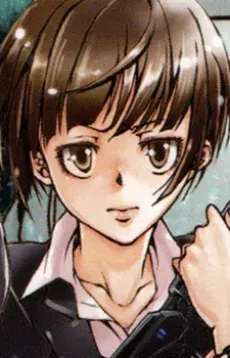
Akane enters a justice system that claims to quantify human risk and make policing objective. Her most important quality is not a spectacular power but a growing willingness to question what institutions present as inevitable. As she gains experience, the distinction between lawful conduct and ethical conduct becomes harder to ignore.
The official Psycho-Pass franchise materials place her at the center of its continuing cast, and the series develops her through difficult professional judgments rather than romance or inherited destiny. Akane's story asks whether a person can serve an imperfect system while refusing to surrender moral responsibility. That question remains relevant beyond the setting's futuristic technology.
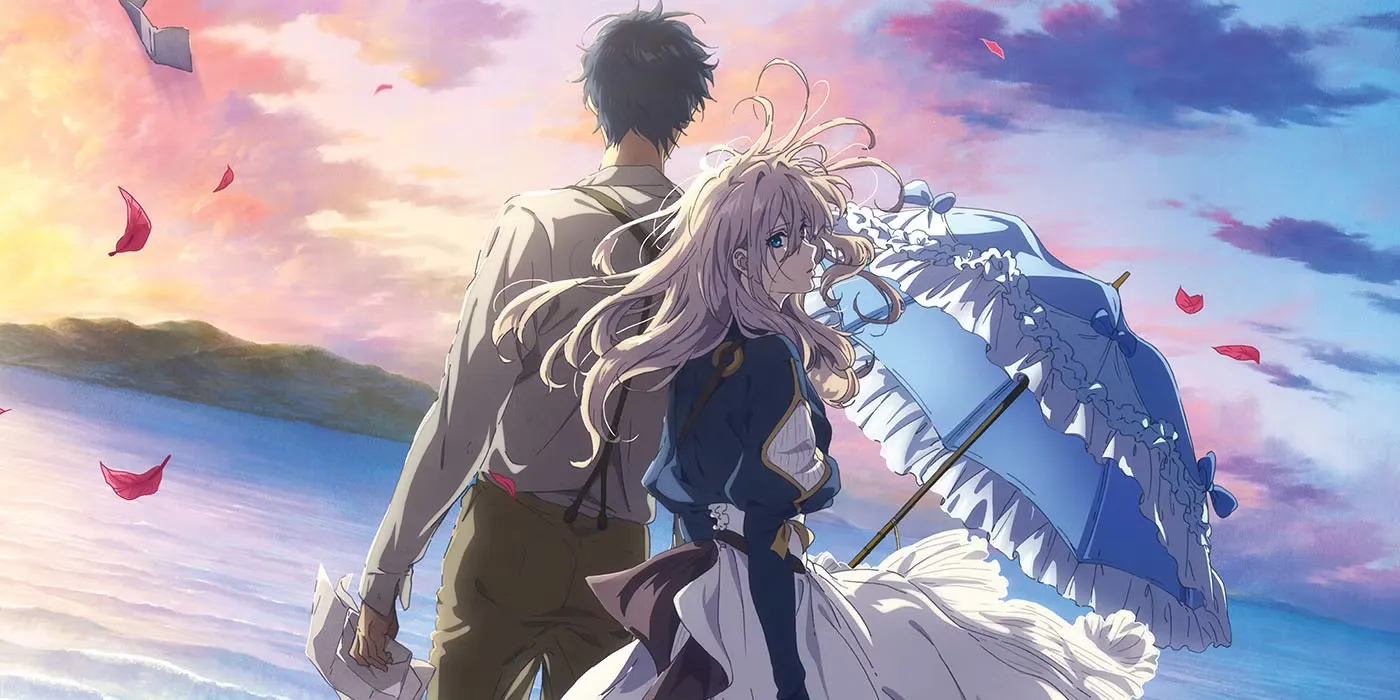
7. Violet Evergarden — Violet Evergarden
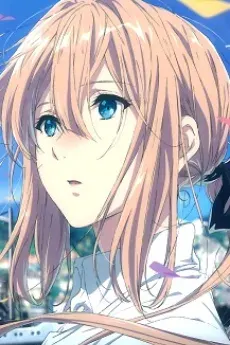
Violet begins with an unusually narrow understanding of emotion, shaped by the demands of war. Kyoto Animation's official introduction explains that her work becomes writing letters that carry other people's feelings. The result is an elegant storytelling device: each assignment reflects something she cannot yet easily articulate about herself.
A crucial strength is that the story does not equate healing with instant happiness. Violet learns through listening, misunderstanding and sometimes failing to find the right words. Her growth is visible in small changes to posture, expression and choices. She makes empathy feel like something learned through effort rather than something a character either possesses or lacks.
6. Nana Komatsu — Nana
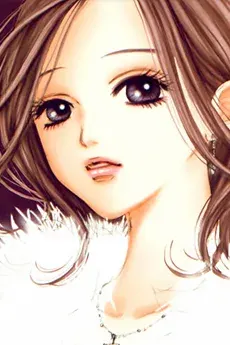
Nana Komatsu, often called Hachi, is frequently underestimated because she makes impulsive romantic choices. That is precisely why her writing matters. She wants affection, security and the excitement of living in Tokyo, yet those desires create conflict when adult life refuses to supply neat resolutions.
Ai Yazawa gives her mistakes psychological continuity. Hachi can be generous and selfish in the same week, and the story never requires audiences to approve of every choice. Her friendship with Nana Osaki develops alongside the pressures of work, money and relationships. She reflects the messy process of learning adulthood without turning every lesson into a speech.
5. Nico Robin — One Piece
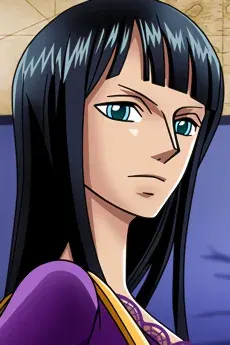
Robin's story begins with isolation and suspicion. Her unusual historical knowledge makes her valuable to people who may not actually care about her welfare. The official One Piece character profile traces her ambition to understand the lost past and her gradual decision to trust the Straw Hats.
Her development is powerful because it redefines what joining a crew means. Belonging is not achieved by abandoning expertise or individuality; it means finding people willing to defend both. Robin also changes the entire scale of the series by connecting present adventures to buried history. Explore that larger mystery in AnimeSparks' Poneglyph and Laugh Tale guide.
4. Motoko Kusanagi — Ghost in the Shell
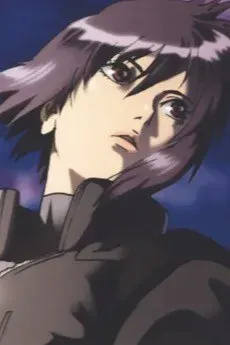
Motoko embodies a philosophical problem that would be much less effective as an abstract lecture. A cybernetic body and advanced networked society force her to confront what remains uniquely personal when memory, perception and physical ability can be altered by technology. Across different Ghost in the Shell versions, she is at once a capable operative and a restless questioner.
Her writing stands out because competence does not settle her uncertainty. The mysteries she investigates repeatedly point back toward her own assumptions about identity and agency. The franchise has different continuities, so our Ghost in the Shell watch order is useful before comparing individual adaptations.
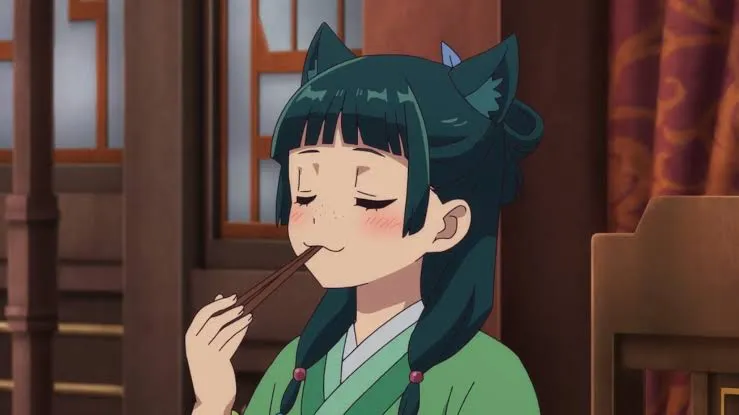
3. Maomao — The Apothecary Diaries
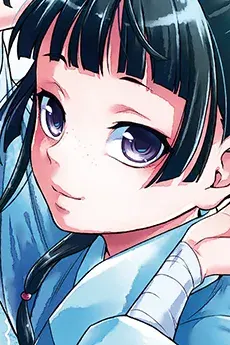
Maomao's strongest quality is curiosity. She approaches palace incidents as questions of evidence, medicine and human behavior, often discovering causes that social rank obscures. Her intelligence is entertaining because it comes with flaws: she can be blunt, strategically cautious and selectively indifferent to matters other people consider urgent.
The story is especially good at making a heroine's expertise plot-generating rather than decorative. Her observations create mysteries and resolve them, while her low status limits the freedom to act on what she discovers. That dynamic gives the palace setting a credible power structure. Read AnimeSparks' analysis of Maomao as an unusually smart heroine for more.
2. Nana Osaki — Nana
Nana Osaki is a rock musician whose uncompromising stage persona offers protection from the insecurity she feels in intimate relationships. VIZ's official series description emphasizes the encounter between two young women with different ambitions and the friendship that follows. Their shared name is a clever device, but the real achievement is how the story allows the pair to illuminate each other's contradictions.
Nana's ambition is both exhilarating and isolating. She can be fiercely loyal while demanding forms of emotional security that other people cannot always provide. Music and fashion are never merely decorative; they become languages for expressing independence, longing and rivalry. The result is characterization that feels observant rather than idealized.
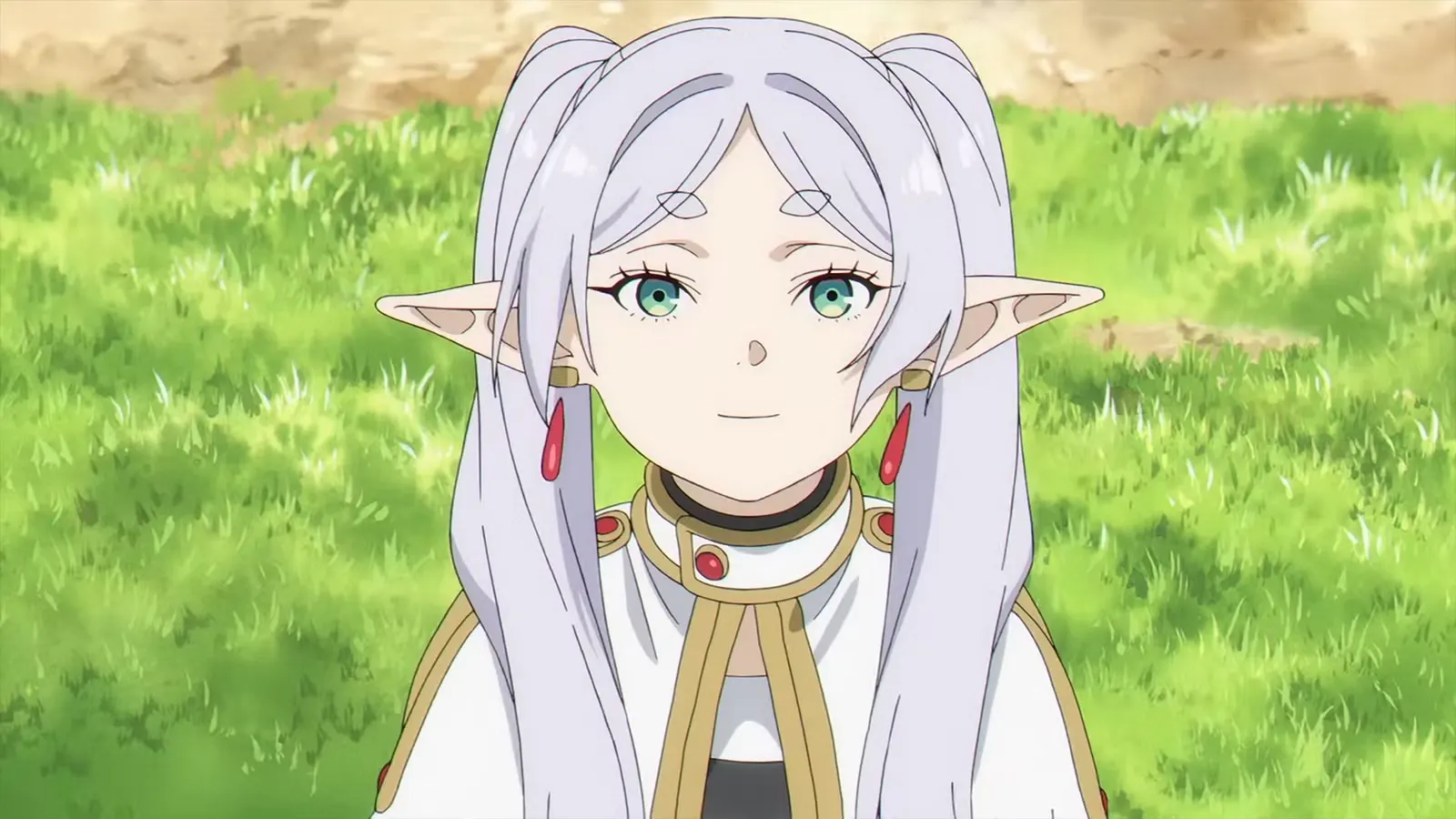
1. Frieren — Frieren: Beyond Journey's End
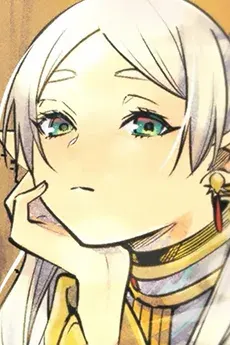
Frieren takes first place because the whole structure of her story grows out of how differently she experiences time. MADHOUSE's official synopsis explains that the elf mage outlives her former companions and begins to regret how little she learned about them. An apparently small change of perspective becomes a journey through memory, grief and new relationships.
Her emotional development is gradual enough to feel honest. A remembered conversation, an ordinary spell or a quiet visit can acquire enormous significance without a battle to announce it. Frieren does not suddenly become a different person. She starts paying closer attention to other people and understands that attention as a form of love. For more context, read our guide to Frieren's unusual magic system.
Characters who narrowly missed the ranking
Sailor Moon's Usagi Tsukino deserves credit for blending insecurity with extraordinary loyalty; Rukia Kuchiki's guidance helps drive Bleach's early story; and the young heroine Yona from Yona of the Dawn develops in ways that make leadership feel earned. We also considered the many striking female antagonists whose writing complicates simple ideas of heroism.
Leaving a character off the list is not a claim that she is badly written. Series structure matters, too: a supporting figure may be effective precisely because the author knows when to let her step away. The purpose of a ranked list is to offer a defensible reading, not to turn every fan preference into a universal rule.
What separates a well-written heroine from a strong fighter?
Physical strength can make a scene spectacular; narrative agency gives it meaning. The two often overlap, but not always. Maomao changes events through observation and knowledge, while Violet changes through communication. Riza demonstrates moral discipline, Nana Komatsu exposes the difficulty of imperfect choices, and Frieren discovers that understanding can arrive far later than action.
The most satisfying female anime characters are not flawless role models. They have goals that conflict with those around them, mistakes that matter and relationships that reveal new facets of their personalities. That is the standard we would use even if every character on this list had an entirely different outfit or power level.
Frequently asked questions
Who is the best female anime character of all time? Our editorial pick is Frieren because her perspective on time and relationships shapes the entire series. This is not an official poll.
Is the strongest anime woman automatically the best-written? No. Combat strength is a separate category from character agency, development and thematic significance.
Why are Nana and Maomao ranked beside action heroines? Because we evaluate storytelling rather than fighting ability. A character can transform a narrative through intelligence, vulnerability or a difficult decision.
Frequently asked questions
Frequently asked questions
Who is the best female anime character?
We rank Frieren first for thematic depth, growth and the storytelling role of her view of time.