
How we ranked these anime about grief and loss
This ranking evaluates how thoughtfully each work depicts the aftermath of loss, how clearly its characters change through relationships and daily choices, and whether the emotional payoff feels earned. It is an editorial comparison, not a mental-health recommendation, popularity poll or measurement of how many tears a series produces. Some entries center bereavement; others explore guilt, separation and lost opportunities. We distinguish those experiences rather than pretending they are identical. Mild thematic spoilers follow, but major ending reveals are avoided.
Quick picks by mood
For a reflective fantasy journey, start with Frieren. For letters and episodic catharsis, choose Violet Evergarden. For family and parenting, try Wolf Children. For an uplifting adventure with a painful emotional core, choose A Place Further Than the Universe. For quieter symbolic storytelling, Haibane Renmei is the strongest fit. For difficult themes around bullying and forgiveness, A Silent Voice offers a different kind of emotional examination. These are not interchangeable experiences, so choose according to the subjects you are ready to encounter.
10 anime that explore grief, memory and moving forward
10. Angel Beats!
The afterlife setting turns unfinished business into a communal problem rather than a private burden. Characters are gathered in a school-like world where they resist the conditions of their existence, and the comedy initially makes their predicament feel almost like a supernatural club activity. Gradually, the premise asks what it means to acknowledge a life that did not go as expected. The show is not a clinical model of grief, and its supernatural rules should not be treated as one. Its strength is that emotional release depends on learning another person's history rather than winning an ordinary fight. Some viewers will find the tonal swings abrupt, but the contrast between ridiculous group antics and difficult confessions is deliberate. Watch it when you want a compact story about regret and acceptance, while allowing for a strongly sentimental ending.
9. Wolf Children
Hana's task is not simply to mourn a partner. She must continue raising two children whose identities make ordinary parenting unusually difficult. That practical dimension makes Wolf Children valuable: loss changes housing, work, social support and the daily decisions that nobody else can make for her. The fantasy of children who transform into wolves is a metaphorical device, not a claim about real family experiences. What feels grounded is the way a parent can love two children equally while accepting that they may need entirely different futures. The film gives grief room to coexist with exhaustion, humor and growth. It also resists the idea that a good parent can prevent every painful separation. Choose it if you want an emotionally generous family story whose sadness is inseparable from the possibility of a new life.
8. A Place Further Than the Universe
This adventure follows four girls traveling toward Antarctica, but its emotional center is Shirase's unresolved feelings about her mother's disappearance. The destination is important because it turns an impossible-sounding wish into a series of concrete decisions: fundraising, travel arrangements, friendships and the courage to face a place associated with loss. Rather than asking the audience to admire grief from a distance, the story shows how companions can help someone move toward a difficult truth without claiming to fix her. Its brighter episodes matter just as much as its saddest moments. They establish that laughter and excitement do not invalidate sorrow. The Antarctic expedition is dramatized, and viewers should not confuse it with practical expedition guidance. This is the recommendation for people who want an uplifting journey that still takes mourning seriously.
7. Your Lie in April
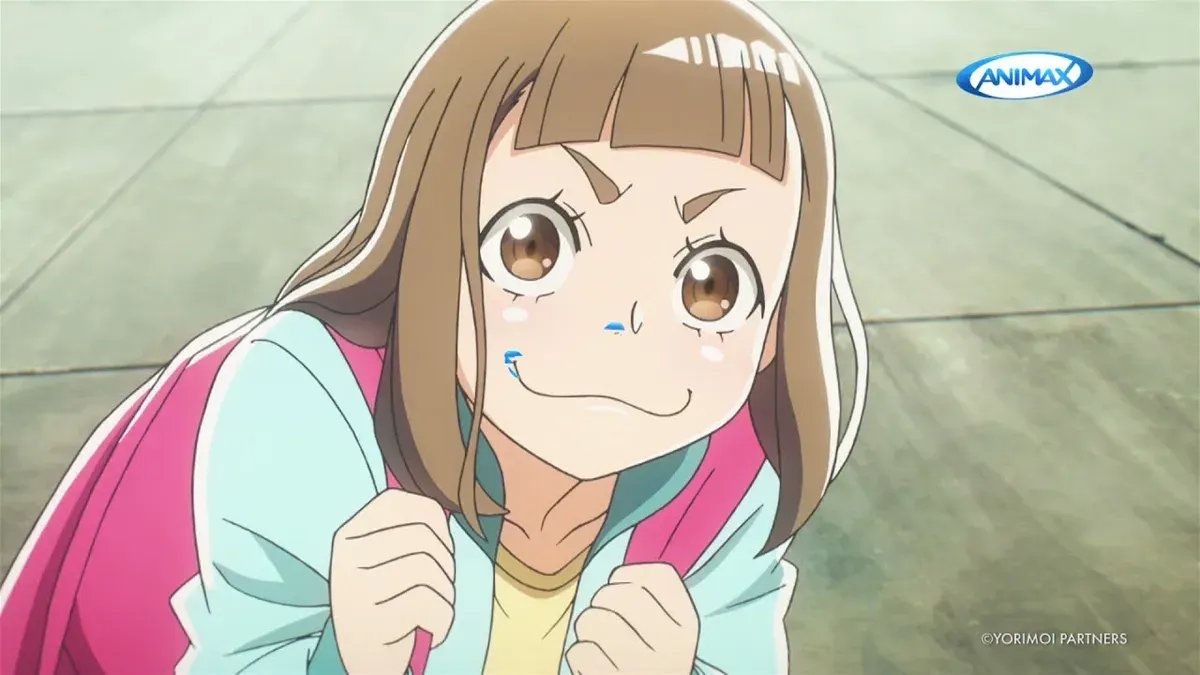
Music is both the language and the obstacle in this series. Kosei's relationship with the piano is entangled with painful memories of his mother, while his new friendships challenge the routines that have kept him emotionally isolated. The performances are heightened, and the series sometimes uses big emotional gestures where a quieter story might have trusted restraint. Nevertheless, it captures something specific about grief: an activity once associated with a loved one can become difficult to approach, even when it remains central to one's identity. The characters do not simply talk their way through that conflict. They repeatedly confront it through practice, performance and relationships. Viewers sensitive to illness, parental pressure or intense melodrama should know those themes are central. Choose it for a story about rediscovering expression rather than a promise of uncomplicated comfort.
6. Haibane Renmei
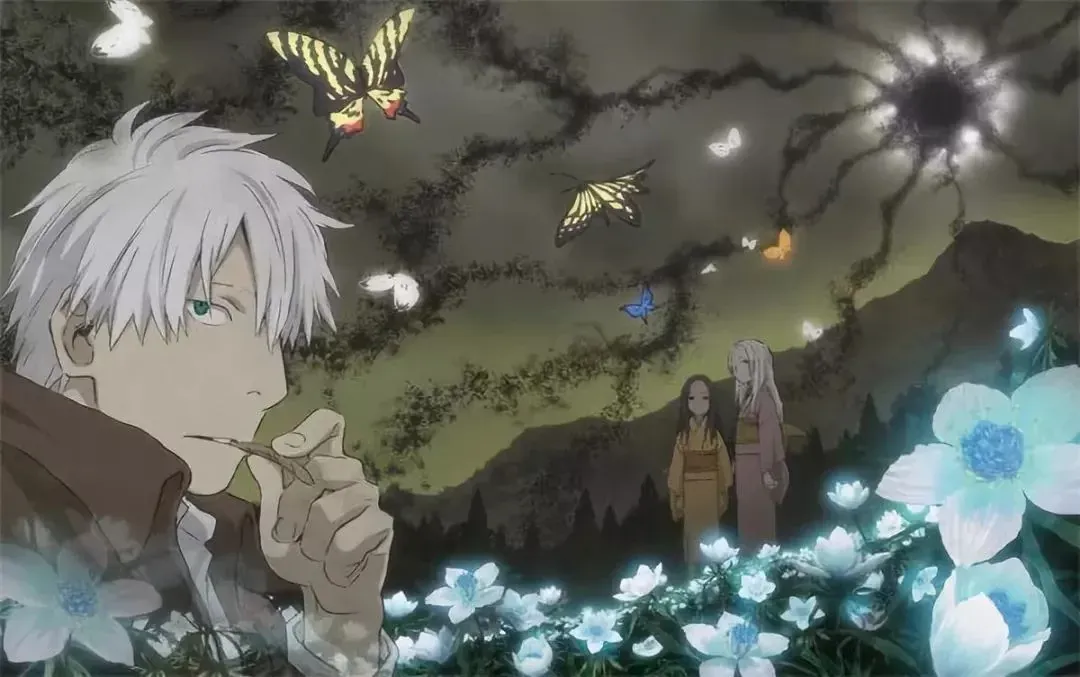
The walled town and its winged residents create a quiet allegorical setting in which memory, guilt and belonging become more important than answers about the world's rules. Rakka arrives uncertain about herself and learns the rhythms of a community with its own responsibilities and rituals. The show is patient with ordinary work and small acts of care, which makes its moments of isolation feel especially sharp. Its symbolism is deliberately open to interpretation; treating any single reading as official canon would diminish the work. What matters for this ranking is how it portrays support without turning one friend into another's rescuer. Compassion is an action repeated over time, not a speech that immediately dissolves shame. This is a thoughtful choice for viewers who prefer ambiguity, atmospheric storytelling and emotional questions that remain meaningful after the credits. For related reading, see our in-depth Haibane Renmei review.
5. Anohana: The Flower We Saw That Day
A childhood tragedy leaves a group of former friends unable to relate to one another as they once did. Their attempts to reconnect expose conflicting memories, jealousy, avoidance and guilt. Anohana is direct about its emotions, sometimes to the point of pushing viewers toward tears. Yet its strongest idea is not simply that the characters miss someone. Each person has developed a different story about what happened and what responsibility they bear. Reconciliation therefore requires listening to experiences that do not fit a single shared narrative. The supernatural premise creates a framework for conversations that ordinary life might never provide, and the series should be approached as fiction rather than an account of how mourning always unfolds. Pick it for a short, emotionally intense ensemble drama about friendship after loss.
4. A Silent Voice
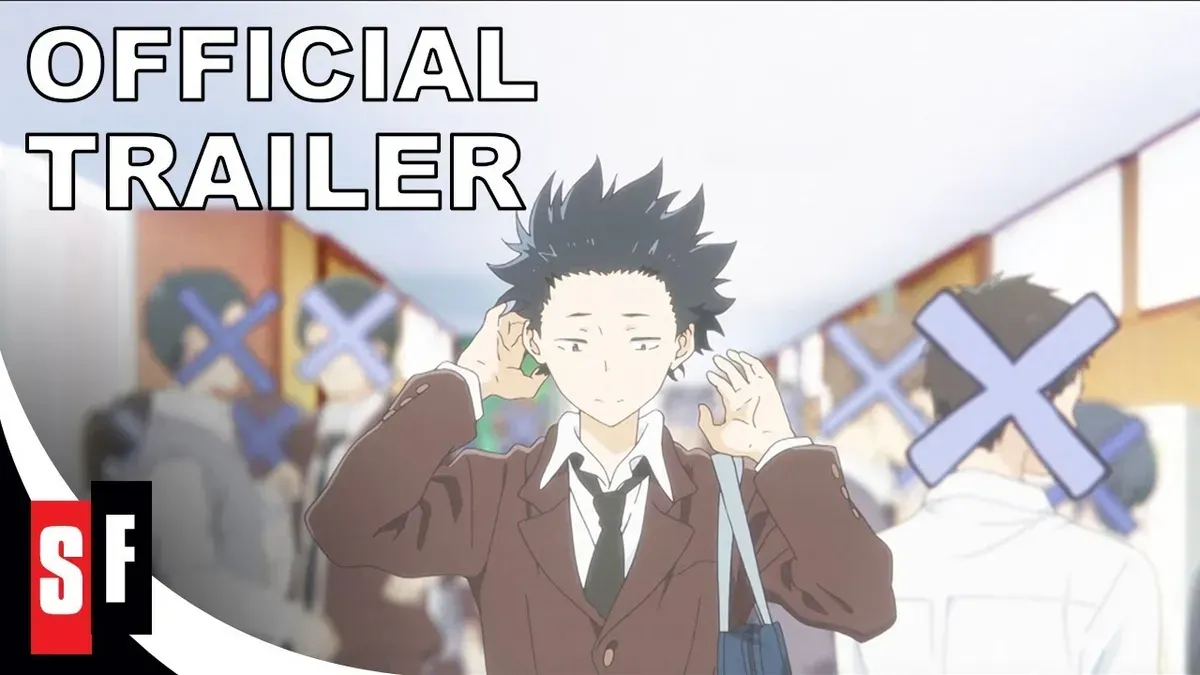
This film is often grouped with tearjerkers, but its primary concerns include bullying, guilt, disability, isolation and the difficult work of repairing harm. Shoya's effort to reconnect with Shoko does not erase the cruelty of his earlier behavior, and the story is most useful when read as an examination of accountability rather than a simple redemption fantasy. Its grief is partly for lost opportunities and damaged relationships, not only bereavement. The film uses perspective, sound and social distance to make disconnection palpable, while allowing supporting characters to remain flawed. It also contains serious mental-health themes, including suicidal thoughts, so it is not a gentle recommendation for every viewer. Choose it when you want a story that distinguishes wanting forgiveness from being entitled to receive it.
3. Violet Evergarden
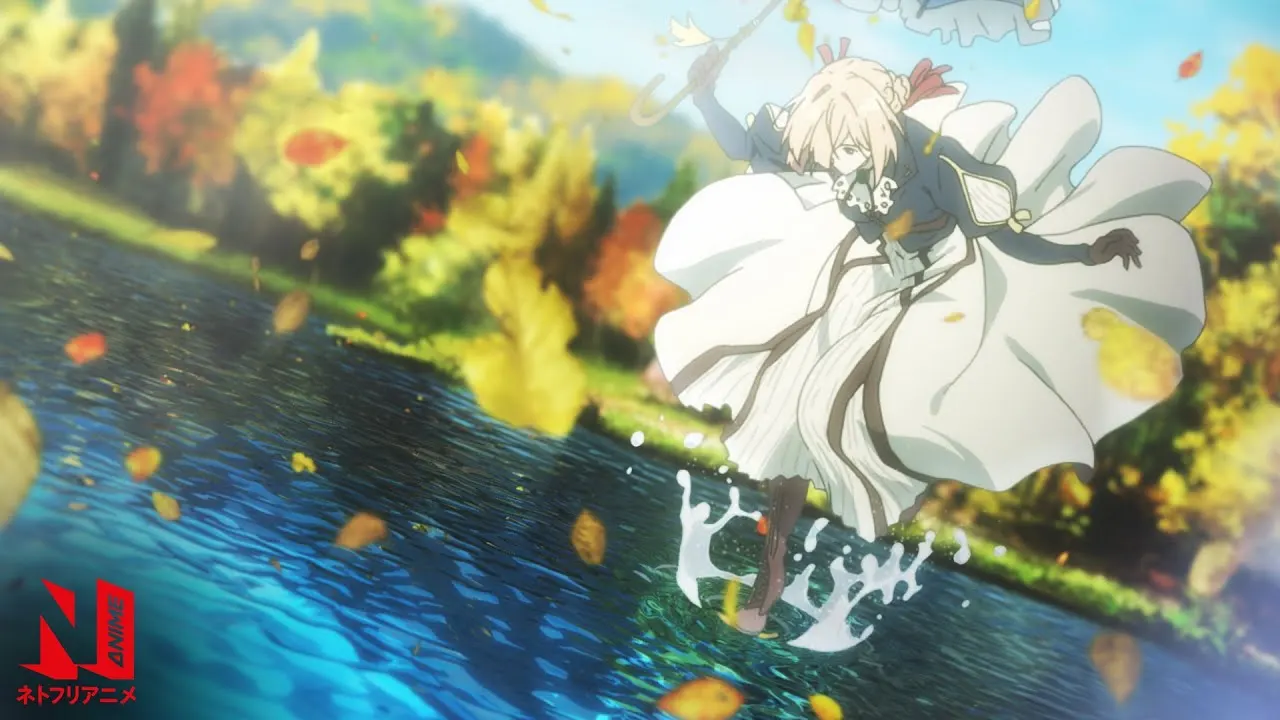
Violet begins with an extraordinary ability to follow orders and far less experience understanding the emotions people attach to words. Working as an Auto Memory Doll, she writes letters for others and encounters different forms of separation, regret and affection. The episodic structure gives the audience multiple perspectives on what remains after someone leaves. Not every episode concerns death, and that breadth is a strength: grief can be connected to distance, missed communication and a changing sense of self. Violet's development is not a straightforward transformation from emotionless to emotional. She gradually acquires language for feelings that already influence her actions. The visual polish can make the drama feel highly composed, but the recurring act of writing gives it an unusually concrete center. Watch for catharsis, careful pacing and stories about saying what was previously left unsaid.
2. Clannad: After Story
After Story earns its reputation through the transition from youthful romance to adult responsibilities. Family, employment and parenthood become essential rather than decorative background details. That change matters because loss has consequences for ordinary routines and relationships, not just a dramatic scene at a funeral. The series is emotionally maximalist and includes supernatural elements, so its plot should not be mistaken for a realistic account of every grieving family. Still, the central question is remarkably practical: how does someone continue to care for other people when everyday life feels impossible? Its strongest moments connect emotional pain to specific acts of responsibility and connection. Begin with the original Clannad series before After Story to understand the relationships that make the later material work. This is an intense recommendation for viewers comfortable with family tragedy and extended emotional investment.
1. Frieren: Beyond Journey's End
Frieren begins after the adventure that another fantasy anime might have treated as its finale. The hero Himmel has grown old and died, while Frieren's elven lifespan has barely changed her outward appearance. Her regret is not that she failed to defeat a villain. It is that she did not try harder to know a friend while there was time. The new journey therefore becomes an education in attention: revisiting places, remembering small gestures and discovering that apparently ordinary conversations can outlast spectacular battles. Unlike stories that treat closure as forgetting, Frieren shows memory becoming richer through new relationships. The series is not only about grief; it also has humor, magic, danger and companionship. That balance is why it ranks first. Its most moving argument is that the past remains meaningful when it changes how we care for people in the present. For related reading, see Frieren and Himmel relationship analysis.
How these stories differ from ordinary sad anime lists
A show can make viewers cry without saying much about the process of living after loss. This selection asks what characters do when the dramatic event has passed: who helps them, what habits change, and which relationships survive. That is why the list includes a parenting film, a fantasy travelogue, a school drama and a symbolic psychological story alongside more conventional tearjerkers. The variety also matters for readers who want emotional depth but do not want a relentlessly bleak watch. A story can be tender, funny or hopeful while remaining honest about sadness.
Which should you watch first?
If you are new to emotionally serious anime, Frieren is a welcoming place to begin because its humor and adventure balance the regret at its center. Violet Evergarden is more overtly sentimental, and Anohana is deliberately intense. Wolf Children is a strong standalone film when you do not want to commit to a season. Haibane Renmei rewards patience with symbolism, while Clannad: After Story needs the first Clannad series as preparation. If you want a gentler exploration of creative exhaustion rather than bereavement, read our Barakamon review and consider that series separately. For related reading, see our Barakamon review.
Are these anime suitable when you are already grieving?
There is no universal answer. Fiction can offer recognition, but it can also intensify difficult feelings. Clannad: After Story, Anohana and Your Lie in April are especially emotionally direct. A Silent Voice includes bullying and suicidal thoughts. Grave of the Fireflies, another frequently recommended sad film, was intentionally left out of this particular top ten because its depiction of wartime suffering offers a very different viewing experience from the relationship-focused aftermath emphasized here. Check content advisories and choose a lighter series when needed. None of these shows is a substitute for support from people you trust or professional care.
What should you watch after Frieren or Violet Evergarden?
If Frieren's attention to memories is what stayed with you, try A Place Further Than the Universe or Wolf Children for stories about carrying love into new experiences. If Violet Evergarden's letters and individual encounters were your favorite part, Haibane Renmei offers a quieter, more ambiguous approach to guilt and connection. The AnimeSparks recommendation finder can also filter for an emotional mood and help compare alternatives without assuming every viewer wants the same intensity. These recommendations are based on thematic fit, not a claim that the shows share identical plots. For related reading, see AnimeSparks recommendation finder.
Editorial limitations and sources
These descriptions distinguish established premises from interpretation. The ranking is an original editorial judgment rather than an objective score. Search competitors commonly emphasize sadness or shock; this article instead compares the continuing effects of loss and the role of community. Monthly US search volume and difficulty were not independently verified, and no claims about current streaming availability are made. Source materials and relevant external reading are listed separately.