
Anime rivalries work best when the opponents change each other. A spectacular fight can make two characters famous, but it takes competing values, repeated choices and consequences to turn their conflict into a relationship worth following. Some rivals start as enemies and become allies. Others are friends who cannot agree on what winning means. A few never exchange a conventional punch at all. This ranking looks beyond raw strength to ask what each rivalry contributes to its story.
Our ten picks cover action, sports, psychological suspense and political drama. The order is an editorial judgment, not a fan poll or an official power ranking. Expect broad premise details and mild character-development spoilers, but no attempt to reveal every final outcome. If you only want fight results, individual matchup guides are a better fit than this discussion of how rivalries are written.
How we ranked these anime rivalries
We used four criteria: competing goals that readers can clearly understand; meaningful change in at least one rival; encounters that matter to the plot rather than merely repeat a power contest; and an emotional or ideological difference that remains interesting even when nobody is fighting. Fame is not itself a criterion. Nor do we count every villain and hero as rivals: a rivalry requires sustained personal or thematic opposition, not just one battle.
10. Ash Ketchum and Gary Oak, Pokémon
Ash and Gary begin with an almost textbook childhood rivalry. Gary appears more confident, enjoys showing off his progress and regularly makes Ash feel behind. That imbalance gives Ash a concrete benchmark, but the series gradually demonstrates that success cannot be reduced to boasting, badges or the number of Pokémon someone owns. Their competition has a playful energy that makes the early adventures accessible even to younger viewers.
10. Ash Ketchum and Gary Oak, Pokémon
What gives the pairing staying power is its movement away from simple humiliation. Ash learns through persistence, bonds with his team and losses that force him to adapt. Gary eventually develops interests that are not merely about defeating Ash. Their diverging paths make the rivalry more convincing: people who grow up competing do not have to keep chasing the same prize forever. It ranks lower because much of the dramatic weight comes from Ash's broader journey rather than repeated, equally developed confrontations.
9. Yugi Muto and Seto Kaiba, Yu-Gi-Oh!
Kaiba sees winning as proof that his discipline, wealth and intelligence can control uncertainty. Yugi approaches dueling through trust, collaboration and a willingness to see opponents as people. Their matches are entertaining card-game spectacles, but the conflict underneath is a clash over what strength means. Kaiba's obsession makes him an excellent foil because he refuses to be easily converted by a single defeat.
9. Yugi Muto and Seto Kaiba, Yu-Gi-Oh!
The rivalry also benefits from an asymmetry of attention. Kaiba frequently defines himself against Yugi, while Yugi's concerns extend beyond their competition. That imbalance is not a writing flaw by default: it reveals how a rival can occupy far more space in one person's identity than the other person's. The limitation is that the series' supernatural stakes sometimes overshadow the ordinary competitive psychology. Still, the contrast between pride and trust is unusually clear.
8. Hinata Shoyo and Kageyama Tobio, Haikyu!!
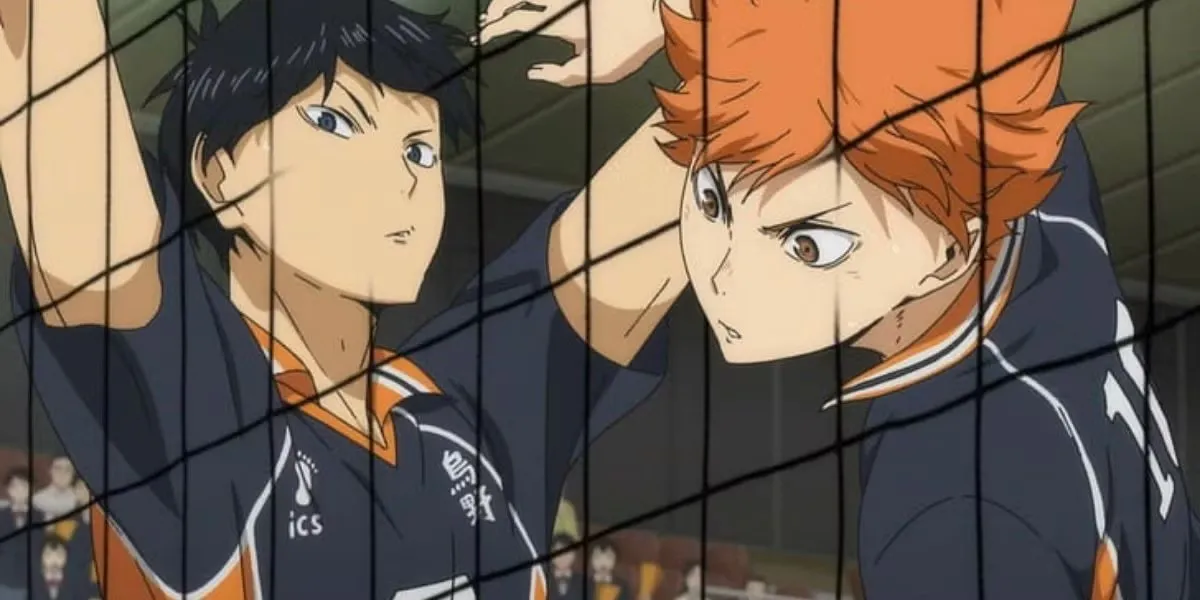
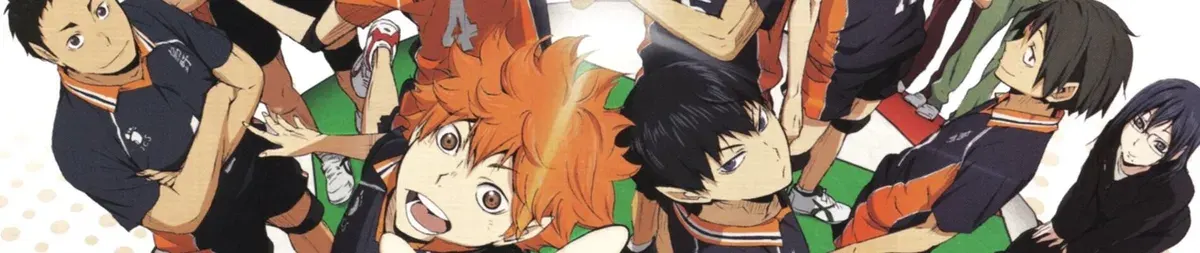
Hinata and Kageyama initially approach volleyball from opposite frustrations. Hinata has remarkable enthusiasm and jumping ability but lacks structured experience. Kageyama possesses technical skill and a commanding temperament that has damaged his relationships with teammates. Their first encounter suggests an antagonistic sports rivalry. Once they play on the same team, the story finds a more interesting question: can two competitive players improve without making the other feel smaller?
8. Hinata Shoyo and Kageyama Tobio, Haikyu!!
Their partnership forces both to adjust. Hinata needs to become more than a target for Kageyama's sets, and Kageyama must learn that leadership is not the same as issuing orders. Haikyu!! makes the mechanics of passing, timing and communication part of the characterization. That is why their rivalry feels earned: progress becomes visible in the way they play with others. It is a strong choice for viewers who prefer growth through cooperation over a final winner-takes-all duel.
7. Asta and Yuno, Black Clover
Asta and Yuno share an upbringing and a dream of becoming Wizard King, but their abilities and social reception differ sharply. Yuno is recognized for extraordinary magical talent, while Asta begins without conventional magic. Their rivalry could have become a simple story of envy. Instead, both largely treat the other's progress as a reason to work harder, not a justification for cruelty.
7. Asta and Yuno, Black Clover
The relationship is valuable because mutual respect survives very different opportunities. Asta's physical training and anti-magic are not interchangeable with Yuno's abilities, so comparing them purely through a numerical power scale misses the point. Their parallel journeys explore recognition, perseverance and the difference between being gifted and being supported. The rivalry occasionally becomes less central when larger threats dominate the plot, which keeps it below more consistently confrontational pairs.
6. Joe Yabuki and Toru Rikiishi, Ashita no Joe
Joe and Rikiishi embody a rivalry whose meaning is inseparable from boxing's physical and psychological costs. Their encounters are not merely opportunities for stylish victories. They test discipline, pride and the characters' willingness to reshape their lives around an opponent. Joe's raw defiance meets Rikiishi's controlled commitment, creating tension even when they are outside the ring.
6. Joe Yabuki and Toru Rikiishi, Ashita no Joe
This is a heavier recommendation than the upbeat sports entries above. The story treats athletic ambition as something capable of consuming a person rather than automatically making them healthier or happier. That gives the rivalry a tragic seriousness that modern tournament narratives often borrow without matching. We rank it highly for thematic impact, while noting that its older presentation and deliberate pacing may require adjustment from viewers accustomed to contemporary sports anime.
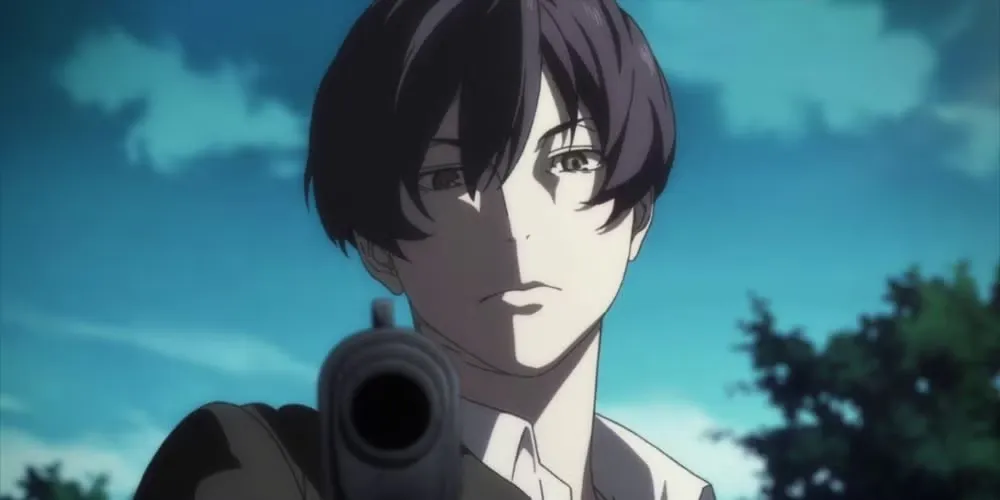
5. Light Yagami and L, Death Note
Light and L turn investigation into an intimate contest of inference. Light wants to remake society through lethal judgment while concealing his identity; L pursues the truth using observation, traps and calculated risk. Their rivalry works because neither can simply announce what he knows. Every apparent conversation has another layer, and a mundane gesture can become a test of suspicion.
5. Light Yagami and L, Death Note
Unlike many action rivalries, their strengths are difficult to measure without considering information. A correct deduction made too early can be useless if it cannot be proved. A clever deception can backfire by narrowing the possibilities. That dynamic gives viewers an unusually active role in assessing the contest. Light and L also differ ethically: intelligence is not evidence of moral legitimacy. Our Death Note review examines the series' lasting appeal beyond the mechanics of this duel.
4. Izuku Midoriya and Katsuki Bakugo, My Hero Academia
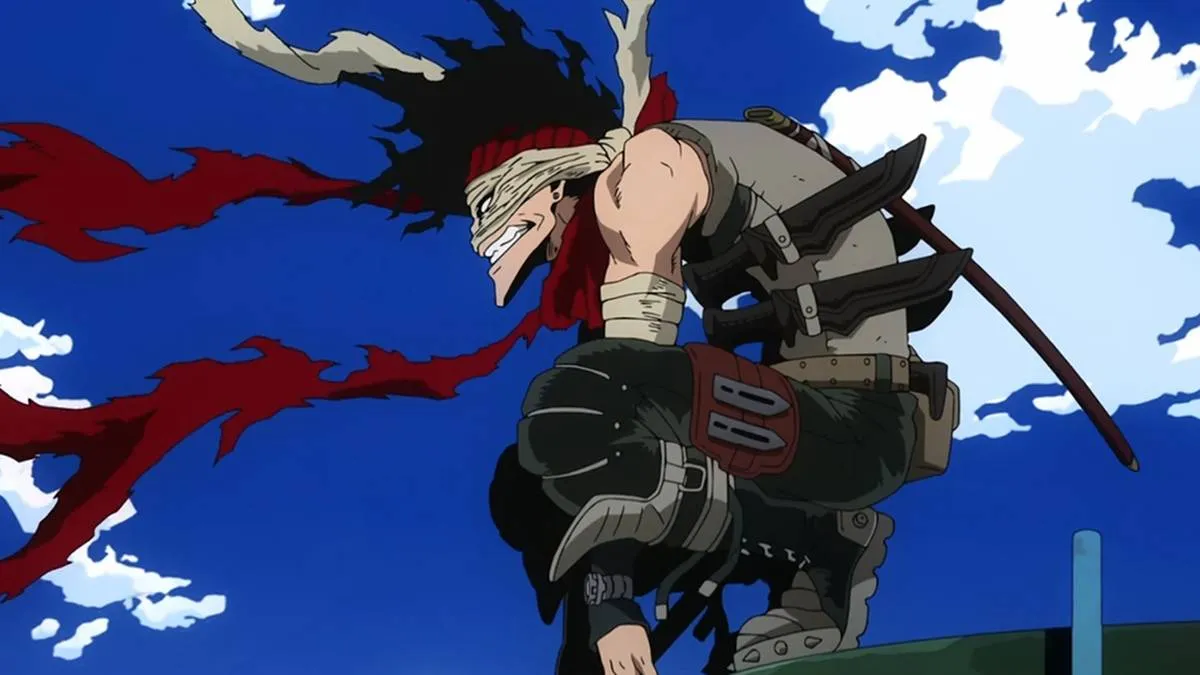
Midoriya and Bakugo begin with a deeply unequal relationship shaped by childhood bullying, insecurity and different expectations about heroism. Calling them friendly rivals from the start would flatten the harm in their history. The writing becomes more interesting when their competition forces both to confront what they misunderstand about strength. Midoriya admires Bakugo's determination while developing a distinct form of courage; Bakugo must confront the limitations of treating vulnerability as weakness.
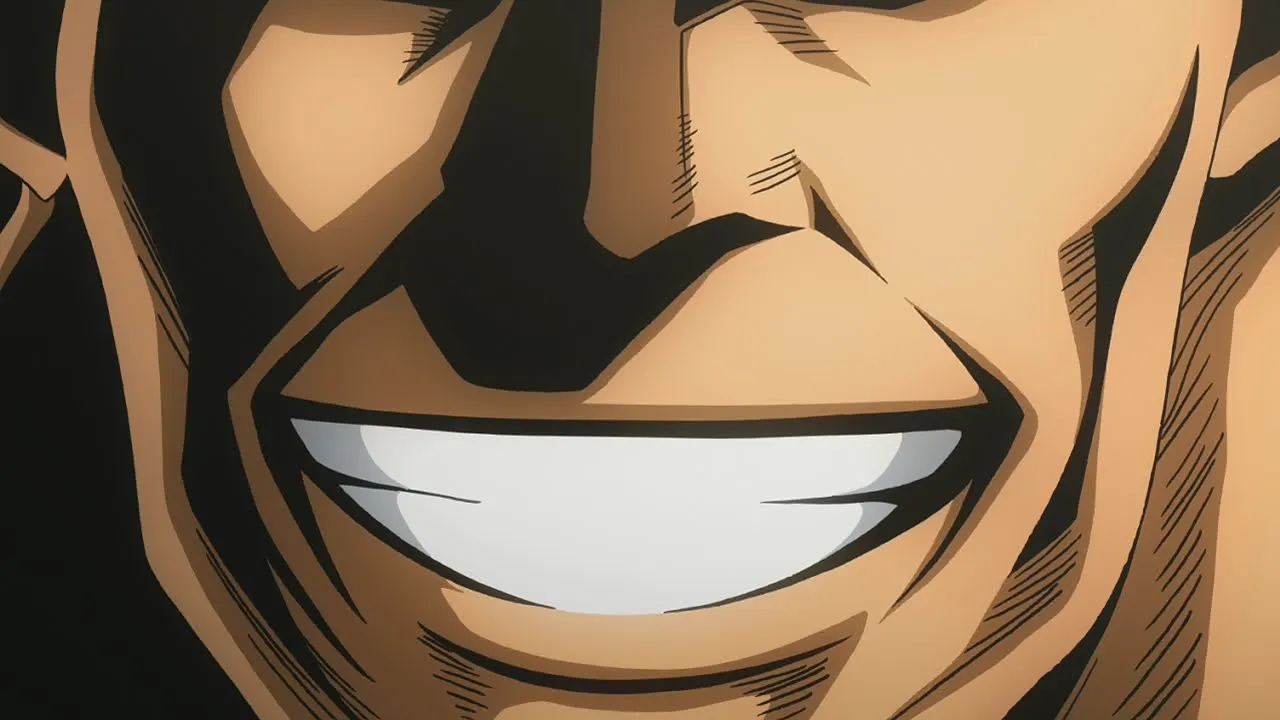
4. Izuku Midoriya and Katsuki Bakugo, My Hero Academia
Their best scenes are not necessarily the biggest attacks. They are moments when pride, apology, cooperation and accountability become possible without pretending the past did not happen. The rivalry's emotional credibility depends on acknowledging that growth is not a shortcut to forgiveness. For readers interested in the teachers who shape these students, our anime mentor ranking discusses All Might from a different angle. The pairing ranks highly because its development changes the meaning of victory.
3. Goku and Vegeta, Dragon Ball
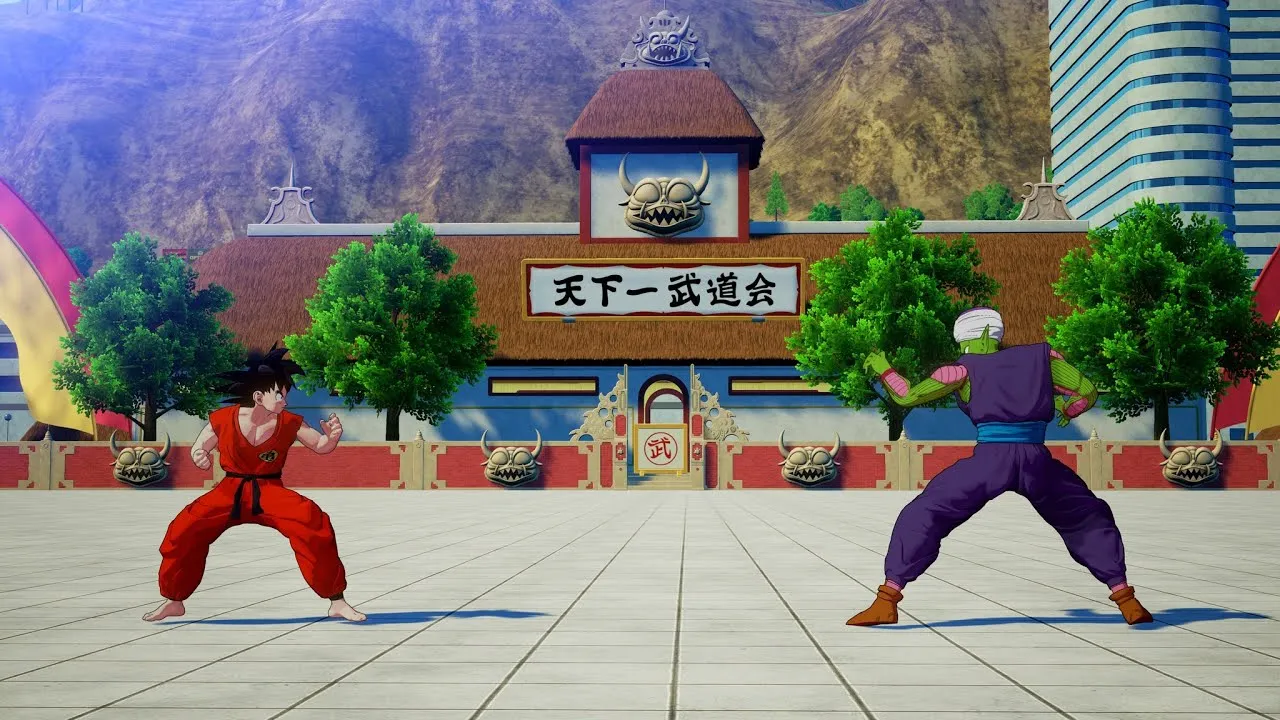
Goku and Vegeta are perhaps the clearest example of an unequal obsession becoming a durable partnership. Vegeta begins with royal pride and an assumption that status should guarantee superiority. Goku, by contrast, tends to treat formidable opponents as opportunities to learn. Their early conflict is dangerous and personal, but their later training and shared battles gradually give competition a different function.
3. Goku and Vegeta, Dragon Ball
The contrast remains recognizable even as transformations and power ceilings change. Vegeta's most interesting progress often involves accepting responsibilities that cannot be solved by overtaking Goku. Goku remains an imperfect family man and a relentless martial artist rather than a flawless moral teacher. Their rivalry is iconic, yet it earns its place here for the way cooperation can coexist with a desire to win. For a separate, canon-focused account of match outcomes, see our Goku vs Vegeta fight guide.
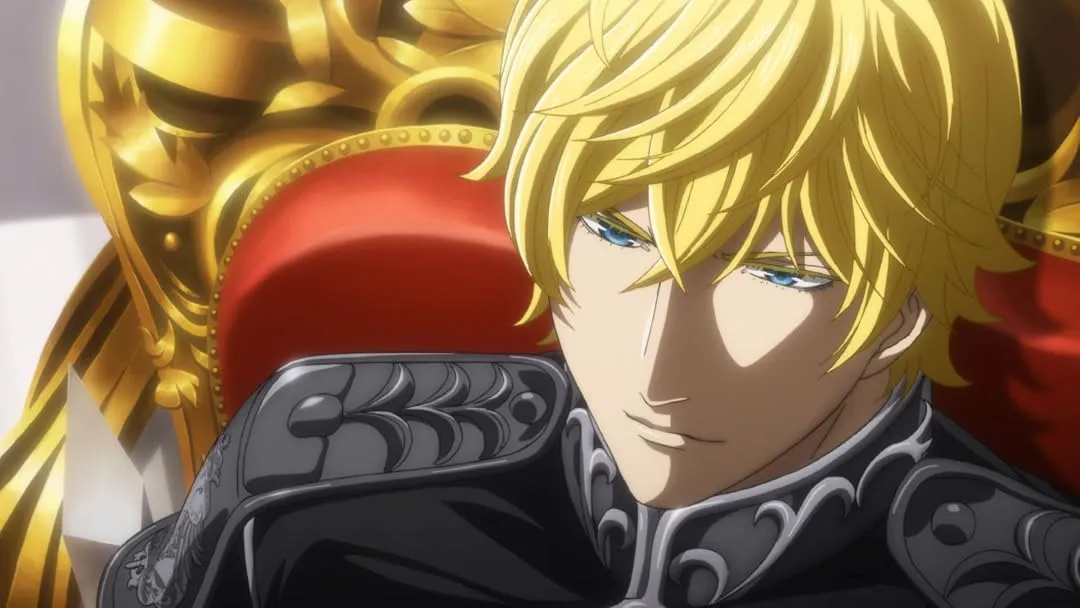
2. Reinhard von Lohengramm and Yang Wen-li, Legend of the Galactic Heroes
Reinhard and Yang are military opponents whose conflict tests different political beliefs. Reinhard's extraordinary ambition is directed toward remaking a corrupt imperial order. Yang, despite his strategic genius, values democratic institutions and is wary of concentrating authority in one exceptional leader. Their rivalry is therefore about more than which commander can predict the next maneuver.
2. Reinhard von Lohengramm and Yang Wen-li, Legend of the Galactic Heroes
The series gives each man strengths that complicate easy judgments. Reinhard can recognize systemic failure and act decisively, while Yang understands that a capable ruler does not make unchecked power safe forever. Their encounters expose the costs of war, the fragility of institutions and the difference between a military victory and a legitimate political settlement. This pairing ranks near the top because its ideological stakes remain compelling without a personal grudge or a conventional tournament structure.
1. Naruto Uzumaki and Sasuke Uchiha, Naruto
Naruto and Sasuke begin as teammates who recognize something of their own isolation in each other. Their early competition involves skill and recognition, but Sasuke's pursuit of revenge turns the relationship into a struggle over belonging, justice and whether personal bonds can survive incompatible choices. Naruto's determination to reach Sasuke is central to the story, yet it also exposes the limits of simply insisting that someone return.
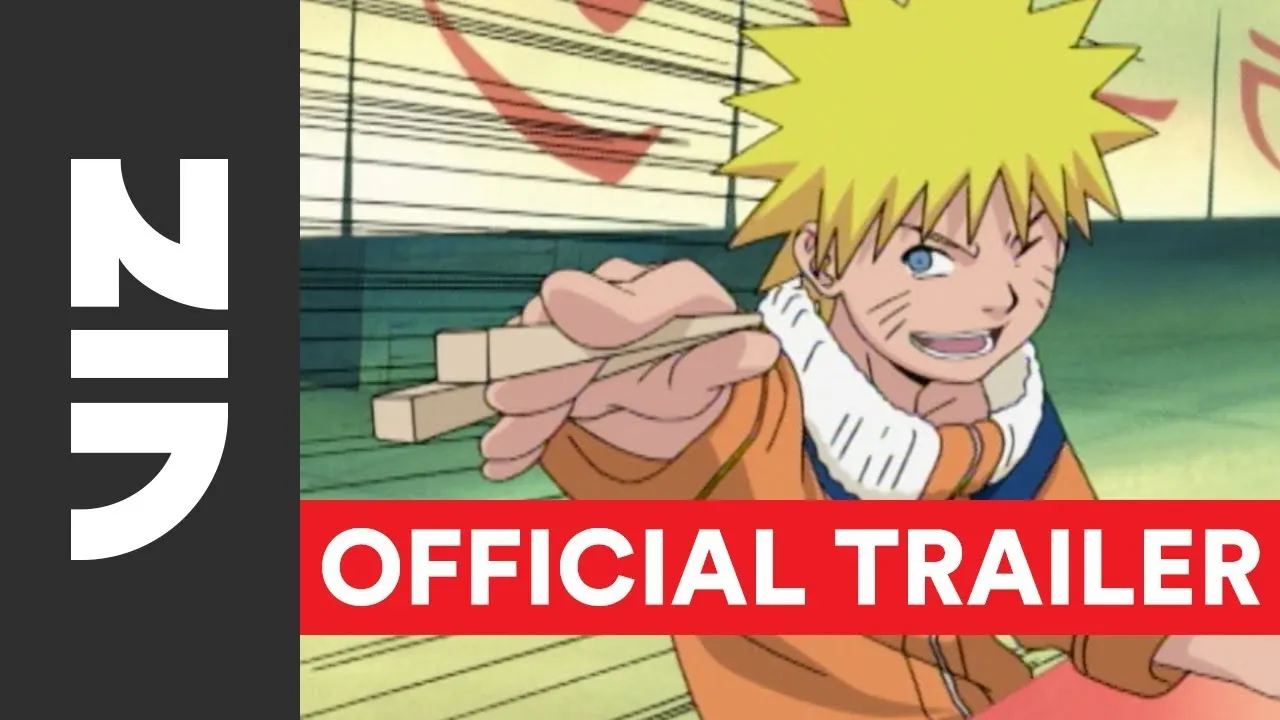
1. Naruto Uzumaki and Sasuke Uchiha, Naruto
The rivalry grows with both characters. Training and battles matter, but the emotional stakes depend on how each interprets loss and responsibility. Naruto seeks acknowledgment without abandoning connection; Sasuke repeatedly tries to cut ties that he experiences as obstacles to his purpose. Their confrontations are memorable because the physical contest carries years of unresolved arguments. They take first place not because every decision is admirable, but because the rivalry organizes an enormous story around a persistent human question: what do you owe someone you cannot persuade?
Which anime rivalry should you watch first?
For an accessible sports partnership, choose Haikyu!!. For a tightly structured intellectual duel, start with Death Note. For a long-running action relationship, Dragon Ball and Naruto offer different forms of growth. If you want a political argument embedded in military strategy, Legend of the Galactic Heroes is the strongest fit. Ash and Gary offer lighter nostalgia; Joe and Rikiishi provide a much more demanding tragedy. The best entry point depends on whether you want cooperation, conflict, strategy or emotional consequences.
What makes a rivalry different from an ordinary fight?
A rivalry continues to shape choices even when the opponents are apart. Its strongest examples create recurring pressure: one character changes training, ethics or goals because another exists. A single exciting boss fight can be excellent television without establishing a sustained rivalry. Likewise, not every friendship is a rivalry. Hinata and Kageyama qualify because their competition repeatedly affects their development, while many supportive friendships do not have that competitive structure.
Are anime rivals always enemies?
No. Asta and Yuno encourage each other, Hinata and Kageyama are teammates, and Goku and Vegeta eventually cooperate against greater threats. Enmity can create a rivalry, but so can mutual ambition, contrasting methods or a desire for recognition. What matters is whether the relationship generates meaningful choices and changes.
Why aren't these ranked by who is strongest?
Power levels cannot fairly compare a detective, a volleyball player and a space-fleet commander. Even within battle anime, raw strength misses why a pairing resonates. This ranking focuses on narrative purpose, ideological tension, character development and consequences. Readers who want combat outcomes should consult franchise-specific matchup articles rather than treating this as a cross-universe battle chart.
Editorial sources and limitations
The ranking is original editorial analysis, not a survey or a claim of universal consensus. Competitor lists from Ranker and other anime publications were reviewed to understand broad search intent and identify a gap for cross-genre, criteria-based comparisons. Series premises and character relationships are grounded in the named works; interpretations of their meaning are judgments. No monthly search volume or keyword difficulty figure has been independently verified for this topic.