
The best anime mentors are not necessarily the strongest fighters. A teacher who can destroy an enemy may still struggle to explain a lesson, recognize a student's needs or know when to step aside. That distinction matters in stories where young heroes inherit enormous power but have little experience deciding what to do with it. This ranking looks at the people who change how their students think, not simply how hard they can hit.
Our editorial criteria are specific: the mentor must teach a recognizable skill or principle, adapt to the learner, demonstrate responsibility when their guidance causes harm, and leave the student more capable of making independent choices. We also consider the consequences of their mistakes. The ranking is an interpretation of the stories, not a fan vote or a claim that one fictional teaching method would work in a real classroom. Expect light spoilers about relationships and training arcs, with major ending revelations avoided.
How these ten mentors compare
For tactical teamwork, Kakashi is the clearest example. For patient, incremental training, Genkai and Biscuit stand out. For a mentor who teaches emotional boundaries rather than superpowers, Reigen is unusually compelling. For a flawed teacher whose failures are part of the story, All Might is essential. The top positions reward teachers whose students ultimately become less dependent on them.
10. Master Roshi, Dragon Ball
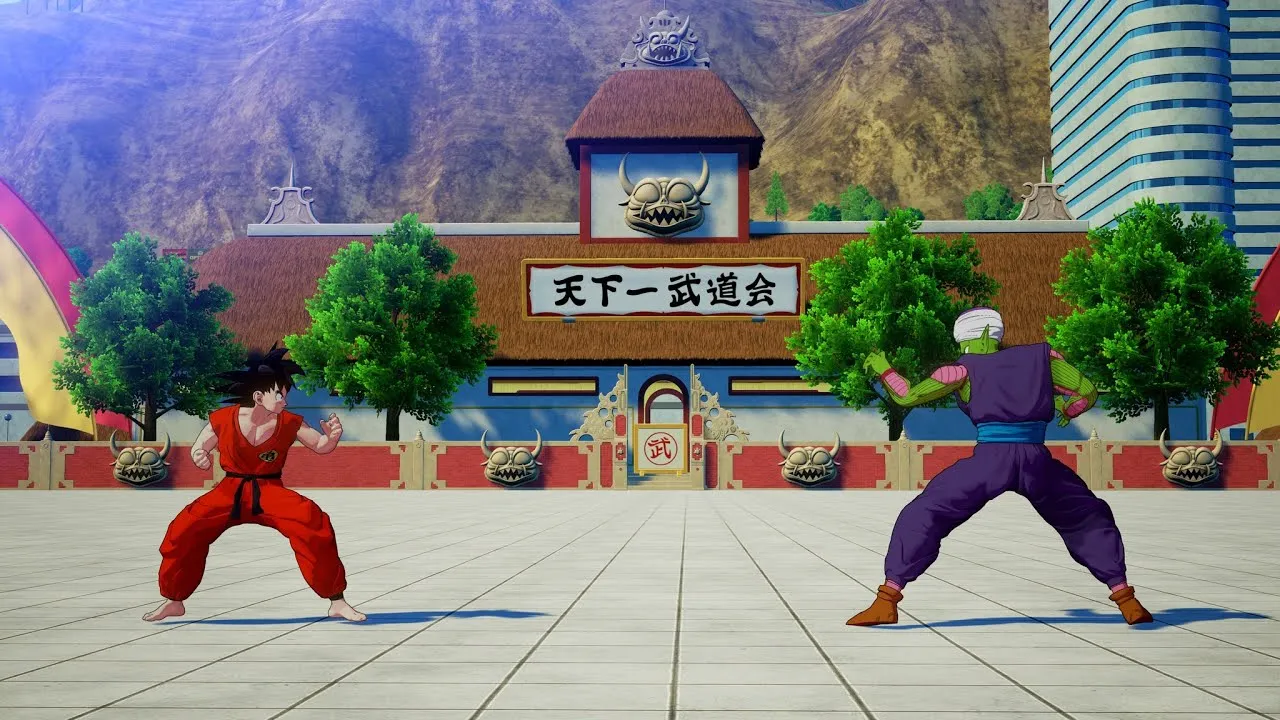
Roshi's early training of Goku and Krillin is memorable because it begins with chores and physical conditioning rather than a secret technique. Delivering milk, working fields and moving under added weight teach the students that martial arts require discipline beyond winning a spectacular fight. The old master also gives them a competitive benchmark, encouraging them to keep growing rather than assume they have reached the top.
There is a significant caveat: Roshi's recurring inappropriate behavior toward women is not a harmless model of mentorship. A ranking based on teaching quality cannot ignore it. His useful lessons about effort and humility coexist with conduct that makes him a poor example in other respects. That tension is why he places lower than teachers who combine expertise with better boundaries.
9. Silvers Rayleigh, One Piece
Rayleigh helps Luffy understand Haki during the Straw Hats' two-year separation. His strength is translating an abstract power system into a practical foundation: sensing presence, hardening attacks and exerting will are different skills, each with its own applications. Rather than simply handing Luffy a new weapon, Rayleigh prepares him to practice and refine those abilities in future encounters.
What makes this effective is restraint. Rayleigh cannot accompany the crew through every danger or solve every future battle. His training creates the conditions for Luffy's growth without replacing the pirate's decisions. Readers who want the mechanics behind the training can use AnimeSparks' guide to the three types of Haki and their advanced forms.
8. Izumi Curtis, Fullmetal Alchemist: Brotherhood
Izumi Curtis teaches Edward and Alphonse Elric that understanding the world comes before reshaping it. Their early lessons require observation and survival, not merely memorizing transmutation circles. She treats alchemy as a practice with ethical limits, which makes her influence important even when the brothers act against what they have been taught.
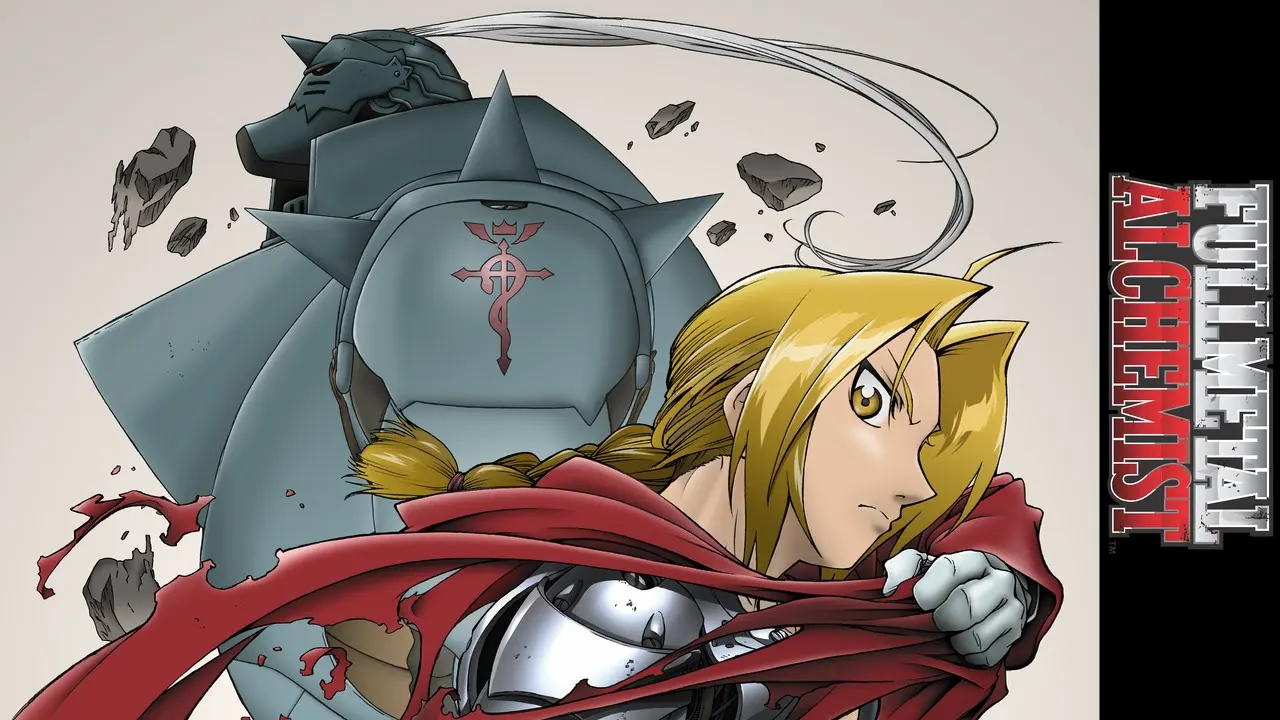
Izumi's severity can be excessive, and the story does not make her an infallible guardian. Yet she shares the painful reality that knowledge does not exempt anyone from consequences. The brothers' struggle with Equivalent Exchange gives her mentorship its depth: a student can learn the rules and still make a disastrous choice. For a more technical explanation, see our guide to how alchemy and Equivalent Exchange work.
7. Biscuit Krueger, Hunter x Hunter
Biscuit's training of Gon and Killua is a model of diagnosing a problem before prescribing a solution. She identifies gaps in their Nen control, insists on repetition and develops their physical and tactical foundations. Her deceptively playful presentation contrasts with how demanding the training actually is. She is not impressed by talent alone when basic habits are weak.
Her approach also makes progress measurable inside the story. The students are asked to understand why a technique works and to use it under changing conditions. That is a stronger teaching philosophy than announcing that the heroes have suddenly unlocked another level. AnimeSparks' guide to the six Nen types provides useful context for the system she helps them master.
6. Genkai, Yu Yu Hakusho
Genkai does not flatter Yusuke Urameshi. Her training forces him to confront how much effort, focus and judgment are required to control spiritual power. She can be abrasive, but her instruction consistently pushes him to distinguish raw potential from reliable performance. In a genre where natural talent often appears to solve everything, that distinction gives their relationship weight.
Her greatest strength is that she understands the cost of pushing a student too far. The series frames the transfer of power and responsibility as serious, not as a free upgrade. Genkai's tough-love style would not suit every learner, and the narrative makes its risks visible. She earns this place because the training has consequences beyond a tournament result.
5. Satoru Gojo, Jujutsu Kaisen
Gojo's ambition is larger than producing stronger sorcerers. He wants a generation capable of challenging the institutions that shaped the jujutsu world. His instruction gives Yuji, Megumi and other students room to develop different strengths rather than demanding they imitate his overwhelming abilities. This separates his long-term goal from the simple fantasy of being the strongest teacher.
But extraordinary power can become a teaching weakness. Gojo's presence changes the risks everyone else takes, and his confidence does not always make the system safer for students. That contradiction makes him interesting: he recognizes structural problems but cannot solve them merely by being exceptional. The ranking rewards his belief in the next generation while acknowledging that his protection is imperfect.
4. All Might, My Hero Academia
All Might's first decisive lesson to Izuku Midoriya is recognition. He sees heroic potential in someone society has dismissed, then commits to preparing him to inherit One For All. The physical training before the transfer matters because it establishes that encouragement must be paired with preparation. All Might's belief opens a door, but Izuku still has to walk through it.

His weakness is teaching technique. All Might was an extraordinary natural user of his power, and that does not automatically make him good at explaining how to control it safely. Other teachers and heroes contribute important guidance. This limitation is a feature of the writing: the Symbol of Peace has to learn that mentorship requires more than inspirational speeches. Our article about what happens to Deku's powers explores the longer consequences of that inheritance, with major ending spoilers.
3. Kakashi Hatake, Naruto
Kakashi's most important early lesson is not a jutsu. His bell test forces Team 7 to confront the conflict between individual achievement and collective responsibility. Naruto, Sasuke and Sakura enter with different motivations, but the exercise makes teamwork a condition of success. The point is not that cooperation guarantees victory; it is that a ninja who abandons teammates has misunderstood the job.
Kakashi also adjusts his instruction as the students diverge. His work with Sasuke emphasizes specific techniques, while his guidance to the team as a whole addresses judgment under pressure. He is not always present when they need him, and his students make choices he cannot control. That makes the lesson about loyalty more persuasive than a simplistic picture of a perfect instructor.
2. Reigen Arataka, Mob Psycho 100
Reigen is a fascinating exception to the powerful-master archetype because he has no genuine psychic abilities. He nevertheless teaches Shigeo Kageyama, known as Mob, that extraordinary powers do not determine a person's worth. His advice about social situations, self-control and the responsibilities of adults addresses problems that psychic combat cannot fix. He gives Mob language for a life outside being useful to others.
Reigen is also dishonest and sometimes exploits Mob's abilities, so praising him without qualification would miss the point. His credibility as a mentor comes partly from the story allowing that relationship to be tested. He must confront his selfishness while Mob learns to form friendships and boundaries independently. Our dedicated Reigen character analysis explores why this imperfect adult can still be one of anime's most affecting guides.
1. Koro-sensei, Assassination Classroom
Koro-sensei's bizarre classroom begins with an impossible premise: students are tasked with killing their nearly invulnerable teacher before a deadline. Yet the emotional foundation of Assassination Classroom is remarkably practical. He studies individual students, identifies the ways they have been underestimated and tailors instruction to their strengths. Academic progress, confidence and tactical planning all become parts of the same education.
What distinguishes him from mentors who train only a chosen protagonist is the breadth of his attention. Class 3-E contains students with different fears, abilities and ambitions. Koro-sensei does not treat them as interchangeable side characters. He tries to give each a path to competence and dignity, which makes the classroom's collective growth as important as any one student's triumph.
The premise is intentionally fantastical and ethically complicated, not a realistic educational blueprint. His greatest achievement is narrative: the students learn to assess situations, support one another and eventually make difficult decisions without needing him to supply every answer. On our criteria, that independence makes him the strongest mentor on this list.
Why a good anime mentor is not always a good person
A recurring pattern emerges from these ten examples. Skill transfer is only one part of teaching. Roshi and Reigen are both flawed adults, but the stories ask different questions about how students should evaluate their guidance. Gojo and All Might are powerful protectors whose abilities cannot eliminate every institutional or personal risk. Kakashi and Koro-sensei use exercises to reveal something their students cannot learn from lectures.
This also explains why popularity rankings can produce a different order. A beloved character may have little actual teaching time, while a less spectacular instructor might demonstrate a more consistent method. A fan vote measures affection. This editorial ranking examines what the mentor does, how the student changes and whether the relationship leaves room for independence. Both approaches are valid, but they answer different questions.
Which mentor should you watch first?
Choose Assassination Classroom for a story built around an entire class growing together. Watch Mob Psycho 100 if you want an emotionally complicated adult-student bond. Naruto and My Hero Academia offer long-running examples of mentorship under heroic pressure. Fullmetal Alchemist: Brotherhood and Hunter x Hunter are better choices when you want teaching tied closely to the rules and costs of a power system.
For a shorter thematic comparison, pair the early Dragon Ball training episodes with the first Naruto bell test. Both use deceptively simple exercises to challenge the students' assumptions. One emphasizes disciplined effort; the other emphasizes loyalty and teamwork. The contrast reveals why the best training arcs do more than prepare characters for their next fight.
Frequently asked questions
Who is the best anime mentor?
Koro-sensei is our editorial pick because his teaching is individualized and his students become more capable of making independent choices. Fan-voted lists may rank Gojo, All Might or Kakashi higher.
Is Gojo a better teacher than All Might?
They succeed in different ways. Gojo encourages institutional change and individual growth; All Might provides inspiration and an opportunity that transforms Izuku's life. Both struggle to protect students from every consequence of their world.
Why is Reigen considered a mentor if he has no powers?
He teaches Mob emotional boundaries, everyday judgment and the idea that psychic talent does not define personal value. His dishonesty is an important part of the story, not a quality to imitate.
Are these anime suitable for children?
Not necessarily. Several feature violence, frightening scenes or mature themes. Check the rating and content guidance for each series in your region rather than assuming that a school or mentor setting means it is intended for young children.
Editorial sources and further reading
The ranking is an original editorial comparison based on the characters' established roles and training arcs. Competitive reference points include Ranker's reader-voted mentor ranking and Outlook Respawn's report on a MyAnimeList popularity list; neither determines our order. For factual background, consult the official Naruto, My Hero Academia, Fullmetal Alchemist and Assassination Classroom series materials. The criteria and individual judgments above are editorial analysis, not measured classroom outcomes.