
- Best music anime ranked by what the performances reveal
The best music anime do more than attach a memorable soundtrack to a coming-of-age story. They show why people practice when nobody is listening, what happens when a group cannot agree on its sound, and how a performance can express something its characters struggle to say. That makes the genre unusually varied. A school concert band is not trying to achieve the same thing as an independent rock group, a classical pianist, or a songwriter trying to be heard in a crowded industry. This guide compares eight anime through those differences rather than pretending every musician has the same ambitions.
If you want energetic comedy, begin with Bocchi the Rock!. If you prefer difficult ensemble relationships, try Sound! Euphonium or BanG Dream! It's MyGO!!!!!. For a bittersweet story about performance and memory, Your Lie in April is a more intense choice. Given connects songwriting to grief and relationships, while Carole & Tuesday explores artistic partnership and a commercial music environment. BECK is a grounded rock-band origin story; K-On! makes time spent together as important as the music itself. The ranking is spoiler-light and does not assume any one platform offers every show in every country.
How the ranking works
Four editorial criteria shape the order: whether musical decisions affect the plot, whether practice and collaboration have consequences, how convincingly performances express character, and whether the show delivers a coherent experience for its intended audience. We do not invent numerical music-quality scores, claim to have measured instrumental accuracy, or treat audience popularity as proof of artistic superiority. The distinctions below are qualitative judgments supported by the series' premises and onscreen storytelling. A show can rank lower while being the best recommendation for a particular mood.
8. K-On! makes ordinary friendship sound meaningful
K-On! begins with a light music club whose members spend as much time sharing snacks and talking as they do rehearsing. That balance is the point, not a failure to become a serious conservatory drama. Yui's initial inexperience makes the club an inviting entry point for viewers who have never played an instrument, while the group's casual habits create a feeling of belonging before the bigger performances arrive. The music gives everyday school life a shape and eventually becomes a way to mark how quickly those years pass.
It ranks eighth for readers specifically seeking detailed musical struggle because the show frequently prefers warmth to technical process. Yet that choice is a strength for anyone who wants a low-pressure watch about discovering a hobby through other people. The later emotional payoff depends on the seemingly uneventful time the group has spent together. If the appeal is less about perfect technique than finding people who make you want to show up, K-On! understands that feeling exceptionally well. Its school-club setting should not be mistaken for a documentary about professional bands.
7. Carole & Tuesday turns songwriting into a partnership
Carole and Tuesday come from different circumstances but find a shared language through music. Their partnership is the engine of the story: a song has to reflect two personalities rather than simply showcase a single prodigy. The futuristic setting also lets the series consider the tension between making something personal and entering a competitive entertainment industry. Netflix's official description identifies their meeting and musical connection as the central premise, which is the foundation for this recommendation.
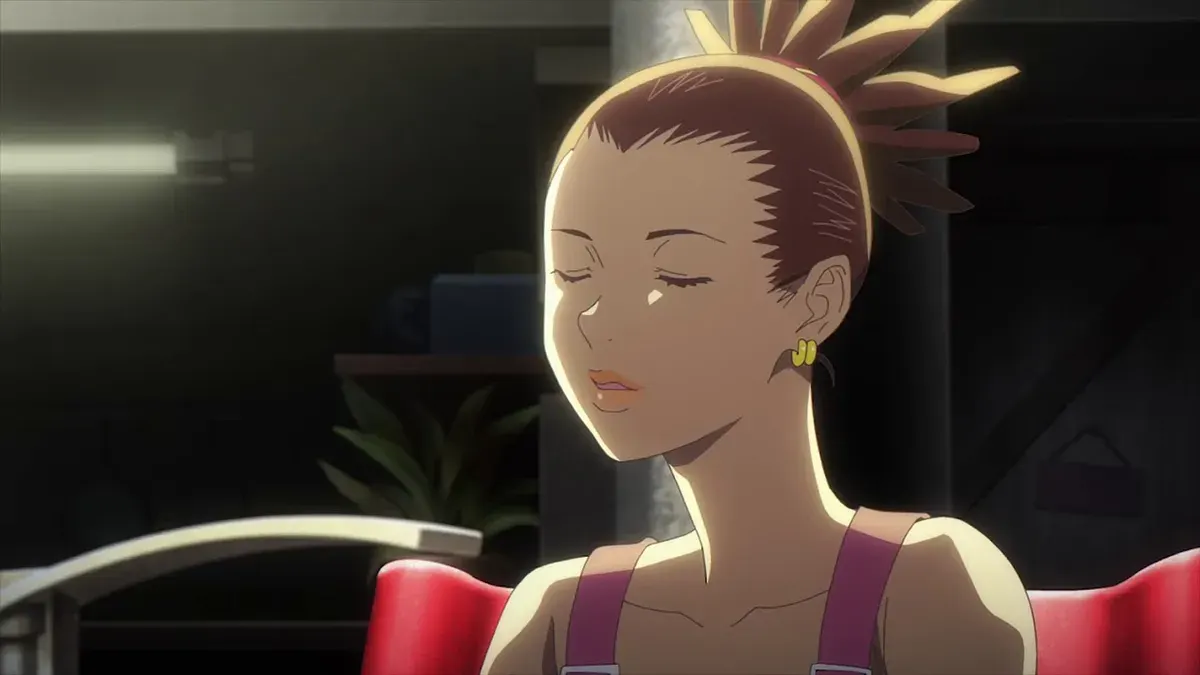
This is an accessible choice for viewers who enjoy pop music, creative collaboration and a broader social world around the performers. Its ambitions extend beyond rehearsal rooms into questions about visibility and public image, and that sometimes means the narrative becomes more sprawling than a tightly focused band drama. It is not a realistic manual for breaking into the music business. Its distinctive strength is the contrast between an intimate act of writing together and the complicated machinery that brings songs to an audience. Readers drawn to the effort behind making art can also explore AnimeSparks' ranking of anime about art and creativity.
6. BECK: Mongolian Chop Squad shows the awkward beginnings of a rock band
BECK follows Yukio Tanaka, often called Koyuki, as he is drawn into rock music and the messy process of playing with other people. The story treats musical identity as something learned through exposure, practice, disagreements and imperfect opportunities. Its world feels different from the polished school-club fantasy: finding a place in a band is not automatically the same as finding success, and the excitement of a performance is tied to the uncertainty of whether the group can keep moving.
For viewers interested in independent rock, this is a strong recommendation because the band does not emerge fully formed. Relationships and ambitions create friction, and the series gives time to the unglamorous steps between wanting to perform and feeling ready to do it. The adaptation is also an important caveat: it does not cover the entire manga's story, so viewers seeking a complete ending may want to continue with the source material. Its older production style will not suit everyone, but its emphasis on earning a musical identity remains distinctive.
5. Given uses a song to say what its characters cannot
Given brings together young musicians whose relationships are shaped by grief, uncertainty and the difficulty of speaking honestly. Mafuyu's voice becomes central not simply because he can sing, but because performing allows him to approach feelings that ordinary conversation cannot easily contain. The band's developing sound matters because the characters must listen to one another before their music can carry the weight of what they want to express. This is a relationship drama with a genuine musical structure rather than a romance with incidental instruments.
The emotional material is heavier than the cheerful band premise might suggest, and viewers should expect themes of bereavement and complicated attachment. It is also worth distinguishing the television series from the later film installments when deciding how much of the story to watch. Given ranks here for the unusually close connection between performance and character disclosure. Readers looking for other stories where loss reshapes a person's relationship with everyday life can consult AnimeSparks' guide to anime about grief and loss. The link is thematic, not a claim that all grief stories feel alike.
4. Your Lie in April connects classical performance with memory
Kosei Arima is a gifted young pianist whose relationship with the instrument has been damaged by painful memories. Meeting violinist Kaori Miyazono challenges both his musical habits and the emotional distance he has built around them. The series dramatizes performance as a conflict between control and expression. A piece of music is not merely an exam to pass: the way a character approaches it can reveal fear, longing, or the willingness to risk being heard.
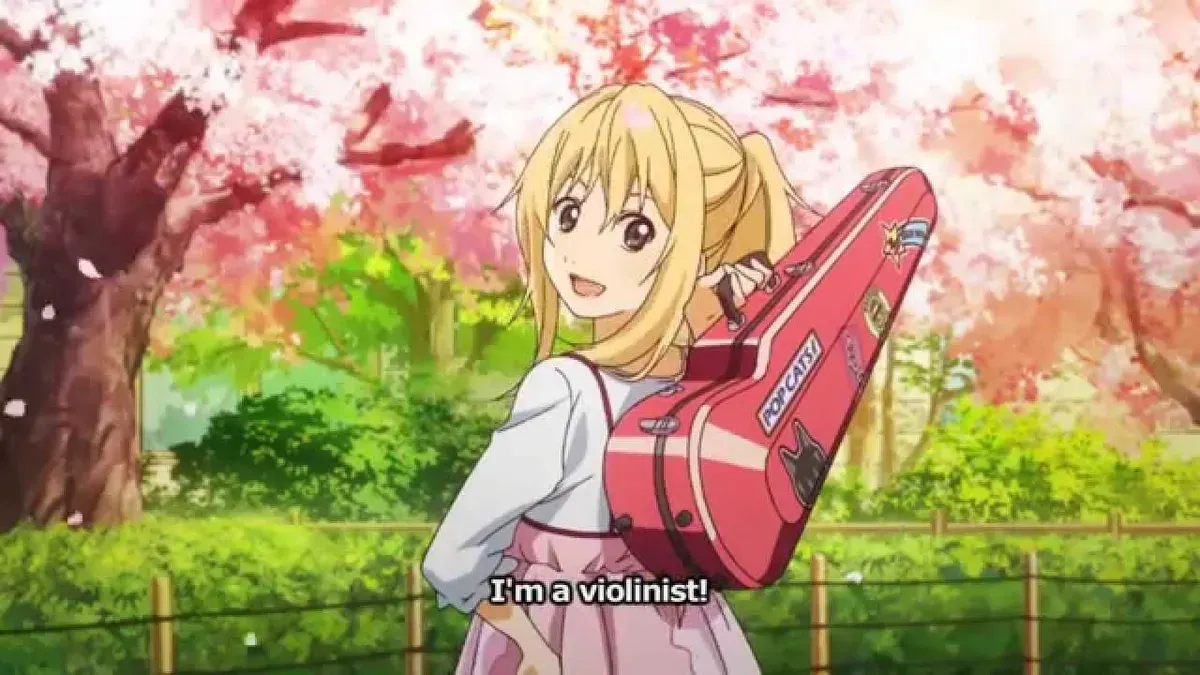
Its approach is openly melodramatic, and that is an important viewing consideration. Some people will find the emotional peaks overwhelming or the musical psychology exaggerated. It should not be treated as a clinical portrayal of trauma or as technical piano instruction. Still, the performances give the story a language that ordinary dialogue cannot replace. Choose it when you want classical music tied to a substantial emotional narrative, and be prepared for illness, parental pressure and grief. The contrast with K-On! is revealing: both value music as connection, but they arrive there through radically different moods.
3. BanG Dream! It's MyGO!!!!! makes band conflict the main event
MyGO!!!!! is a useful counterexample to the assumption that forming a band instantly produces friendship. The musicians carry expectations and misunderstandings into rehearsals, and the effort to perform together exposes tensions rather than magically resolving them. Its drama comes from the gap between wanting a shared identity and agreeing on what that identity means. A rehearsal can therefore feel as consequential as a concert because the characters must decide whether they can trust the group they are building.
The series belongs to the larger BanG Dream! franchise, but its central band conflict provides a strong reason to approach this installment on its own terms. Viewers who want carefree school comedy may find the interpersonal tension exhausting. Those who enjoy difficult character dynamics will appreciate how musical collaboration becomes a test of communication. It ranks above more relaxed band stories because disagreements change the performances and vice versa. That does not make its characters models of healthy conflict resolution; their mistakes are part of what the story examines.
2. Sound! Euphonium understands the cost of ensemble excellence
Kumiko Oumae enters a high school concert band where individual ambition and collective performance cannot be separated. A brass ensemble has no single star who can simply overpower everyone else; choices about practice, auditions and commitment affect the sound of the whole group. That creates a precise kind of drama. The characters may want the same public goal while disagreeing about how much effort, fairness or sacrifice it should demand. Crunchyroll's official series listing confirms the high school band premise and Kumiko's hesitant return to the activity.
The show's strongest feature is the way artistic standards collide with friendship. Being supportive of someone does not erase competition for a place, and being technically capable does not remove emotional uncertainty. The performances matter because the audience has seen the decisions that lead to them. This is the best choice on the list for viewers curious about ensemble discipline and the politics of school music programs, though the drama remains fictionalized rather than a universal account of Japanese band culture. It ranks second because the musical structure creates consequences at both the individual and group level.
1. Bocchi the Rock! makes stage fright part of its visual language
Hitori Gotoh practices guitar in isolation and builds an online identity, yet struggles with the social demands of joining a real band. When she enters Kessoku Band, technical skill does not automatically become confidence. The anime's wild visual comedy translates anxiety into startling changes of style, while its live performances remind viewers that playing with others requires responsiveness, timing and trust. Crunchyroll's official description establishes the contrast between her online reputation and intense introversion.
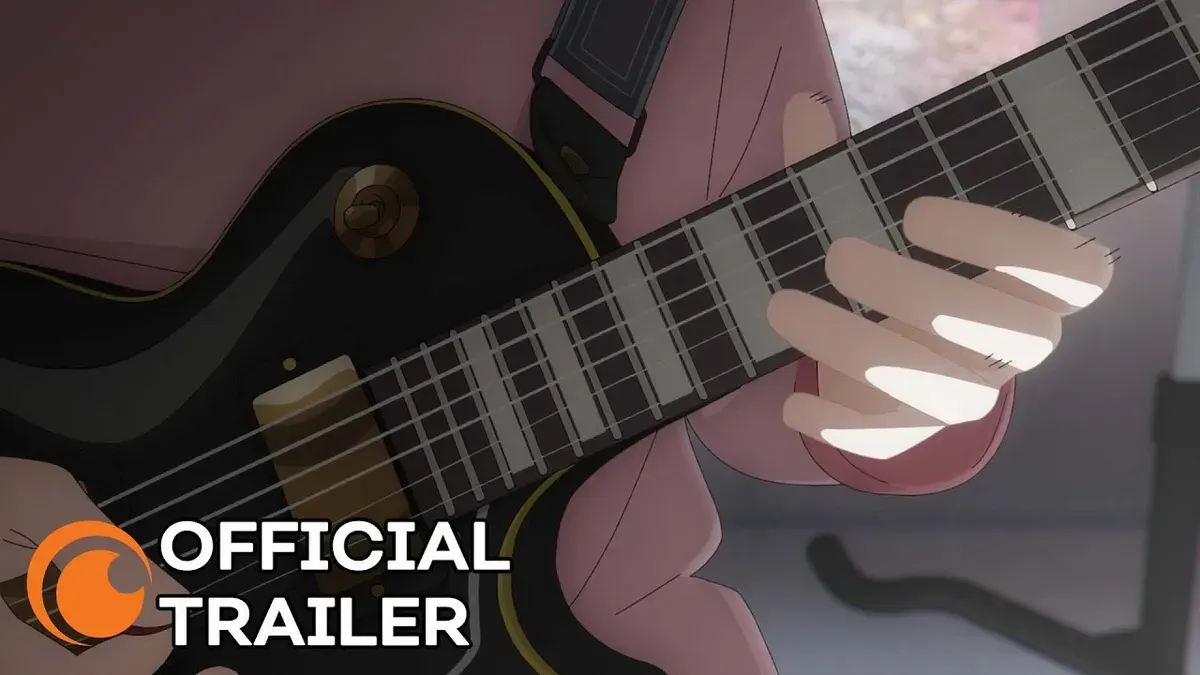
Bocchi the Rock! takes first place because form and subject work together. Its animation makes an internal problem visible, its comedy prevents the story from becoming a lecture, and its music gives the protagonist a credible way to participate before she can comfortably express herself in conversation. It does not promise that one successful show cures anxiety. The character's progress is uneven, which makes the band's gradual cohesion more rewarding. It is a particularly strong first recommendation for someone who wants humor, memorable performances and a clear emotional reason for every rehearsal.
Which music anime should you watch first?
Choose Bocchi the Rock! for a compact, funny band story; Sound! Euphonium for a longer ensemble drama; MyGO!!!!! for emotionally fraught collaboration; Your Lie in April for classical music and an intense emotional arc; Given for grief and songwriting; BECK for rock-band development; Carole & Tuesday for pop songwriting and industry ambition; or K-On! for friendship and comfort. If the real attraction is a supportive group rather than the music itself, AnimeSparks' found-family anime recommendations offer a different route into that theme. The anime recommendation finder can also help narrow choices by mood, genre and length.
Frequently asked questions
What is the best music anime for beginners?
Bocchi the Rock! is the most approachable starting point here because its comedy makes the band's development easy to follow without prior knowledge of instruments. K-On! is gentler; Sound! Euphonium is more demanding but rewards interest in ensemble performance.
Are music anime only about school bands?
No. Carole & Tuesday focuses on a songwriting duo, BECK explores rock performance, and Your Lie in April centers classical musicians. The common element is that creating or performing music changes the characters' decisions.
Do I need to know music theory?
No. These shows usually explain their stakes through relationships, rehearsals and performances. Some musical details will resonate differently with experienced players, but the central character stories do not require technical knowledge.
Are all of these available on the same streaming service?
No availability claim should be generalized across countries or dates. Crunchyroll maintains a music-anime category, while Netflix lists Carole & Tuesday in some territories. Check your local catalog before subscribing or planning a watch order.